|
High Blood Pressure (Hypertension): Symptoms, Signs, and Causes in Singapore

Blood pressure is the pressure of blood pushing against the walls of your arteries when your heart pumps. It varies from person to person. Even for the same individual, blood pressure may vary from time to time, for instance, when one gets angry versus when one is relaxed.
When a person’s blood pressure is consistently at 140/90mmHg or higher, he/she is said to have high blood pressure.
According to the National Population Health Survey 2024, over one in three Singaporeans between age 18 to 74 years has hypertension (or persistent high blood pressure), an decrease from 37.0% in 2021-2022 to 33.8% in 2023-2024. The decrease in crude prevalence during 2024 was found in those aged 50 to 59 years (53.7% to 48.1%) and those aged 60 to 69 years (64.3% to 59.2%), among males and all education levels, and for Chinese (37.3% to 34.0%) and Malays (40.5% to 36.8%) compared to 2021-2022.
What is High Blood Pressure?
High blood pressure, also known as hypertension, is a long-term condition where the force of blood pushing against the walls of the arteries remains consistently higher than normal. Over time, this increased pressure causes the heart to work harder to pump blood efficiently, placing strain on both the heart and blood vessels. Understanding what hypertension is is important, as untreated or poorly controlled high blood pressure can lead to serious health complications such as heart disease, stroke, kidney failure and vision loss.
Blood pressure is measured using two numbers, expressed in millimetres of mercury (mmHg). The first number is the systolic blood pressure, which measures the pressure in the arteries when the heart contracts and pumps blood. The second number is the diastolic blood pressure, which reflects the pressure in the arteries when the heart relaxes between beats. When either or both of these values remain elevated over time, a person may be diagnosed with high blood pressure.
What are the Signs and Symptoms of High Blood Pressure?
High blood pressure is often called a “silent killer” because it usually does not cause noticeable symptoms. A person may feel well even while elevated blood pressure is gradually damaging the blood vessels, heart, brain, kidneys or eyes.
For this reason, symptoms alone cannot confirm whether someone has hypertension. Regular blood pressure checks are the most reliable way to detect it early. When symptoms do appear, particularly if they are sudden or severe, blood pressure may be significantly elevated or complications may already be developing.

HeadacheSeverely elevated blood pressure may sometimes cause a strong or throbbing headache. The pain may be felt at the back of the head, although its location can vary. As headaches have many possible causes, blood pressure should be measured rather than assuming hypertension is responsible. |
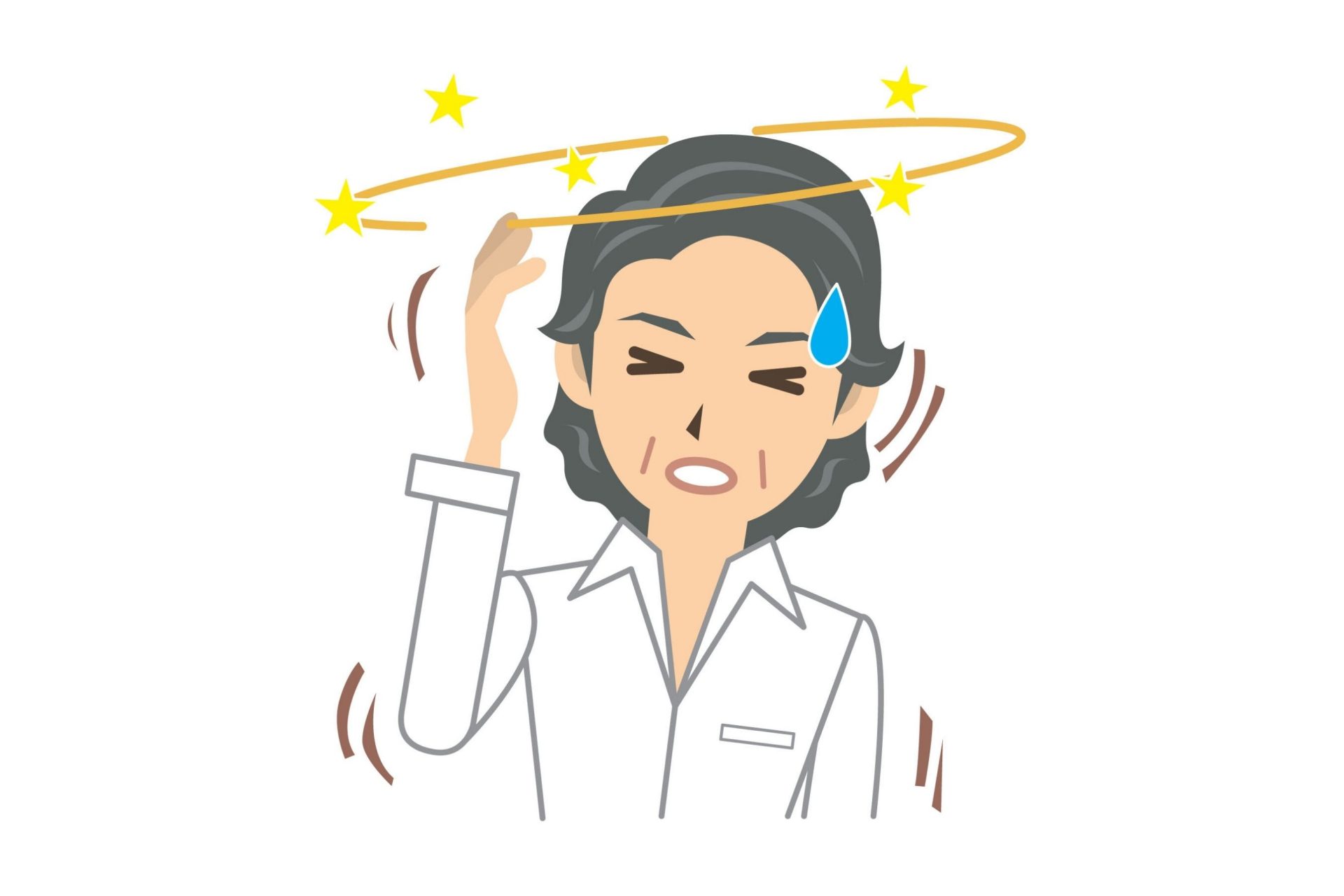
Dizziness or light-headednessSome individuals may feel dizzy, unsteady, or faint when their blood pressure is very high. However, dizziness can also be associated with dehydration, medication effects, low blood pressure or other medical conditions. |
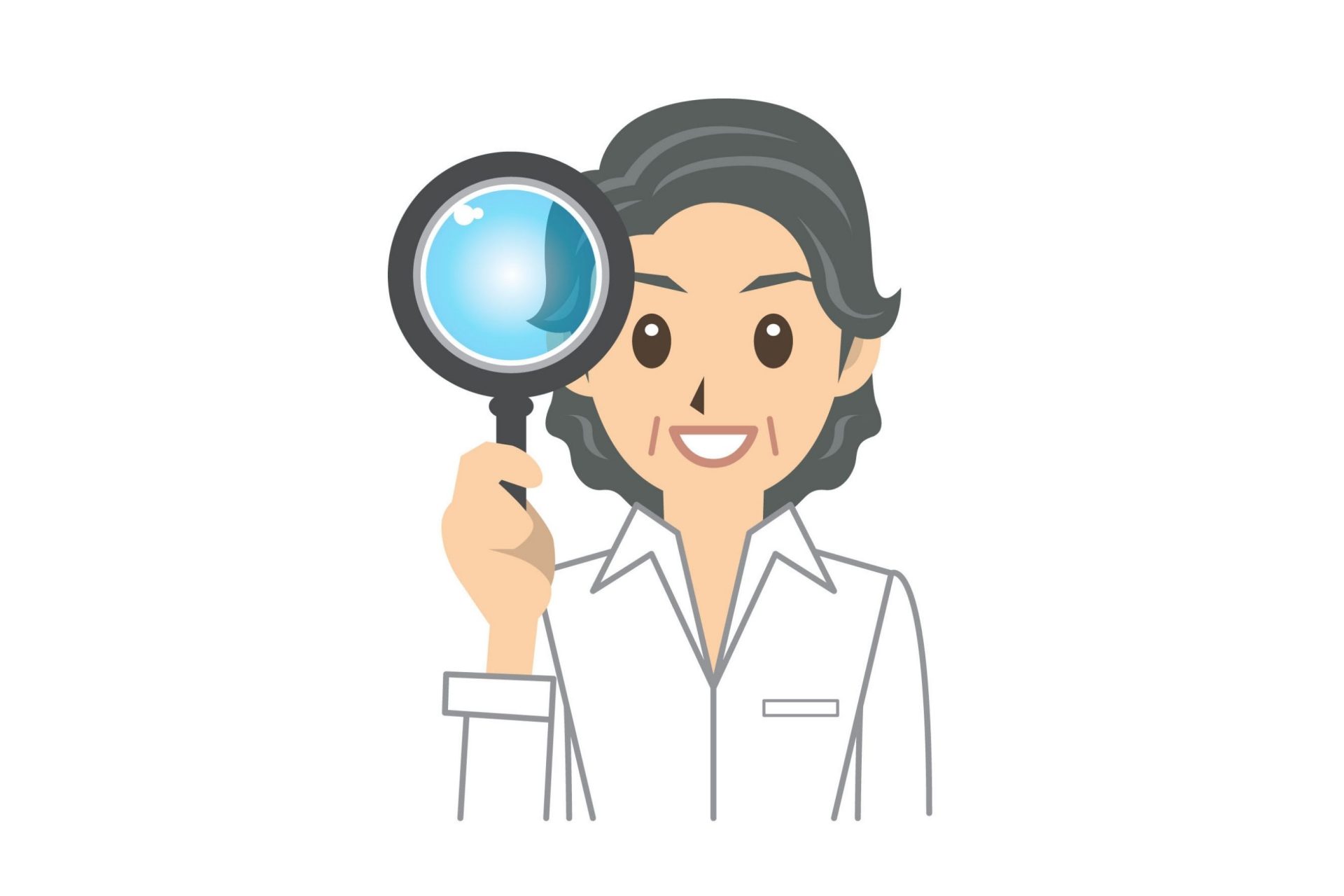
Blurred Vision or Other Visual DisturbancesVery high blood pressure can affect the blood vessels in the eyes, potentially causing blurred vision, double vision, flashing lights, or other sudden changes in sight. New or worsening visual symptoms should be assessed promptly. |

Chest Pain or DiscomfortChest pain, tightness, pressure, or discomfort may indicate that the heart is not receiving enough oxygen-rich blood. When accompanied by markedly elevated blood pressure, it may be a sign of a serious cardiovascular emergency. |
Shortness of BreathDifficulty breathing may occur when severe hypertension places additional strain on the heart or contributes to fluid accumulation in the lungs. Sudden or severe breathlessness requires urgent medical attention. |
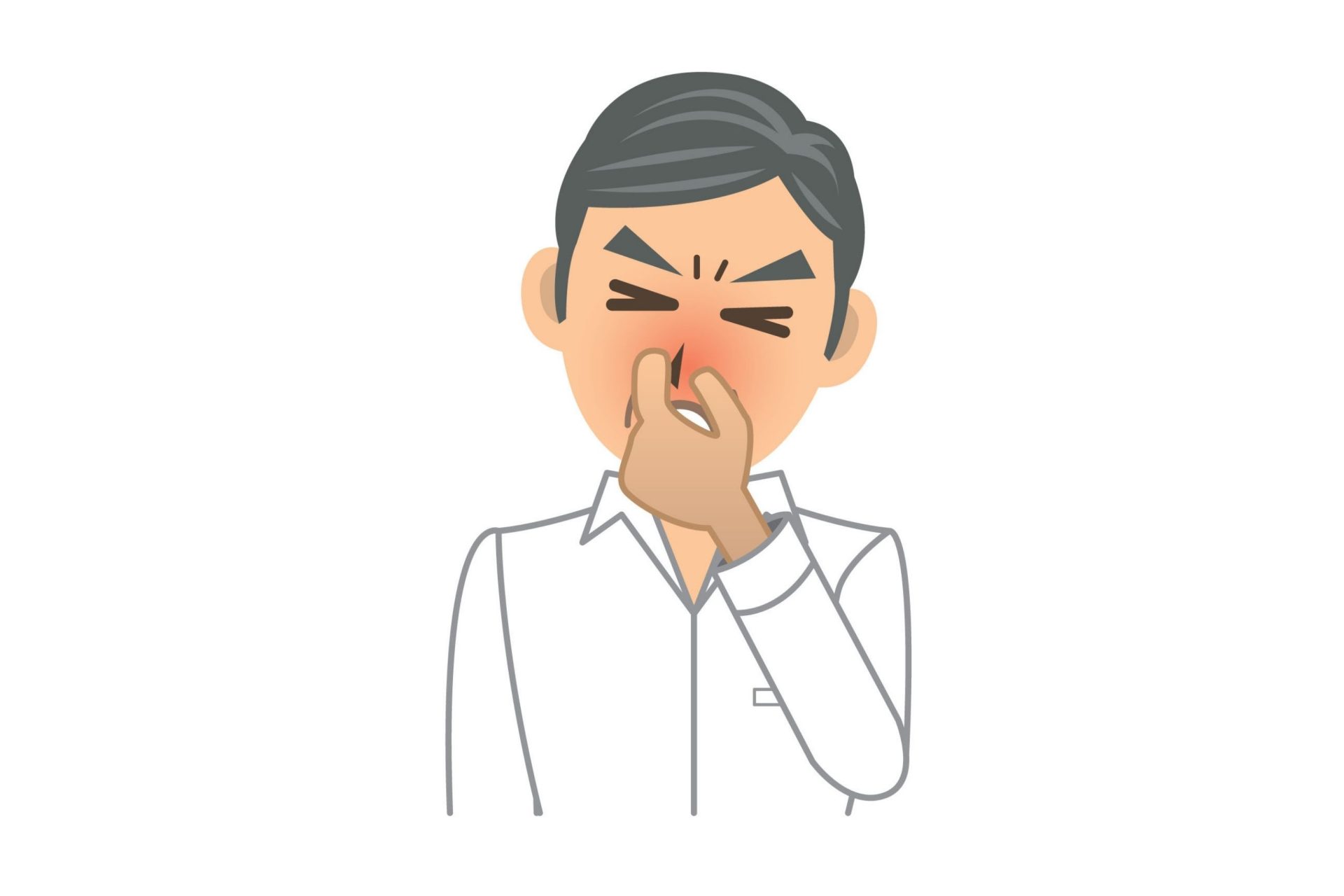
NosebleedsNosebleeds may occasionally occur when blood pressure is severely elevated, although they are not a reliable indicator of hypertension. Frequent, prolonged or heavy nosebleeds should be medically assessed. |
Heart PalpitationsA person may notice that their heart is beating rapidly, forcefully, irregularly or as though it is fluttering. Palpitations have many possible causes, but they should not be ignored when accompanied by chest pain, dizziness, breathlessness or very high blood pressure. |
Fatigue or ConfusionSevere hypertension may sometimes cause unusual tiredness, difficulty concentrating, confusion or changes in alertness. Sudden confusion can indicate that the brain is being affected and requires immediate medical evaluation. |
When High Blood Pressure Becomes an Emergency
A hypertensive crisis occurs when blood pressure reaches 180/120 mmHg or higher. If a reading is at or above this level, remain calm and take another measurement after a few minutes.
Seek emergency medical care immediately if the high reading is accompanied by warning signs such as:
- Severe headache
- Severe chest pain
- Shortness of breath
- Sudden changes in vision or loss of vision
- Difficulty speaking
- Numbness or weakness, especially on one side of the body
- Seizures
- Confusion or loss of consciousness
These symptoms may indicate serious complications such as a heart attack, stroke or damage to vital organs. Do not wait for the blood pressure to fall on its own.
How to Check for High Blood Pressure Accurately
The only way to get high blood pressure diagnosed is to either have a health professional check your blood pressure or monitor it using a home blood pressure monitor.
Singapore Heart Foundation advocates for people to start checking their blood pressure from 18 years old. Those above 40 years old should have their blood pressure measured regularly.
If your blood pressure is in the normal range, you should measure it at least once every 2 years. If your blood pressure is between 130-139/85-89 mmHg, you should have an annual check.
If you are diagnosed with high blood pressure, heart disease, cerebrovascular disease, diabetes or kidney disease, you need to measure your blood pressure at least once a week to keep it in check.

If you have a family history of heart disease or have risk factors for developing the condition, it is also recommended to have your blood pressure checked twice a year. This can help detect the condition early and treat it before it becomes a problem.
Measuring my Blood Pressure at Home
Before measurement
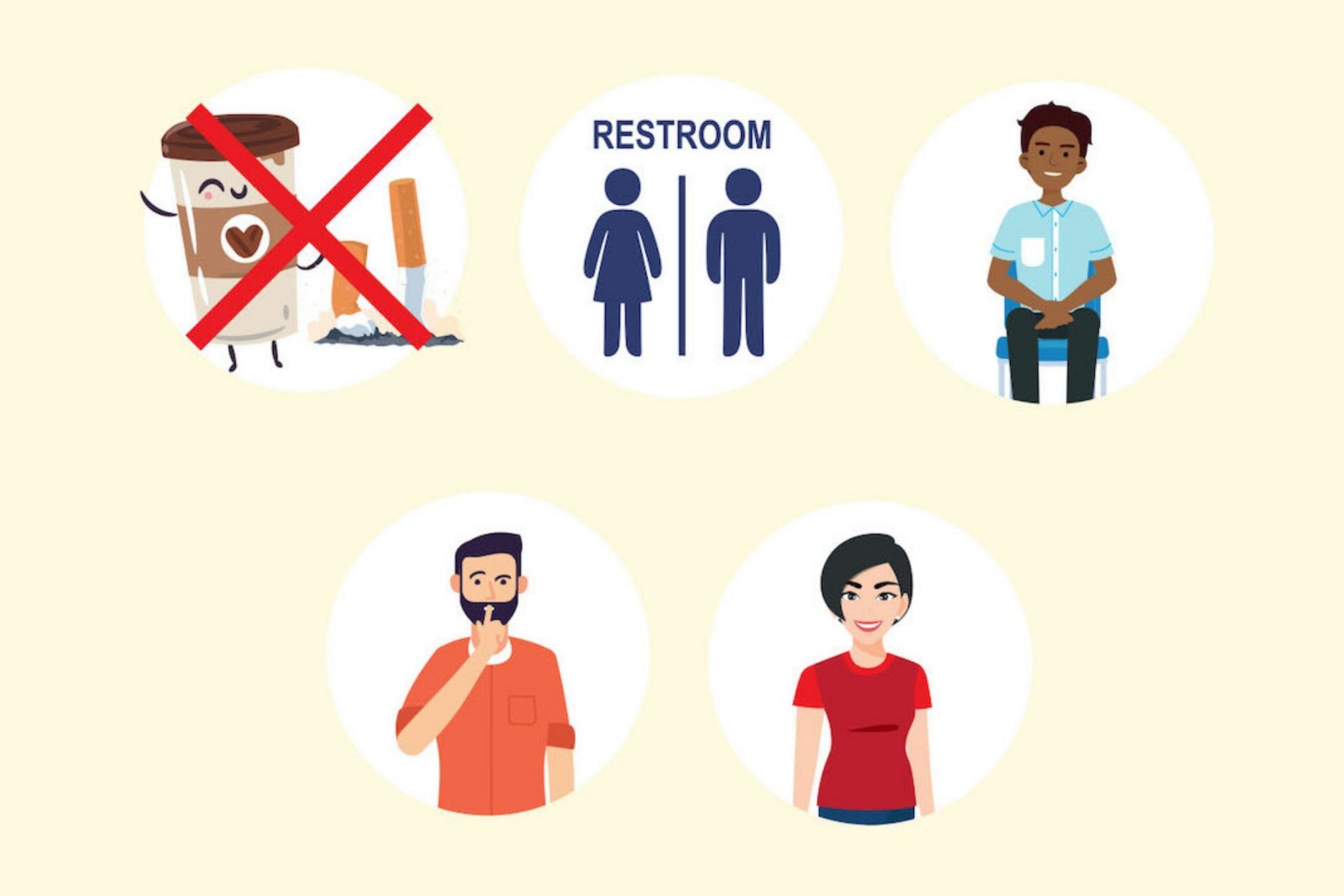
Preparing properly before measuring your blood pressure helps ensure accurate and reliable readings. Small factors such as recent physical activity, improper posture or stimulant intake can temporarily raise blood pressure and affect the results.
- Avoid caffeine, alcohol or smoking at least 30 minutes before measurement
- Empty your bladder, as a full bladder can raise blood pressure readings
- Remove tight or restrictive clothing from your upper arm
- Sit quietly and relax for a few minutes before starting
During measurement
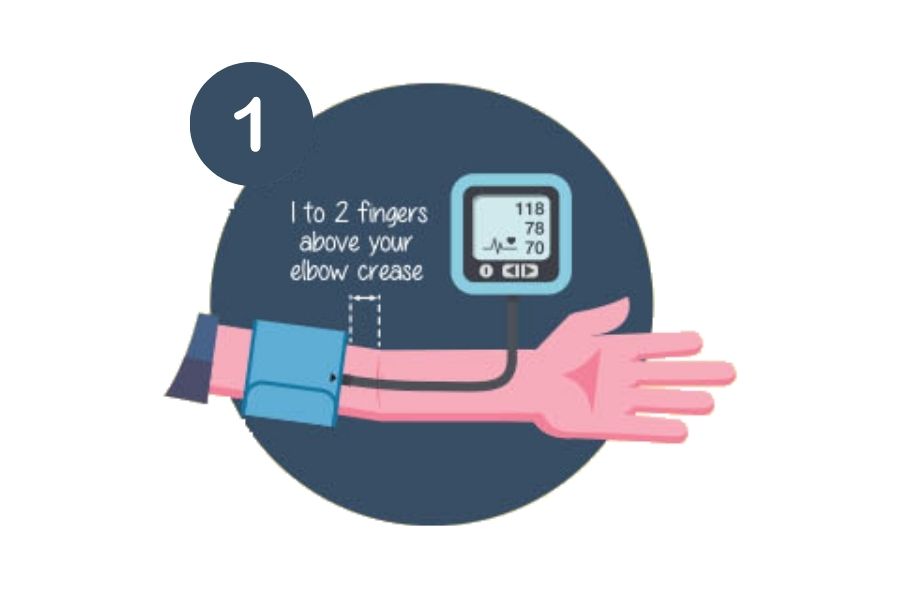
|
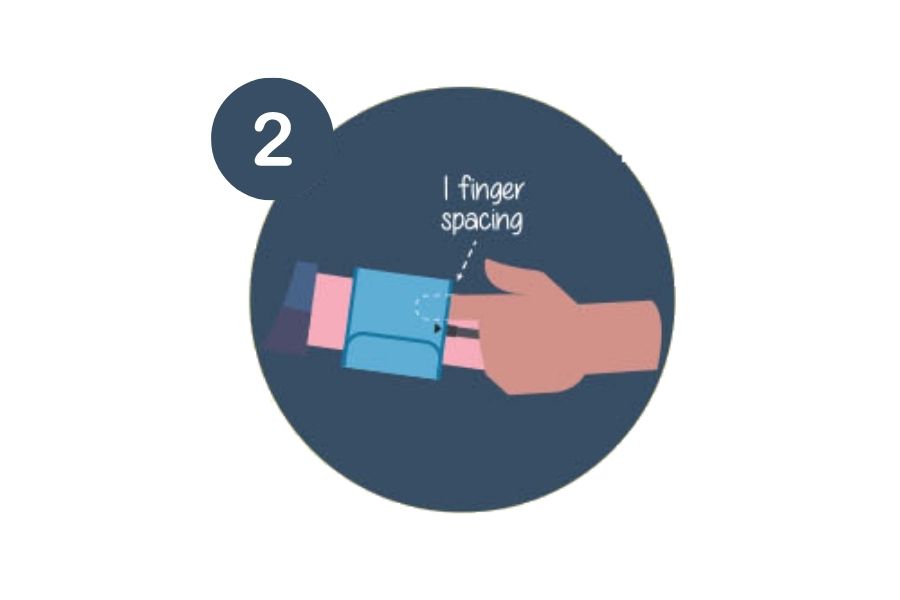
|
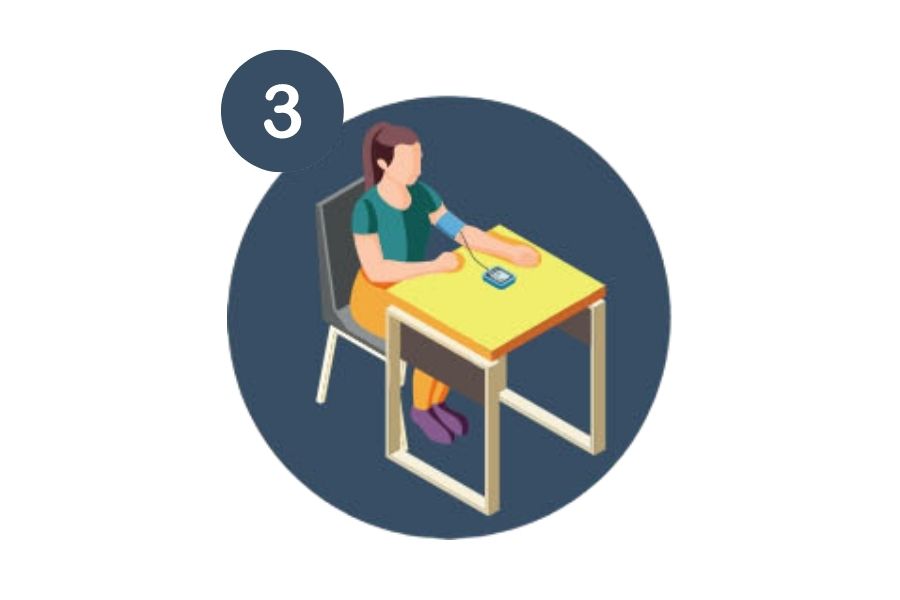
|
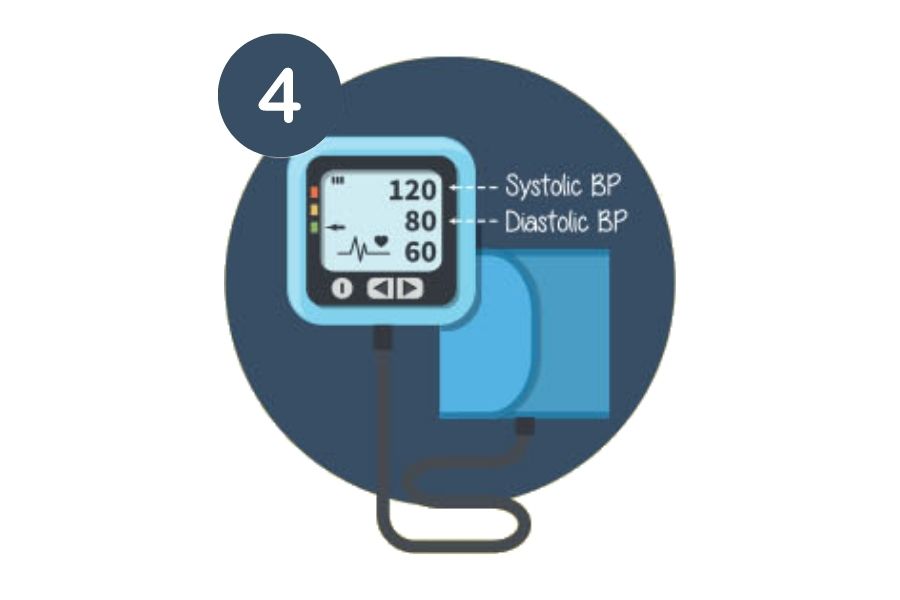
*Refrain from talking and moving during measurement. |
After measurement
After taking your blood pressure reading, it is helpful to review and record the results for ongoing monitoring. Consistent tracking allows you and your healthcare provider to identify patterns and make informed decisions.
- Take two readings at least 2 minutes apart for accuracy
- Record your systolic and diastolic readings along with the date and time
- Bring your records to your next medical appointment for review
What Causes High Blood Pressure?
High blood pressure usually develops through a combination of lifestyle, genetic, environmental and medical factors. Some risk factors can be changed through daily habits and treatment, while others cannot be altered. Understanding both can help you assess your overall risk and take appropriate preventive steps.
Risk Factors You Can Control
Modifiable risk factors are habits or conditions that can be improved through lifestyle changes, medical support or both.
High sodium intake: Consuming too much sodium can cause the body to retain fluid, increasing the pressure on blood vessel walls. This is particularly relevant in Singapore, where sauces, gravies, soups, processed foods and meals eaten outside the home can contain high amounts of sodium.
Physical inactivity: A sedentary lifestyle can contribute to weight gain and make the heart work harder during everyday activities. Regular physical activity helps support heart health and healthier blood pressure levels.
Being overweight or obese: Excess body weight increases the amount of blood the heart must pump and can place additional strain on the blood vessels. Weight management may help reduce this burden.
Excessive alcohol consumption: Drinking too much alcohol can raise blood pressure and may reduce the effectiveness of certain blood pressure medications.
Tobacco use: Smoking and other forms of tobacco use can temporarily raise blood pressure and damage the lining of the arteries. Long-term tobacco exposure also increases the risk of heart attack and stroke.
Chronic stress: Ongoing stress may contribute to repeated increases in blood pressure. It can also lead to behaviours such as overeating, smoking, drinking alcohol or sleeping poorly, which may further increase cardiovascular risk.
Poor sleep quality: Insufficient or disrupted sleep can affect the body’s regulation of stress hormones and blood pressure. Sleep conditions such as obstructive sleep apnoea may also contribute to hypertension.
Risk Factors You Cannot Control
Non-modifiable risk factors cannot be changed, but recognising them can help determine how often blood pressure should be monitored and whether earlier preventive action is needed.
Age: The risk of high blood pressure generally increases with age as the arteries gradually become less flexible. Men may face a higher risk earlier in adulthood, while the risk among women often rises after menopause.
Family history of hypertension: Having a parent, sibling or close relative with high blood pressure may increase your likelihood of developing the condition.
Ethnicity: Some ethnic groups may have a higher underlying risk of hypertension or related complications. This may reflect a combination of genetic, social, environmental and lifestyle factors.
Underlying medical conditions: Conditions such as diabetes, chronic kidney disease, sleep apnoea and certain hormonal disorders can increase the risk of high blood pressure. Some medications may also contribute to elevated readings.
Having one or more risk factors does not mean that high blood pressure is inevitable. Regular monitoring, healthy lifestyle habits and appropriate medical care can help reduce the likelihood of complications.
Types of Hypertension
High blood pressure is not a single condition and can present in different forms depending on its underlying cause and how it develops.
Primary (Essential) Hypertension
Primary hypertension is the most common type of high blood pressure and develops gradually over many years. It does not have a single identifiable cause, but is strongly associated with a combination of genetic factors, ageing and modifiable lifestyle factors such as unhealthy dietary patterns, physical inactivity, chronic stress and high sodium intake.
Secondary Hypertension
Secondary hypertension occurs as a result of an underlying medical condition and tends to appear suddenly, often causing higher blood pressure readings than primary hypertension. Common causes include kidney disease, hormonal disorders, obstructive sleep apnoea and the use of certain medications such as oral contraceptives or long-term pain relievers.
Gestational Hypertension
Gestational hypertension develops during pregnancy and usually resolves after childbirth. However, women who experience high blood pressure during pregnancy may have a higher risk of developing hypertension later in life and should continue to monitor their blood pressure regularly.
Understanding Blood Pressure Readings

In general, blood pressure readings may be classified as follows:
| Blood Pressure Category | Blood Pressure Reading | |
| Normal | Less than 130/85 mmHg | No treatment is usually required. Continue monitoring your blood pressure regularly to check that it remains within a healthy range. |
| Normal range for a young, healthy woman | Approximately 90/60 mmHg to 120/80 mmHg | Blood pressure can naturally vary within this range depending on the individual and the circumstances at the time of measurement. |
| Recommended target for individuals with diabetes or kidney disease | Around 120/80 mmHg or lower, as advised by a doctor | Even slightly elevated blood pressure may increase the risk of complications. Follow your doctor’s recommended target and monitoring schedule. |
| Borderline or pre-hypertensive | 130/85 mmHg to 139/89 mmHg | If your blood pressure is frequently above 130/85 mmHg, including while at rest, it may be a sign to take preventive action. Lifestyle changes and medical advice are strongly recommended. |
| High blood pressure | Systolic pressure of 140 mmHg or higher, and/or diastolic pressure of 90 mmHg or higher | Readings at this level on two or more separate occasions may indicate high blood pressure. Consult a healthcare professional for further assessment. |
Note: Blood pressure readings can vary depending on factors such as body position, breathing, emotional state, physical activity, and sleep. For a more accurate assessment, measurements should be taken under consistent conditions and repeated when necessary.
Complications of High Blood Pressure
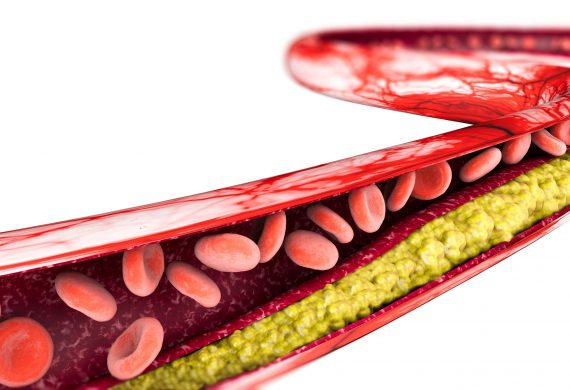
High blood pressure increases one’s risk of cardiovascular disease as the blood vessel walls become irritated by the increased pressure exerted by the blood flowing through. As more and more damage is done to the vessel walls, plaque tends to form, in turn increasing the likelihood of atherosclerosis and coronary heart disease.
Damage Blood Vessels
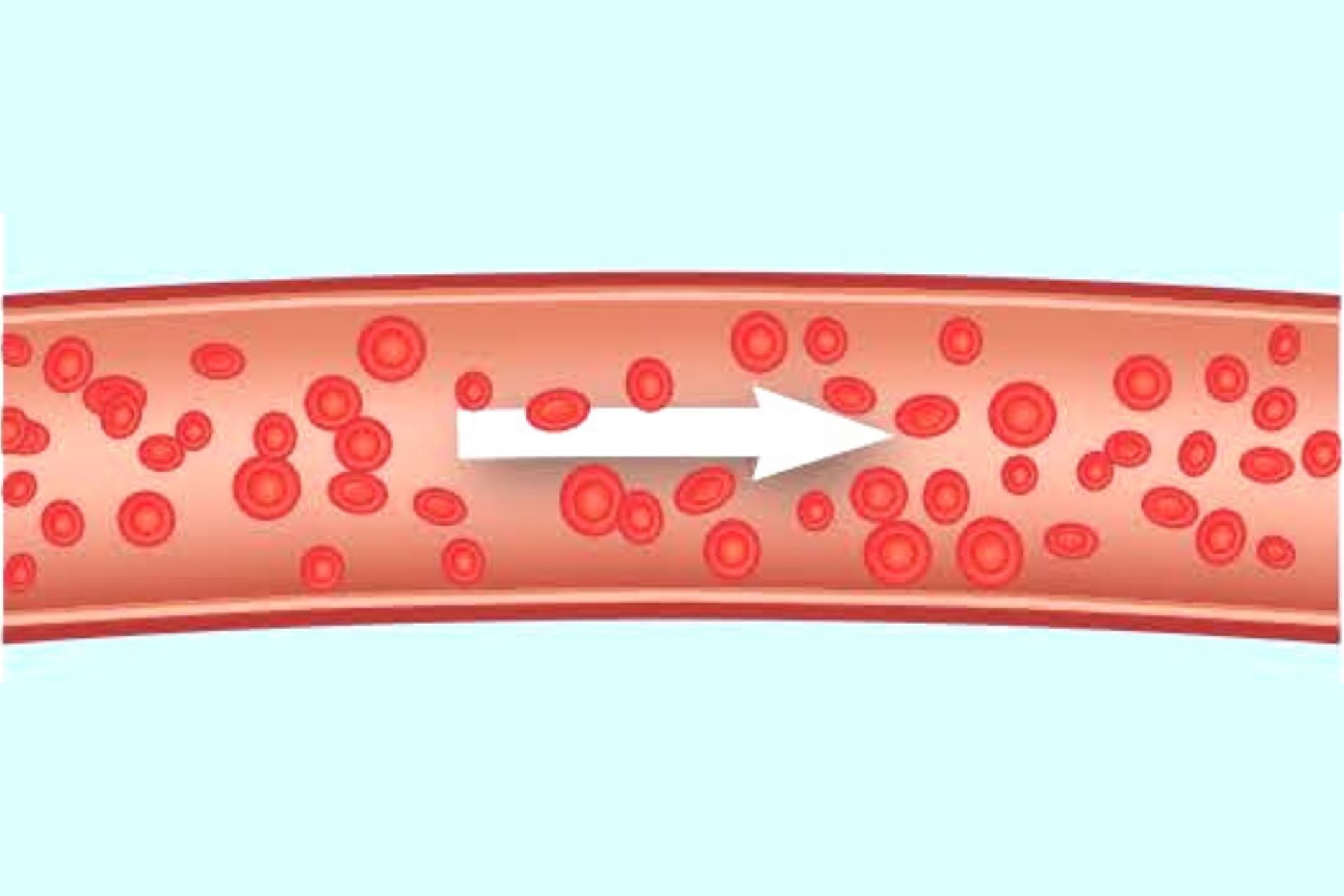
High Blood Pressure Damages Your Blood Vessels The excessive pressure exerted on your blood vessels may result in tears on its lining. |
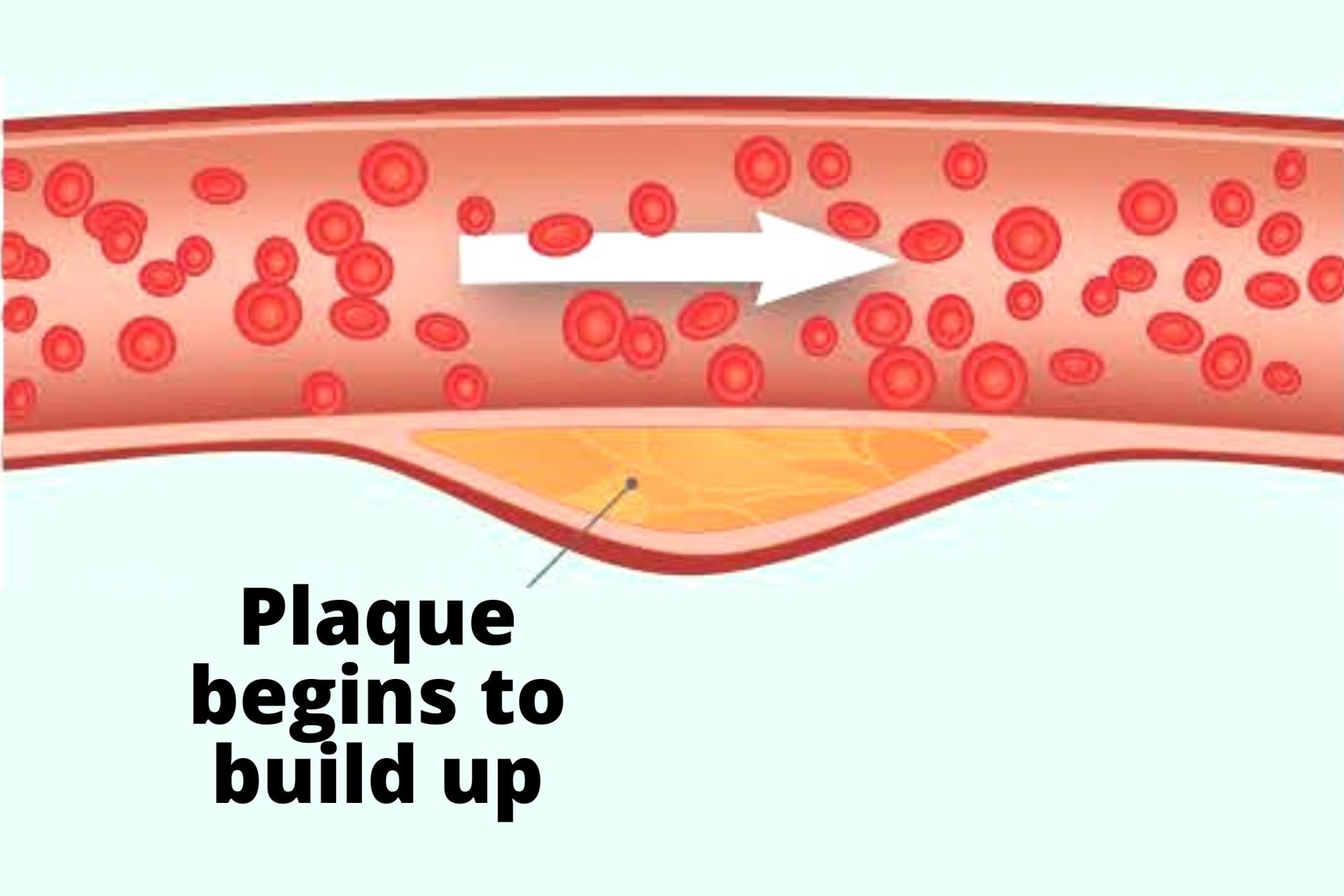
Plaque begins to build-up Particles of the plaque (fat, cholesterol, and other substances) begin to accumulate in your blood vessel’s walls. As the plaque builds up, your blood vessels will slowly narrow and harden. |
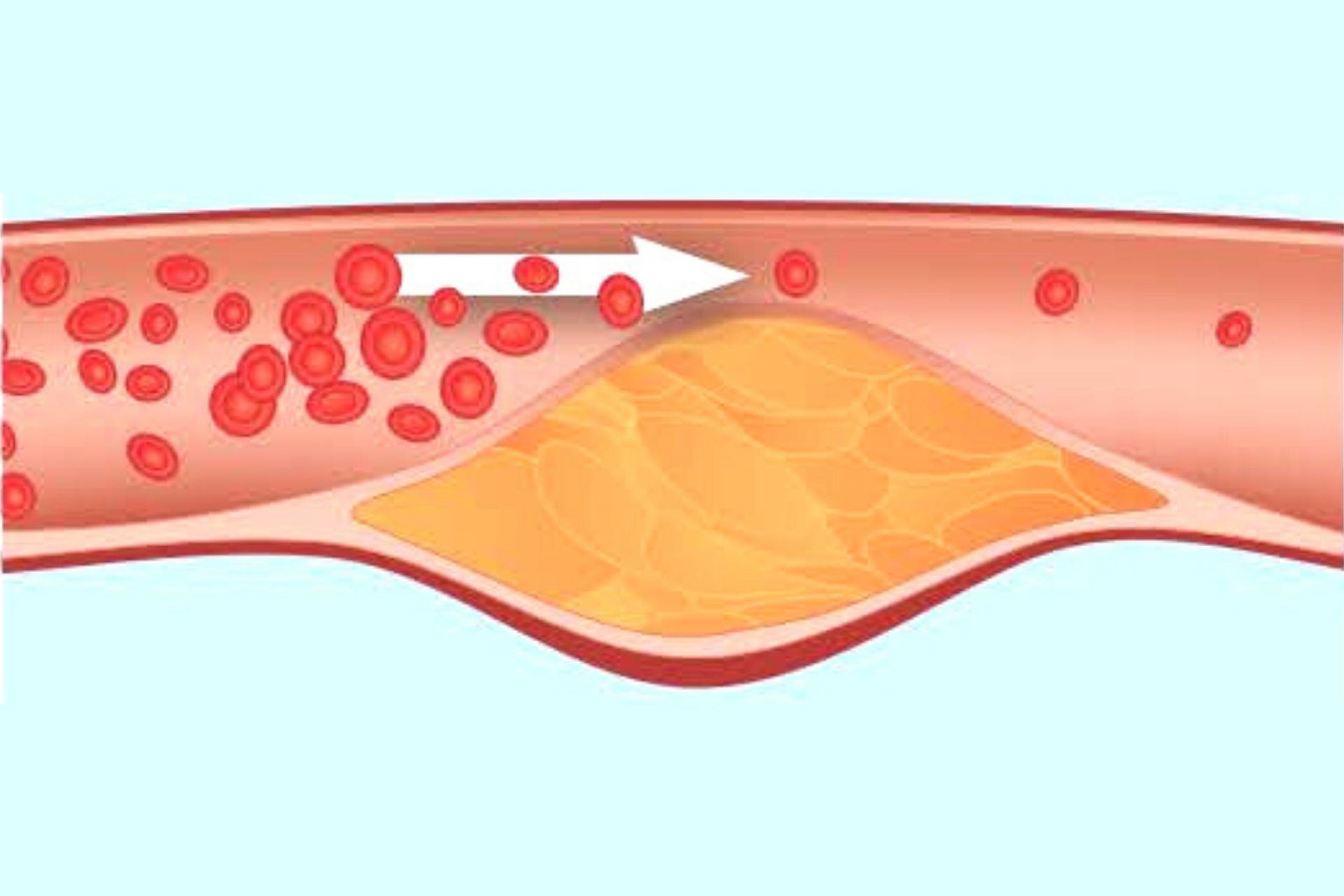
High Blood Pressure Speeds Up the Process of Hardening of Your Blood Vessels Your blood vessels will harden and become less elastic over time as you age. However, uncontrolled high blood pressure speeds up the hardening process. |
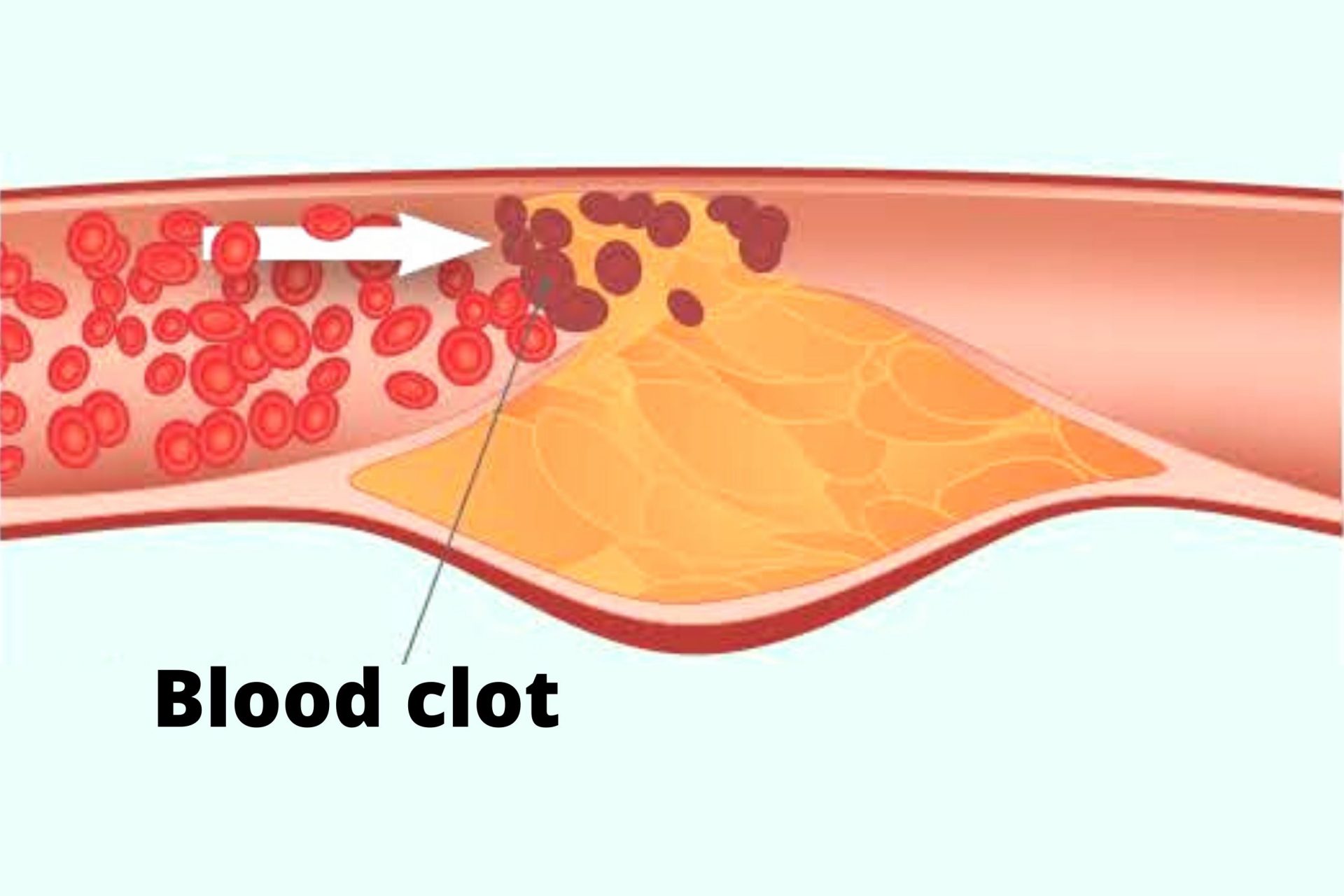
Damaged Blood Vessels can lead to:
|
Other complications of hypertension can also include:
Vision LossHigh blood pressure can strain and damage blood vessels in the retina. |
StrokeReduced blood supply to the brain, can lead to rapid loss of brain function or stroke. |
Heart FailureThe heart has to pump harder and over time, the heart muscle will enlarge and fail to pump enough blood to meet the body’s needs. |
Heart AttackHigh blood pressure can damage and block the arteries, preventing oxygen-rich blood from reaching a section of the heart. The heart muscle will start to die when there is no oxygen and nutrients. |
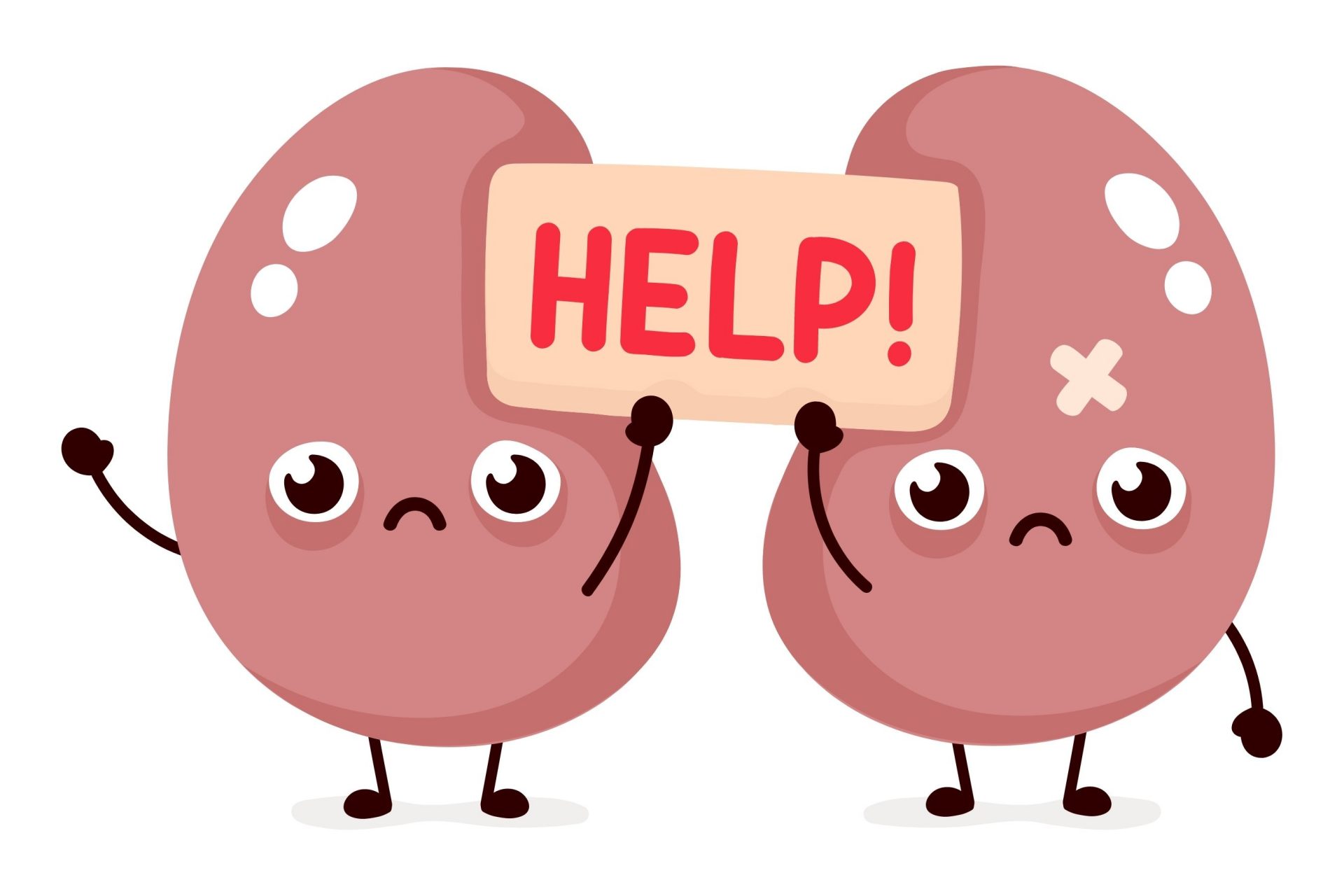
Kidney FailureFound in about 5% of hypertensive patients, narrowed, weakened, and hardened blood vessels around the kidneys will cause the organs to lose their ability to filter blood. |
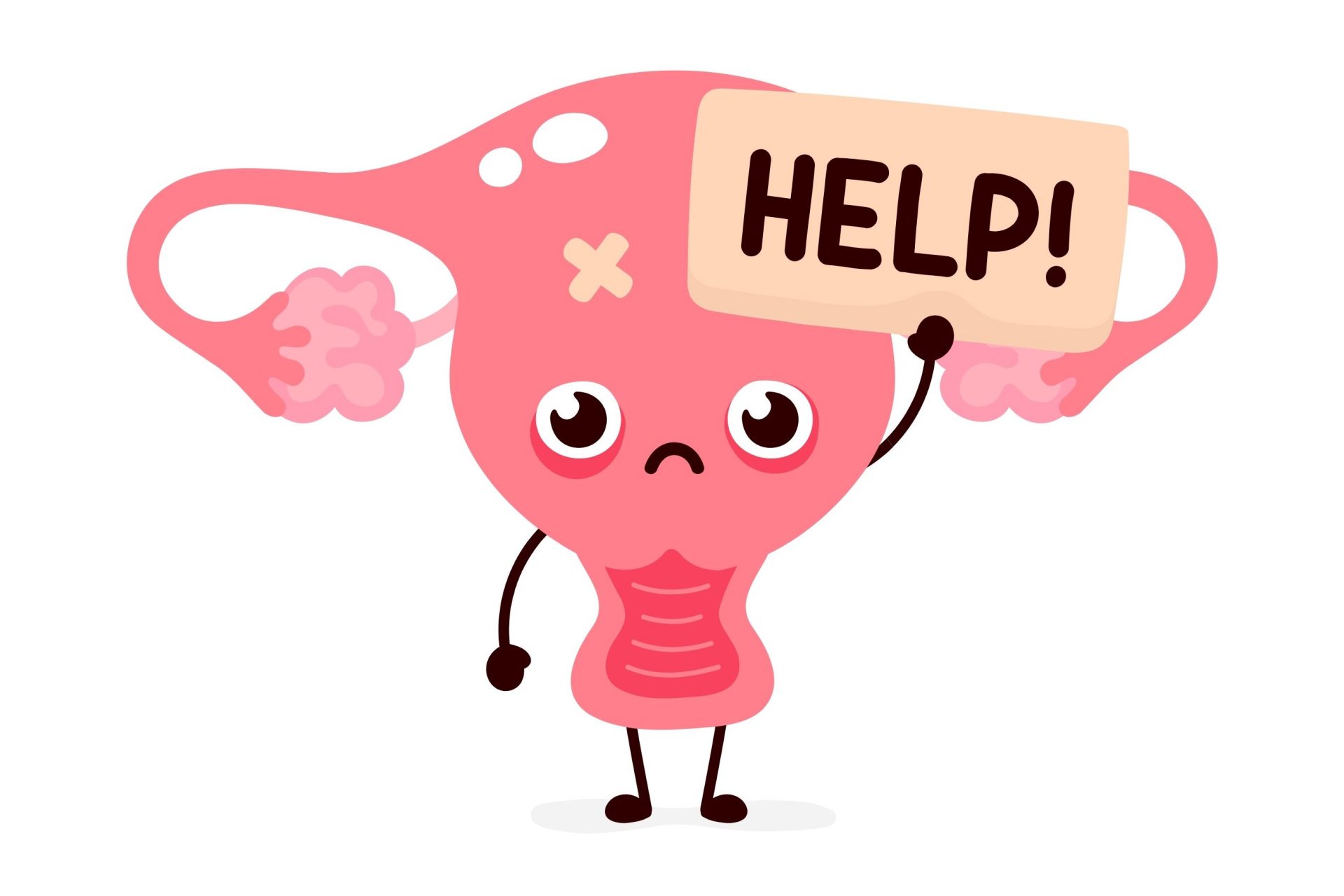
Sexual DysfunctionOccurs as a result of reduced blood flow throughout the body. Lower blood flow to the pelvis can affect the sex lives of both men and women. |

Managing and Preventing High Blood Pressure
Early diagnosis and treatment reduce your risk of developing severe hypertension-related diseases.
A decreased BP of 10/5mmHg (either by medication or a lifestyle change) can reduce the risk of:
- heart failure by 50%
- stroke by 38%
- heart attack by 15%
- death by 10%
Lifestyle changes and medication can aid in lowering blood pressure and decrease the risk of associated health complications. Here are some ways to help lower blood pressure:
Do not smoke or stop smoking
Limit Alcohol Consumption
- Do not consume more than 1 standard drink for women and 2 standard drinks for men per day [One standard drink: ⅔ can of beer (200ml), a small glass of wine (100ml), or a glass of spirit (30ml)]
Reduce your weight
- Maintaining a healthy body weight (BMI 18.5 to 22.9kg/m2) reduces the amount of blood needed to supply oxygen and nutrients throughout the body, which in turn lowers the pressure exerted on blood vessel walls. Excess body fat, particularly around the abdomen, is linked to increased blood pressure and strain on the heart. Even modest weight loss can result in meaningful improvements in blood pressure control and overall cardiovascular health.
A heart-healthy diet
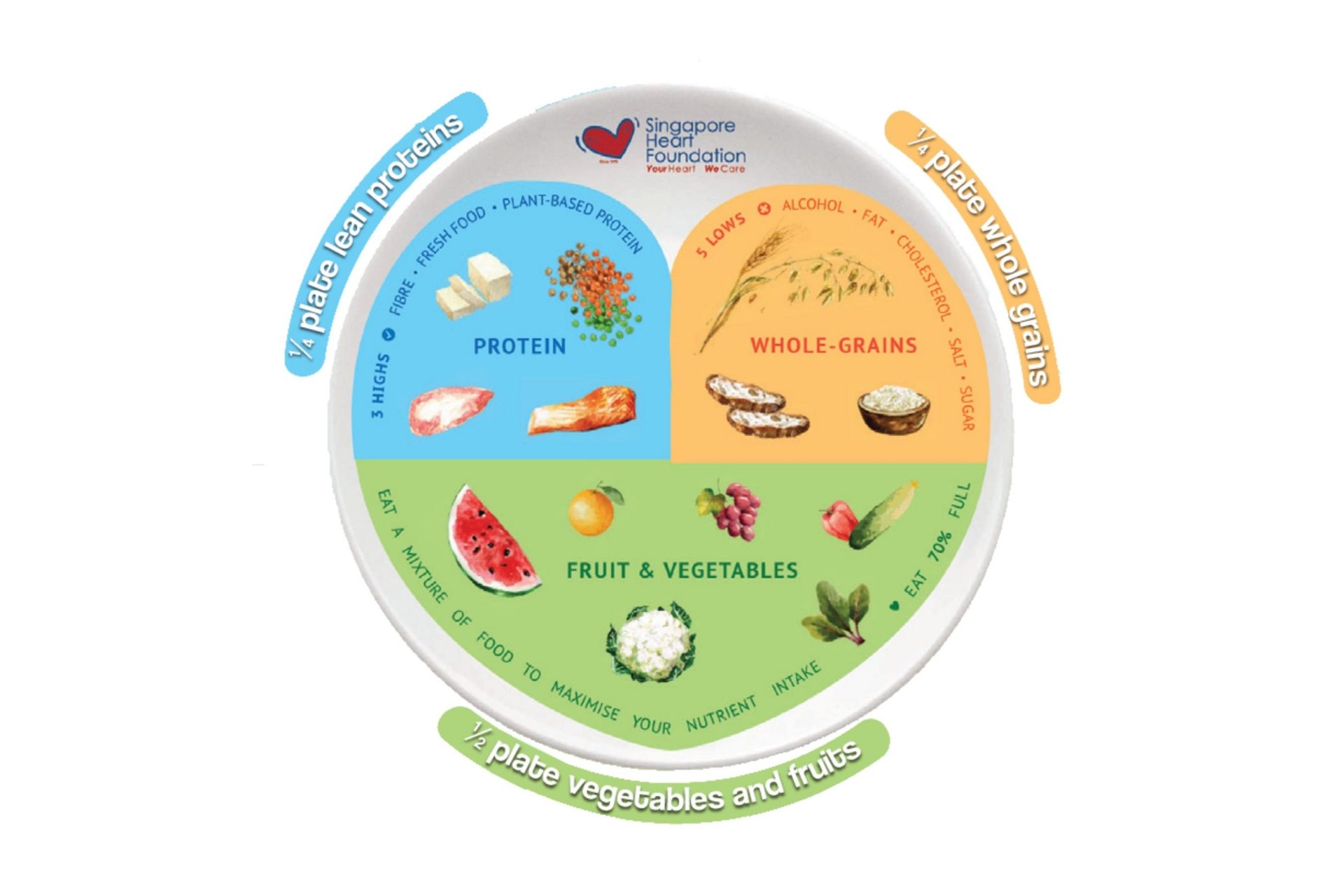
- More fruit and vegetables (1/2 plate), whole-grains (1/4 plate), lean proteins (1/4 plate), and good fats
- Less refined grains, added sugar, fatty, processed meats and bad fats
- Adopt the Dietary Approaches to Stop Hypertension (DASH) diet
Reduce salt intake
- Use herbs and spices to flavour your food instead of salt and sauces.
- When eating out, consume less gravy, sauces and soup.
Regular physical activity
- 7 – 18 years old: At least 60 minutes of moderate to vigorous-intensity physical activity every day
- Adults: 150 – 300 minutes of moderate-intensity aerobics physical activity every week
Manage stress
- Adopt activities like meditation, deep breathing, or massage
- Get adequate sleep
Go for regular check-ups
- Regular blood pressure measurement allows early detection of elevated readings before complications develop. Routine monitoring helps individuals track changes over time, assess the effectiveness of lifestyle modifications and seek timely medical advice when needed. Early intervention plays a key role in reducing the long-term risk of heart diseases, stroke and kidney damage.
Monitor your blood pressure regularly
- Keep a log and take it to your doctor’s appointments
- For people with diabetes, chronic kidney disease, or a prior heart attack or stroke, BP must be maintained below 130/85mmHg as even marginally higher pressure will increase your risk of developing complications. Patients should consult their doctor on their specific goals.
Take medication as prescribed
Medication may be necessary for patients who do not respond to lifestyle changes. Examples of blood pressure medications used to control high blood pressure are:
- ACE inhibitors
- Angiotensin receptor blockers (ARBs)
- Calcium-channel blockers
- Diuretics
- Alpha-blockers (Doxazocin)
- Beta-blockers
Disclaimer: This listing is for information only and is not meant to substitute direct medical advice from your doctor or clinician.
Conclusion
High blood pressure is a chronic condition that will stay for life and lead to serious health problems. However, it is not deadly if it is well-managed and discovered early.
Avoid a hypertensive crisis by making simple lifestyle changes in your diet and adopting an exercise regime. It is never too late to manage high blood pressure. So gather your friends and family now and take the first step to make a heart difference in your lifestyle.
Frequently Asked Questions
What are the early signs and symptoms of high blood pressure?
High blood pressure often has no early warning signs, which is why it is frequently undiagnosed. When symptoms do occur, they may include headaches, dizziness or blurred vision, usually when blood pressure is significantly elevated.
What are common high blood pressure symptoms to look out for?
Symptoms may include chest pain, shortness of breath, nosebleed and visual disturbances. These symptoms are more likely to appear when blood pressure remains uncontrolled over a long period.
What is hypertension, and how is it diagnosed?
Hypertension is a condition where blood pressure remains consistently above normal levels over time. It is diagnosed through repeated blood pressure measurements taken on separate occasions by a healthcare professional or through validated home monitoring.
What causes high blood pressure in adults?
High blood pressure can be caused by factors such as ageing, genetics, poor diet, lack of physical activity, stress, excess weight, smoking and certain medical conditions. Often, multiple factors work together to raise blood pressure levels.
Can high blood pressure be prevented?
Yes, high blood pressure can often be prevented or delayed through healthy lifestyle choices such as regular exercise, balanced nutrition, weight management, stress management and routine health screenings.
Can high blood pressure be cured?
For most people, high blood pressure is a long-term condition that cannot be permanently cured. However, it can often be managed through a combination of healthy lifestyle habits and, when necessary, medication.
Can high blood pressure cause dizziness?
High blood pressure itself does not usually cause dizziness, especially in its early stages. However, dizziness or light-headedness may occur when blood pressure becomes severely elevated or if complications develop.
What is a hypertensive crisis?
A hypertensive crisis is a medical emergency in which blood pressure reaches 180/120 mmHg or higher. This level of blood pressure can rapidly damage vital organs such as the heart, brain, kidneys, or eyes. If a blood pressure reading remains at or above this level after a repeat measurement, especially if it is accompanied by symptoms such as severe headache, chest pain, shortness of breath, vision changes, difficulty speaking, numbness, seizures, or confusion, seek emergency medical care immediately.
Does stress cause high blood pressure?
Yes, stress can cause temporary increases in blood pressure by triggering the release of hormones that make the heart beat faster and narrow the blood vessels. While stress alone is not considered a direct cause of chronic hypertension, ongoing stress may contribute to long-term risk by encouraging unhealthy habits such as poor diet, physical inactivity, smoking, excessive alcohol consumption, or inadequate sleep.