|
Self-monitoring After A Heart Attack

Do you know that 1-2 in 10 patients may experience a second heart attack each year?
After a first heart attack, a patient is unfortunately at an increased risk of another heart attack throughout his or her life. The risk of a second heart attack is very real. It is often more severe, with 10-15% of patients experiencing twice the likelihood of death and heart failure.
A common scenario encountered in Singapore is where patients feel well a year or two after their first heart attack and decide to stop all their medications – only for them to come to the hospital with a massive second heart attack.
Who are more likely to get a second heart attack?
Those who:
- Do not take their medications regularly
- Carry on smoking
- Persist with a diet high in fat, cholesterol or carbohydrates
- Lead a sedentary lifestyle
As such, it is important to take your medications regularly, quit smoking, adopt a healthy diet and exercise regularly!
Symptoms to watch for
It is crucial for all heart attack patients to learn to identify the signs and symptoms of a heart attack. Early recognition of these signs and symptoms enables one to seek medical attention earlier; it could potentially save your life!
A heart attack is caused by a lack of blood supply to the heart muscle. The heart, when deprived of blood supply, leads to one or more of the following symptoms:
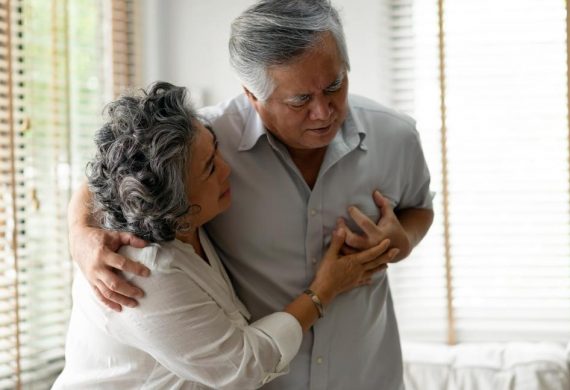
- Sensations of chest discomfort that may be described as pressure, squeezing, gripping, heaviness, tightness “inside” or “the left side” of the chest
- Breathlessness (especially sudden severe breathlessness)
- Nausea or actual vomiting
- Cold sweat
Additionally, these sensations of discomfort may:
- Occur at a vague location, often described as “hard to pin-point”
- Travel to the neck, shoulder, jaw, back, upper abdomen or either arm (and experienced numbness in these regions)
- Last minutes to hours (not seconds)
- Occur during physical exertion (e.g. physical exercise, walking) or stress (e.g. anger)
- Relieved by rest or GTN (Glyceryl Trinitrate) spray or tablet
These symptoms may be easily confused with heartburn (gastroesophageal reflux) as it shares similar symptoms with a heart attack. Occasional non-heart attack related chest discomfort may occur after recovering from your first attack. This might be due to heightened awareness or sensitivity to chest pain after the first heart attack.
What should I do?
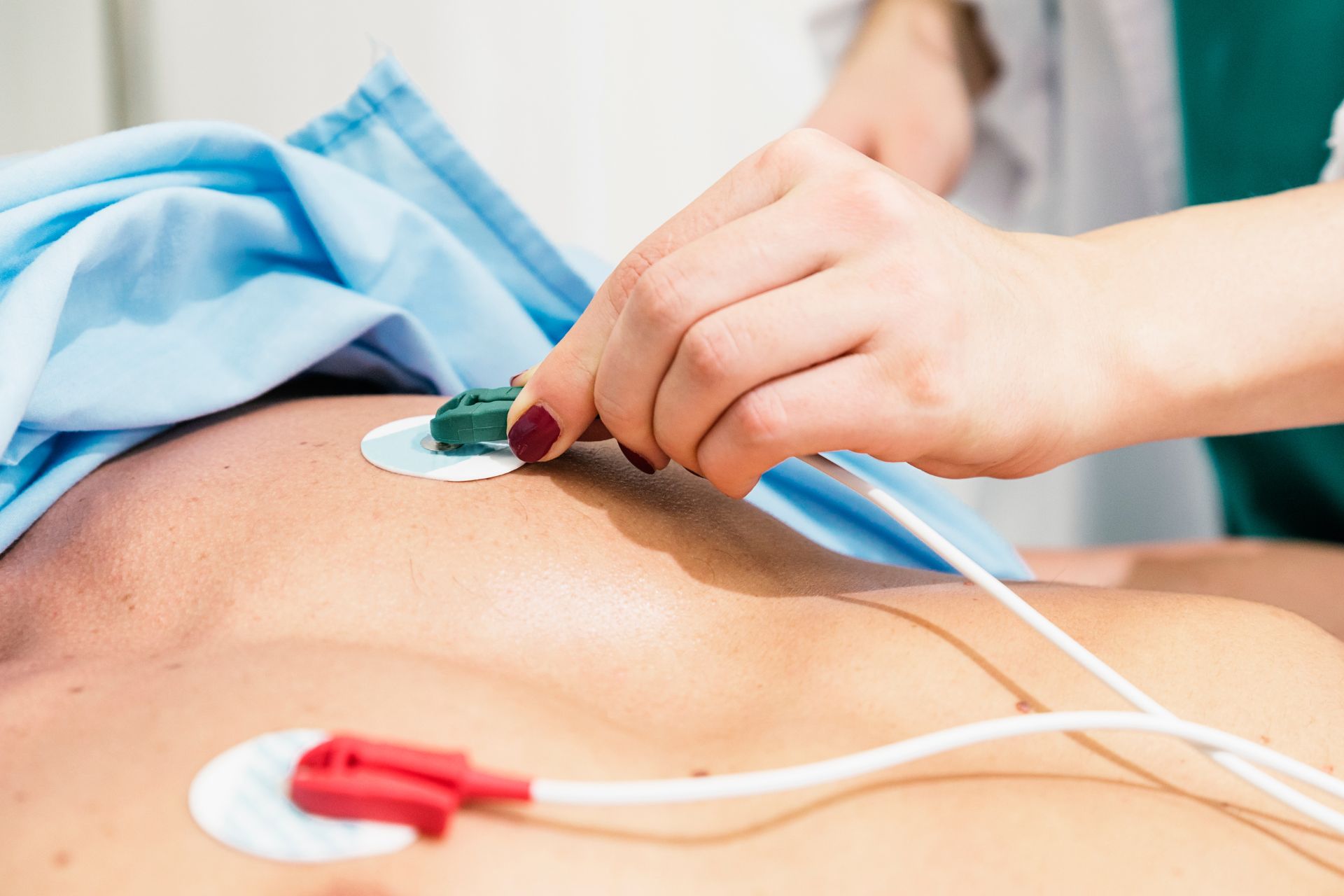
The only way to be certain if you are experiencing a heart attack would be via an ECG. This needs to be done as quickly as possible; the longer one waits, the greater the harm to your heart!
Current ECG applications on your smartwatch or smartphone cannot diagnose a heart attack. Please do not rely on them to diagnose your heart attack! Instead, head to your nearest hospital A&E for an urgent ECG immediately if you are experiencing chest pain with the features indicated above.
Article contributed by Prof Mark Chan, Associate Professor of Medicine of Yong Loo-Lin School of Medicine at National University of Singapore and Senior Consultant Cardiologist at National University Heart Centre, Singapore; and Mr Samuel Ho Shan Wei, Senior Pharmacist (Outpatient) at Khoo Teck Puat Hospital.