
|
It's Time To Pass On The Salt
“Eat less salt,” we are often told.
But not many can resist the allure of well-salted aromatic crisps.
Besides making cuisine more palatable, salt creates a better eating experience.
Flavour is enhanced, sweetness augmented and unpleasant tastes subdued.
From the time we used salt to preserve our food, we have grown accustomed to the flavour it provides.
Moreover, common table salt – sodium chloride, is ubiquitous and essential for life.
At optimal levels, it maintains the integrity of the body’s cells and ensures that they function normally.
In return, muscles can contract and relax appropriately, in particular, the pumping action of the heart.
Sodium is also necessary for the transmission of electrical impulses throughout our body and the excretory processes of the kidneys.
According to the Health Promotion Board, the average Singaporean adult consumes about 3,525mg of sodium, or 8.8g of salt daily.
The discrepancy between what we need and what we consume is believed to have arisen several thousands of years ago when salt was used to preserve food.
Throughout the millennia, consumption has changed little. The adverse impact of excessive intake was not felt until longevity improved following improvement of living standards, hygiene and advancement of medical sciences.
Not surprisingly, in cohort of more than 300,000 relatively healthy and young subjects in Britain, an increase in the excretion of sodium (which is used as a surrogate for intake) led to a corresponding rise in blood pressure, but without an increase in the occurrence of heart attack, stroke, heart failure and death.
Although not always consistent in extent, several observational studies and clinical trials have clearly demonstrated that the reduction of sodium intake was associated with lower blood pressure, particularly among hypertensive patients, and a decrease in the occurrence to adverse events, in particular, strokes.
Realising these issues, several countries have adopted low sodium intake guidelines to improve health outcomes and reduce healthcare costs.
Through a multi-pronged campaign comprising health education, food industry collaboration and labelling legislation, Finland reduced daily salt consumption from about 14g in 1972 to about 9g in 2002.
This decline resulted in a significant fall in blood pressure of 10 millimetres of mercury (mmHg) and 75 per cent to 80 per cent reduction in deaths from heart attacks and strokes.
More recently, a voluntary progressive salt reduction programme, which targets more than 85 food categories, was established in England.
The daily salt intake fell from 9.5g in 2003 to 8.1g in 2011.
Since the nature of the strategy differed from the Finnish, and the duration of the study was shorter, blood pressure fell only by 2.7mmHg.
Nonetheless, the subjects were less likely to die from stroke and heart attacks, which could also due to a reduction of cholesterol level and rate of smoking during this period.
Taken together, for every reduction of 2.5g of salt per day, the risk of dying from stroke or heart attack was lowered by about 20 per cent.
Most people know they should not eat too much salt.
But with less sodium, the food may not only become less tasty, but its structure and texture may also change.
Several countries still fall short of achieving the World Health Organization (WHO) 2025 mean population daily salt intake target of about 5g, which is about 2g of sodium.
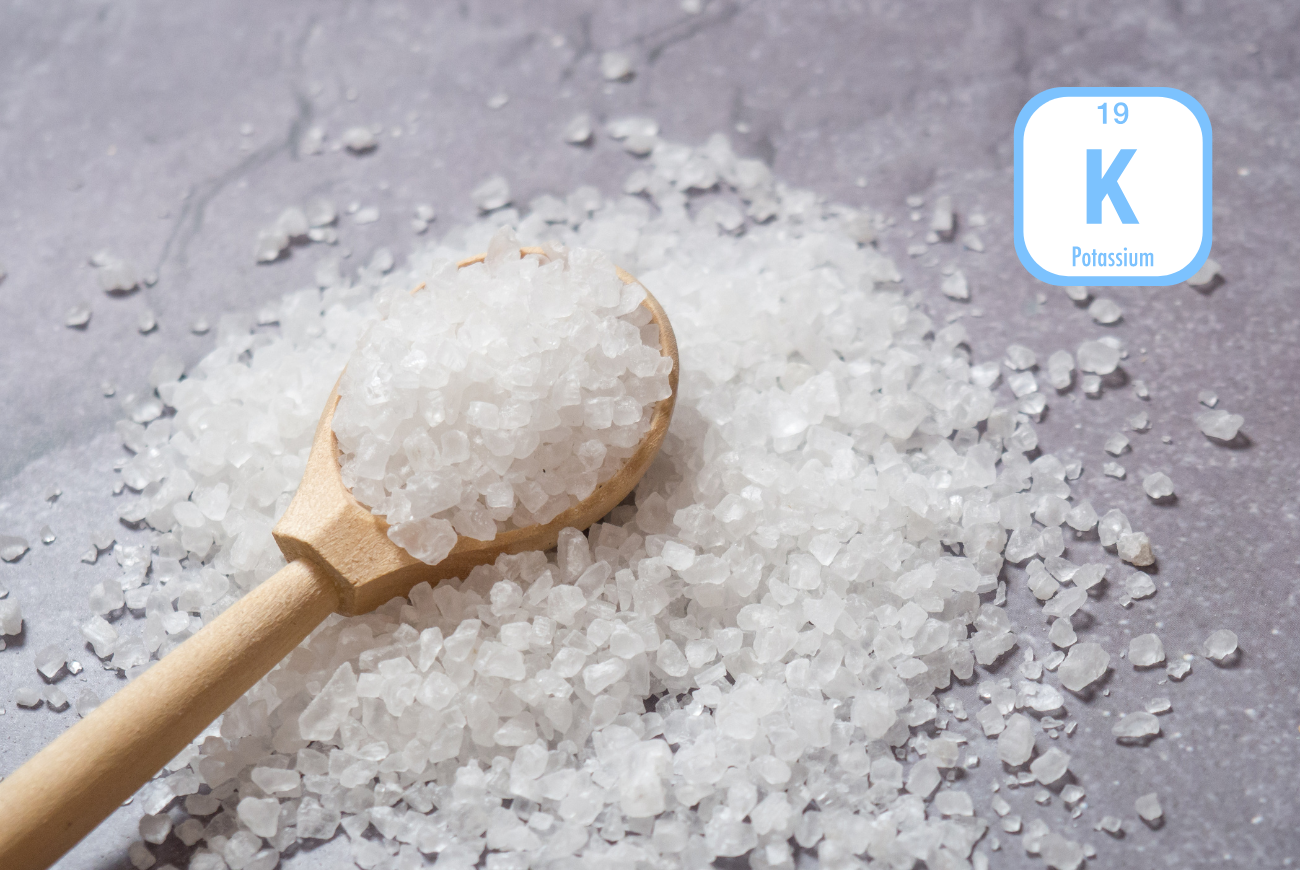
WHO also recommends that an adult consumes 3,510mg of potassium each day.
So, one approach developed to reduce sodium content in foods was to replace it with potassium.
This strategy was attractive because intake of potassium is generally believed to be low worldwide.
Lack of potassium is also associated with high blood pressure.
Due to its bitter or metallic taste, several mixtures were attempted and refined.
Eventually, the proportion of potassium was titrated with additives so that the flavour was indistinguishable from common salt.
Next came the daunting task of establishing safety and efficacy.
Several studies were conducted. Recently, a trial was performed on almost 21,000 individuals in 600 rural villages across five provinces in China over a five-year period.
The salt substitute was used in all their cooking, seasoning and food preservation.
Its use was associated with a reduction of stroke, heart attacks and death.
Investigators combined these results with findings of other trials using different amounts of salt substitutes consumed by different populations in various geographical regions.
In their review, systolic blood pressure fell by almost 5mmHg. Correspondingly, the chance of dying or suffering from a heart attack or stroke was reduced by 11 per cent.
A major concern with the use of these agents is the risk of high potassium levels in the blood. Extremely high levels can lead to abnormal heart rhythm and even death.
However, the researchers in the China study did not find the occurrence of this adverse effect higher than in those who consumed regular salt.
Others continue to caution that individuals with kidney disease, diabetes mellitus and those who take certain medicines may increase the risk of high potassium levels.
To address this issue, a small Dutch study was conducted to determine the effect of a potassium-based salt substitute among patients with chronic kidney disease.
They found that the chance of developing this side effect was low.
Nonetheless, these individuals should discuss whether it is suitable for them to use potassium-based salt substitutes with their doctor.
Information on the potential risks and benefits of salt substitutes should be disseminated widely to the public.
Potassium-based salt substitutes appear to be moving to prime time. With intensive public education, engagement of food producers and manufacturers and appropriate cautionary labelling, this strategy would be helpful in improving public health.
If you use salt in your cuisine, it is timely to reconsider what kind of salt you put on your kitchen shelf.
The writer Dr Mak Koon Hou is a board member of the Singapore Heart Foundation. He is also a cardiologist in private practice.
This article was first published on The Straits Times on 3 Oct 2022.


