|
10 Pantry Foods with Hidden Sodium
As you spend more time at home away from the crowd, are you also preparing more meals on your own? As you add that flavourful sauce into your shopping cart, do you make it a habit to check out its nutritional information panel to find out its nutrition content? Do you know how much sodium you are consuming with each dip?
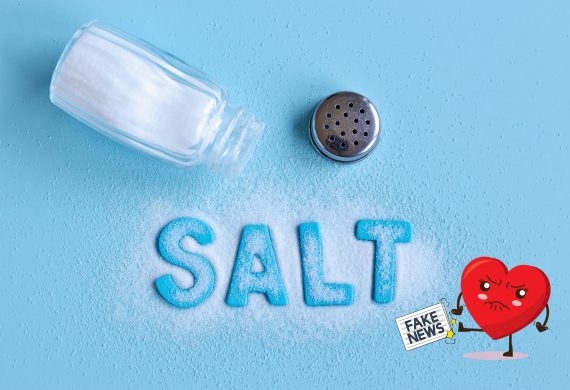
According to the National Nutrition Survey 2018, almost 90% of Singaporeans consume 9g of salt (about 1.5 tsp) per day. This is equivalent to 3,600mg of sodium, which exceeds close to double the recommended daily sodium intake of 2,000mg (or less than 5g of salt). Seasonings, salt and sauces added during food preparation contributed 75% of salt to our diet. Exceeding the recommended daily sodium intake for a prolonged period can increase your risk of high blood pressure and cardiovascular disease.
Here is a list of food items that may not taste salty but actually contains salt and may even contribute to busting your daily sodium consumption. Do a pantry audit at home today and swap out these 10 items!
10. Ketchup (Tomato Sauce)
Sodium Content: 174mg/tbsp (~ 8.7% of the recommended daily sodium limit)
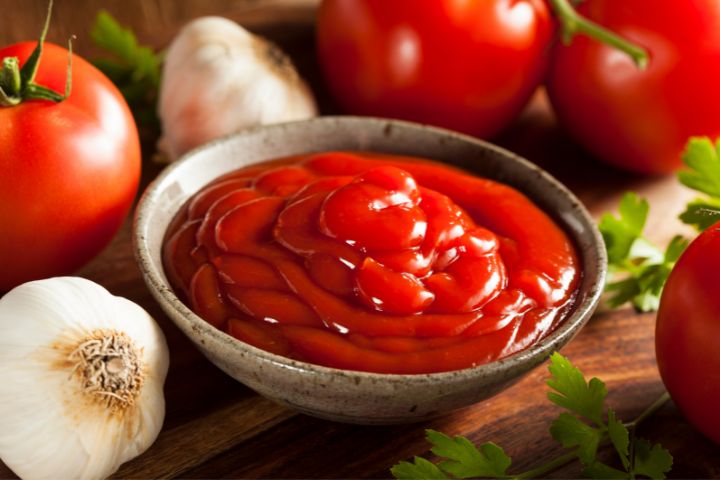
Where is the sodium?
Salt is added as a flavour enhancer, as well as a preservative to reduce microbial growth and spoilage, thus extending the product’s shelf life.
How to enjoy it?
- Opt for a quick and easy homemade tomato salsa sauce.
- When using a store-bought ketchup, be mindful and avoid excessive dipping by pouring it onto a saucer and use sparingly.
- Taste your food before adding any sauces or opt for herbs and spices to flavour your meals.
9. Vitamins and Minerals Effervescent Tablets
Sodium Content: 194 mg per tab (~10% of the recommended daily sodium limit)
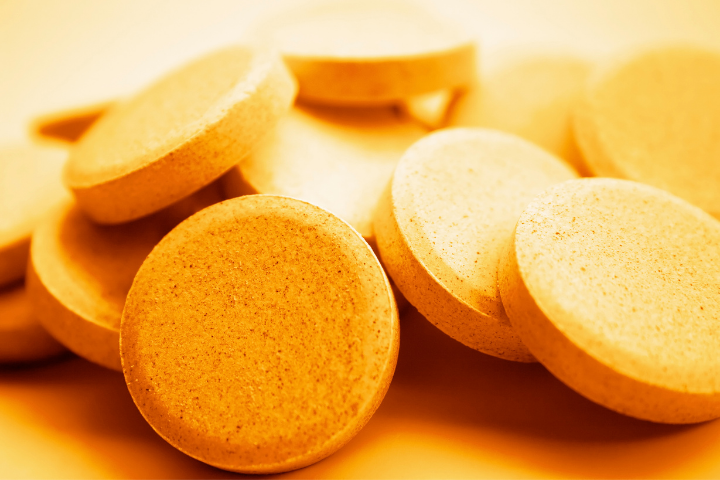
Where is the sodium?
Ingredients like sodium hydrogen carbonate are added to help these tablets dissolve in water.
How to enjoy it?
Consume 2 servings of fruit and 2 servings of vegetables per day instead. Opt for a rainbow colour of fruit and vegetables to reap the benefits of the vitamin, minerals and antioxidants.
8. Thai Chilli Sauce
Sodium Content: 204mg/tbsp (~10% of the recommended daily sodium limit)
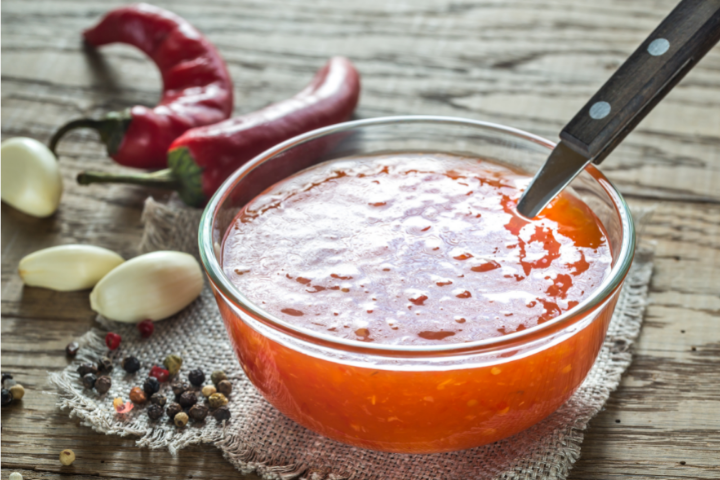
Where is the sodium?
Masked by its sweet and spicy flavour, salt is added to enhance the flavour and it also acts as a preservative to extend its shelf life.
How to enjoy it?
- Consider adding less sauce.
- Try substituting with spices like chilli flakes or fresh-cut chilli instead for that added spice.
7. Thousand Island Dressing
Sodium content: 230mg salt (1 tbsp) (~11.5% of the recommended daily sodium limit)
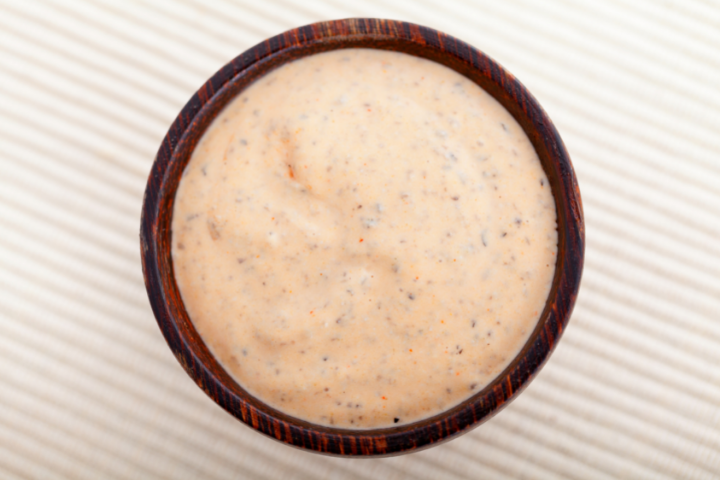
Where is the sodium?
Pickled relish, salt, tomato paste and added flavourings are added during the manufacturing process that contributes to the hidden sodium content from this relatively sweet-tasting dressing.
How to enjoy it?
- Reduce the amount of dressing used in your salad.
- Opt for fresh herbs and spices.
- Create a homemade salad dressing by mixing lemon juice, olive oil and herbs and spices.
6. Enriched White Bread
Sodium Content: 249.7mg per serving (2 slices) (~12% of the recommended daily sodium limit)
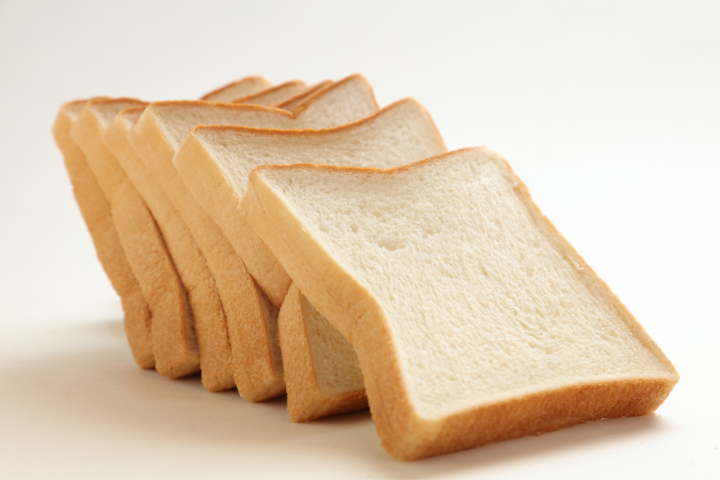
Where is the sodium?
Salt is used during the fermentation process of bread and to help create its texture. Salt is also used as a preservative to keep the bread fresh as well as to enhance its flavour.
How to enjoy it?
It is easy to overeat without being mindful, add protein (e.g. tuna in water, eggs) and pack your sandwich with a variety of salad vegetables (e.g. lettuce, tomato, cucumber, etc.) to fill you up and make it a healthy nutritious option.
5. Cereals
Sodium Content: 308mg per serving (40g/1.5cup) (~15% of the recommended daily sodium limit)
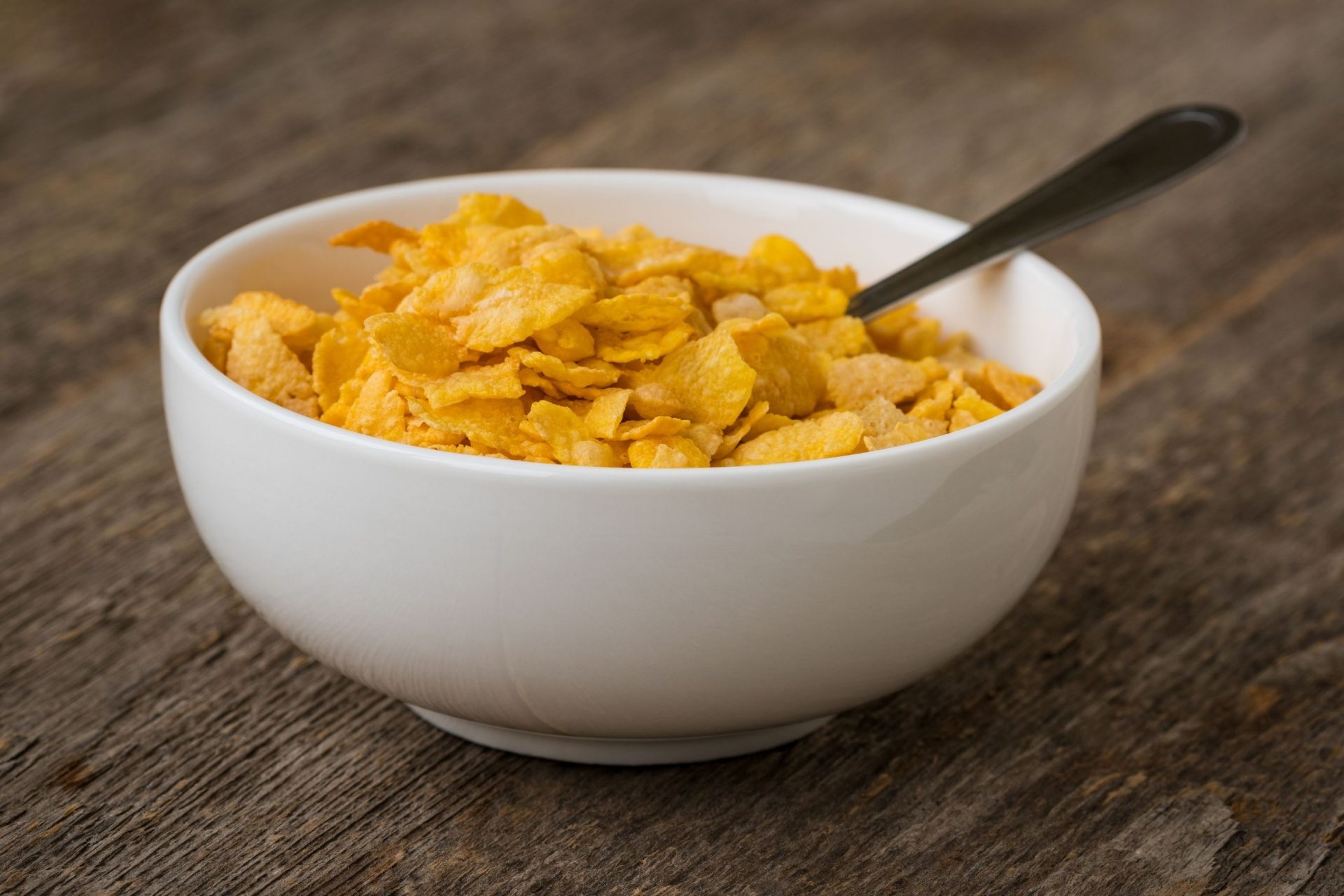
Where is the sodium?
Salt is added to enhance the flavour and as a preservative to extend its shelf life.
How to enjoy it?
- Consider unflavoured oats topped with your favourite fruit for a healthier and more nutritious whole-grain breakfast that is packed filled with nutrients.
- Look for the Healthier Choice Symbol lower in sodium when selecting cereals at the supermarket.
4. Kimchi
Sodium content: 560mg (50g) (28% of the recommended daily sodium limit)
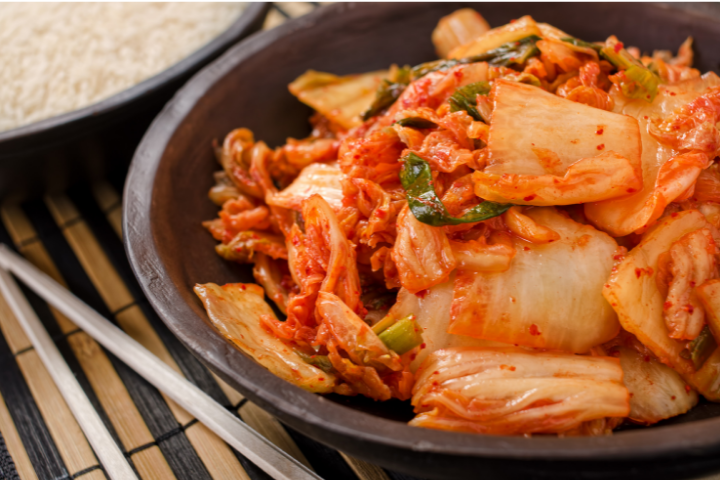
Where is the sodium?
Salt is used during the process of brining, which assists with the preservation and fermentation process of kimchi, contributing to its desirable flavour.
How to enjoy it?
- Drain away the excess brine before consumption.
- Be mindful of your portion.
3. Pickled Vegetables
Sodium content: 800mg (50g) (40% of the recommended daily sodium limit)
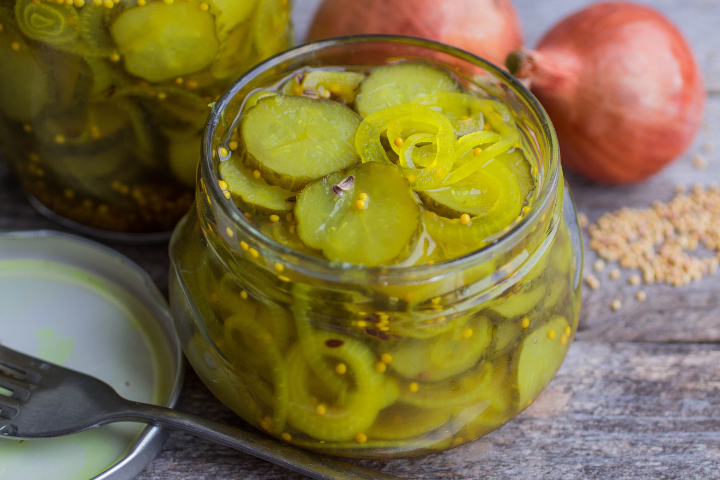
Where is the sodium?
Salt is used during the process of brining, which assist with the preservation and fermentation process, thus adding flavour and seasoning.
How to enjoy it?
- Drain away the excess brine before consumption.
- Be mindful of your portion.
2. Miso Paste
Sodium content: 840mg (1tbsp) (42% of the recommended daily sodium limit)
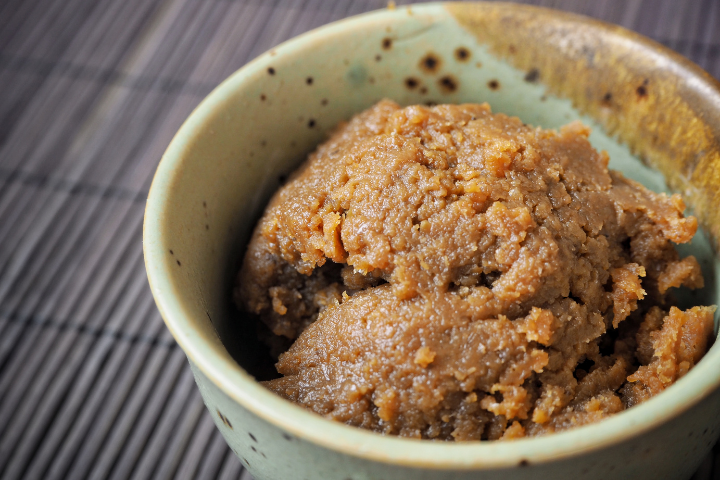
Where is the sodium?
Although made of soybean, this Japanese condiment is fermented by salt and koji (a kind of fungus).
How to enjoy it?
- Use lesser miso paste when preparing your miso soup.
- Add vegetables such as carrot, beansprout, mushroom, spring onion etc. to enhance the flavour of the soup.
- Refrain from drinking/ finishing the soup.
1. Instant Noodles
Sodium Content: 2,640mg (~132% of the recommended daily sodium limit)
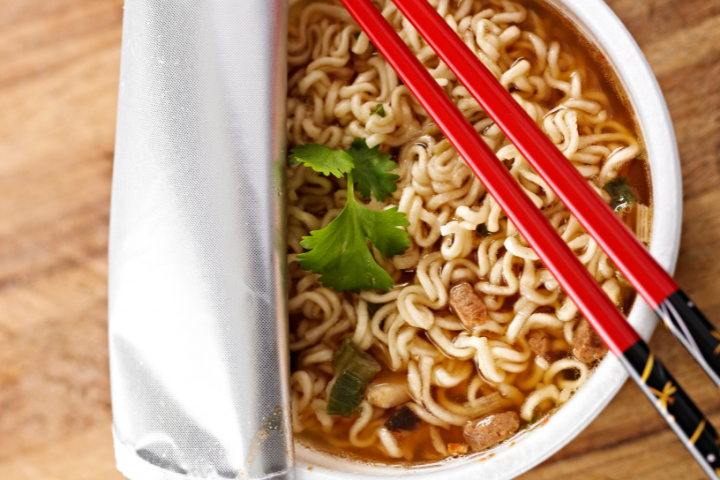
Where is the sodium?
In the seasoning, flavouring and preservatives.
How to enjoy it?
- Consume in moderation by using half of the seasoning pack and refrain from finishing the soup.
- Avoid adding seasoning and flavouring.
- Opt for instant noodles with Healthier Choice Symbol (HCS) lower in sodium.
- Flavour with your favourite vegetables and protein such as egg, tofu, lean poultry, meat or fish to make it a healthier balanced meal.