|
Understanding Blood Pressure Readings

Blood pressure refers to the force of blood pushing against the inner walls of your arteries. It varies from person to person. Even for the same individual, blood pressure may vary from time to time, for instance, when one gets angry versus when one is relaxed.
Understanding blood pressure readings is important and if measured frequently can help detect high blood pressure early and treat it before it leads to serious health problems.
What does a Blood Pressure Number Mean?
High blood pressure, also called hypertension, is a condition in which the heart has to pump harder for blood to flow through narrowed blood vessels, leading to persistently raised pressure.
Expressed as a fraction of two numbers, blood pressure is measured in millimetres of mercury (mmHg).
What is Systolic Blood Pressure?
The pressure in the arteries when the heart contracts and pumps blood to the rest of the body.
What is Diastolic Blood Pressure?
The pressure in the arteries as the heart relaxes and its chambers open, filling with blood.
Blood Pressure Levels Chart
In general, the blood pressure chart is classified as below:

How to Interpret Blood Pressure Numbers?
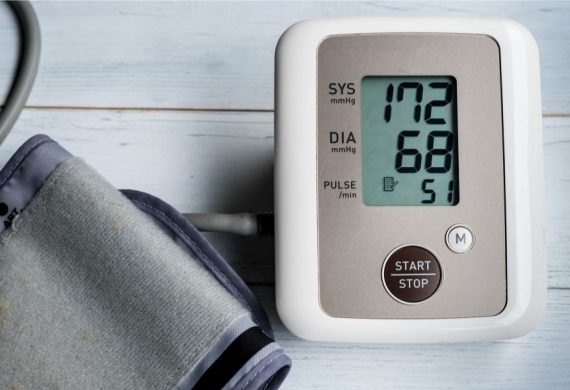
When measuring your blood pressure at home, it is important to understand what each number on the home blood pressure monitor means. The blood pressure reading is usually represented by three key metrics:
- SYS, the top number, is the systolic pressure
- DIA, the middle number, is the diastolic pressure
- PULSE, the bottom number, is the number of times your heart beats per minute during measurement

Blood Pressure Categories
Normal:
A normal blood pressure reading would be less than 130/85mmHg. At this stage, no treatment is required, but it is recommended to continue monitoring to ensure that you do not develop high blood pressure.
In a young healthy woman, normal blood pressure may vary from 90/60mmHg to 120/80mmHg.
For patients with type 2 diabetes or non-diabetic chronic kidney disease, an acceptable treatment target BP is below 140/80mmHg . However, if you have diabetes or kidney disease, you must aim to keep your blood pressure within 120/80mmHg as marginally higher blood pressure can increase your risk of developing other health problems.
Borderline High:
Individuals with borderline high blood pressure of 130/85 to 139/89mmHg are considered pre-hypertensive.
If your blood pressure is higher than 130/85 mmHg most of the time, even at rest, it is a sign to start taking precautions and follow your doctor’s advice to manage your blood pressure. Lifestyle changes are strongly recommended.
High:
If your systolic pressure is 140mmHg or more, and/or diastolic pressure is 90mmHg or more when measured on two or more occasions, you may be suffering from high blood pressure.
Note: Your blood pressure reading may vary depending on what you are doing – body position, breathing, emotional state, exercise, and sleep.
When to Check for High Blood Pressure?
The only way to get high blood pressure diagnosed is to either have a health professional check your blood pressure or monitor it using a home blood pressure monitor.
Singapore Heart Foundation advocates for people to start checking their blood pressure from 18 years old. Those above 40 years old should have their blood pressure measured regularly.
If your blood pressure is in the normal range, you should measure it at least once every 2 years. If your blood pressure is within the borderline high range, you should have an annual check.
If you are diagnosed with high blood pressure, heart disease, cerebrovascular disease, diabetes or kidney disease, you need to measure your blood pressure at least once a week to keep it in check.

If you have a family history of heart disease or have risk factors for developing the condition, it is also recommended to have your blood pressure checked twice a year. This can help detect the condition early and treat it before it becomes a problem.
What Are the Risk Factors?
- Unhealthy diet: A diet high in fat, sugar and sodium increases your risk of developing high blood pressure.
- Physical inactivity: An individual who leads an inactive lifestyle tend to have a higher heart rate. There is also a higher likelihood that this individual is obese/overweight.
- Obesity/overweight: The heavier you are, the more blood is required to supply oxygen and nutrients around your body, thus increasing the pressure on your blood vessels.
- Stress: High levels of stress can lead to elevated blood pressure and may encourage unhealthy lifestyle habits, which may lead to an increased risks of developing high blood pressure.
- Family history: Having a family member with high blood pressure before the age of 60 makes it twice as likely for you to develop the condition due to genetics.
- Age: The risk of high blood pressure increases with age. According to the National Population Health Survey 2020, prevalence of high blood pressure increases from 10% in those aged 18 to 29 years to 74.9% among those aged 70 to 74 years.
- Pre-existing medical conditions: Kidney disease, diabetes, high blood cholesterol and gestational hypertension are some of the conditions that can lead to high blood pressure.
How to Manage High Blood Pressure
Adopt a healthy lifestyle will benefit you and your loved ones! A decreased blood pressure of 10/5mmHg (either by medication or a lifestyle change) can reduce the risk of:
- Heart failure by 50%
- Stroke by 38%
- Heart attack by 15%
- Death by 10%
Lifestyle changes and medication can help lower your blood pressure and decrease the risk of associated health problems. Here are some ways to help lower blood pressure:
- Stop smoking or do not start smoking
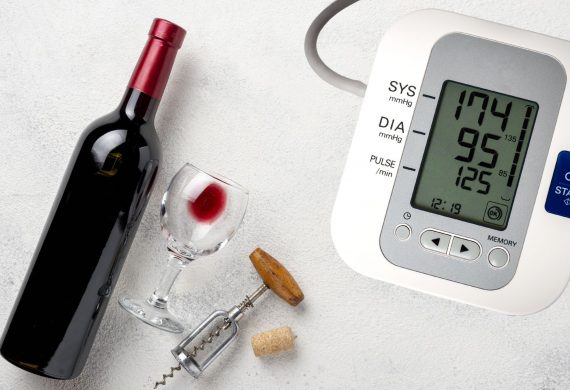
- Limit alcohol consumption: Do not consume more than 1 standard drink for women and 2 standard drinks for men per day
- 2/3 can of beer (200ml)
- A small glass of wine (100ml)
- A glass of spirit (30ml)
- Reduce your weight: Maintain a healthy BMI of 18.5 to 22.9kg/m2
- Stay active: A physically active person is approximately 30 – 50% less likely to be hypertensive and 1.5 times less likely to develop heart disease. Generally, you should aim for 150 – 300 minutes of moderate-intensity aerobic physical activity and incorporate muscle and bone strengthening activities twice per week.
- Heart healthy diet: Follow the Singapore Heart Foundation’s Heart Smart Eating Plate to get a balanced diet, maximise nutrient intake and practice portion control to prevent excessive weight gain and reap benefits for your heart.
- Manage stress
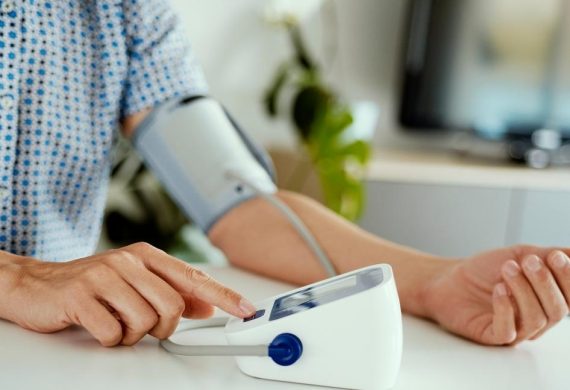
- Monitor your health: Measure your blood pressure regularly can help with the early detection of high blood pressure. Keep a log and take it to your doctor’s appointments.
- Take medication as prescribed: Your doctor may prescribe blood pressure medications, if you do not respond to lifestyle changes.
- Identify medical misinformation: Educate yourself against myths and rumours surrounding high blood pressure.
Conclusion
Understanding blood pressure numbers is the first step to identifying blood pressure early. Avoid a hypertensive crisis by making simple lifestyle changes to your diet and adopting an exercise regime. It is never too late to manage your blood pressure.
Article has been vetted by Dr Low Lip Ping, Emeritus Chairman, Singapore Heart Foundation. He is also a cardiologist in private practice.