|
Respond - How to help the trauma-informed way
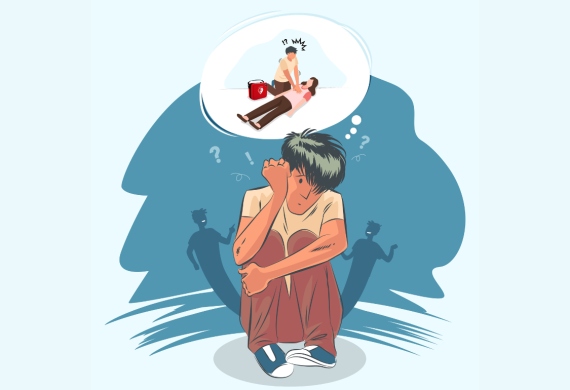
Individual trauma results from an event, series of events, or set of circumstances that is experienced by an individual as physically or emotionally harmful or life-threatening and that has lasting adverse effects on the individual’s functioning and mental, physical, social, emotional, or spiritual well-being.
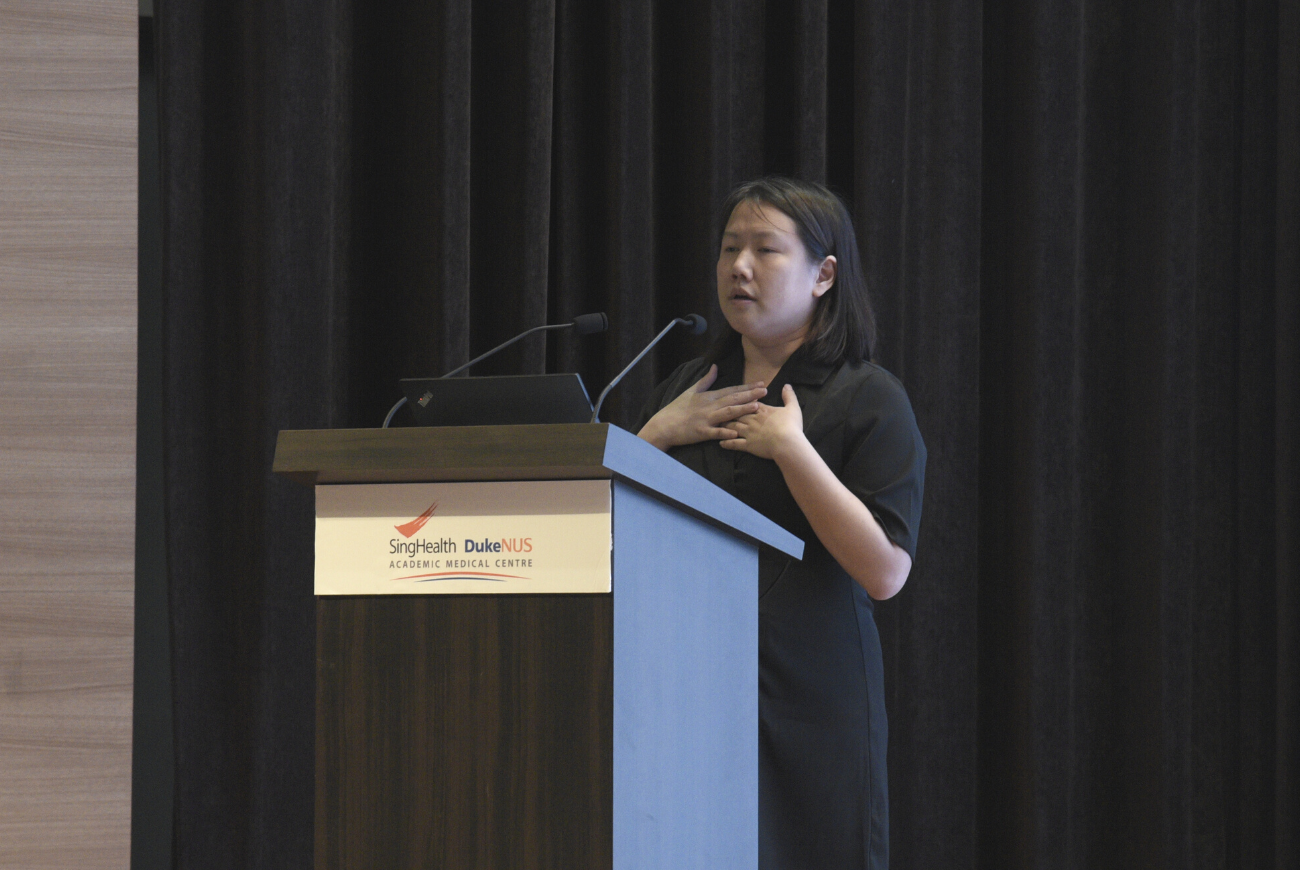
However, as shared by Ms Serene Goh, Team Lead (Outreach) from the Singapore Association for Mental Health during the National Life Saving Day 2023 Symposium organised by Singapore Heart Foundation on 15 Jan 2023, you do not need to be a therapist to respond in a therapeutic way and help someone who may be acting up due to trauma. All you need to know is how to help in a trauma-informed way.
What is trauma-informed care? It is a strength-based framework grounded in an understanding of and responsiveness to the impact of trauma, emphasising physical, emotional and psychological safety for both survivors and community first responders, and creating opportunities for survivors and a sense of control and empowerment.
While responding to a trauma, it is necessary to realise the widespread impact of trauma and understand potential paths to recovery, recognise signs and symptoms of trauma, respond by fully integrating knowledge about trauma into practice and resist re-traumatisation.
In conclusion, remember to:
- Ask the underlying questions to understand the person and his/her situation
- Spot the symptoms as they adapt to the traumatic events
- Allow healing to happen through relationships
The intention of trauma-informed care is not to treat symptoms or issues related to sexual, physical or emotional abuse or any other form of trauma but rather to provide support and service in a way that is accessible and appropriate to those who may have experienced trauma.
Watch her full presentation here: