|
Exercise with a cold or flu and the impact on the heart
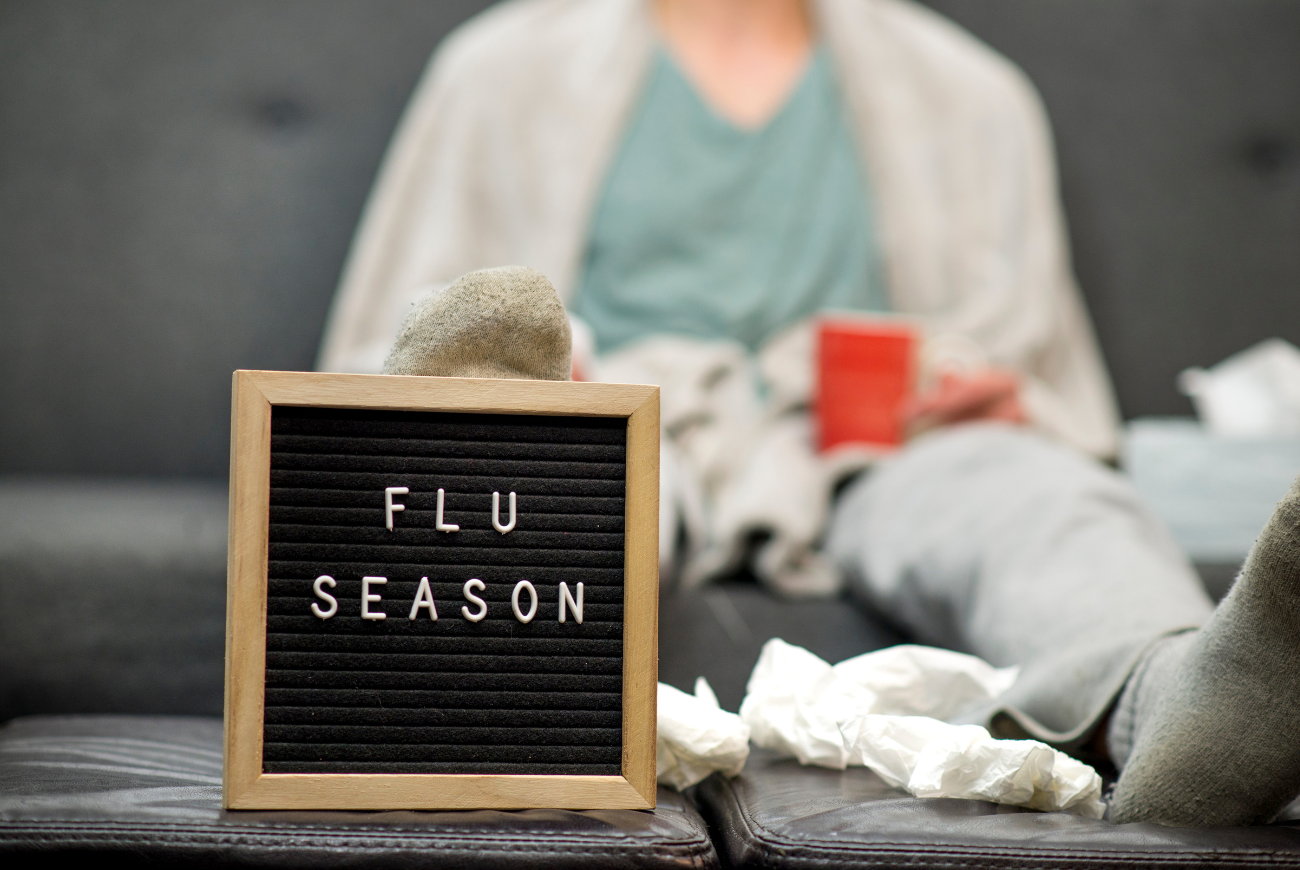
As the flu season approaches, there will be invariably some who may fall ill from the seasonal influenza or other respiratory viruses despite vaccination. COVID-19 waves also tend to occur in winter, and doctors in Singapore are seeing a rise in cases of respiratory infections over the early months of the year.
It can be frustrating to have your usual exercise regimen interrupted by a bout of illness, and the few days of rest may result in your body screaming for a good sweat it out workout. The questions however are:
- Is it safe to exercise when unwell?
- How long should I wait till I can resume exercise post illness?
Why should you not exercise when ill?
Exercise during upper respiratory illness is generally not recommended in our COVID-19 era for the following reasons:
- Public Safety
Most respiratory viruses (including COVID-19) can be spread via droplets, by contact or airborne. Hence it makes sense to avoid exercising because heading out of the house to exercise may increase the risk of spread to others. - COVID-19 is difficult to be ruled out
As we know, COVID-19 infections may be mild and testing is not always accurate, and a true infection may masquerade as a simple upper respiratory infection initially when testing is negative. COVID-19 recommendations are to refrain from exercise during symptoms, and this should probably be our approach now towards all respiratory symptoms considering how COVID-19 can be difficult to exclude. - Strenuous exercise may be dangerous during illness
Cardiologists are concerned about the risk of respiratory viruses (COVID-19 included) causing myocarditis, which is inflammation of the heart. The risk of this though low, is associated to dangerous complications. Exercise may worsen this. - Ability to regulate body temperature can be impaired
Fever is the body’s response to infection. The body retains heat by narrowing blood vessels and limiting blood flow to the extremities. Exercise generates body heat and when the body’s ability to regulate heat is impaired during illness, this may result in increased risk of heat injury.Furthermore, certain medication such as antihistamines can inhibit activation of sweat glands that result in further impaired ability to cool the body down during exercise. Dehydration during illness may exacerbate this.
However, exercise during illness is an individual’s choice and some may absolutely feel the need to exercise during illness. In such circumstance, the rule of thumb is to rule out COVID-19 and do a “neck check”. If symptoms are below the neck with symptoms such as cough, chest tightness, high temperature or aching muscles, it is best to rest instead.
When to return to exercise post illness?
COVID-19 wise, local ministry of health recommendations suggest that it may be advisable to avoid strenuous physical activity or intense exercise for up to 2 weeks after testing positive for COVID-191.
Guidance for return to exercise in non-COVID-19 patients is unfortunately less clear. Resuming physical activity 24 to 48 hours post resolution of symptoms is an acceptable norm.
How should you return to exercise post illness?
- Do not rush
After a significant duration of illness, a person’s cardiorespiratory fitness may have dipped. Avoid being too impatient in getting back to exactly where you left off in terms of exercise duration and intensity. Worse still, do not participate in “make up exercise” by extending your workouts soon after recovery to compensate. - Reduce your workout by 50% with gradual increase over 2 to 4 weeks
A graduated increase in activity level starting from 50% of your pre-illness workout volume and intensity over 2-4 weeks is regarded as a safe and recommendation by major athletic societies to prevent injury2. - Monitor yourself
Ensure that you have a normal resting heartbeat or pulse. This can be measured using Singapore Heart Foundation’s Heart Rate Calculator or by counting your pulse rate with an electronic blood pressure measuring sphygmomanometer or an oximeter. This should range from approximately 60-100 beats per minute at rest. However, well trained athletes may have a lower resting heart rate.You can also consider measuring your oxygen saturation using a pulse oximeter that has become very common over the COVID-19 pandemic. Normal values range from 95-100%.
- Listen to your body
There may be mild aftereffects post infection, e.g., airway hypersensitivity leading to airway spasm. If you feel shortness of breath to a level out of the ordinary, your body may be telling you to slow down or rest a little more. - Preferably complete your medication before resuming exercise
Some medication for respiratory tract infections may have an impact on your body during exercise. For example, antihistamines as mentioned may reduce the body’s ability to regulate temperature.Also, if you are still reliant on medication to feel well, it probably means that your body is still fighting the infection and you may not be ready to stress your body with exercise just yet.
- Adequate preparation
Ensure you are sufficiently hydrated pre-exercise, as people tend to develop dehydration during illness and fever.Have a good night sleep prior to the day of exercise.
Warm up sufficiently and choose less harsh times of the day to exercise (e.g., avoid the midday sun).
- Stop exercising and seek medical attention if you have the following symptoms:
- Chest discomfort or pain
- Exceptionally high heart rates and strong heartbeat sensation
- Fainting or giddiness to the extent of near fainting
- Extreme breathlessness
Overall, getting back to exercise after a bout of upper respiratory tract illness is important as exercise confers so many cardiovascular benefits. It is however important not to rush your body post illness in hope of returning to pre-illness levels of intensity and volume. It is prudent to adopt a graduated approach, after all, the best things come to people who wait for them. Stay safe!
Article is contributed by Clin Asst Prof Paul Lim, Consultant Cardiologist at the Heart Specialist Clinic, Visiting Consultant at the National Heart Centre Singapore. He is also a Committee Member of the Singapore Heart Foundation’s Heart Safe Committee.
References
- Metzl, J. D., McElheny, K., & Robinson, J. N. et al. (2020). Considerations for Return to Exercise Following Mild-to-Moderate COVID-19 in the Recreational Athlete. HSS Journal, 16(1). https://www.ncbi.nlm.nih.gov/pmc/articles/PMC7416806/
- Caterisano, A., Decker, D., & Snyder, B. (2019). CSCCa and NSCA Joint Consensus Guidelines for Transition Periods: Safe Return to Training Following Inactivity. Strength and Conditioning Journal, 41(3). https://journals.lww.com/nsca-scj/fulltext/2019/06000/cscca_and_nsca_joint_consensus_guidelines_for.1.aspx