|
Fend off the Flu

The seasonal influenza is one pesky bug to kick. People at high risk, such as seniors with heart conditions are vulnerable to the severe health complications flu can bring.
Nutrients in whole foods, while not omnipotent, can offer some protection when the flu season rolls around. They are critical to the growth and functioning of our immune system, and help support and prepare our bodies against viral invaders. Vitamin C is one such nutrient that is well-known for building immunity. Other essential nutrients such as vitamin A, B12, B6, D, E as well as iron, copper, folate, selenium and zinc play a part too. No single food or diet can help prevent a flu bug, but a consistent, healthy and well-balanced diet can.
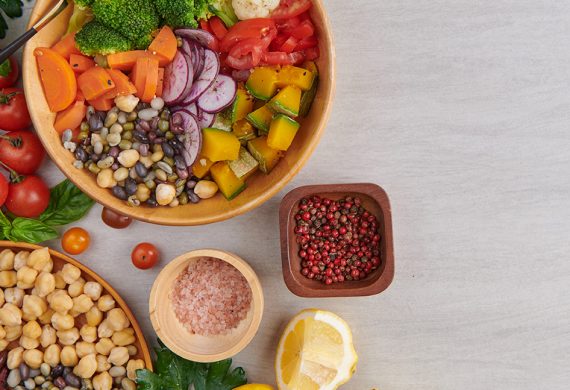
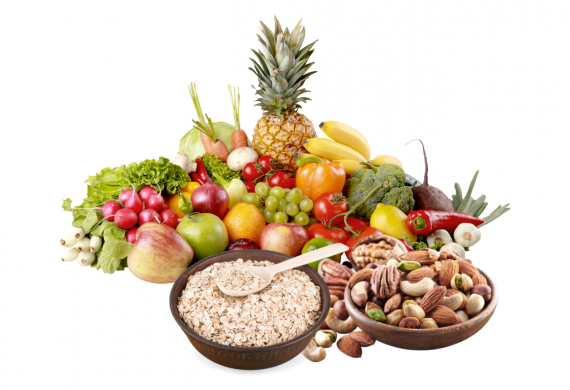
A good rule of thumb is to go for a rainbow of fruit and vegetables. Their different colours provide a spectrum of vitamin, minerals and antioxidants that support a healthy immune system.
By NATALIE YEO
Vitamin C
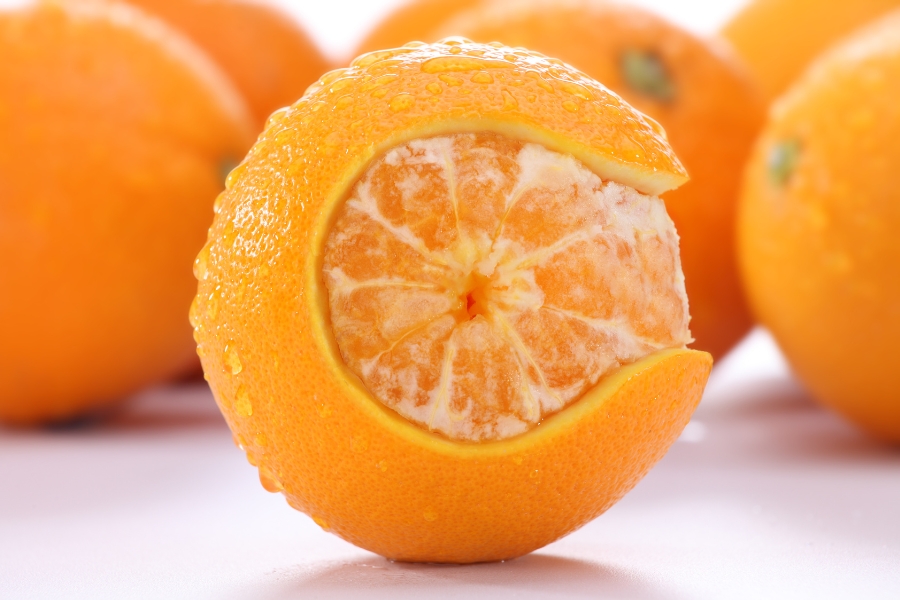
Citrus fruits, kiwi, tomatoes, strawberries, capsicum, broccoli and brussel sprouts are vitamin C-rich. Vitamin C supports many cellular functions within the immune system. It is an antioxidant that fights free radicals in our bodies and contributes to immune defence.
Vitamin A

Fruit and vegetables with yellow-orange pigments contain beta-carotene that converts into vitamin A. Vitamin A supports the body’s defence against illnesses and infections and aids in building immunity. Red, orange and yellow fruit and vegetables are high in beta-carotene. Sources of beta-carotene include red and yellow bell peppers, carrot, pumpkin and dark green leafy vegetables.
Vitamin E

Vitamin E is a fat-soluble antioxidant known to modulate immune functioning and protect our cells from free radical damage. Sufficient vitamin E is essential to maintain a healthy immune system. Foods rich in vitamin E are wheat germ, almonds, hazelnuts, sunflower seeds and vegetable oils such as sunflower, corn and soybean oil. growth and
Protein
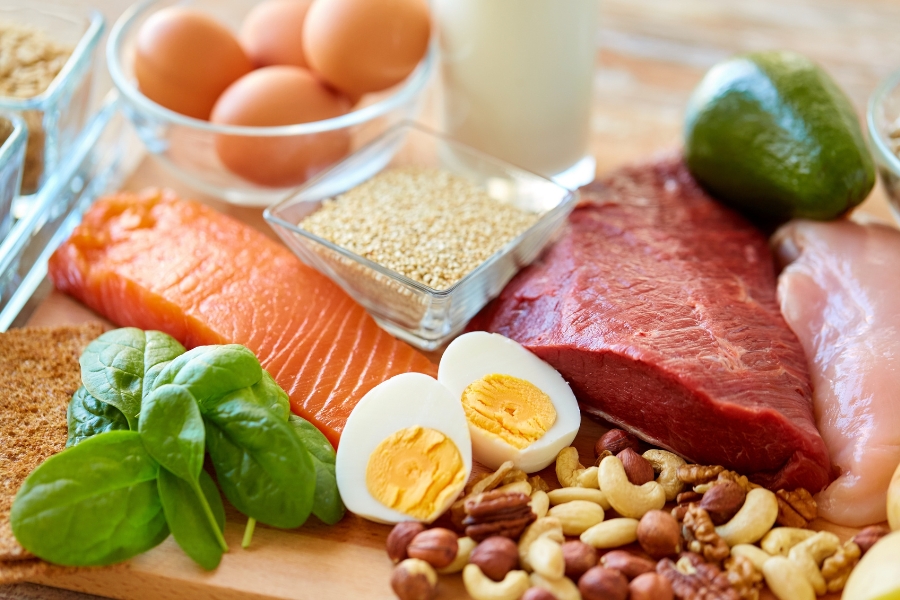
Protein is an important macronutrient for our immune system. Protein breaks down into amino acids that reassembles into antibodies that mediate immune responses. Protein can be found in lean meats, poultry, fish, eggs, beans and legumes, tofu, dairy products such as milk, yogurt and cheese. Protein sources are also filled with vitamin and minerals such as iron, vitamin B and zinc.
Zinc
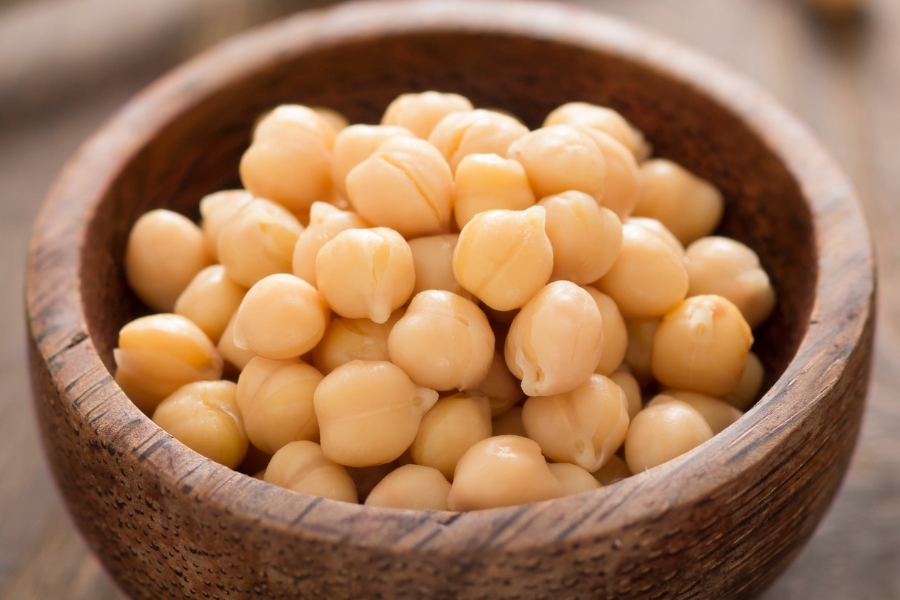
Zinc is a nutrient found in cells throughout the body. They are crucial in the development and functioning of cells and antibodies to help our immune system fight invading viruses and bacteria and heal wounds. A variety of food such as lean meat, fish, poultry, beans, whole-grains, nuts and dairy products contain zinc.