|
Hypertensive? You Could be at Risk of Atrial Fibrillation too
About 1 in 10 people aged 80 and above suffers from atrial fibrillation (AF). The condition, with risks that increase with age, is expected to affect more in Singapore due to her ageing population. Hypertension, or high blood pressure, exacerbates the problem. Not only is it a common medical condition deeply rooted in our community, but hypertension also puts a person at risk of developing AF as it perpetuates its existence and makes management of AF difficult. Get to know AF better and learn its correlation with hypertension to minimise your risk.
What is AF?
Atrial fibrillation is the most common heart rhythm disorder where the atria (upper chambers of the heart) quiver instead of pump blood to the ventricles (lower chambers of the heart). Patients with AF may experience unpredictable episodes of fast and irregular heart rhythm, feel tired more easily, and experience chest discomfort and breathlessness. These AF episodes may be transient (called paroxysmal AF) or present all the time (persistent AF).
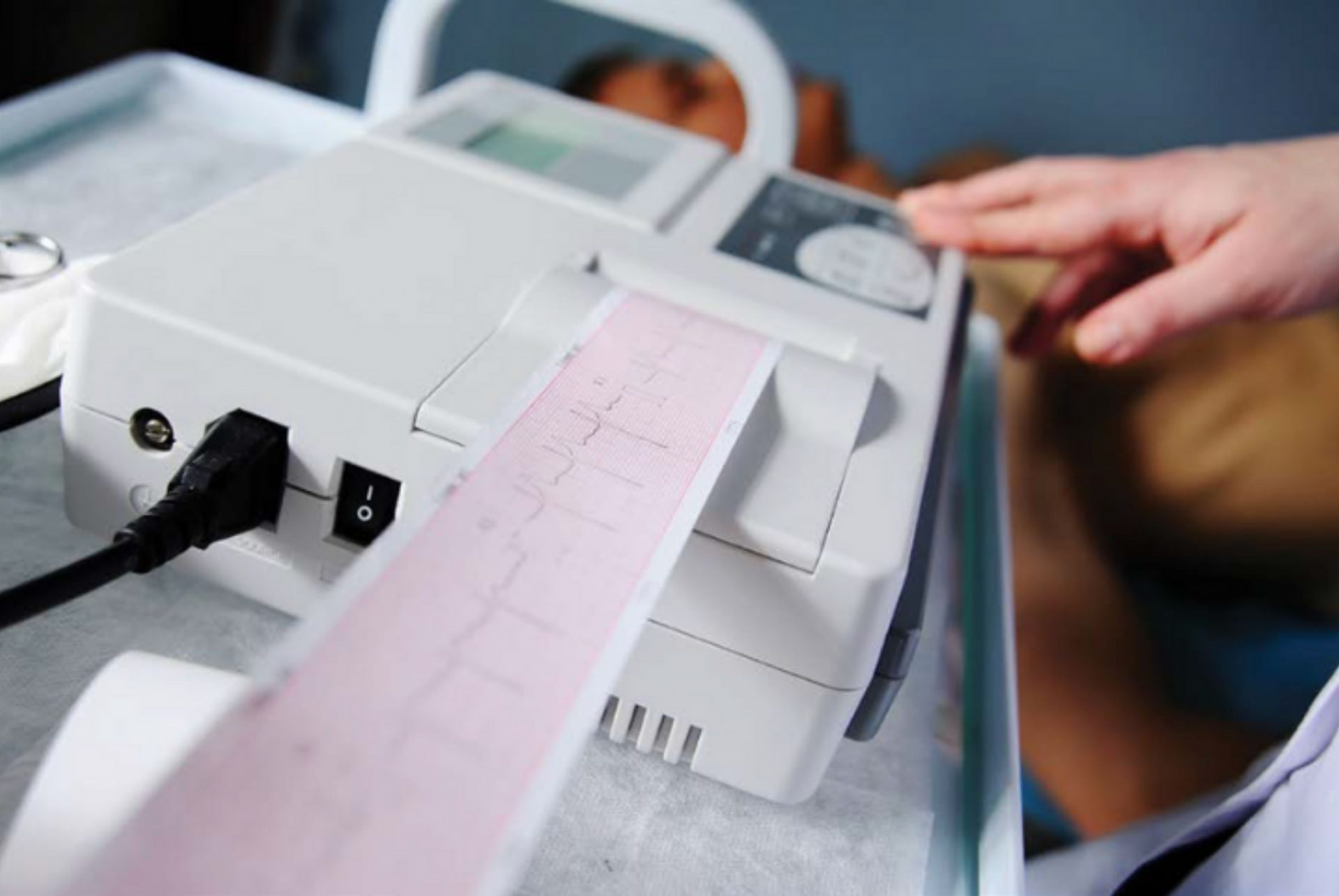
An electrocardiogram (ECG) recording is typically needed to diagnose AF. Consistent ECG recordings over several days may be required to diagnose paroxysmal AF as these AF episodes are fleeting.
Untreated AF may lead to stroke, heart failure and the slowing of heart rate leading to fainting spells.
How does hypertension lead to AF?
Hypertension and AF are significantly related. Both conditions are risk factors of stroke, heart failure and mortality. Approximately 60-80% of people with AF have concomitant hypertension.
Hypertension occurs when the blood pressure in the arteries is raised. This causes the heart to pump harder, leading to the thickening and stiffening of the heart muscles. These changes alter the blood pressure measurements within the heart chambers. The affected atrium gives rise to its chamber dilatation and changes its electrical properties. Such changes place hypertensive patients at risk of developing AF.
AF can lead to heart failure and stroke
When AF occurs, the normal heart rhythm is overtaken by the disrupted electrical circuits, causing a fast and irregular heart rhythm. The quivering atrium then slows down blood flow and this increases the chance of blood clot formation (thromboembolism).
When small pieces of blood clots are pumped out of the heart to the brain, a stroke occurs. The irregular heart rhythm also causes the heart to work less efficiently and may cause the patient to tire easily, feel breathless and even lead to heart failure.
Furthermore, hypertension activates the renin-angiotensin-aldosterone system (RAAS) in the body – a system that regulates blood pressure and fluid balance. Excessive activation of RAAS leads to inflammation and oxidative stress, which perpetuates AF and increases the risk of blood clot formation.
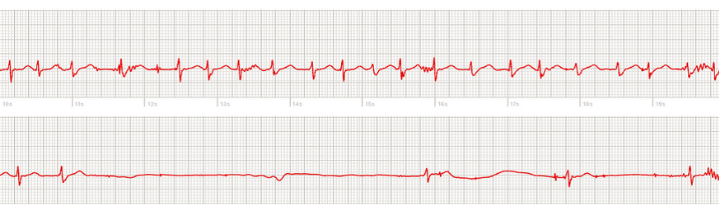 An example of an Apple Watch ECG showing atrial fibrillation.
Controlling hypertension and AF
The close link between the disease process of hypertension and AF provides opportunities to prevent AF in patients with hypertension.
- Medication
Hypertension treatment that targets the control of the RAAS by using angiotensin-converting enzyme inhibitors (ACE-Is) or angiotensin II receptor blockers (ARBs) can reduce the risk of AF. Some medications such as beta-blockers and calcium channel blockers lower blood pressure and can control the fast heart rhythms caused by AF at the same time. Potent blood thinners (anticoagulants) like apixaban, dabigatran, rivaroxaban and warfarin also reduce the risk of stroke in patients with AF. While one of the major side effects of anticoagulation is bleeding in the brain, it is reported to occur in less than 1% of patients. Hence, good blood pressure control is needed to reduce the risk of bleeding, especially in patients with uncontrolled hypertension. Some patients may be prescribed antiarrhythmic drugs (AADs) to restore regular heart rhythm. Suitable patients may undergo catheter ablation for AF as well. It is a minimally invasive procedure that utilises catheters to melt away abnormal electrical circuits in the atria, thereby restoring normal heart rhythm. - Good diet and exercise
A healthy lifestyle, with regular exercise and a low-salt and low-fat diet, reduces the occurrence of hypertension. With good blood pressure control, the risk of developing AF and its further complications can be reduced. - Health screening
If you have hypertension, AF can be picked up during screenings. This can be done during clinic consultations with pulse-taking or an ECG recording. With the advent of wearable ECG watches and devices with an ECG monitoring function, you can also keep a close eye on your heart rhythm beyond a clinic setting. Good blood pressure control continues to be of utmost importance if one develops AF in the presence of hypertension. Having hypertension and/or AF is not a death sentence. One can go on to have a productive and full life by adopting a healthy lifestyle, taking prescribed medications as instructed and having regular reviews with a doctor.
Article is contributed by Dr Teo Hooi Khee, Associate Consultant at the National Heart Centre Singapore; and Assoc Prof Ching Chi Keong, Board member of Singapore Heart Foundation, Director of Cardiac Electrophysiology and Pacing, and Senior Consultant, Department of Cardiology at the National Heart Centre Singapore.