|
Managing Atrial Fibrillation
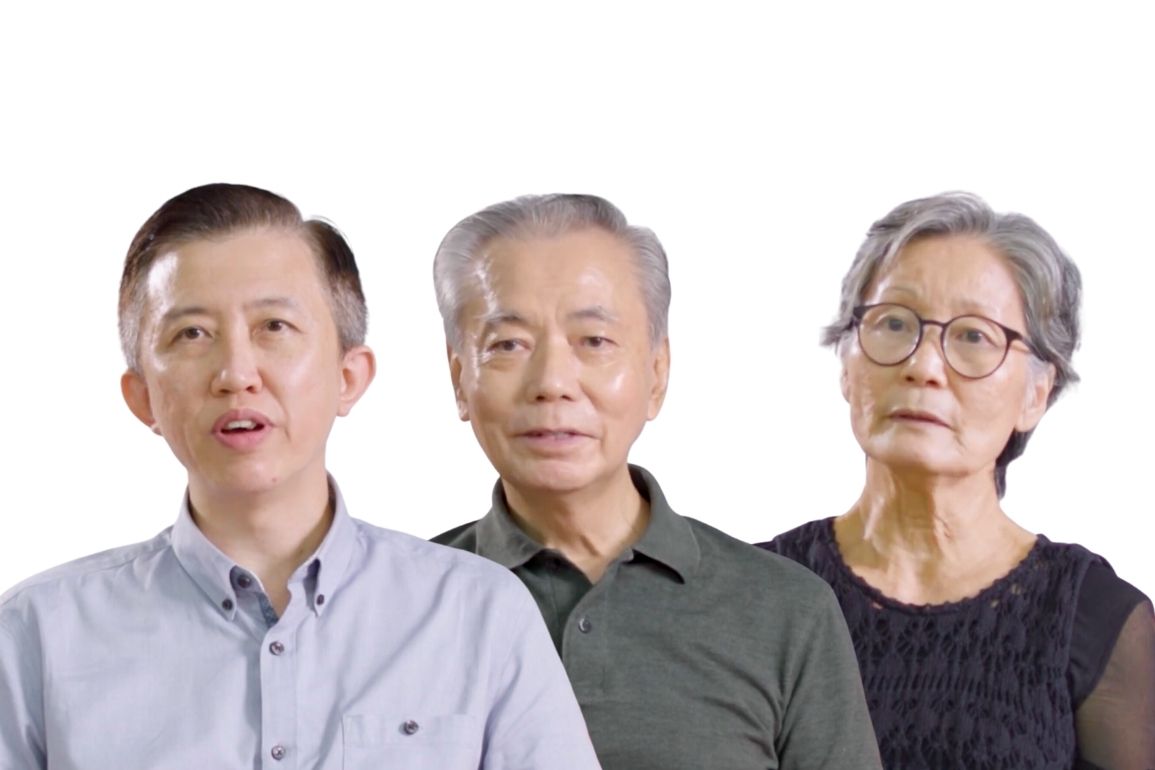
Atrial Fibrillation (AF) is the most common heart rhythm disorder and affects millions of people worldwide. The condition increases with age. It is very unusual in people under 30 years old but affects as many as 1 in 20 (e.g., 5%) people over 65 years old. AF patients Mr Edmund Tan (72), Ms Linda Lee (72) and caregiver Mr Teng Chiun How shared with heartline how they cope with a new heart rhythm.
When did you discover you/your parents have atrial fibrillation?
Mr Edmund Tan: I woke up one morning feeling that my heart was beating very fast, which made me feel very uncomfortable in the chest. When my wife felt my pulse, she felt something was not right, and sent me to the hospital immediately.
Ms Linda Lee: I was only alerted through the smartwatch, and the staff at SHF Heart Wellness Centre prompted me to seek medical attention.
E: When I was in the A&E, they arranged for me to go for a CT scan and a 2D echo test to find out the cause. From there, I was told that I have AF. As a layman, I did not know what AF was, and it felt frightening as it was something that has never happened. I was always healthy, and this came to me very suddenly.
L: I was monitored wirelessly during the hospitalisation that they found out that I had AF. During the that period, they could see that I had a fast and erratic heartbeat. However, I did not feel anything, in fact I felt very fine.
Mr Teng Chiun How: I am a caregiver to my parents, who both have AF. In my father’s case, he was diagnosed about three years ago during a polyclinic routine check-up. When the nurses realised that his heartbeat was very fast, they did an ECG and realised that he has AF. We felt a sense of relief because he was diagnosed early, and he could take the necessary precautions and medications before a stroke strikes him.
What was the reason of your/your parents’ AF?
E: During that time, my BMI was about 22.5 to 23.5, which meant I was overweight. The doctor advised for me to cut down some weight and try to maintain my BMI within the 20-21kg/m2 range (recommended BMI range is between 18.5-22.9kg/m2).
L: During the blood test, my blood vessels were clear. There were no blockages. I do not have diabetes or any cholesterol problem. In my case, the doctor could not find anything, but that it was due to old age. In the beginning, I was quite puzzled, but over time, I have learnt to accept it.
E: If I took things for granted, my AF could lead to the development of a blood clot, and if it travels to the main artery, it can lead to a stroke.
CH: In my mother’s case, there were no symptoms, till she suffered from a stroke. It has since changed her life and the family’s life.
How has the diagnosis of AF affected your life?
CH: Before her stroke, she was able to go to the market by herself around two or three times every week. She was also able to go about her social life independently. Right after the stroke, she had difficulty speaking. In fact, until today, she cannot talk at all. She has to learn how to feed herself with her non-master hand and how to swallow, thus requiring a lot of intervention from therapists, such as a speech therapist, a physiotherapist and an occupational therapist.
In the initial days, she displayed a lot of mood changes throughout the day. I remembered an occasion when she did not want to eat, and she just cried the whole day. Together with my 2 sisters, we helped her overcome some of the daily obstacles. One of the things that we did was to try to understand what she was trying to tell us each time because currently, she cannot speak at all.
L: I decided to change my lifestyle and eat more healthily. Exercise more at the gym or even at home. After coming here to exercise at the Singapore Heart Foundation gym in Bishan, I have gained confidence and can use the machines independently. I am also able to overcome and manage my pain from the advice given by the resident physiotherapist.
CH: For my father’s treatment, it was relatively simple. He sees the cardiologist once every six months, and he is given medication to help maintain or slow down his heart rate. It also consists of a blood thinner, that helps to thin his blood. The consistent consumption of blood thinners, as explained by the doctors, has helped to keep him in good shape, and prevent a stroke from happening to him. Largely, he is living life as per normal.
What is one piece of advice you would give to anyone?
L: Based on my own experience, you may not feel anything during the episode of AF. Hence, it is important for you to take control of your health. Exercise regularly, eat healthily and go for your yearly medical check-up.
E: Try to plan your work in advance to not stress yourself. But the most important thing is to sleep early when there is an opportunity, you should let your body rest.
CH: Everyone should be aware that a person with AF may have a stroke multiple times, and they should take preventive steps to minimise that from happening. That may include adhering to their medication.
I do encourage my friends around me, to learn about AF, to learn about the risk, and how to respond when we encounter a case of a stroke. Learn to spot F.A.S.T.:
 Face drooping Is the person’s smile uneven? |
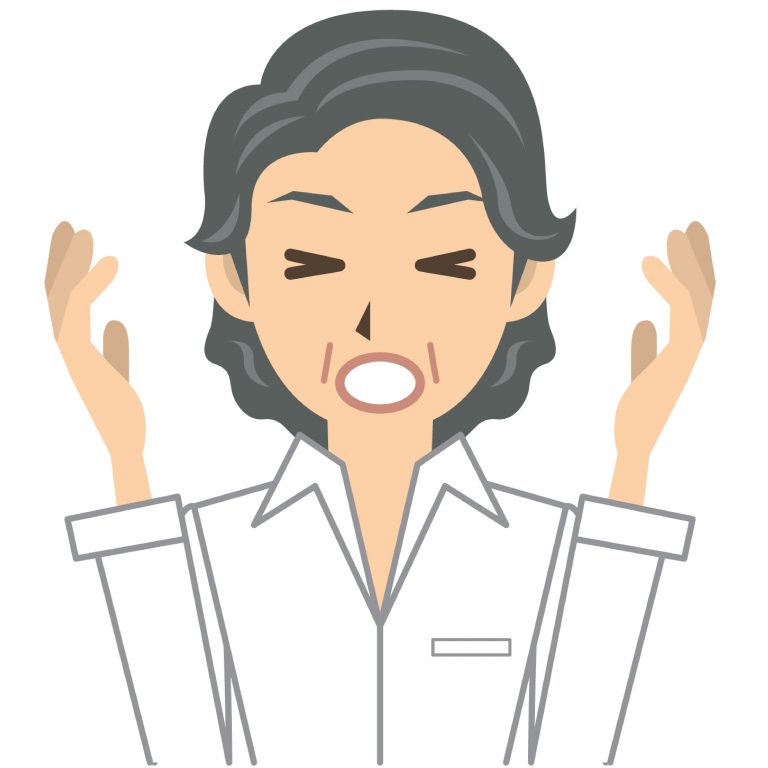 Arm weakness Can the person raise both arms and keep them up? |
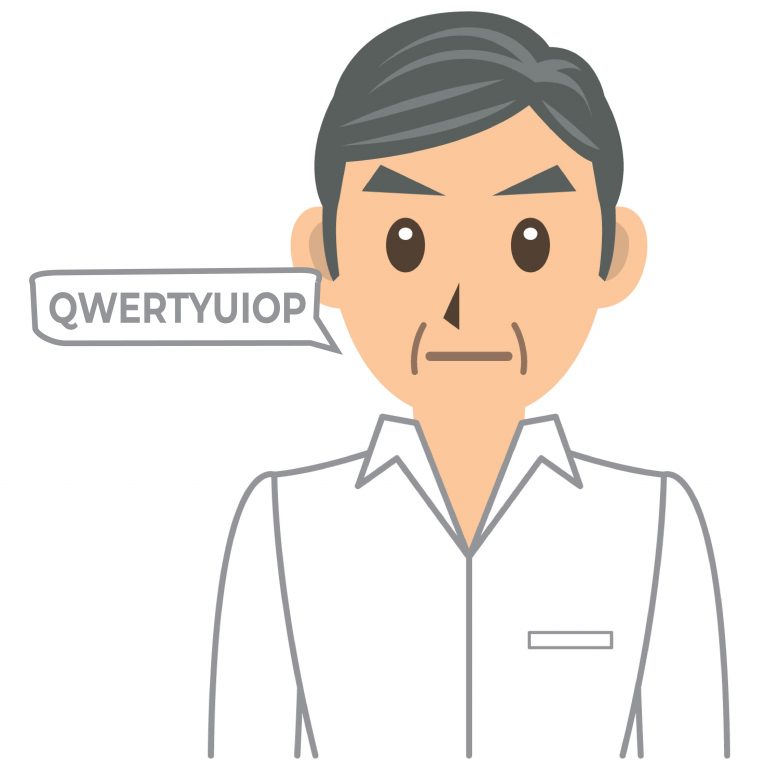 Speech difficulty Does the person’s speech sound slurred or unclear? |
 Time to call 995 If the person shows any of these signs, they need to be rushed to the hospital immediately. |
Watch the full video here: