|
HPV's Invisible War on Women's Health
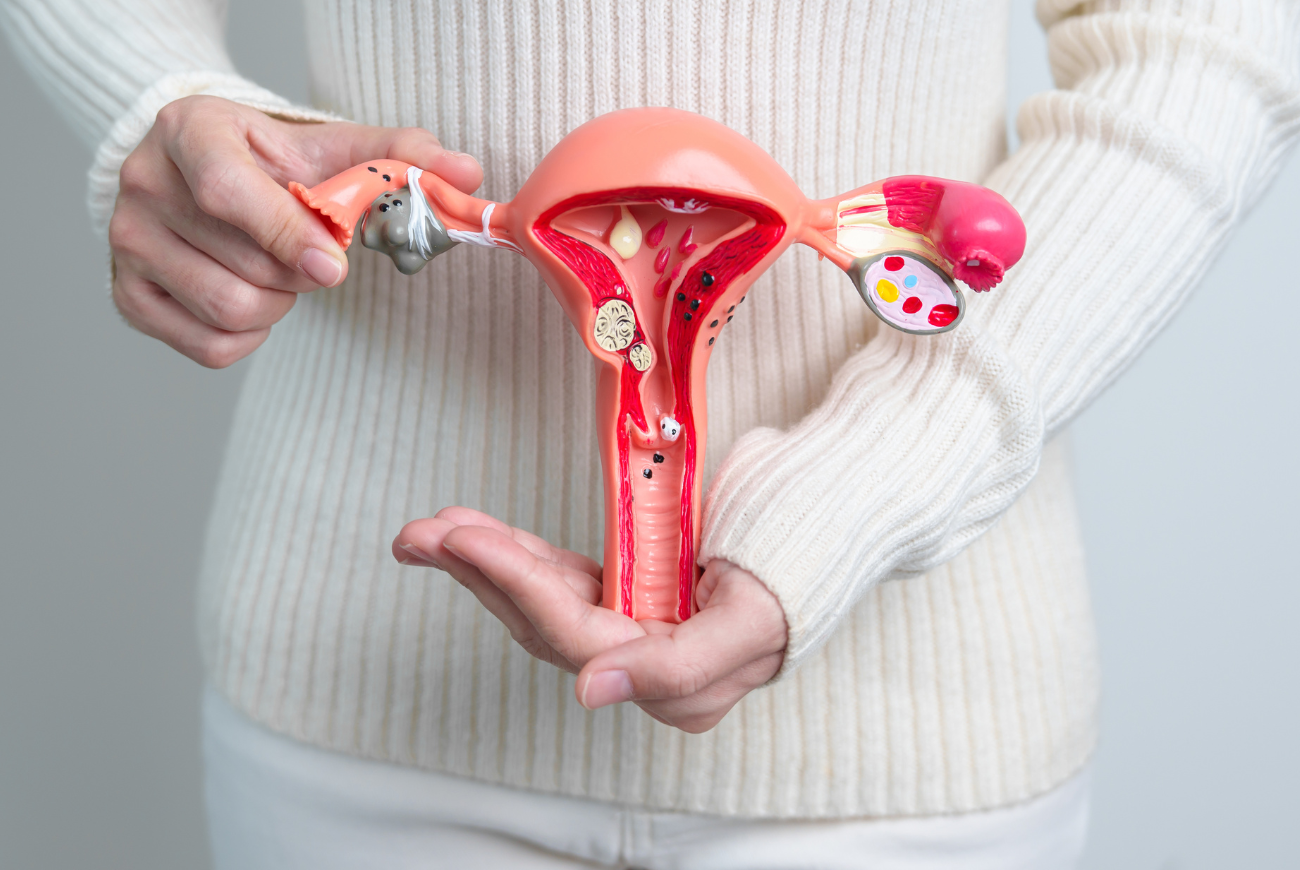
Human papillomavirus (HPV) is the leading cause of cervical cancer, affecting over 90% of cancer at the cervix, or the neck of the womb. At least 80% of sexually active women contract this common infection at least once by the age of 45. While the majority will clear this virus naturally within two years, about 10-20% face persistent high-risk HPV infection that increases the risk of precancerous lesions and cervical cancer.
Detecting of HPV: Symptoms and Tests
Cervical cancer often hides in plain sight, presenting with irregular vaginal bleeding, especially after sexual intercourse. While HPV infection and precancerous changes to the cervix happen long before cervical cancer happens, they often lack noticeable symptoms, thus making regular cervical screening crucial. In Singapore, a well-established cervical screening programme has significantly reduced cervical cancer incidence since 2000, making it the tenth most common cancer in women today. Yet, it remains the fourth commonest cancer in women aged 30 to 39 and sixth in those aged 40 to 49, highlighting the need for ongoing awareness and proactive health measures.
In Singapore, women should start cervical screening from age 25 via the traditional Papanicolaou or Pap smear every 3 years until the age of 30 when HPV testing is used instead every five years. The HPV test is performed in the same way a pap smear test is conducted. More frequent screening may be needed for women with reduced immunity or a previous history of cervical issues.
Beyond the Cervix: The Cardiovascular Connection
Some studies have shown possible associations between cardiovascular disease and HPV infection. For example, a study in South Korea published in 2019 found that women infected with “high-risk” HPV strains had a 22% higher risk of developing heart disease or suffering a stroke compared to uninfected women. This connection, however, is poorly understood and has not been well studied. While more high-quality research is needed to better understand this, the effectiveness of HPV screening in cervical cancer prevention is well-established and that remains its main role.
Guarding Against HPV
HPV vaccination is a good first step in preventing HPV infection. In Singapore, an opt-in cervical cancer vaccination programme for girls in secondary schools exists. While vaccination has demonstrated benefits up to the age of 45, it does not replace regular screening as it does not protect against all causes of cervical cancer.
Finally, timely referral to gynaecologists for further assessment in the event of a positive cervical cancer screening provides an opportunity for early intervention and treatment of precancerous changes to prevent progression to cancer.
In the pursuit of eradicating cervical cancer, countries worldwide are making strides. Taking charge of one’s health by scheduling regular cervical cancer screenings with healthcare professionals is a crucial step in this collective effort. This can easily be done at a subsidised rate by booking an appointment at your nearby polyclinic using the HealthHub app or by meeting with general practitioners offering women’s health screening or gynaecologists. Through this, as well as other preventive steps such as risk factor reduction and HPV vaccination, we can empower women towards a healthier future.
Article is contributed by Dr Kanneganti Abhiram, Associate Consultant, Division of Gynaecologic Oncology, Department of Obstetrics & Gynaecology at the National University Hospital.