|
When A Mother's Heart Bears More: Understanding Maternal Depression
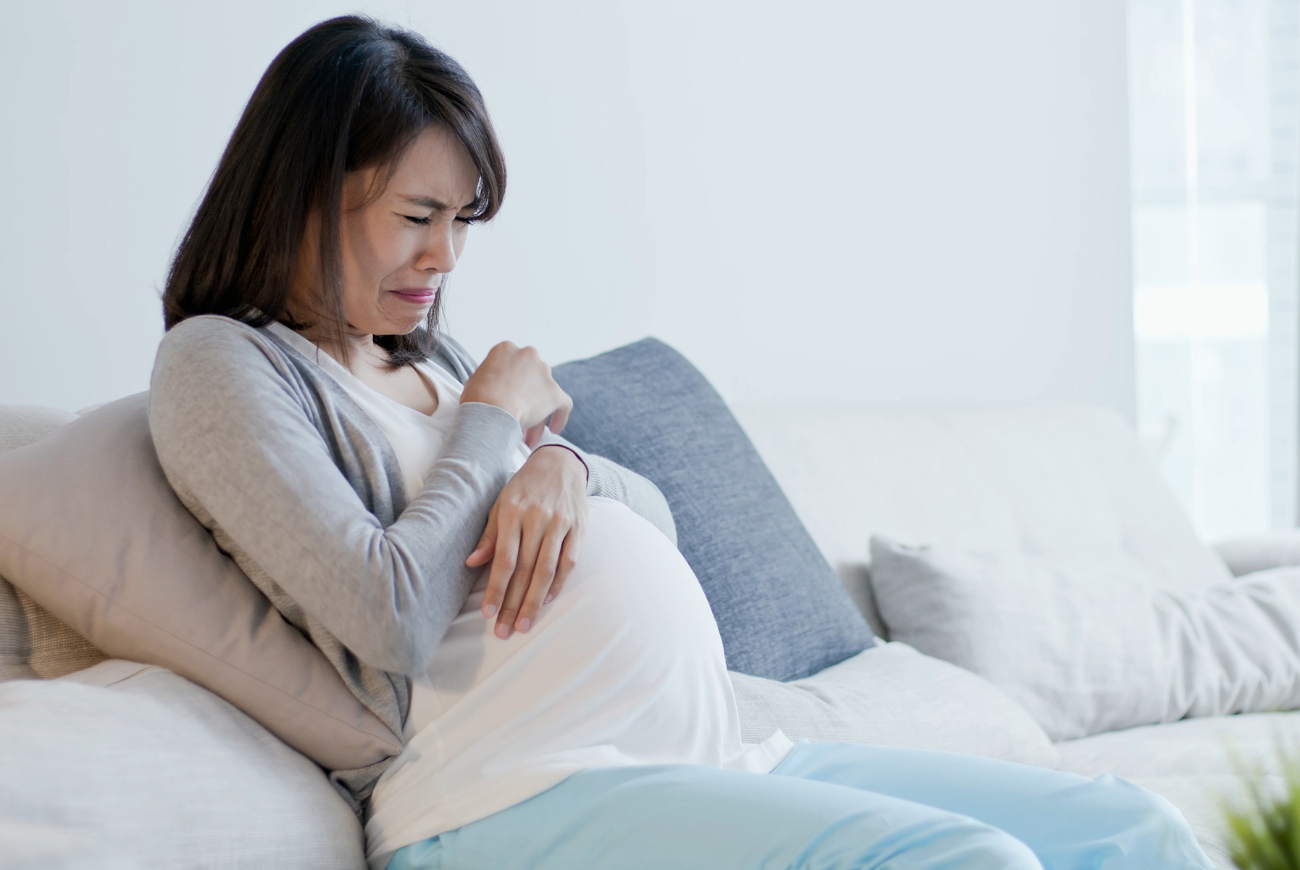
Embarking on the journey of parenthood is a profound experience, yet it’s essential to acknowledge the silent struggles that accompany the joy of welcoming new life – perinatal and postpartum depression. Addressing maternal depression is not only crucial for the mental well-being of the mother, but also essential in protecting against an increased risk of cardiovascular complications.
What is perinatal depression?
Perinatal depression refers to depression that occurs during pregnancy (prenatal) and in the weeks after childbirth (postpartum), and occurs in around 7-10% of pregnant women in Singapore.
What is postpartum depression?
After giving birth, it is not uncommon to experience behavioural and emotional changes known as “postpartum blues”. Postpartum blues are experienced by up to 80% of women. While postpartum blues are self-limiting and resolve within 2 weeks after delivery, postpartum depression persists beyond this period.
Even though the exact cause of postpartum depression is complex and unknown, several risk factors exist. These include:
- Personal history of postpartum depression or body image issues
- Family history of depressive illness
- Lack of social support or relationship struggles
- Unwanted or unplanned pregnancy
- Conceiving through Assisted Reproductive Techniques such as In-vitro Fertilisation (IVF)
- Severe nausea and vomiting in pregnancy (Hyperemesis gravidarum)
- Traumatic delivery or post delivery events: stillbirth, preterm births, complicated deliveries, infant death
What are the symptoms of perinatal and postpartum depression and how do you get diagnosed?
If the screening questions pick up on perinatal or postpartum depression, the mother would be referred to a psychiatrist for a formal diagnosis of postpartum depression. The Edinburgh Postnatal Depression Scale (EPDS) is the most used instrument to screen for depression in postpartum women. A score of 14 or more indicates moderate to severe depression. Questions include how often one feels sad and whether one has lost interest in activities.
The diagnosis of depression in the postnatal period is no different from when one is not pregnant.
Symptoms of a depressive episode include
- Depressed or low mood
- Loss of interest
- Reduction in energy
- Loss of confidence or self-esteem
- Change in appetite and weight
- Sleep disturbance
- Feelings of worthlessness or inappropriate guilt
- Diminished ability to think/concentrate or indecisiveness
- Change in psychomotor activity
- Thoughts of death and suicide
If you or someone you know is exhibiting signs of perinatal depression, make an appointment to speak with a doctor.
How are the conditions associated with cardiovascular disease?
Depression and other mental health conditions have been linked to an increased risk of cardiovascular disease (CVD). The link between depression and CVD is complex; depression can be both a cause and a consequence of CVD. Depression can cause numerous changes in your body such as increasing inflammation, increasing heart rate and blood pressure, which increases the risk of heart disease. These include increasing inflammation, the “stickiness of platelets”, affecting your involuntary nerves that can increase heart rate and blood pressure. People who are depressed may also be less active, have a poor diet, be reluctant to take medication and engage in unhealthy habits such as smoking that increases risks of heart disease.
Pregnant patients suffering from perinatal depression can have an increased risk of developing CVD as early as two years post pregnancy. These include increased risks of developing:
- Ischemic heart disease (issues caused by poor blood flow to the heart usually from narrowing of blood vessels)
- Abnormal heart rhythms and cardiac arrest
- Cardiomyopathy (poor heart function)
- High blood pressure
Treatment for prenatal/postpartum depression
Early detection and treatment are essential for mother and baby. Treatments offered are:
- Cognitive behavioural therapy
- Interpersonal therapy
- Anti-depressants (in some cases)
There are antidepressants available that are safe for both the mother and baby, but it’s crucial to discuss them with your medical practitioner.
Thankfully, women who seek treatment for postpartum depression are expected to recover completely.
Tips for mums with postpartum depression
- Seek help from a therapist early.
- Include exercise and outdoor activities in your routine.
- Join a support group for postpartum depression.
- Do not isolate yourself. Confide in your partner and continue to meet up with friends.
- Make time to eat regular meals.
- Prioritise self care: rest and do things you may enjoy.
- Share the burden in taking care of your child and household chores.
Perinatal and postpartum depression are common. It is important to understand that it is not your fault and you are not a bad parent. The onset of perinatal and/or postnatal depression is beyond your control. If you know someone or you yourself are experiencing these symptoms, make an appointment or inform your GP or obstetrician to consider psychiatric review.
You may also consider approaching the following helplines:
Institute of Mental Health’s Mental Health Helpline: 6389 2222 (24 hours)
Samaritans of Singapore: 1800 221 4444 (24 hours) /1767 (24 hours)
Singapore Association for Mental Health: 1800 283 7019
Article is contributed by Dr Jeanne Ong, Consultant at the Division of Cardiology, Department of Medicine in Ng Teng Fong General Hospital and Consultant at the Department of Cardiology in the National University Heart Centre, Singapore; and Dr Judith Ong, Associate Consultant at the Division of Reproductive Endocrinology and Infertility, Department of Obstetrics and Gynaecology in the National University Hospital and Associate Consultant at the NuWOC Women’s Clinic in Jurong Medical Centre.