|
Caring For Your Mind
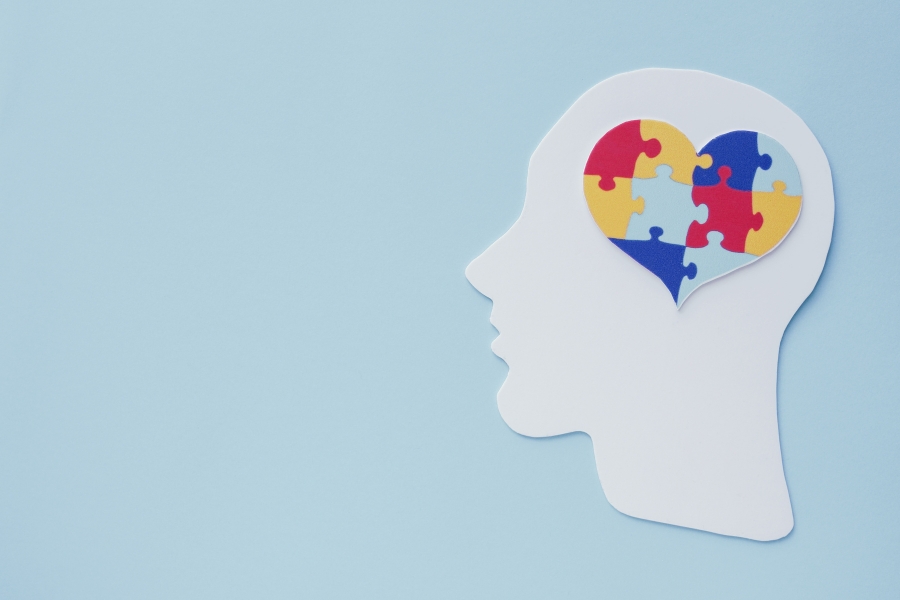
There’s a strong two-way link between mental health and heart disease. People with heart disease often experience anxiety and depression, and vice versa. Mental health issues can worsen quality of life, cause physical changes that increase heart disease risk, and invoke unhealthy behaviors like smoking and binge eating.
What is Stress?
Stress is a state of worry or emotional tension that typically arises from challenging situations. Stress is a natural human response to the pressures of daily life1. It is common to experience stress to some degree, but how we manage it significantly impacts our overall mental health and well-being.
According to the Cigna Healthcare Vitality Study 2023, stress levels among Singaporeans have increased steadily since 2021. Close to 9 in 10 people (87%) felt stressed in the previous year, surpassing the global average by 7%. In 2023, almost 9 in 10 Singaporeans reported that they experienced stress, with 16% finding it particularly hard to cope with the stress2.
References
- World Health Organization (n.d.). Stress. Who.int. Retrieved March 15, 2024, from https://www.who.int/news-room/questions-and-answers/item/stress
- Cigna Healthcare (n.d.). Cigna Healthcare Vitality Study 2023 – Singapore Edition. Cigna.com.sg. Retrieved March 15, 2024, from https://www.cigna.com.sg/health-content-hub/thought-leadership/cigna-healthcare-vitality-study-2023
Signs of Stress
Stress could hinder relaxation, and evoke a range of emotions, including annoyance and anger. When an individual experiences stress, he/she may encounter a variety of symptoms, such as:
- Difficulty concentrating
- Body pain/aches
- Headaches
- Defunct energy and sleep disturbances/Insomnia
- Loss of appetite/Overeating
- Forgetfulness
Everyday Stressors

Everyday stressors are challenges that we face in our day-to-day life. These stressors could be categorised as predictable challenges or unexpected challenges. While everyday stressors may seem minor, some stressors are unavoidable and occur frequently.
A study conducted in the USA found that everyday stressors arise on approximately 40% of all days of a week1. While everyday stressors tend to be less severe than chronic stress, they still significantly impact physical health. Common examples of everyday stressors include:
- Lengthy commute due to unexpected circumstances like traffic jams
- Interpersonal conflict
- Being overstimulated (e.g., from chaotic surroundings)
References
- Piazza, J. R., Charles, S. T., Sliwinski, M. J., Mogle, J., & Almeida, D. M. (2013). Affective reactivity to daily stressors and long-term risk of reporting a chronic physical health condition. Annals of behavioral medicine: a publication of the Society of Behavioral Medicine, 45(1), 110–120. https://doi.org/10.1007/s12160-012-9423-0
Chronic Stress
Chronic stress is an overwhelming feeling that persists daily and has enduring effects. Unlike everyday stressors, which are often short term, chronic stress could severely drain a person’s energy and cause emotional and physical suffering to the individual. People who suffer from chronic stress often feel powerless and unable to change their circumstances. Common examples of everyday stressors are:
- Poverty
- Dysfunctional marriage or family situations
- Challenging job
Numerous studies have highlighted that chronic stressors are dangerous, as they are often associated with higher rates of morbidity and mortality.
How Stress Affects Heart Health

Stress is an inevitable aspect of life. While our body, as a protective mechanism, respond to this emotional change, prolonged exposure to stress could leave a detrimental impact in the long term. Our body releases the hormone, cortisol, to regulate stress levels. However, consistently high levels of cortisol caused by stress could lead to elevated blood cholesterol, triglycerides, blood sugar, and blood pressure, and may even contribute to the build-up of plaque deposits in the arteries. These are major risk factors of heart disease.
When an individual experiences stress or other mental health issues, his/her body will undergo physical changes such as an increased heart rate or heightened blood pressure. If these conditions persist for an extended period, they could significantly increase the risk of heart disease. For example, even a minor increase in stress could easily trigger a poor blood flow to the heart muscles, thereby increasing the risk of stroke1.
Many studies have found a high prevalence of mental health conditions among individuals with cardiovascular disease.
To worsen the issue, stressed individuals may adopt unhealthy lifestyle habits that could further increase their risk of developing heart disease. Some unhealthy habits include smoking, excessive alcohol consumption, and excessive consumption of food that are high in sugar or fat content.
References
- University of Rochester Medical Center (n.d.). Stress Can Increase Your Risk for Heart Disease. Www.Urmc.Rochester.edu. Retrieved March 15, 2024, from https://www.urmc.rochester.edu/encyclopedia/content.aspx?ContentTypeID=1&ContentID=2171
Managing Stress

It is crucial not to dismiss feelings of stress. Instead, validate what you are feeling, and share your distress; and seek support from others – family, friends or healthcare professionals.
If you notice symptoms of stress in others, reach out to them and let them know that you care for them. Some practical ways to offer support include listening to their troubles, offering hugs or simply being present for them. Avoid using insensitive phrases such as “cheer up” or “no big deal”, as these could invalidate their feelings and exacerbate their distress. Encourage them to seek support from healthcare professionals when necessary.
There are plenty of ways to cope with stress:
Exercise Regularly
Exercising regularly brings both emotional and physical benefits. Exercising triggers the body to release endorphins, commonly known as ‘happy hormones’, and these do help improve your mood and alleviate feelings of pain.
Reduce Work-related Stress
Avoid taking on excess tasks; and break the tasks into smaller chunks to make the workload more manageable. Completing smaller tasks fosters a greater sense of achievement, which could help reduce stress levels. Try making friends within your workplace to establish a strong support system for managing stress at work. Remember to maintain an effective work life balance by taking breaks from work, to rest and play.
Monitor Everyday Behaviour
Stress could cause the individual to turn to unhealthy behaviour as a form of a coping mechanism. Some behaviours include, binge eating junk food or smoking. Avoid unhealthy behaviour and seek healthier alternatives. Some recommended ways to cope include adopting a meditation routine, or taking yoga or Tai Chi lessons to efficiently manage stress.
Seek Help from Professionals
According to the National Population Health Survey 2022, there was an observed increase in the willingness of Singaporeans to seek professional help when they are unable to cope with stress. Healthcare professionals are equipped to provide guidance and support customised to the individual’s needs. Some individuals may benefit from sessions such as psychological therapy (talking therapy), where they could share about their life challenges in a supportive environment.
With the government’s efforts to raise awareness of mental health and to enhance mental health services, discussing mental health is becoming a norm. Do not hesitate to reach out for help. You don’t have to struggle in silence.
What is Depression?
Mental health is on the decline. The National Population Health Survey in 2025 revealed that 15.9% of Singapore residents had poor mental health1. Major depressive disorder, commonly known as depression, is a mood disorder prevalent in 6.3% of the Singapore’s population2.
While everyone experiences occasional sadness or mood swings, some individuals experience these emotions with greater intensity and over long periods, spanning weeks or months3. According to the Institute of Mental Health, depression is an intense and pervasive feeling of intense sadness that interferes with everyday tasks such as studying or working, and with the enjoyment of life in general4.
Depression and anxiety may develop after a life-changing event such as the loss of a loved one, unemployment, and even a heart attack or heart surgery. Depression and anxiety are commonly observed in survivors of a post-cardiac event, but it could also happen to anyone. Its prevalence in the population is worrying as it could leave a lasting impact and stress on the body, including the heart5 – perpetuating a cycle of poor heart health.
References
- Ministry of Health (n.d.). National Population Health Survey 2025. https://isomer-user-content.by.gov.sg/3/6d240639-e156-403e-bb26-1bdddfe0af6f/NPHS%202025%20Survey%20Report_Final.pdf
- Institute of Mental Health (n.d.). Latest nationwide study shows 1 in 7 people in Singapore has experienced a mental disorder in their lifetime. https://www.imh.com.sg/Newsroom/News-Releases/Documents/SMHS%202016_Media%20Release_FINAL_web%20upload.pdf
- Better Health Channel (n.d.). Heart disease and mental health. https://www.betterhealth.vic.gov.au/health/healthyliving/heart-disease-and-mental-health#depression
- Institute of Mental Health (n.d.). Depression. https://www.imh.com.sg/Documents/publications/educational-brochures/for-children-and-adolescents/Depression.pdf
- Centers for Disease Control and Prevention (n.d.). Heart Disease and Mental Health Disorders. https://www.cdc.gov/heart-disease/about/about-heart-disease-and-mental-health.html
Symptoms of Depression

Individuals experiencing depression may display some or all of the following symptoms2:
- persistent feelings of sadness or irritability
- poor concentration and difficulties in thinking and making decisions
- poor sleep or oversleeping
- poor appetite or overeating
- lethargy and fatigue
- loss of interest in activities previously enjoyed
- feelings of worthlessness or inappropriate or excessive guilt
- recurring thoughts of death or suicide
- withdrawing from family and friends
- engaging in risky behaviour
How Depression Affects Heart Health
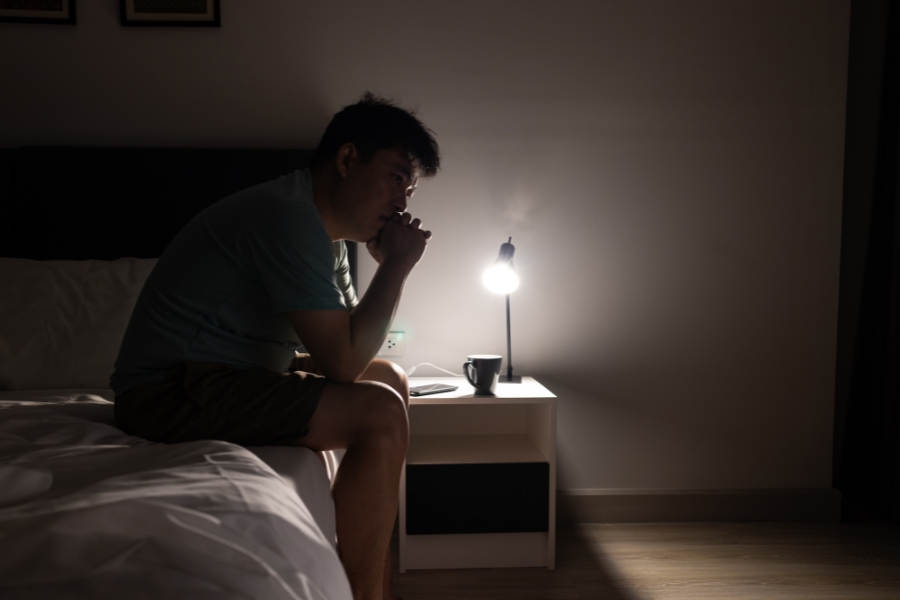
People with heart disease are twice as likely to experience depression. Conversely, according to several studies, individuals with depression also face an elevated risk of developing heart disease1,2. Results from a recent study backs this trend – young Americans struggling with depression or poor mental health are more likely to experience heart attacks, strokes, and develop risk factors for cardiovascular disease; this is in comparison to their peers with no mental health issues3.
Depression could trigger a chain reaction in the body. This includes an increased heart rate and blood pressure, reduced blood flow to the heart, and elevated levels of the stress hormone cortisol. Over time, these combined effects could increase the risk of the individual developing heart disease or a second cardiac event.
In addition to the physiological changes that their body undergoes, people experiencing depression may fall into unhealthy habits that add up and further increase their risk of heart disease or a cardiac event. They might reach out for comfort foods that are typically high in sugar, salt and fat; they might smoke, turn to alcohol for temporary relief, fail to take their prescribed medication, and/or exercise less.
References
- Mental Health America (n.d.). Depression and Heart Disease. https://www.mhanational.org/depression-and-heart-disease#6
- American Heart Association (n.d.). People with depression fare worse in heart health study. https://www.heart.org/en/news/2020/11/20/people-with-depression-fare-worse-in-heart-health-study
- American Heart Association (n.d.). Depression, poor mental health in young adults linked to higher cardiovascular risks. https://www.heart.org/en/news/2023/01/31/depression-poor-mental-health-in-young-adults-linked-to-higher-cardiovascular-risks
Managing Depression

Treatment of depression could include one or more of the following methods:
- Medication
Depending on the severity of the condition, antidepressant medication may be prescribed to the patient. Antidepressants lift the mood and alleviate the symptoms.
- Psychological intervention
Psychotherapy such as Cognitive Behavioural Therapy, Psychodynamic Psychotherapy, and Interpersonal Psychotherapy could be used for mild to moderate depression.
- Electroconvulsive therapy (ECT)
ECT may be explored as a treatment option in cases where medication and/or psychotherapy is less effective, or where rapid response is needed, or when the condition is severe and potentially life-threatening1.
While depression could worsen heart health and vice versa, seeking treatment for depression is a powerful step towards breaking this cycle. By prioritising mental well-being and seeking professional help, individuals experiencing depression could regain control of their mental and heart health, and improve their overall quality of life.
You are not alone. If you are experiencing any symptom of depression, reach out to a healthcare professional, or a trusted friend or family member. You could also make use of the mental health hotline. Caring for your mental well-being is just as crucial as taking care of your physical health. By seeking the support you need, you could, and will, break the cycle of depression, elevate your heart health and live a healthier, happier life.
References
- SingHealth (n.d.). Depression. https://www.singhealth.com.sg/patient-care/conditions-treatments/depression

Hotlines
- National Care Hotline 1800 202 6868 (8am-8pm)
- Institute of Mental Health 6389 2222 (24 hours)
- Samaritans of Singapore 1800 221 4444 (24 hours) / 1767 (24 hours)
- Singapore Association for Mental Health 1800 283 7019
- Silver Ribbon Singapore 6386 1928
- Community Health Assessment Team 6493 6500/1
Counselling
- Sage Counselling Centre’s Helpline for Seniors 1800 555 5555
- TouchLine 1800 377 2252
- Touch Care Line 6804 6555
- Care Corner Counselling Centre Toll-Free Mandarin Counselling Hotline: 1800 3535 800
Online Resources