|
Cholesterol Levels
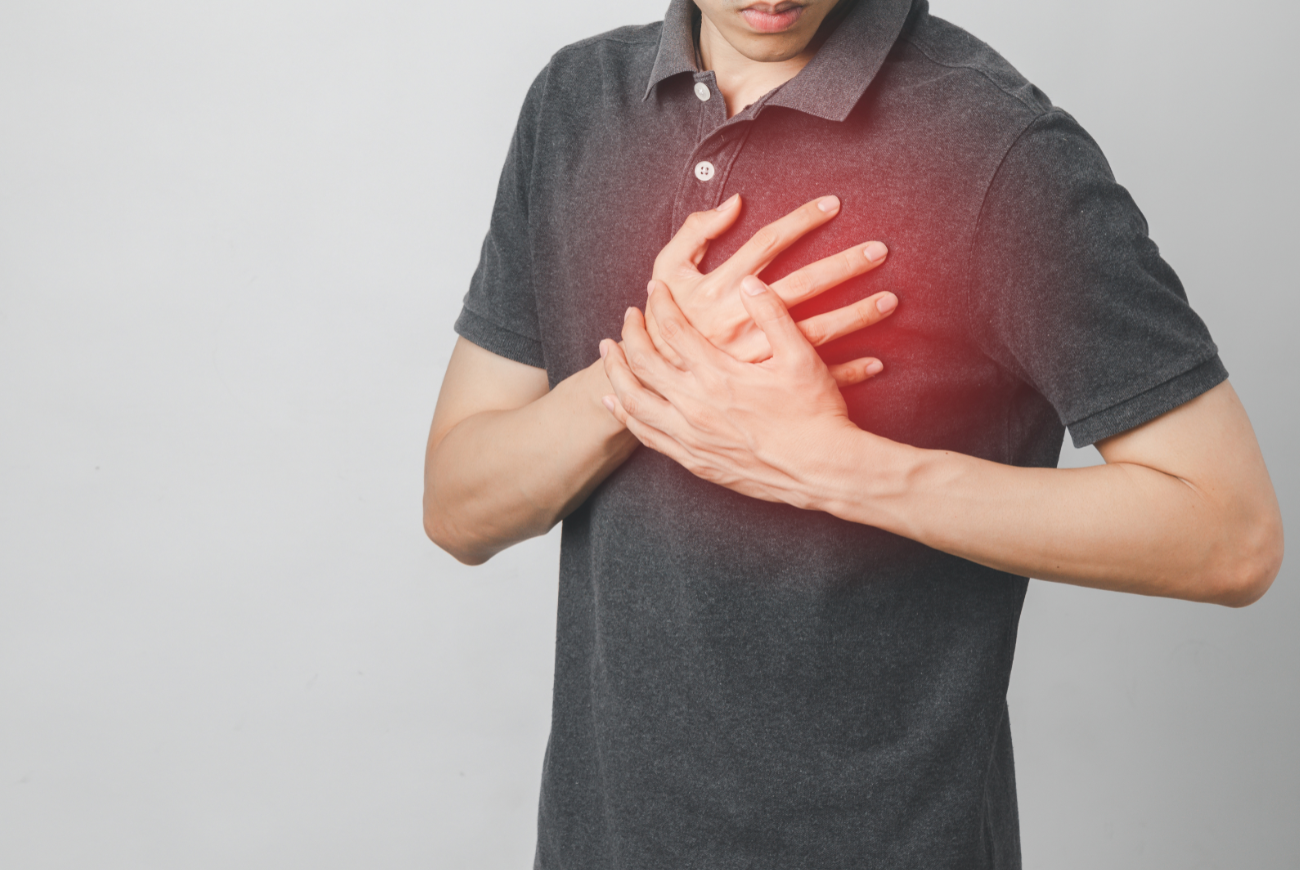
High blood cholesterol is a major risk factor of cardiovascular disease. While cholesterol is needed to keep the cells in our body healthy, high blood cholesterol could occur when there is too much cholesterol in our blood.
What is Cholesterol?
Cholesterol is a natural fatty substance in our blood. It is produced in the liver, and it can also be found in some food that we consume. Cholesterol is important as it:
- Builds the structure of cell membranes
- Makes important hormones like oestrogen and testosterone
- Ensures that the body’s metabolism work efficiently
- Helps to produce crucial vitamins for the body, for example, vitamin D
- Produces bile acids, which aid in the digestion of fats and absorption of important nutrients
Protein in our blood carries cholesterol around the body to the cells that need it. Protein is a substance responsible for nearly every task of cellular life, such as cell shape. Protein also helps to keep our body’s tissues and organs working. When cholesterol and protein combine, they are known as lipoproteins.
Cholesterol Types
There are two main types of lipoproteins – low-density lipoprotein and high-density lipoprotein.
Low-Density Lipoprotein (LDL)
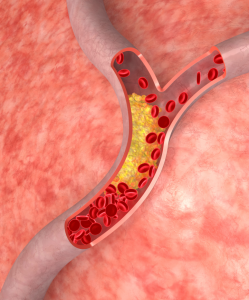
Low-density lipoproteins are known as ‘bad’ cholesterol. Too much of this ‘bad’ cholesterol could lead to a buildup of fatty deposits, plaque, on the walls of the blood vessels. This in turn narrows the blood vessels and restricts blood flow to vital organs such as the heart and the brain, hence increasing the risk of a heart attack or stroke.
High-Density Lipoprotein (HDL)
High-density lipoproteins are known as ‘good’ cholesterol. HDL cholesterol removes excess cholesterol from the body, bringing it back to the liver, and effectively getting rid of the ‘bad’ cholesterol from the blood before it builds up in the arteries.
Cholesterol Level Chart
The chart below shows different cholesterol levels.
| Total Blood Cholesterol (mmol/L [mg/dL]) | |
| <5.2 (200) | Desirable |
| 5.2 – 6.1 (200 – 239) | Borderline high |
| ≥6.2 (240) | High |
| LDL Cholesterol (mmol/L [mg/dL]) | |
| <2.6 (100) | Optimal |
| 2.6 – 3.3 (100 – 129) | Desirable |
| 3.4 – 4.0 (130 – 159) | Borderline high |
| 4.1 – 4.8 (160 – 189) | High |
| ≥4.9 (190) | Very high |
| HDL Cholesterol (mmol/L [mg/dL]) | |
| <1.0 (40) | Low |
| 1.0 – 1.5 (40 – 59) | Desirable |
| ≥1.6 (60) | High |
| Triglyceride (mmol/L [mg/dL]) | |
| <1.7 (150) | Optimal |
| 1.7 – 2.2 (150 – 199) | Desirable |
| 2.3 – 4.4 (200 – 399) | High |
| ≥4.5 (400) | Very high |
Cholesterol in Adults
It is important to maintain a healthy blood cholesterol level as it lowers your risk of cardiovascular disease. According to the National Population Health Survey 2022, the prevalence of high blood cholesterol among Singaporeans decreased from 39.1% in 2020 to 31.9% in 2022. However, cardiovascular disease is still one of the leading causes of death in Singapore, accounting for 31.4% of all deaths in 2022.
The chart below shows the desirable cholesterol levels for adults.
| Result | Healthy Level (mmol/L) |
| Total cholesterol | 5.2 or below |
| HDL (good cholesterol) | 1 to 1.5 |
| LDL (bad cholesterol) | 2.6 to 3.3 |
Cholesterol in Children and Teens
Children and teens from 2 to 18 years old need to have healthy blood cholesterol levels; otherwise, they might suffer long-term outcomes. Young people also often assume that they will not get cardiovascular disease until they get older. This mindset has caused them to become complacent, and to continue living a reckless lifestyle. Hence, investing in risk factor control from young is important. To prevent complications of high blood cholesterol, sustaining healthy blood cholesterol levels is key.
The chart below shows the cholesterol levels for children and teens 2-18 years old.
| Category | Total cholesterol (mg/dL) | LDL cholesterol (mg/dL) |
| Acceptable | Less than 170 | Less than 110 |
| Borderline | 170-199 | 110-129 |
| High | 200 or greater | 130 or greater |
*mg/dL = milligrams per deciliter
Causes of High Blood Cholesterol
High blood cholesterol can result from a mix of genetics, diet, ageing and certain medical conditions. For a full breakdown of what drives high blood cholesterol and how each factor plays a role, see our guide to the causes of high blood cholesterol.
Complications of High Blood Cholesterol
The higher an individual’s blood cholesterol levels and the longer he/she has the condition, he/she faces a greater risk of developing heart disease.
When the arteries that supply blood to the heart narrow and stiffen due to the buildup of plaque, blood flow becomes more difficult. This causes coronary artery disease. As the disease progresses, a thrombus may form within the arteries and disrupt the supply of blood to the heart and brain, resulting in acute myocardial infarction (heart attack) or stroke. A heart attack also causes damage in the area around the heart due to a blockage of blood supply. Hence, patients who have a history of heart disease symptoms/conditions are at a greater risk of experiencing recurrences in the future.
Recommended Level of Cholesterol Intake
The recommended level of cholesterol intake depends on the individual’s risk of heart disease. Individuals who are at risk of heart disease should not consume more than 200 milligrams of cholesterol a day. Healthy individuals, on the other hand, should limit cholesterol intake to no more than 300 milligrams a day.
How to Maintain a Normal Cholesterol Level
Improving blood cholesterol levels could help prevent heart disease in healthy individuals, at-risk individuals and individuals who have coronary heart disease, or who have undergone coronary stenting or coronary artery bypass operations.
It is important to check blood cholesterol levels regularly. According to the Health Promotion Board, adults should check their blood cholesterol levels once every three years. Individuals who are at a higher risk of developing high blood cholesterol or are at higher risk of heart disease should start taking their cholesterol test early or at the advice of their healthcare professional.
Dietary cholesterol and fat restriction is only able to lower blood cholesterol by up to 20%, and the remaining 80% of your blood cholesterol comes from your own body production in the liver. Therefore, a combination of lifestyle changes and medications is required to maintain healthy blood cholesterol levels.
Lifestyle Changes
Reduce Consumption of Unhealthy Fats
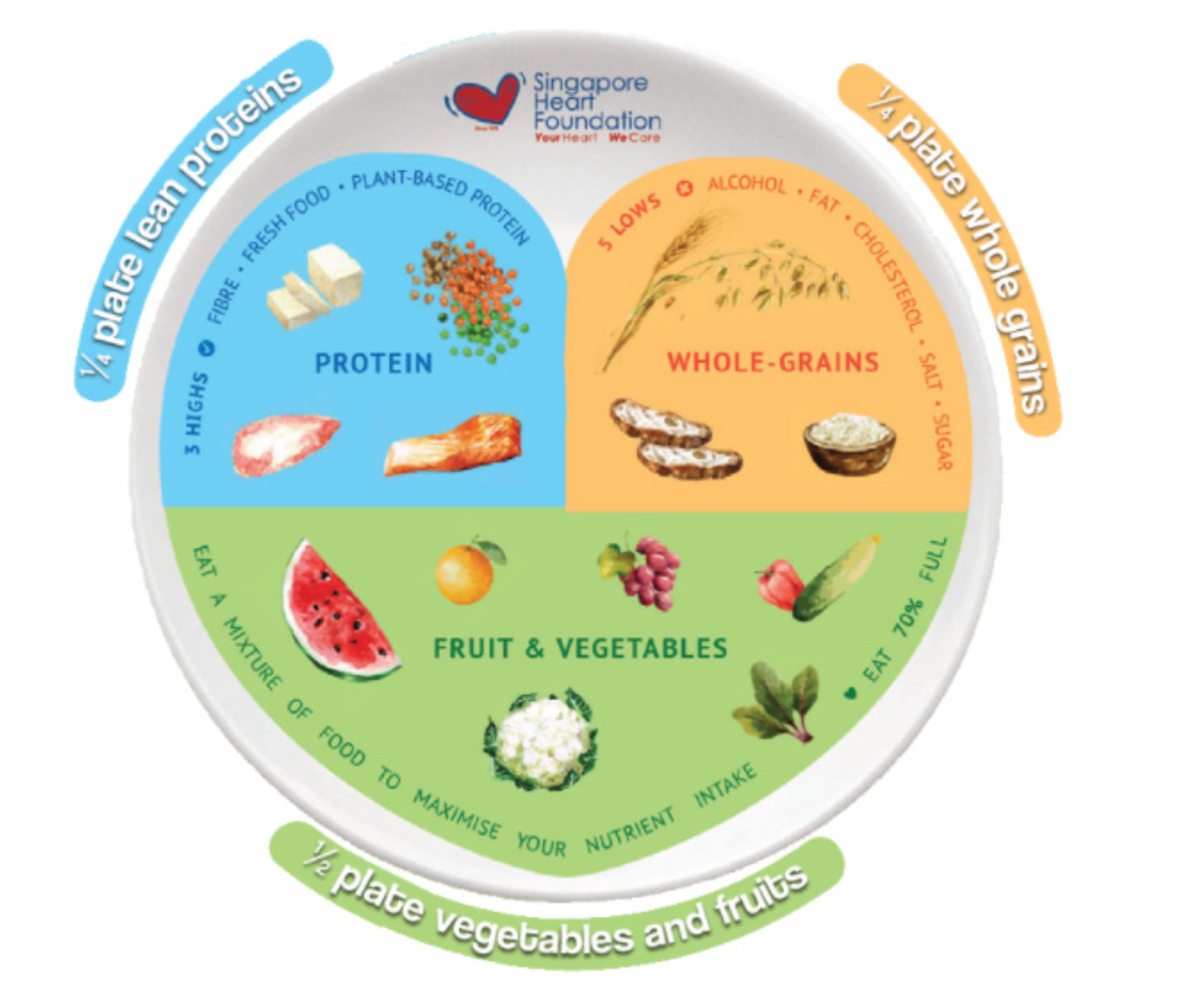
Foods rich in saturated fats and trans fats, such as fatty cuts of meat, coconut oil, processed foods, palm oil, full-fat dairy products, baked products, and deep-fried food, are among the foods to avoid with high blood cholesterol, as they could raise LDL cholesterol levels.
Replace these with foods that contain higher monounsaturated and polyunsaturated fats, such as extra virgin olive oil, sunflower, flaxseed, corn, olives or soybean, which have been proven to be able to reduce LDL cholesterol levels.
A balanced and healthy diet could lower the risk of heart disease and other chronic health issues. This can be achieved by following the principles of the Heart Smart Eating Plate, which is all about balance, portion control and variety.
Exercise Regularly
Engage in physical activity regularly to maintain a healthy weight. Exercise could help increase HDL levels and reduce LDL levels. Aim for 150-300 minutes of moderate-intensity aerobic physical activity every week. Do muscle and bone strengthening exercises such as pilates or body weight calisthenics at least twice a week.
People with abnormally high blood cholesterol levels should also engage in regular moderate-intensity exercise for more than 30 minutes every day, even if they are not overweight. This is proven to be beneficial for their overall health, and it helps in the prevention of other cardiovascular risk factors such as high blood pressure and diabetes mellitus.
Reduce Alcohol Intake
Alcohol is high in calories due to its high sugar content, which has a significant effect on triglycerides. Consume alcohol in moderation and have no more than one standard drink a day for women and two drinks a day for men.
A standard drink refers to:
- ⅔ can (220ml) of beer
- One glass (100ml) of wine
- One glass (30ml) of spirit
Check Blood Cholesterol Frequently
High blood cholesterol has no symptoms and cholesterol screening (a blood test) is the only way to detect the condition. Thus, it is crucial to check your blood cholesterol levels frequently as a step towards preventing the rise of cholesterol levels, and as an overall disease control.
A blood test can measure your total cholesterol level, HDL cholesterol level, LDL cholesterol level and triglyceride level. You should check your blood cholesterol once every 3 years. However, if you are at a higher risk of cardiovascular risk factors such as high blood pressure, or obesity, you should check your blood cholesterol more frequently at the advice of healthcare professionals.
Medications

Medications are prescribed in consideration of the patient’s risk factors and generally help to lower triglyceride levels, lower LDL cholesterol levels and increase HDL cholesterol levels. If your blood cholesterol is at an unhealthy level, consult a healthcare professional for advice.
Medications for high blood cholesterol are divided into 2 categories: oral medications and injectables.
Oral Medications
These medicines could reduce the chance of one getting a heart attack by 30% to 40%; and they are relatively safe with a low incidence of side effects.
Statins
Statins are the most commonly prescribed medications to lower blood cholesterol and are especially helpful for reducing the risk of dying if you are in one of the high-risk groups. It is the primary therapy for patients with high blood cholesterol.
Examples of statins used widely in Singapore include simvastatin, lovastatin, atorvastatin and rosuvastatin.
Statins prevent blood cholesterol from forming in the liver, and reduce the amount of cholesterol circulating in the blood. Statins are the most effective for lowering LDL cholesterol and triglycerides, and raising HDL cholesterol.
Ezetimibe
Ezetimibe is a common medicine that is often prescribed with statin to lower LDL cholesterol. This medicine works by preventing the absorption of blood cholesterol from the gut. The combination of statin and ezetimibe could reduce up to 50% of the LDL cholesterol levels.
Cholesterol-Lowering Injectable Drugs
PCSK9 inhibitors
PCSK9 inhibitors are monoclonal antibodies administered subcutaneously every 2 weeks. These drugs are very effective and are also used together with statins. They could lower LDL cholesterol by up to 85%. Examples of PCSK inhibitors used in Singapore include alirocumab and evolocumab.
These drugs could result in side effects such as itching, swelling, pain, or bruising at the injection area, and they are relatively expensive.
Inclisiran
Inclisiran is the latest class of drugs approved in Singapore for the treatment of high blood cholesterol. It is the first of a new class of cholesterol-lowering injectables known as ‘gene silencing drugs’. It turns off, or ‘silences’, the gene PCSK9, and enhances the liver’s ability to remove harmful blood cholesterol from the blood.
Inclisiran is specifically used when primary medications such as statin are insufficient in controlling the patient’s blood cholesterol levels. It could be administered just once every three to six months which could greatly improve the patient’s willingness to receive treatment.
Conclusion
Many factors could contribute to high blood cholesterol. You should closely monitor your health and habits to lower the risk of heart disease. While medications are now proven effective in managing cholesterol levels, one should not be complacent and take them as an alternative for lifestyle change. Your health is important and it is never too early to start protecting it.