|
Knowledge, Attitudes & Practices (KAP) of CPR+AED Survey 2024
The Knowledge Attitudes and Practices (KAP) Survey tracks the public sentiments of Singapore residents in relation to bystander response to Out-of-Hospital Cardiac Arrest (OHCA) and assesses their knowledge, attitudes and practices of CPR+AED. The survey also seeks to evaluate public awareness of and interest in the myResponder app.
Methodology
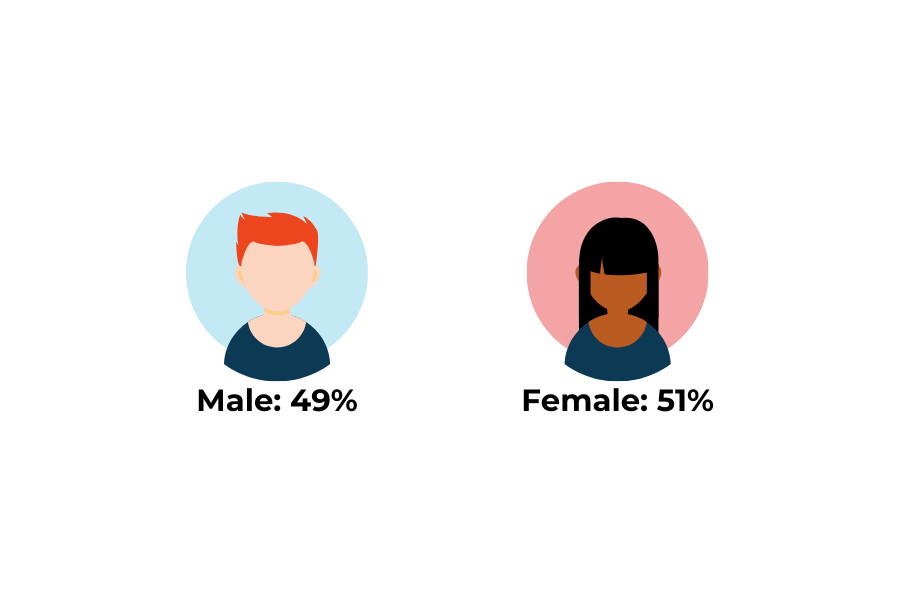
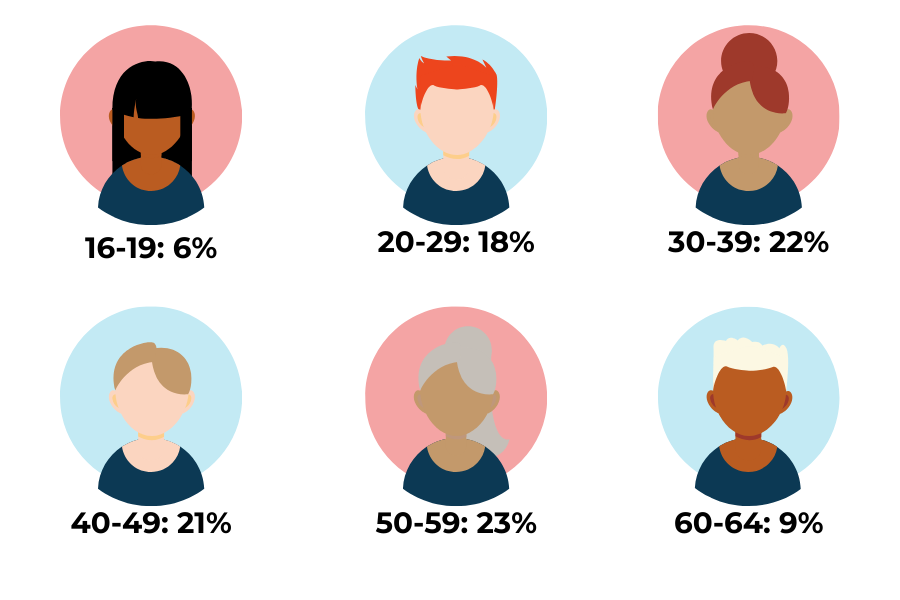
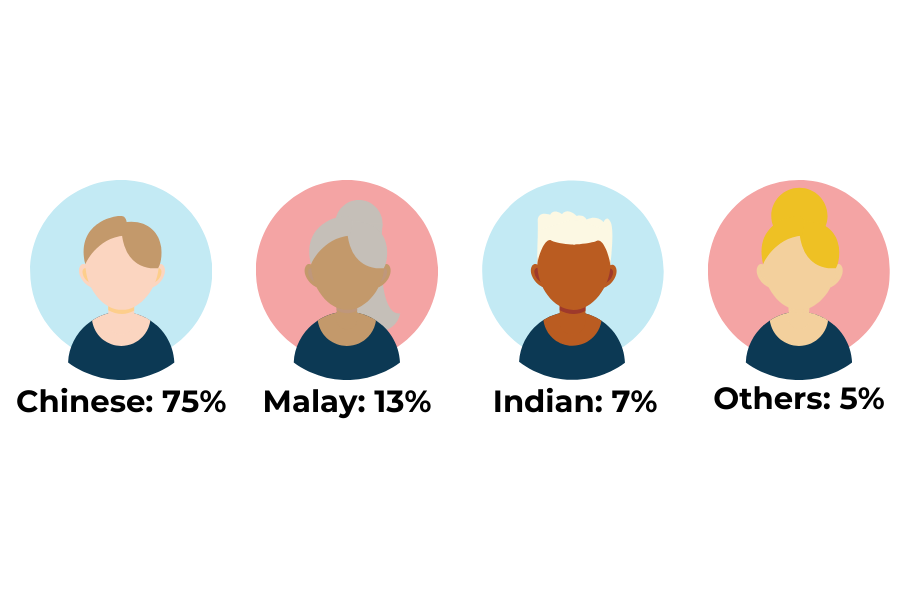
A total of 1,001 Singapore residents aged 16 to 64 years old responded to online panel and door-to-door surveys conducted from 15 Jan 2024 – 9 Feb 2024. This population sample was representative of the general population by age, gender, ethnicity and housing type.
Gender
Age
Ethnic Group
Summary of Findings
Note: Statistics presented may not add up to 100% due to the rounding-off effect.
Understanding Cardiac Arrest
Awareness of Cardiac Arrest vs. Heart Attack: Only 27% correctly distinguished between the two, a drop from 43% in 2020.
People often use these terms interchangeably, but they are not the same. Here’s why.
Immediate Response: 76% recognised the necessity of immediate CPR/AED intervention during a cardiac arrest, up from 68% in 2020.
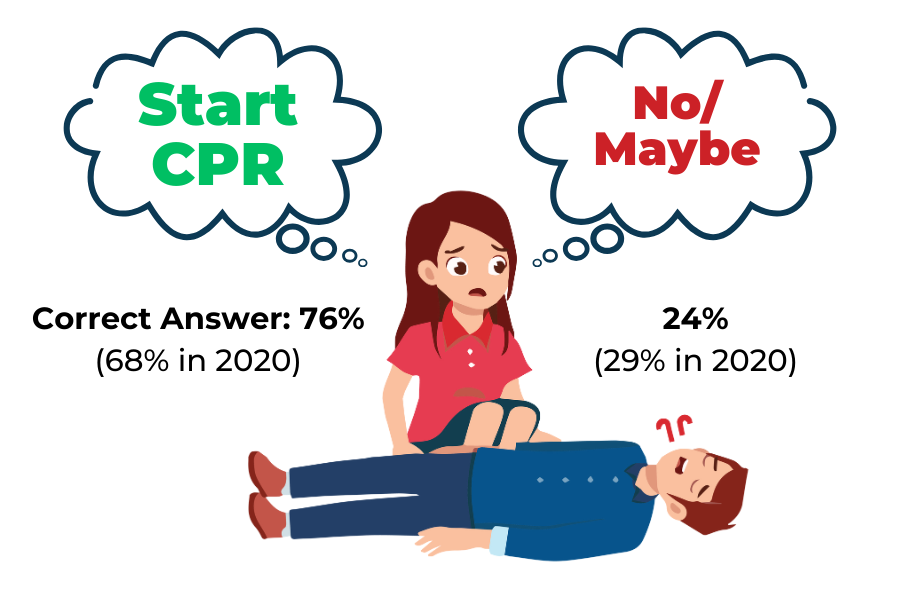
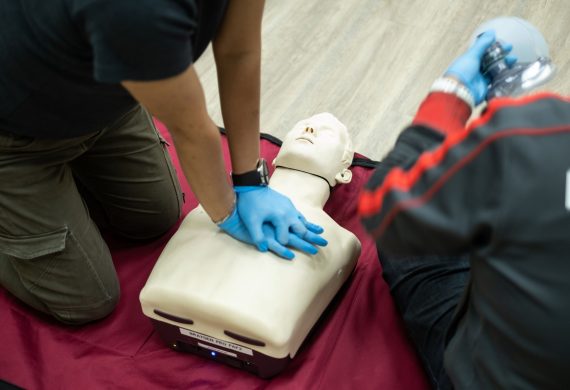
When encountering a cardiac arrest, start CPR and get an AED immediately. Immediate application of CPR and AED can increase a casualty’s survival rates by as high as 50%. Here’s how to perform CPR and use an AED.
Gasping or not: 41% understood that agonal breathing is a sign to start CPR, unchanged from 2020.
Agonal breathing or gasping is not true breathing. It is an early indicator of cardiac arrest and the first sign that CPR+AED should be applied immediately. Learn how to recognise agonal breathing and what to do when witnessing it.
CPR and AED Response
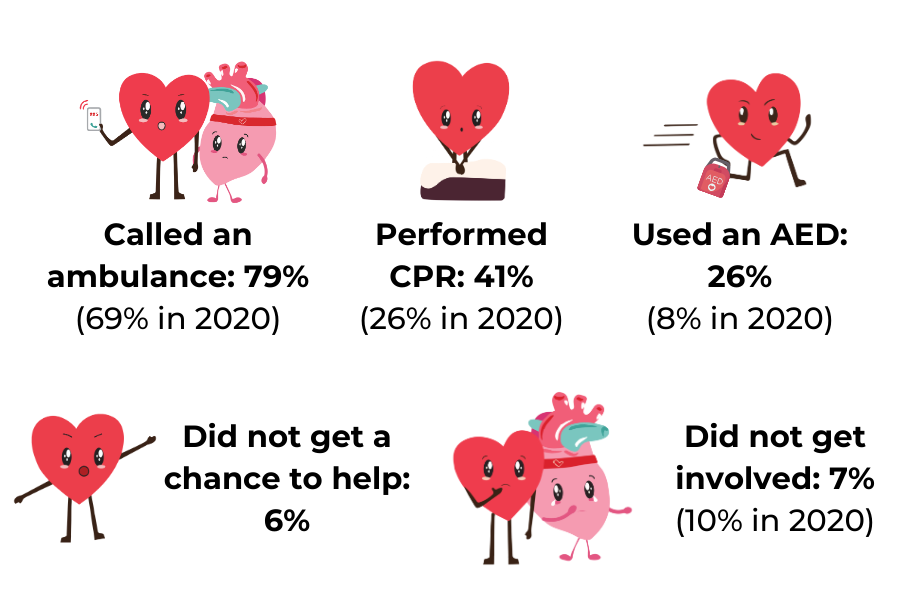
Past Actions when witnessing Cardiac Arrest: 79% called an ambulance, with 41% performing CPR and 26% using an AED, all showing an upward trend from 2020.
Future Actions when witnessing Cardiac Arrest: 49% would perform CPR, an improvement from 40% in 2020. 44% would use an AED, compared to 29% in 2020.
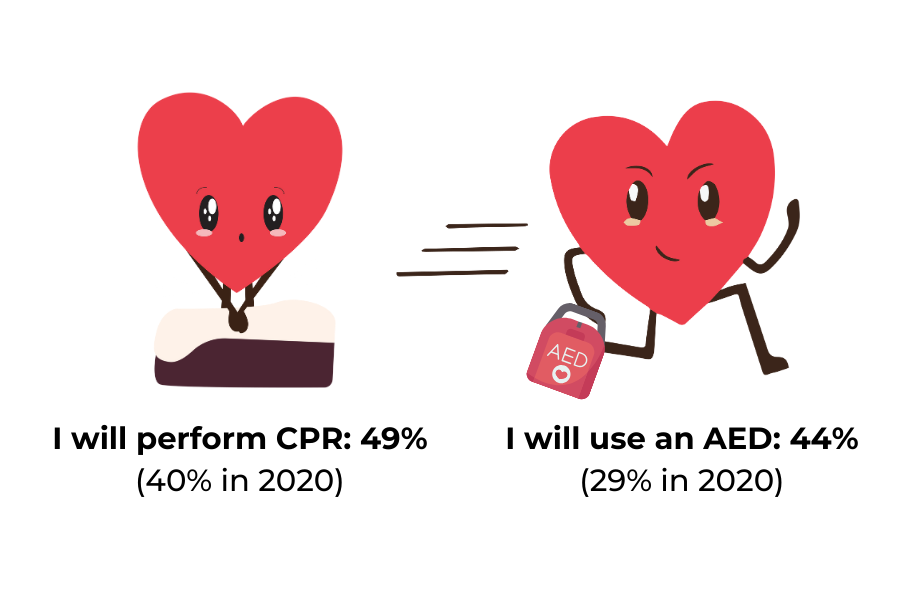
Always start CPR right away and continue till other responders or paramedics arrive.
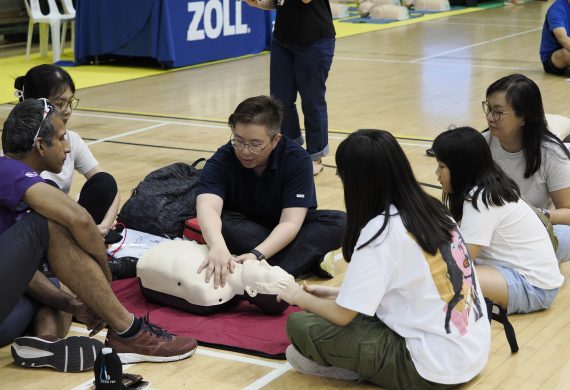
Bystander Knowledge & Training: While 56% have learned CPR (50% in 2020), only 36% know how to use an AED (28% in 2020). Awareness of AED locations remain low at 58%.
Emergency Ambulance Awareness: 75% correctly identified 995 as the emergency ambulance number, down from 79% in 2020. 25% provided incorrect answers or were unsure, confusing it with other numbers like 999 or 911.
Disclaimer: Call 1777 for a non-emergency ambulance. To know what constitutes an emergency, refer to SCDF’s EMS Tiered Response Framework.
Tele-guidance through 995 operators: 77% are aware of tele-guidance for CPR via the 995-emergency hotline, with 71% willing to follow such guidance.
AED Accessibility: 92% believe AEDs should be publicly accessible, with 85% agreeing they should be mandatory in every building.
Download the myResponder app to locate the nearest publicly accessible AED.
Use of AED in Public: 53% believe anyone can use an AED in a public place, an increase from 42% in 2020. Similarly, 53% think only trained individuals can use it (68% in 2020), and 27% believe only medical professionals should use it (34% in 2020).
Anyone can use an AED, just follow the voice prompts and listen to the instructions.
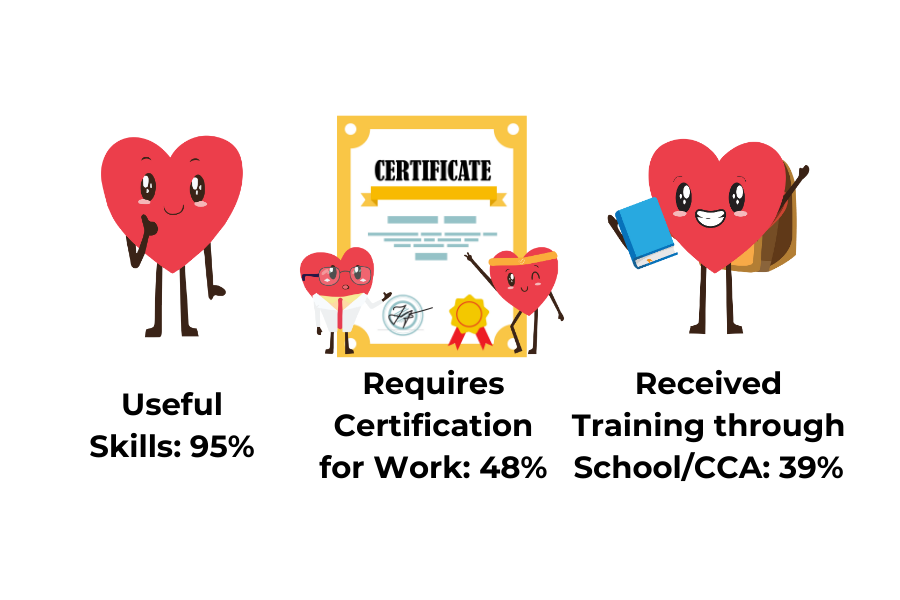
Motivators to Learn CPR+AED: The top reasons for learning CPR+AED are that 95% view it as a useful skill, 48% require certification for work, and 39% received training through school or CCA.
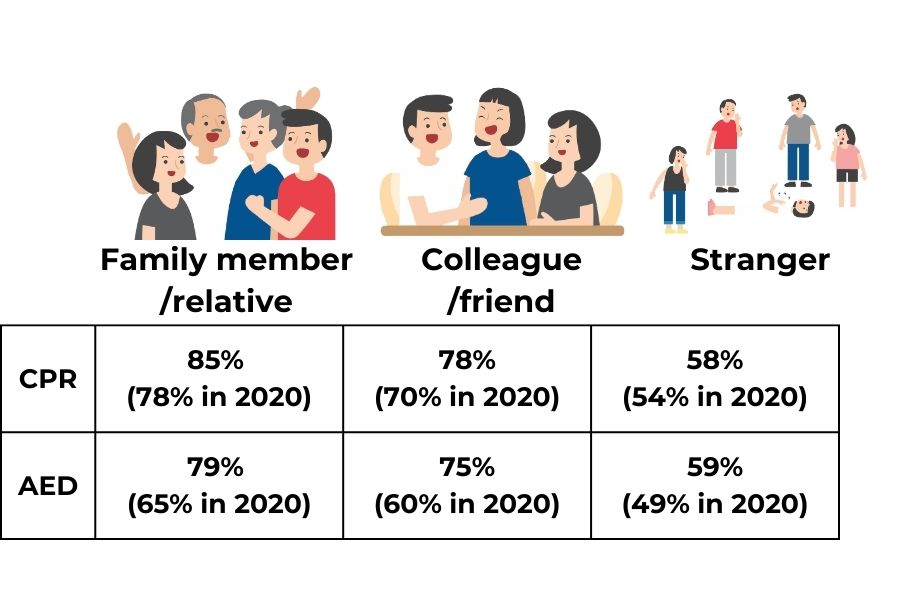
Willingness to Perform CPR/AED if the casualty is a family member or relative: 85% of respondents are most willing to perform CPR on a family member or relative, while 79% are willing to use an AED on them.
Barriers to Action
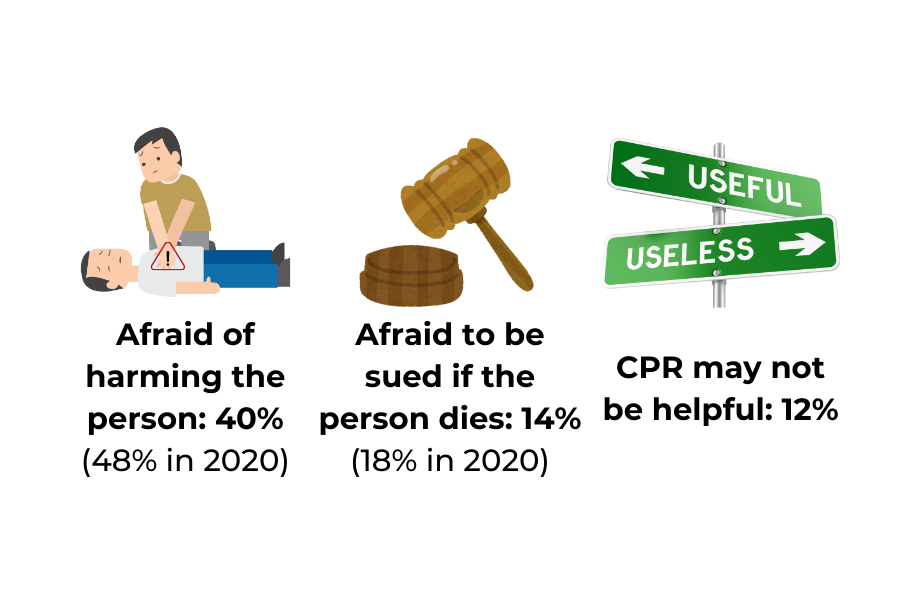
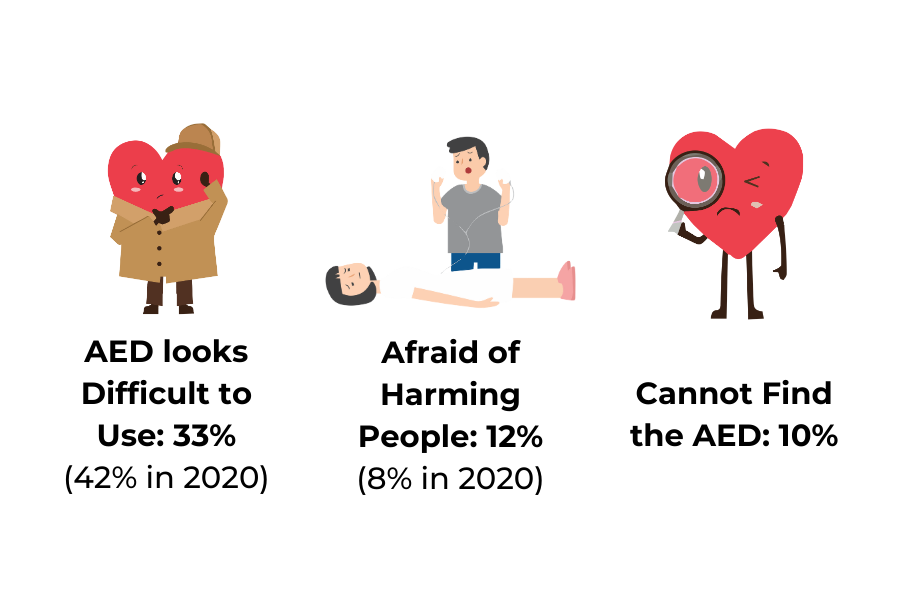
Fear of Causing Harm: The primary reasons for not performing CPR or using an AED on strangers are the fear of harming the person (40%) and the perceived complexity of AEDs (33%).
Barriers to Perform CPR
Barriers to Use an AED
If you ever face a legal issue arising from your resuscitation attempt and wish to seek legal advice, you can get free consultations with the Pro Bono SG (formerly named Law Society Pro Bono Services). Find out more about this Good Samaritan Initiative.
myResponder App Insights
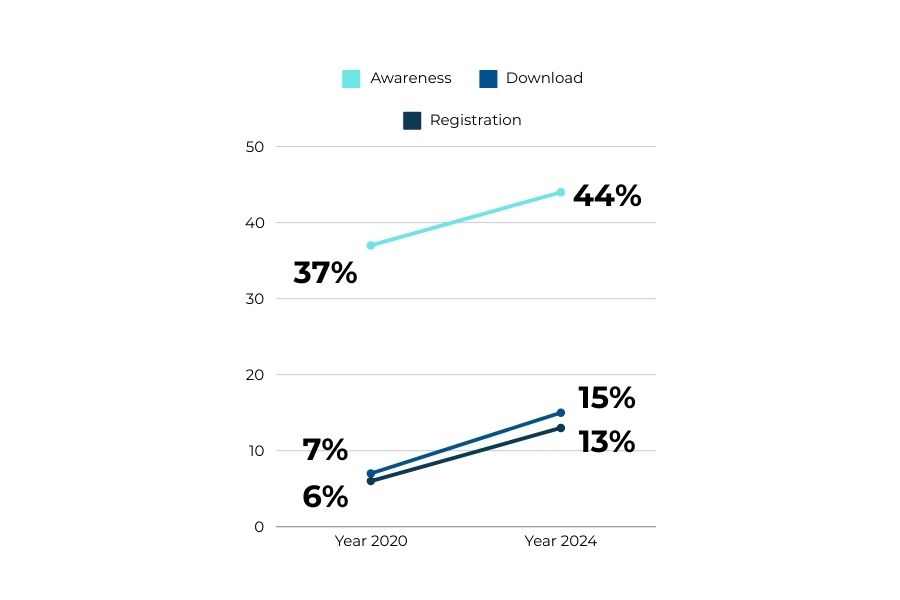
Increased Adoption: App downloads have grown 2.3 times since 2020.
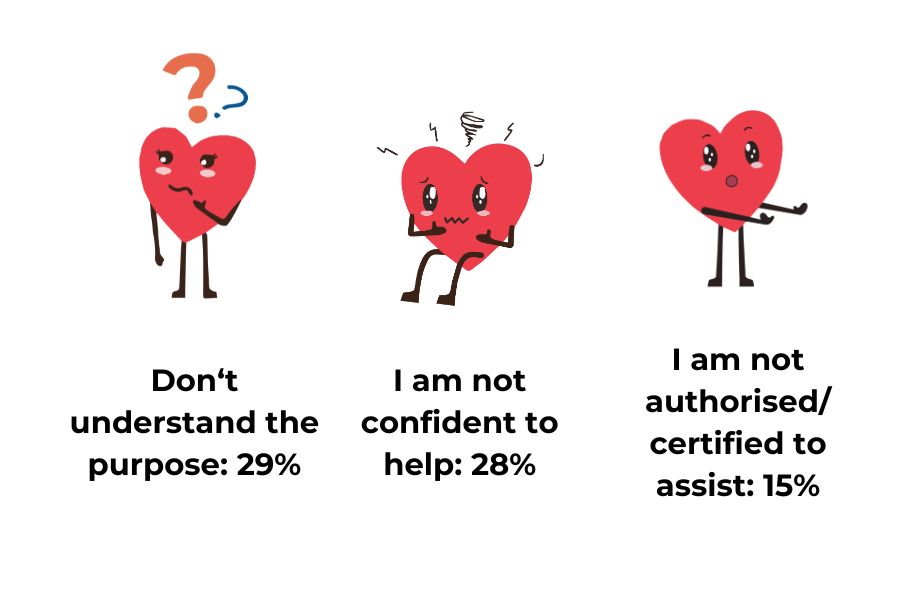
However, a lack of understanding about the app and low self-confidence in emergency response remain significant hurdles to greater adoption.
Misconception of myResponder
Conclusion
Progress Points in building community preparedness for cardiac arrest emergencies
- Higher training penetration rate in the population
Increased number of people trained in CPR+AED and increased percentage of people who have attended training more than once. - Motivation for learning CPR+AED has become intrinsic for most people
95% believe it is valuable knowledge to have and is a useful skill for the future. - Greater willingness and ability to apply CPR+AED in the event of an Out-of-Hospital Cardiac Arrest (OHCA)
Increased percentage of people willing to apply bystander CPR+AED in a future scenario (49% will perform CPR, 44% will use an AED).For those who encountered an actual OHCA incident, more performed CPR+AED compared to 2020.
The increased willingness to use CPR+AED applies across the board for all categories of people, be it family, friends or strangers.
- In particular, we see a greater embrace of AEDs as an essential tool for lifesaving
92% believe AEDs should be publicly accessible, with 85% agreeing they should be mandatory in every building. - Higher awareness and adoption of the myResponder app
The myResponder app has seen a growth in the number of downloads and registrations among the population. Those who have registered themselves as community first responders in the app tend to be trained in CPR+AED and/or are caregivers.For respondents who had not downloaded the app at point of survey, more than half were interested to download the myResponder app.
Key areas of concern to address in future community engagement
- 70% of survey respondents are still confusing a heart attack with a sudden cardiac arrest
There is a need for more public education on the distinction between the two.While a heart attack and sudden cardiac arrest are both serious medical emergencies, they are distinct conditions that require different action.
- 6 out of 10 respondents are unfamiliar with agonal breathing and do not recognise it as an indicator of sudden cardiac arrest
More work needs to be done to raise awareness on what agonal breathing looks like and what to do when it is observed in a casualty.The ability of bystanders to correctly identify a sudden cardiac arrest and act accordingly is a determining factor in whether a casualty survives.
- Only half of survey respondents believe they can use an AED in a public place
And 33% of them think AEDs are very complicated to use.Both beliefs are untrue.Anyone is free to use publicly accessible defibrillators in an emergency.
Automated external defibrillators are designed to be user-friendly, even for individuals without medical training. As soon as they are turned on, these devices tell users exactly what to do through voice commands and visual aids.
- Old fears die hard
40% of respondents would choose not to perform CPR on a stranger for fear of harming them.We encourage anyone who feels the same way to replace your fear of failure to with the greater hope of rescuing someone from untimely death.The benefits of performing CPR+AED far outweigh the risks of harm. When they are applied immediately after OHCA has occurred, a victim’s chances of survival can increase by as much as 50%. Without any intervention, the chances for survival decline by 10 per cent for every minute that passes. - What is myResponder and how do I use it?29% of respondents who did not download the app stated it was because they did not know the purpose of the myResponder app.The Singapore Civil Defence Force launched this app in 2015 specially for public use.The app alerts members of public to nearby fire and medical cases, especially OHCA incidents, so that those who are nearby might attend to casualties within minutes and thereby improve their chances of survival from OHCA.
A new version of the app has recently been launched.
Watch how it works here.
Download the app here.