|
Cholesterol and Statins
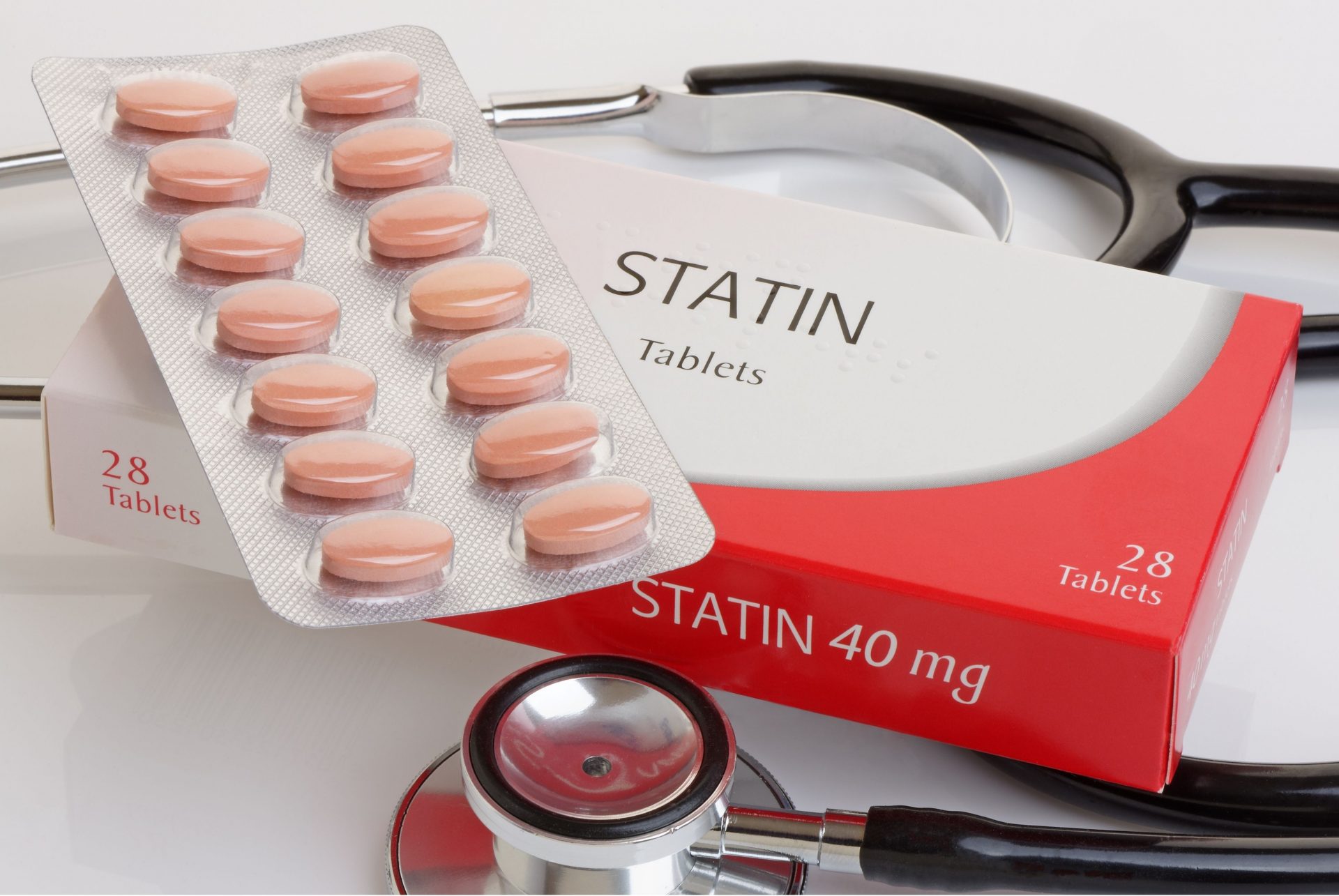
Hyperlipidaemia or high blood cholesterol is the topmost prevalent risk factor for coronary artery disease among Singaporeans aged 18 – 69 with a prevalence of 33.6% in 2017, according to statistics released by the Ministry of Health. This is up from 25.2% in 2010.
Effective treatment of hyperlipidaemia has been shown to reduce the incidence of cardiovascular events, however, physicians often encounter patients with difficulty in effective hyperlipidaemia management and non-compliance due to misconceptions surrounding statins, a cholesterol-lowering drug.
Indeed, research commissioned by the Singapore Heart Foundation to examine the level of public awareness and identify areas of misconception with regard to blood cholesterol management revealed that half of the respondents associated long-term use of statins with damage to the liver and kidney, while a third associated chronic statin use with the development of cancer.
The study, conducted in 2010, involved 365 respondents aged between 30 to 69, consisting of both Singaporeans and Permanent Residents. They were sampled across all five Community Development Council districts to ensure a fair representation of the Singapore population. Among them, 104 had been diagnosed with dyslipidaemia (abnormal level of lipids in their blood).
The respondents were tested on their knowledge of blood cholesterol and statin, as well as their perception of the causes and effects of high blood cholesterol.
88% of respondents identified unhealthy food or poor diet as the top cause of high blood cholesterol, while 10% attributed it to lack of exercise or hereditary causes. 64% of them see heart disease and stroke to be closely related to high blood cholesterol levels. The result of the study also revealed several misconceptions which could potentially impair effective management or treatment compliance.
Myths & Facts
- 87.8% of respondents believe diet and exercise are as effective as medication in lowering blood cholesterol levels.
FACT: Medication is usually more effective in lowering blood cholesterol as compared to lifestyle changes like diet and exercise. However, for the best result, it is recommended to combine diet change and exercise with medication, if a person’s blood cholesterol level cannot be controlled by lifestyle changes alone. - 64% think that people with high blood cholesterol usually have symptoms such as breathlessness or chest pain.
FACT: For most people, high blood cholesterol has no symptoms. However, when it causes plaque to build up in the larger arteries in your heart, coronary artery disease will result, along with chest pain, arrhythmia (an irregular heartbeat), and shortness of breath. - 58% believe that patients cannot stop taking blood cholesterol medication once they have started.
FACT: Statins are typically very successful at lowering blood cholesterol, but they only work when you are taking them. If you would like to stop, you should do so with guidance from your doctor, as the statin may be protecting you and lowering your risk of a heart attack. It can also be very dangerous and can cause serious health risks if you stop without approval from your doctor. - Slightly more than half believe that long-term use of statin can cause damage to their liver or kidney or even increase the risk of cancer.
FACT: Based on several trials and studies, there is no evidence that statins are a significant cause of liver/kidney failure or cancer. - One-third of the respondents perceive herbal medicine to be more effective than Western medication.
FACT: Although many people opt for traditional or herbal medication to lower their blood cholesterol levels, the long-term effects of these medications have not been extensively studied. Moreover, any possible side effects from these traditional or herbal medications (either mild or serious) are not known.
Albeit a small sample size limiting the generalisability of the findings, the study offered insight to the gaps in public awareness and understanding of blood cholesterol management in Singapore. This sets as a reminder for healthcare providers to listen to the community, understand their concerns and expectations. Singapore Heart Foundation will also continue to work on programmes that can correct misconceptions and raise awareness of heart health in Singapore more effectively.
Article adapted from Singapore Medical Journal. Originally written by Dr Than Htike Aung, Dr Go Yun Yun, Dr Low Lip Ping and Prof Terrance Chua.
The original article can be found on Singapore Medical Journal. [Aung TH, Go YY, Low LP, Chua T. Public perceptions, knowledge and awareness of cholesterol management in Singapore: a prospective pilot study. Singapore Med J 2013; 54(1): 32-5. http://dx.doi.org/10.11622/smedj.2013008]