|
Building New Habits After a Lifetime of Warning Signs
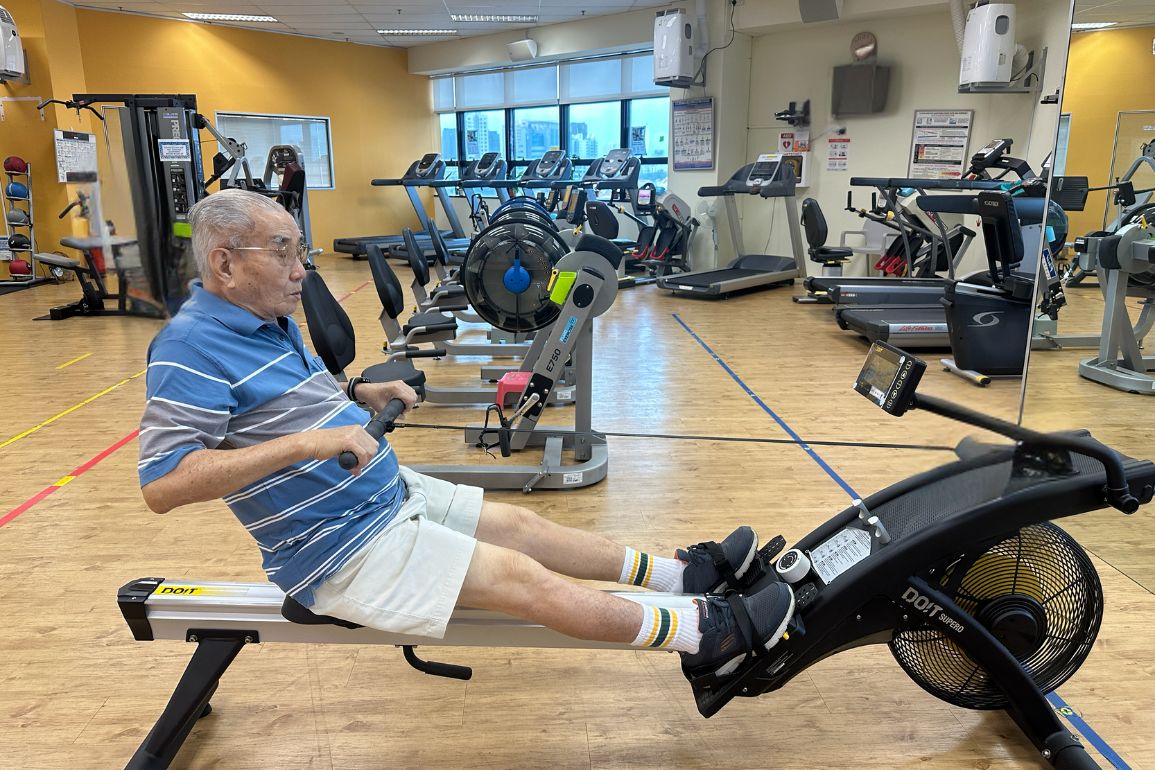
Mr Soh Cheh Long’s heart journey began long before any diagnosis. As early as the late 1980s, he experienced fainting spells without any clear explanation. The symptoms — cold sweat, discomfort— were subtle but persistent. It wasn’t until 2002, after years of hospital visits and unanswered questions, that he was diagnosed with three arterial blockages, and he underwent a stenting procedure.
Post-surgery, Mr Soh was referred to the Singapore Heart Foundation’s Heart Wellness Centre (HWC), where his recovery truly began. HWC offered more than post-operative care — it provided a structured path forward. The environment was professional but grounded. Physiotherapists guided each session with precision, tailoring exercises to suit different abilities while ensuring clients stayed safe and motivated.
This hands-on approach gave Mr Soh the confidence to build a healthier routine. With time, he integrated regular walks in the park, arm swing exercises, and he even made use of public fitness stations that mirrored the equipment used at the Centre. These small, consistent habits became part of his daily life.
The impact has been significant. His health has improved, so has his confidence. But what stands out most is the broader value of HWC — it is not just a place for recovery. It is a hub for long-term change. The programme combines exercise supervision, nutrition education and peer support in a way that keeps clients engaged and accountable.
Affordability plays a key role too. The programme is subsidised, and Mr Soh emphasises that it would be a missed opportunity not to take part. The cost should not be a barrier to proper rehabilitation, especially when the benefits are obvious.
What keeps him coming back to the HWC is his belief in the team. The trainers, physiotherapists and support staff offers not only technical expertise, but also a patient, respectful approach to care. They correct where necessary; they encourage when progress stalls, and they ensure that every participant understands the “why” behind each movement and recommendation.
To fellow heart disease survivors, Mr Soh shares a timely reminder: Rehabilitation isn’t optional. It’s the foundation. It’s about more than gaining strength — it’s about reshaping daily habits, building resilience and joining a community that knows exactly what the recovery path is all about.
To Mr Soh, the Heart Wellness Centre is more than a place. It’s a second home — where care, commitment and community come together. He hopes more people will take that first step, and that SHF will continue expanding its reach to serve more convalescents.
Learn more about the Heart Wellness Programme at https://www.myheart.org.sg/heart-wellness-programme/.