|
Understanding Sudden Cardiac Arrest in Exercise
Understanding Sudden Cardiac Arrest in Exercise: What You Need To Know
Regular physical activity is essential for a healthy heart, but it is important to be aware of a rare yet serious risk: sudden cardiac arrest (SCA) during exercise. When SCA strikes, it is life-threatening within seconds, making swift action crucial.
What is Sudden Cardiac Arrest?
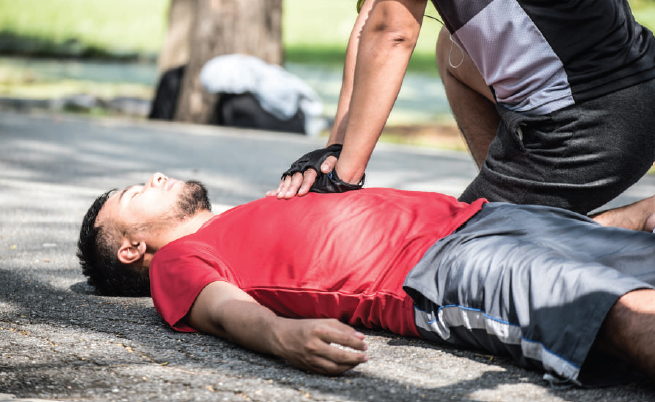
Sudden cardiac arrest (SCA) refers to the abrupt loss of heart function that may occur during or shortly after exercise (i.e., within one hour). Without prompt treatment, it is often fatal within minutes. Unlike a heart attack, which is caused by blocked arteries, SCA results from an
electrical disturbance that disrupts the heart’s rhythm. This causes the heart to stop pumping blood effectively, leading to the person’s sudden collapse, irregular breathing or gasping.
Recognising SCA: Act Without Delay
Immediate recognition is crucial. The signs include:
❤ Sudden collapse
❤ Unresponsiveness
❤ Abnormal (often gasping) or no breathing
Once you witness these signs, act immediately by calling 995 and start
performing CPR. Any delay in response severely reduces the chances of survival.
Who is at Risk and Why Health Screening Matters?
Screening, especially for those engaging in regular or intense physical activity, helps detect hidden conditions that could lead to SCA.
Common screening components:
❤ A detailed questionnaire about an individual’s symptoms (e.g., fainting spells or chest pain during exercise), personal medical history and family history.
❤ A physical examination by a doctor.
❤ A resting 12-lead electrocardiogram(ECG): This non-invasive test records the electrical activity of the heart. It can detect various electrical abnormalities that indicate increased risk of SCA.
Who Should be Screened?
❤ Participants in competitive and high-intensity sports.
❤ Individuals with a family history of sudden cardiac death.
❤ Those with unexplained symptoms (e.g., fainting during exertion).
Common Causes of SCA in Athletes and Non-Athletes
For athletes under 35 years old, the primary causes of sudden cardiac death include:
❤ Structural cardiac abnormalities: Physical defects in the heart’s structure, such as hypertrophic cardiomyopathy (thickening of the heart muscle).
❤ Electrical cardiac abnormalities: Issues with the heart’s electrical system, such as Long QT Syndrome.
❤ Acquired cardiac abnormalities: These include inflammation of the heart muscle (myocarditis) or other related conditions.
❤ Sudden Arrhythmic Death Syndrome (SADS): Unexplained death from a sudden electrical fault in the heart’s rhythm with a structurally normal heart.
Health Screening for Everyone
Non-athletes also benefit from regular health screenings. Early detection of chronic risks like diabetes, obesity, high blood pressure and high blood cholesterol allows for preventive action. Speak to
your doctor about a suitable screening schedule based on your age, family history and lifestyle.
Why Early Detection and Resuscitation Save Lives
Early identification of risk and quick action during emergencies, could prevent avoidable deaths.
❤ Know your family history.
❤ Do not ignore unexplained symptoms during exercise (e.g., collapse, seizures, unexplained dizziness, chest pain and severe breathlessness).
In cases of SCA, every second counts. Immediate application of CPR and AED significantly improves survival odds.
A Note on Athlete’s Heart
Long-term high level training could lead to changes to the heart. While these changes are often beneficial and usually harmless, they can sometimes mimic serious heart conditions. A thorough evaluation by a medical professional is essential to distinguish between normal training adaptations and conditions that require attention.
Article is written by Nur Nadia Binte Ali with the information contributed by Asst Prof Yeo Tee Joo, Assistant Honorary Secretary at the Singapore Heart Foundation. He is also a Senior Consultant at the National University Heart Centre, Singapore (NUHCS) and the Director the the Cardiac Rehabilitation Unit.