|
CPR+AED Guidelines 2018

When a cardiac arrest occurs, the heart stops beating and blood flow to the vital organs stops. Without immediate intervention, the chances of survival decreases by 7 – 10% per minute.
The essential steps for helping a cardiac arrest victim are illustrated in a system called the “Chain of Survival” as well as essential protocol known as “DRS-ABCD”. Over the years, improvements have been made with the introduction of new practices.
| Danger | Check for Danger Ensure that the scene is safe before approaching. |
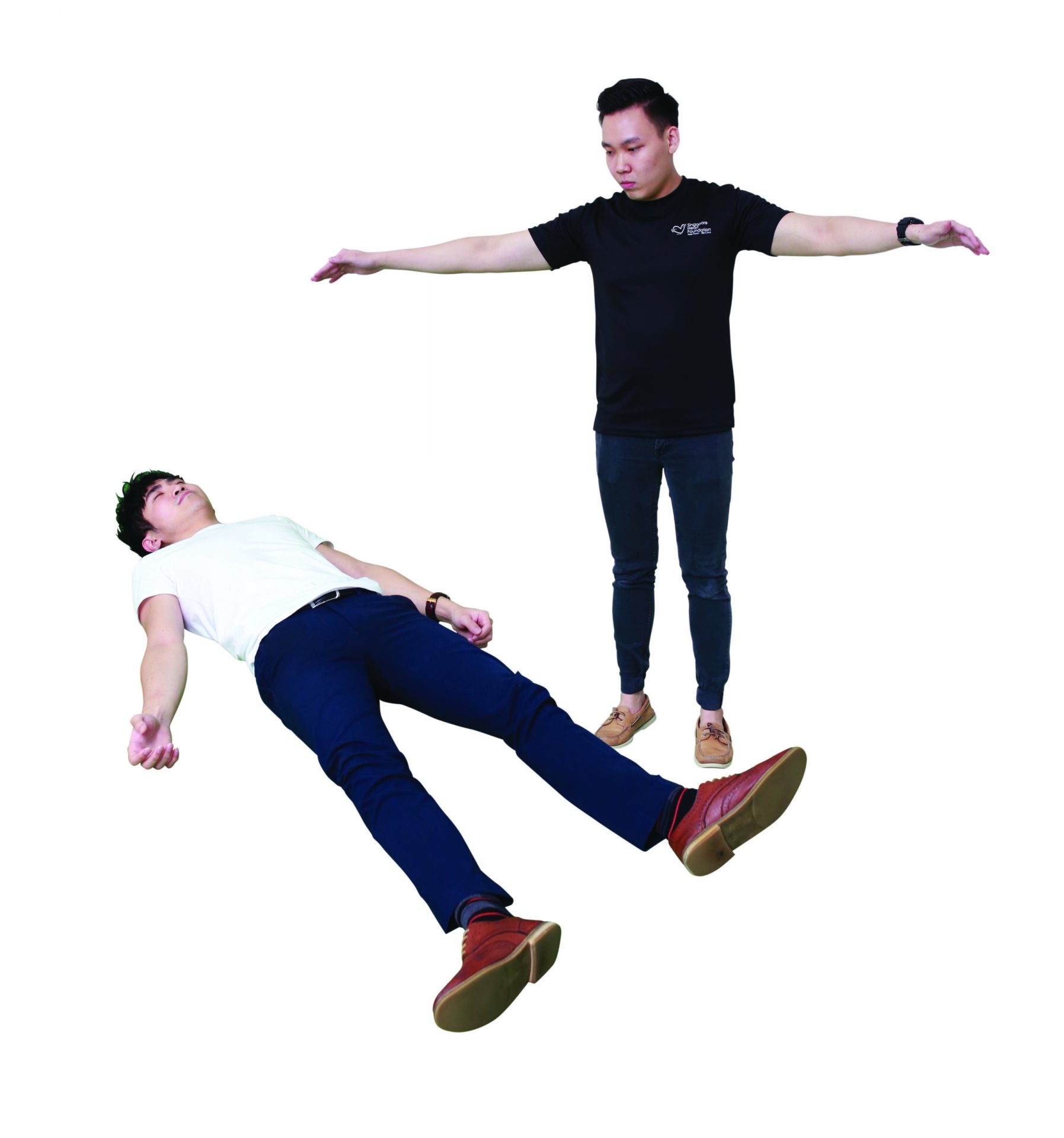 |
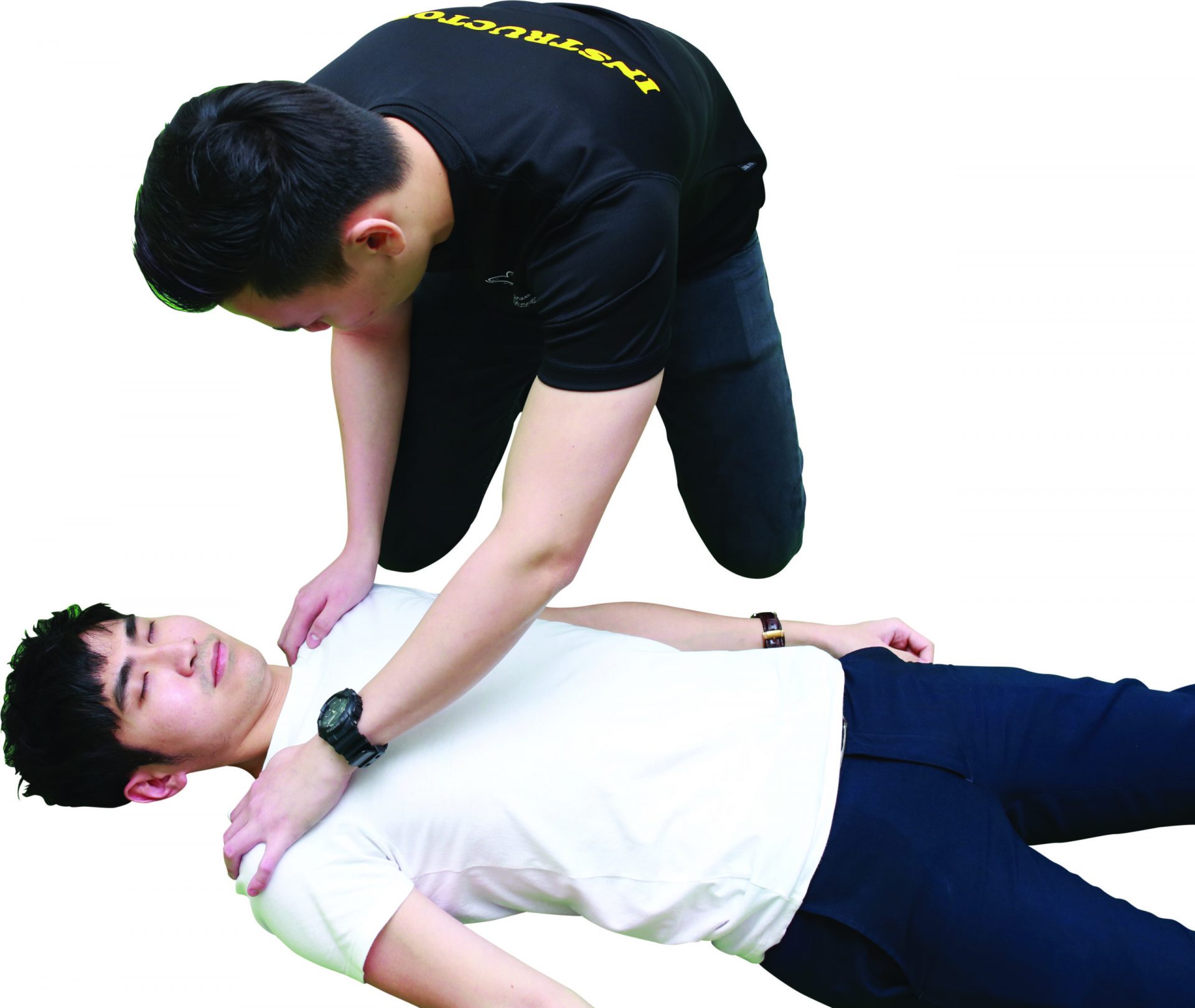
| Response | Check for Response Tap firmly on the casualty’s shoulders and shout “Hello, hello! Are you OK?” |
 |
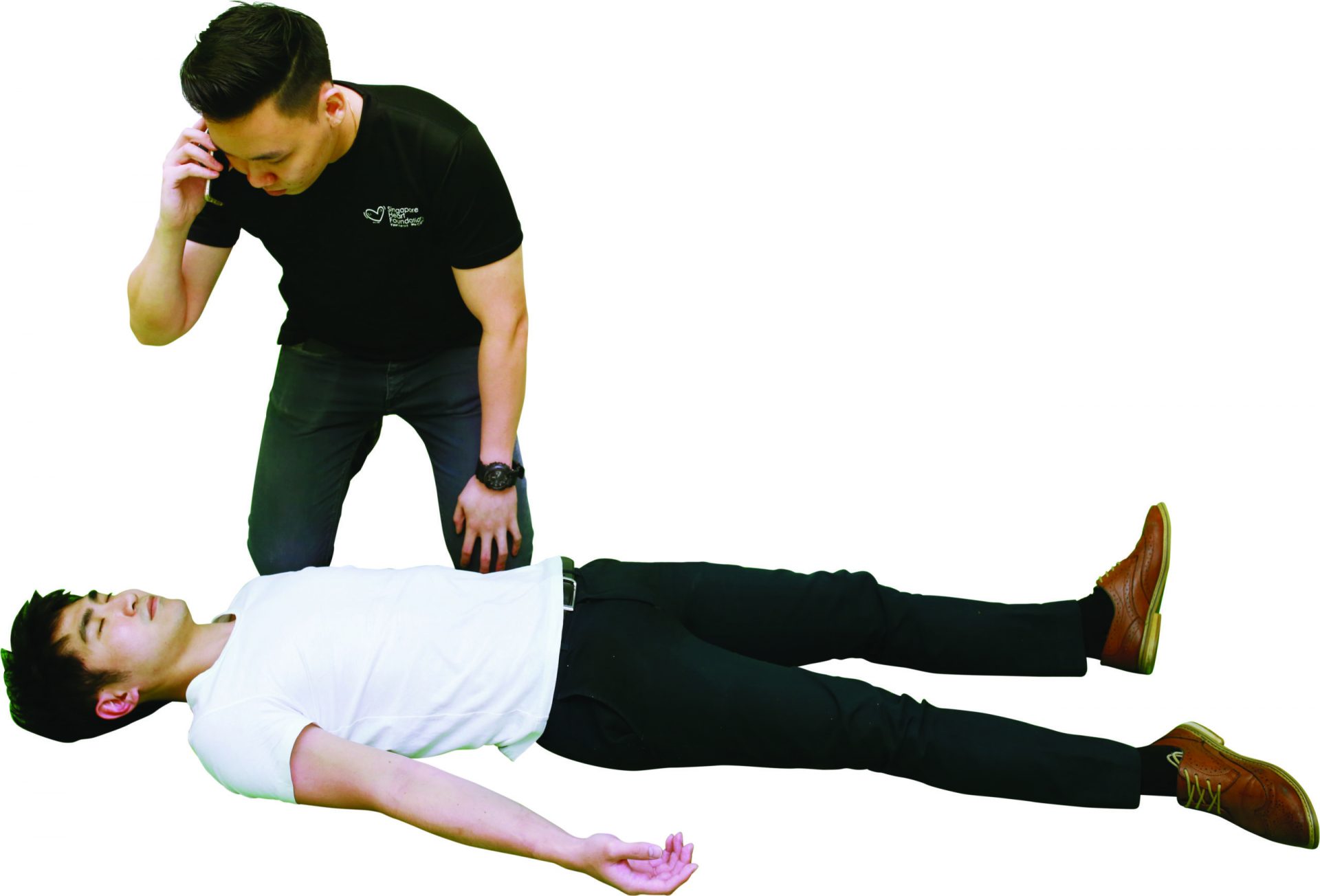
| Shout for Help | Shout for Help Call 995 for an ambulance and stay on the line. Note: Follow dispatcher’s instructions, if unsure. |
 |
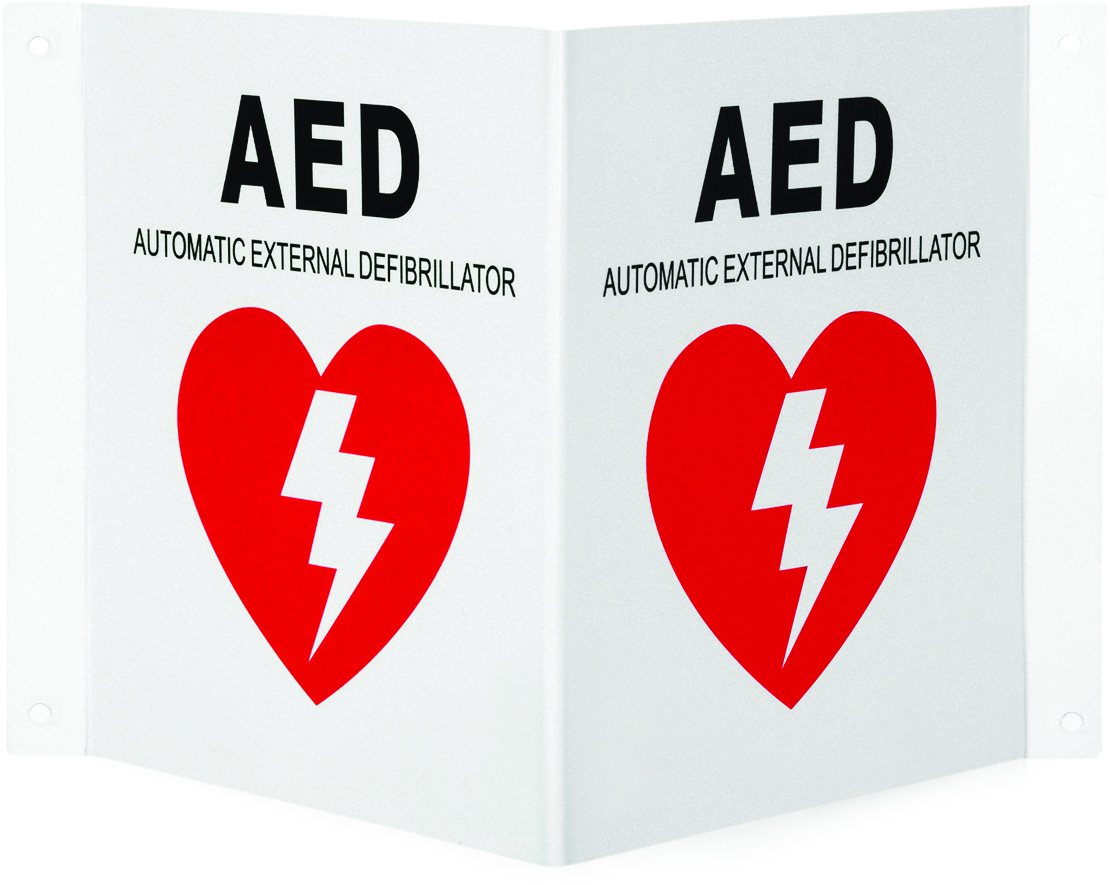
| AED | Ask someone to get an Automated External Defibrillator (AED) New Practice When alone, only get the AED if it is visible and nearby |
 |
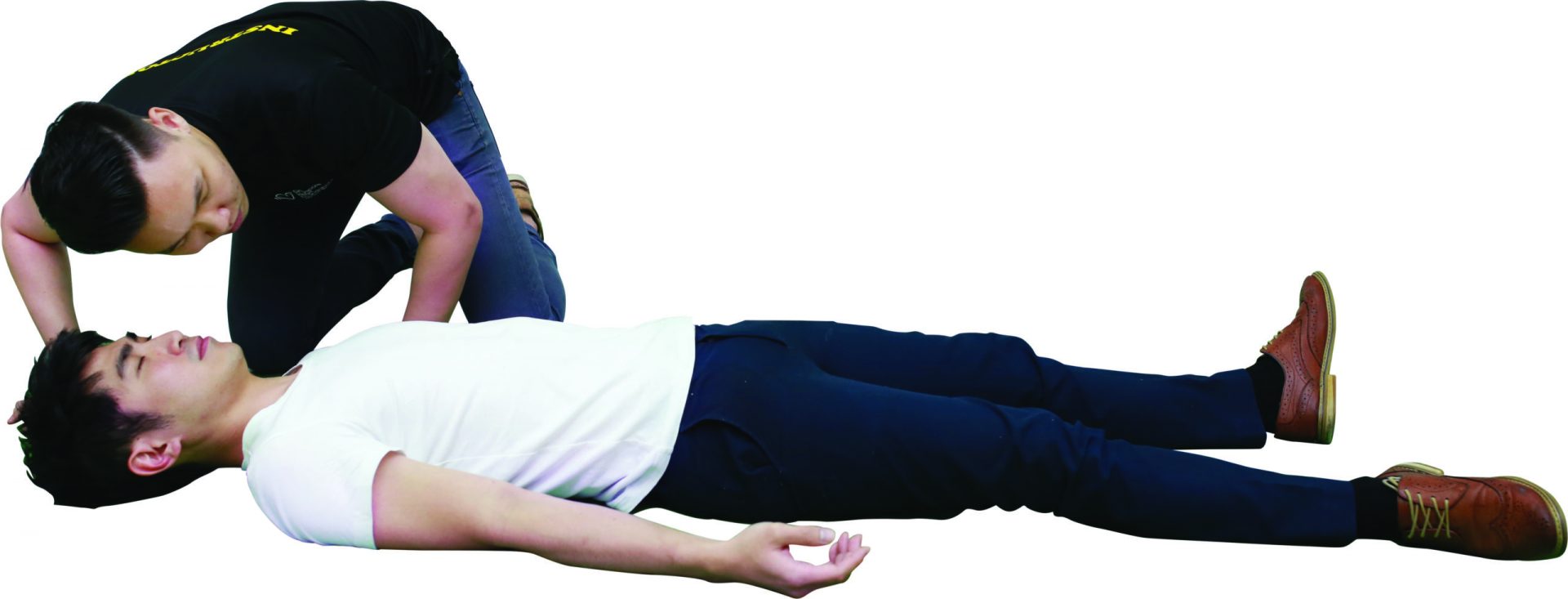
| Breathing | Check for normal Breathing Look for rise and fall of the chest (not more than 10 sec). If casualty is not breathing normally or if you are unsure, start CPR. New Practice Note: Agonal breathing or gasping is not normal breathing |
 |
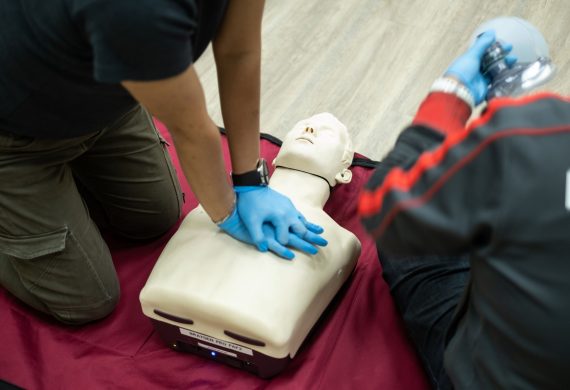
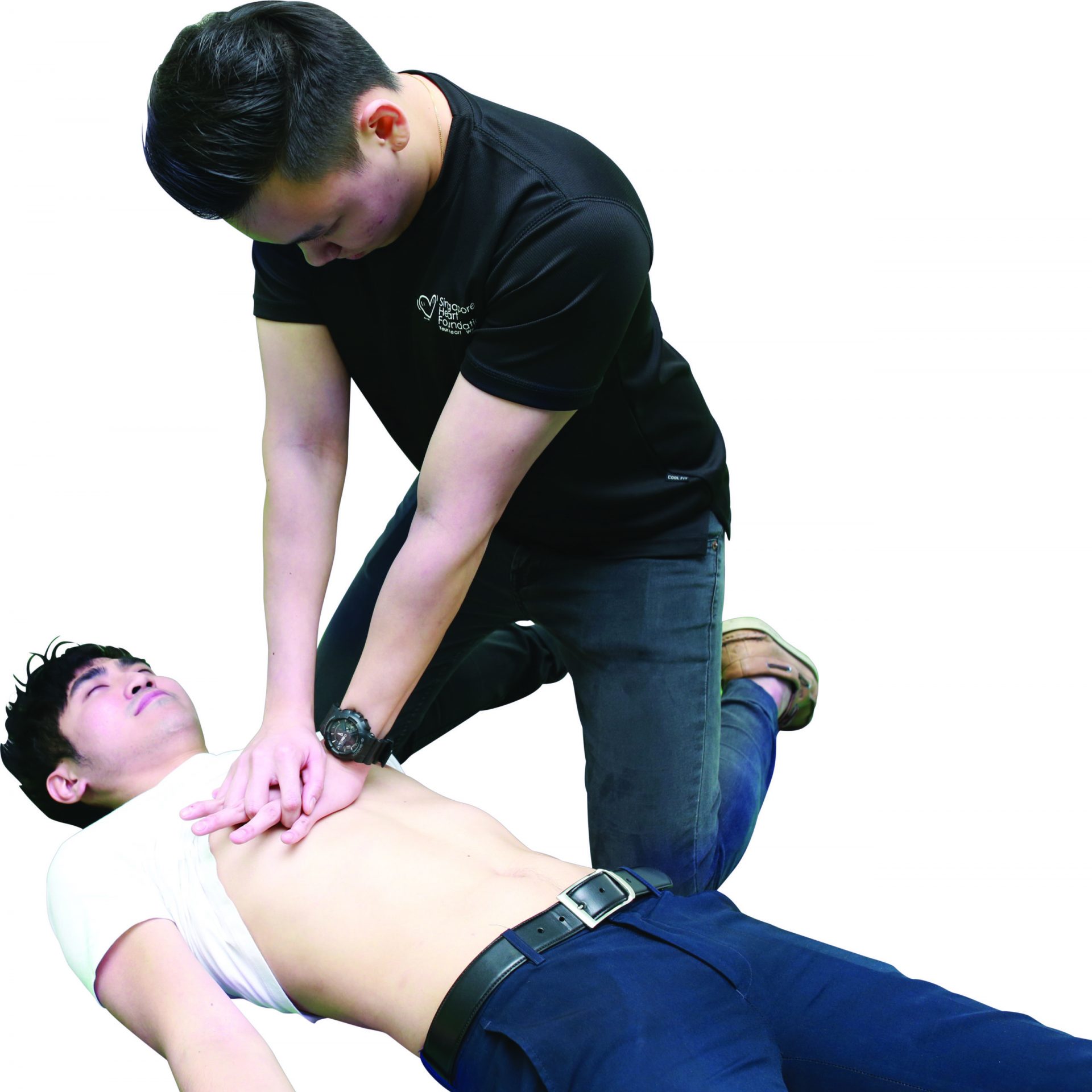
| Compression | Perform continuous CPR Push hard at a rate of 100 – 120 compressions per min at a depth of 4 – 6 cm at the lower half of breastbone. |
 |
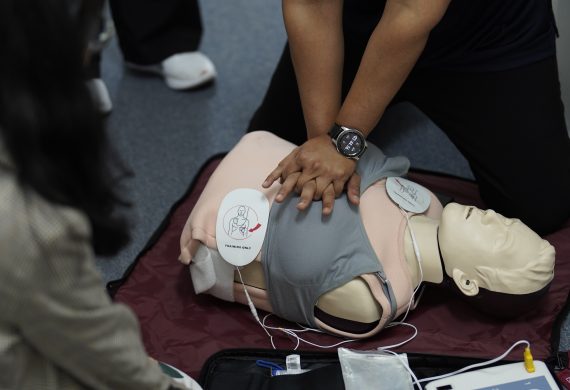
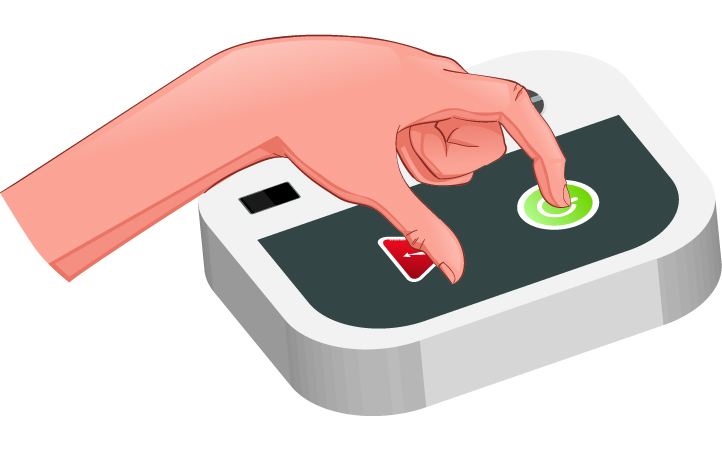
| Automated External Defibrillator | Arrival of AED Check for safety – no metal surface, water or combustible gas. Switch on the AED. |
 |
| Follow voice prompts and apply pads. | 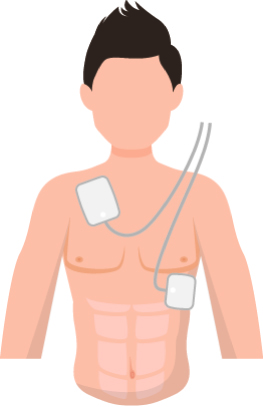 |
|
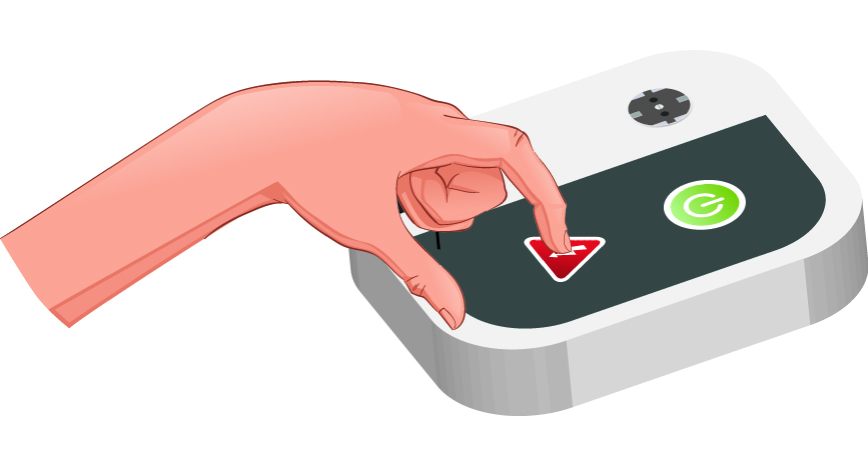
| Press shock button if instructed, after checking for safety New Practice If no shock is advised, continue CPR. Stop CPR when:
|
 |
New Practice If you are a single rescuer and feeling tired, you may take a rest of not more than 10 seconds (preferably after 100 compressions).
The information provided in this article is based on guidelines by the Singapore Resuscitation and First Aid Council.
Article contributed by Mr Eric Lee, Singapore Heart Foundation’s Volunteer Principal Chief Instructor and Basic Cardiac Life Support, Cardiopulmonary Resuscitation and Automated External Defibrillator Training Consultant