
|
What Is Good Cholesterol and How to Increase It
Key Takeaways:
How to Increase Good Cholesterol For Better Heart Health
- High-Density Lipoprotein (HDL) is known as “good” cholesterol because it helps clear excess cholesterol from the bloodstream, reducing the risk of heart disease.
- Low HDL levels are commonly associated with conditions such as obesity, high blood pressure, high blood sugar, elevated triglycerides and metabolic syndrome.
- To improve HDL levels, focus on eating healthier fats, staying physically active, quitting smoking, maintaining a healthy weight and drinking alcohol in moderation.
Introduction
Cholesterol is a fat-like substance that plays an essential role in the body. It is naturally produced and can also be obtained from food. While it is importantfor building cell membranes and supporting hormone production, the body only requires a small amount. Excess cholesterol, however, can build up in the bloodstream and increase the risk of cardiovascular health complications, including cardiovascular disease.
In this article, we explore what good cholesterol is and how to increase it to support betterheart health.
What is Good Cholesterol?
High-Density Lipoprotein (HDL) is commonly known as “good” cholesterol and plays an important role in maintaining cardiovascular health. Unlike Low-Density Lipoprotein (LDL), which can contribute to plaque build-up in the arteries, HDL helps to remove excess cholesterol from the bloodstream. It transports cholesterol away from the arteries and tissues back to the liver, where it is broken down and removed from the body. This process supports healthier blood vessels and is linked to improved cardiovascular health outcomes.
Why Good Cholesterol Matters
Higher levels of HDL cholesterol are generally associated with a lower risk of coronary heart disease and better cardiovascular health.Low HDL levels, on the other hand, are associated with an increased risk of cardiovascular disease. However, research suggests that HDL is more complex than previously understood, and its protective effects may depend on broader metabolic factors such as lipid profile balance and overall cardiovascular health.
Even so, understanding how to increase good cholesterol remains an important part of improving long-term cardiovascular health.
When Do People Have Low HDL Cholesterol?
Low HDL (good) cholesterol is often found alongside other metabolic risk factors, including:
- Obesity
- High blood pressure
- High blood sugar
- Elevated triglycerides
- Metabolic syndrome
These conditions often cluster together, significantly increasing the risk of cardiovascular disease and poorer health outcomes.. Symptoms of high blood cholesterol can include chest pain, shortness of breath or a heart attack in severe cases. This makes it crucial for individuals to adopt preventive lifestyle measures to reduce the impact of these factors.
How To Increase Good Cholesterol Through Lifestyle Habits
While increasing HDL (good) cholesterol levels is a key factor in supporting heart health, it is not a standalone solution for preventing heart disease. A healthy lifestyle that promotes higher HDL levels can significantly improve overall cardiovascular health. By addressing the causes of high blood cholesterol, such as poor diet, lack of physical activity and obesity, individuals can take a more comprehensive approach to reducing their risk of heart disease.
Here are some practical ways you can increase good cholesterol:
1. Eat Healthier Fats
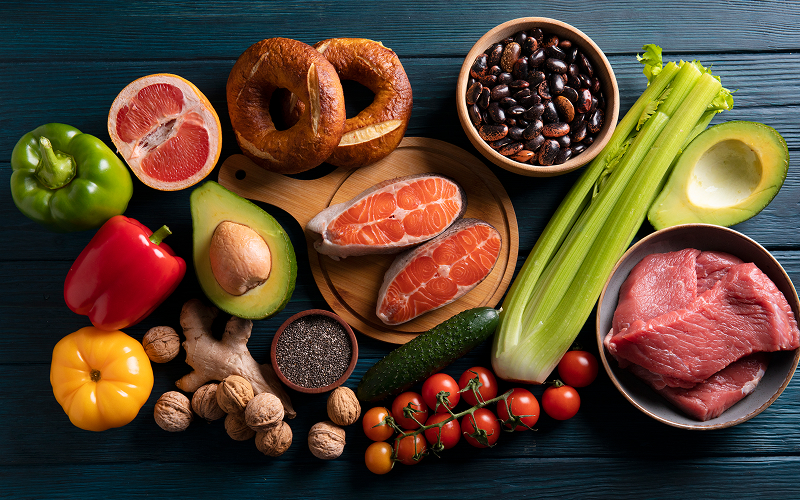
Incorporating healthier fats into your diet can help balance your cholesterol levels. Opt for unsaturated fats as they can help improve the overall lipid profile and reduce the risk of plaque build-up in the arteries. Avoiding trans fats and excessive saturated fats is also essential. These fats not only elevate LDL (bad) cholesterol but also reduce HDL (good) cholesterol levels, which potentially leads to a higher risk of heart disease.
- Use olive oil instead of butter or ghee
- Include fatty fish such as salmon or mackerel (rich in omega-3 fatty acids)
- Eat nuts and seeds in moderation
- Reduce intake of refined carbohydrates and added sugars
2. Stay Physically Active
Regular exercise is one of the most effective ways to boost HDL levels. Aim for 150 to 300 minutes of moderate-intensity aerobic physical activity each week, such as brisk walking, cycling, swimming or jogging. Exercise improves circulation, supports healthy weight management and contributes to a healthier lipid profile.
3. Avoid Smoking / Vaping
Smoking / vaping can be a major risk factor for heart disease as it lowers HDL (good) cholesterol and damages blood vessels, significantly affecting cardiovascular health. Quitting smoking / vaping is one of the most effective lifestyle changes for improving HDL levels and reducing the risk of cardiovascular disease
4. Maintain a Healthy Weight
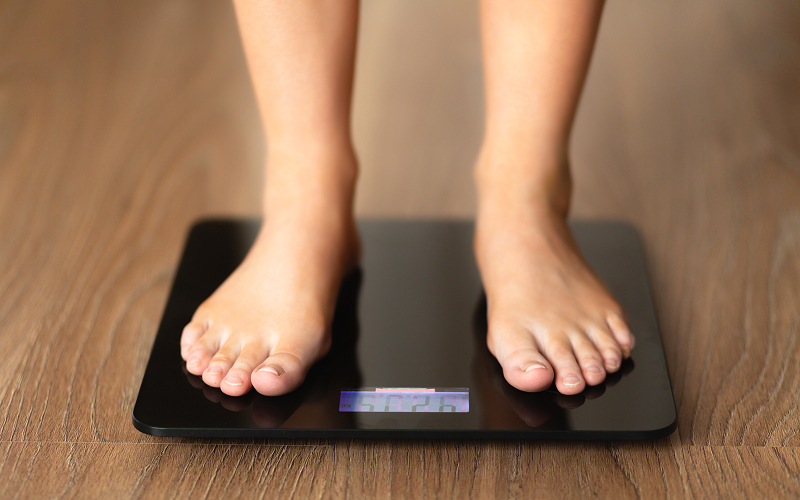
Being overweight or obese can lower HDL levels. When you are overweight or obese, your body tends to have higher levels of LDL (bad) cholesterol and triglycerides, while your HDL (good) cholesterol levels typically decrease. This is because excess fat, particularly visceral fat, can interfere with the body’s ability to process and remove cholesterol efficiently. Losing weight gradually through a balanced diet and regular exercise may improve your cholesterol profile and support long-term cardiovascular health.
5. Consume Alcohol Cautiously
Moderate alcohol consumption has been associated with higher HDL levels, but it is not recommended as a strategy to improve cholesterol or cardiovascular health. If consumed, women should limit to no more than one standard drink per day, while men should consume no more than two standard drinks per day. A standard drink is 2/3 can (220ml) of a beer, one glass (100ml) of wine or one glass (30ml) of spirits.
A Holistic Approach to Heart Health
Understanding how to increase good cholesterol through lifestyle changes is essential for reducing the risk of cardiovascular disease. Signs of cholesterol imbalances often go unnoticed. They can be silent and asymptomatic, making regular cholesterol testing and awareness important. By staying informed and proactive about your blood cholesterol levels, you can catch potential issues early and address them before they lead to more severe health problems.
While raising HDL (good) cholesterol is an important goal, it should form part of a broader, more comprehensive approach to overall heart health. Simply focusing on cholesterol levels in isolation may not provide the full picture of your cardiovascular wellbeing. It is crucial to combine efforts to raise HDL cholesterol with other heart-healthy habits, such as eating a balanced diet, staying physically active, managing stress and avoiding harmful habits like smoking/vaping and excessive alcohol consumption.


