
|
Good Cholesterol and Diet: What Foods Can Increase HDL Cholesterol
Key Takeaways:
What Are Foods That Increase HDL?
- Fibre-rich foods such as fruits and vegetables, and whole grains support healthy cholesterol levels and overall heart health.
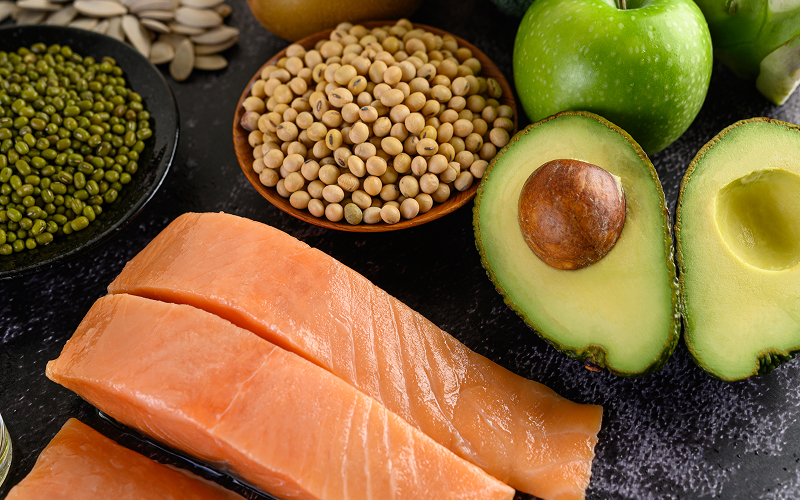
- Unsaturated fats from nuts, avocados and plant-based oils can help maintain cholesterol balance when replacing saturated fats.
- Oily fish such as salmon, sardines and mackerel provide omega-3 fatty acids, which may support healthy cholesterol levels when eaten regularly.
Introduction
Maintaining healthy cholesterol levels is an important part of protecting long-term heart health. Cholesterol is a fatty substance required for several bodily functions. However, when levels become imbalanced, the risk of cardiovascular disease increases. High blood cholesterol may contribute to atherosclerosis, a condition where plaque builds up in the arteries, restricting blood flow and increasing the risk of heart disease and stroke.
While blood tests provide useful insight r into blood cholesterol levels, understanding dietary guidance early allows individuals to make informed lifestyle choices. One key area of interest is high-density lipoprotein (HDL), often referred to as “good” cholesterol.
Adopting a heart-healthy dietary pattern that includes foods that increase HDL may support better cholesterol balance and overall cardiovascular health.
What is Good Cholesterol and Why Does It Matter?
Cholesterol travels through the bloodstream attached to lipoproteins. Two main types are low-density lipoprotein (LDL) and high-density lipoprotein (HDL).
HDL cholesterol plays a protective role by transporting excess cholesterol away from the bloodstream to the liver for removal. This helps reduce the build-up in the arteries and supports healthy cholesterol levels.
Maintaining balanced blood cholesterol levels is essential for reducing the risk of cardiovascular disease. However, cholesterol imbalance can develop silently without noticeable symptoms, making regular screening and awareness important.
How Diet Influences Cholesterol Levels
Diet plays a key role in shaping blood cholesterol levels over time. Foods rich in fibre and healthier fats can support favourable blood cholesterol patterns, including maintaining HDL levels.
At the same time, diets high in saturated fats, trans fats and highly processed foods are associated with high blood cholesterol. While genetics, age and other medical conditions also contribute, daily dietary habits remain a key area where individuals can make practical changes.
Adopting a heart-healthy dietary pattern is one of the most practical ways to support long-term cardiovascular health.
What are Some Fibre-Rich Foods That Increase HDL?
Fibre supports heart health by reducing cholesterol absorption in the digestive system and supports healthy digestion. Common foods that increase HDL or support healthier cholesterol levels include a variety of fibre-rich plant foods.
1. Fruits and Vegetables
Fresh fruits and vegetables are rich in fibre, vitamins, minerals and antioxidants. Regular consumption of these foods forms a key part of healthy dietary plans.
General dietary guidance recommends:
- Two servings of fruits daily. One serving of fresh fruit is roughly the size of a fist.
- Two servings of vegetables daily. One serving of cooked vegetables is approximately three-quarters of a cup.
Examples of fibre-rich options include leafy greens, carrots, broccoli, apples, papaya and berries. These foods support healthy blood cholesterol levels and overall dietary balance.
2. Whole Grains
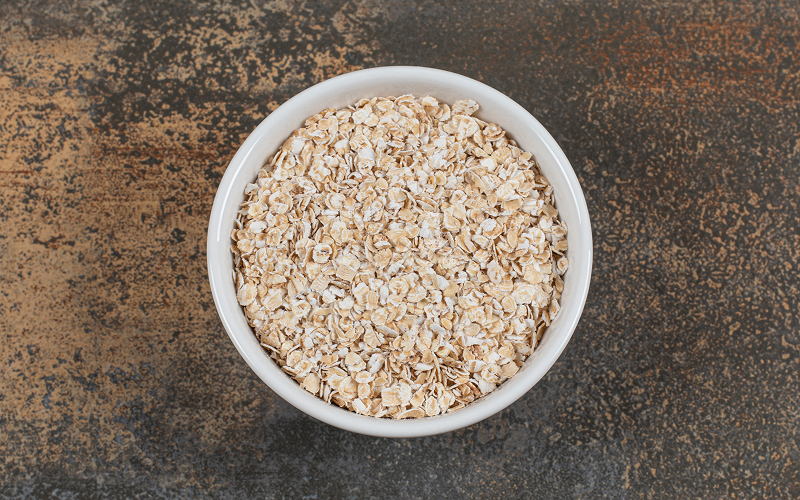
Whole grains are an important source of fibre and nutrients. Unlike refined grains, they retain their bran and germ layers, which support healthy blood cholesterol levels.
Examples of whole grains include:
- Brown rice
- Wholemeal bread
- Whole-wheat chapatti Oats
- Barley
Typical serving examples:
- Half a bowl of brown, red or unpolished rice
- Half a bowl of brown rice beehoon or whole-wheat spaghetti
- Two slices of wholemeal or multigrain bread
- Two chapattis
- Two-thirds of a bowl of raw oats
Include two to three servings of whole grains daily is commonly recommended as part of balanced meal planning.
What is the Role of Unsaturated Fats in Heart Health?
Not all fats affect the body in the same way. Unsaturated fats, which include monounsaturated and polyunsaturated fats, are considered healthier choices when they replace saturated fats in the diet. These fats can help maintain healthy blood cholesterol levels when they replace saturated fats in the diet.
Foods rich in unsaturated fats include:
- Nuts and seeds
- Avocados
- Healthier cooking oils such as olive oil, canola oil, sunflower oil, corn oil, peanut oil, soybean oil and sesame oil
Using these oils in moderate amounts for cooking instead of saturated fats can be part of healthier dietary habits. Nuts such as almonds, walnuts and pistachios can also be consumed as snacks in appropriate portions.
Oily fish are another category of foods that increase HDL and support heart health. They contain omega-3 fatty acids, a type of polyunsaturated fat that may contribute to healthy blood cholesterol levels when consumed regularly.
Examples include:
- Salmon
- Mackerel
- Herring
- Sardines
- Albacore tuna
- Lake trout
- Cod
- Saba
Dietitians highlight that omega-3 fatty acids may contribute to healthier lipid levels when included as part of a balanced diet.
The Health Promotion Board (HPB) recommends consuming fish, especially oily fish, at least twice a week as part of a heart-healthy dietary pattern. A typical serving of fish is approximately the size of a palm.
Why Cholesterol Awareness Matters
Many individuals only become aware of blood cholesterol issues after complications arise. However, early awareness and prevention are key. Cholesterol imbalance often presents no clear symptoms, making regular screening and adherence to dietary guidance important for maintaining healthy cholesterol levels. .
Diet is only one part of the wider picture. Understanding the causes of high blood cholesterol, such as unhealthy dietary patterns and certain medical conditions, helps people take earlier preventive action. Regular exercise, stress management, and routine health check-ups can also support heart health over time.
Diet as Part of Long-Term Heart Health
Improving dietary habits does not require drastic or restrictive changes. Small, consistent steps, such as incorporating foods that increase HDL, can support healthy cholesterol levels over time. A balanced heart-healthy dietary pattern that includes fruits and vegetables, whole grains, healthier fats and fish can help individuals build sustainable habits for better cardiovascular health.
Heart health is a lifelong journey. With greater awareness and practical lifestyle knowledge, individuals can take meaningful steps towards living healthier, longer and heart-strong lives.


