
|
What Foods Should You Avoid with Diabetes? A Practical Daily Guide
Key Takeaways:
What Foods to Avoid With Diabetes and How to Improve Blood Sugar Control?
- Limit high-GI hawker foods like “lo mai gai”, mee siam and mee goreng as they can raise blood sugar quickly.
- Be mindful of everyday supermarket staples such as white bread, white rice and processed cereals.
- Cut back on starchy foods like potatoes, sweet potatoes and pumpkin.
- Watch intake of high-sugar fruits such as watermelon and dried dates.
- Avoid sugary beverages like sports drinks and carbonated drinks.
- Focus on moderation and choose lower-GI alternatives to support stable blood sugar levels.
Introduction
When people hear the word diabetes, it is often associated with having too much sugar in the body. While this is partly true, diabetes is more complex. So, what is diabetes?
It is a chronic medical condition that occurs when the body is unable to produce insulin or cannot use it effectively. Insulin is the hormone that helps convert glucose from food into energy. When this process is disrupted, glucose builds up in the bloodstream instead of being used by the body’s cells.
Understanding how food affects blood glucose is an important part of managing diabetes. Making informed dietary choices and understanding what foods to avoid with diabetes can help prevent sudden spikes in blood sugar levels and support long-term health.
Why Diet Matters for Blood Sugar Control
Food plays a direct role in how blood glucose levels change throughout the day. Some foods are digested quickly and release glucose rapidly into the bloodstream, while others are broken down more slowly.
Maintaining a healthy blood sugar range is important to reduce the risk of complications, including cardiovascular disease. Over time, large and frequent spikes in blood glucose can place stress on the body, particularly the heart and blood vessels. This is why understanding which foods to limit is just as important as knowing what to include in your diet.
What is the Glycaemic Index (GI)?
The glycaemic index is a useful tool that ranks foods based on how quickly they raise blood glucose levels. It is measured on a scale from 1 to 100 and applies mainly to carbohydrate-containing foods.
- Low GI: below 55
- Medium GI: 56 to 69
- High GI: above 70
Low-GI foods release glucose gradually, helping to avoid sudden spikes. High-GI foods are digested quickly and can cause sharp increases in blood sugar, which can be harder to manage for individuals with diabetes.
What Foods To Avoid With Diabetes: High-GI Foods in Local Diets
In Singapore, many popular hawker dishes are high in refined carbohydrates and starch. These foods often contain ingredients such as white rice or rice flour, which contribute to higher GI values.
Examples include “lo mai gai” (steamed glutinous rice with chicken), mee siam and mee goreng. While these dishes are widely enjoyed, frequent consumption may lead to more rapid increases in blood glucose.
Being mindful of portion sizes and frequency can help reduce the impact on blood sugar while still allowing for occasional enjoyment.
What Foods To Avoid With Diabetes: Some Supermarket Foods to Watch
To maintain normal blood sugar levels, it is helpful to look at everyday supermarket staples. Many of these foods may not taste overly sweet, yet they can still contribute to higher blood glucose readings due to their starch content, level of processing or added sugars.
Over time, regular consumption of these foods can lead to more frequent spikes, especially when portion sizes are not managed. Being aware of how these staples affect your blood sugar makes it easier to make more informed choices during routine grocery shopping, while still maintaining a practical and balanced diet.
1. Starchy Foods
Starchy vegetables and refined grains are often high on the glycaemic index. Although these foods are commonly included in everyday meals, their carbohydrate content can have a noticeable impact on blood sugar, especially when consumed in larger portions.
- Potatoes
- Sweet potatoes
- Pumpkin
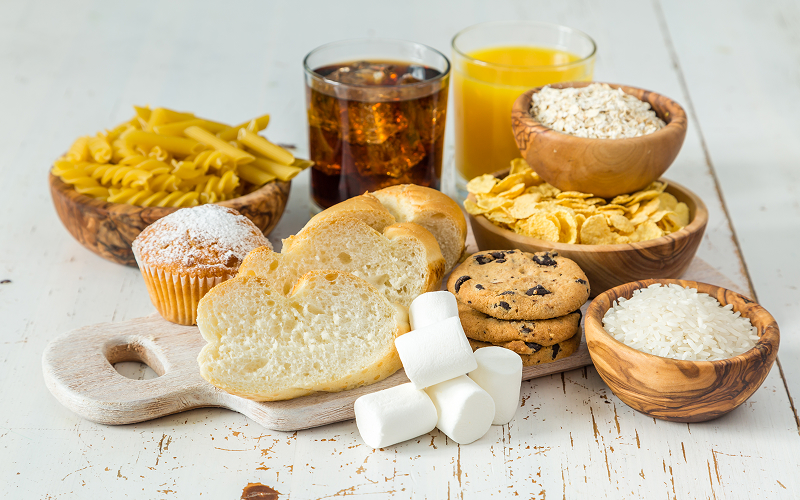
2. Refined Carbohydrates
Refined carbohydrates are often made from processed grains that have had their fibre and nutrients removed. As a result, they are digested more quickly and can lead to faster rises in blood glucose levels.
- White bread
- Baguettes
- Bagels
- White rice
- Glutinous rice
- Calrose rice
3. Processed Cereals
Many breakfast cereals are highly processed and often contain added sugars, even if they do not taste overly sweet. This combination allows them to be digested quickly, which can lead to a faster rise in blood glucose levels.
- Rice Krispies
- Cornflakes
4. Fruits With High Sugar Content
Some fruits have a higher glycaemic impact, especially when consumed in larger portions. While fruits contain natural sugars and provide important nutrients, certain types can still raise blood glucose levels more quickly.
- Watermelon
- Dried dates
5. Beverages
Sugary drinks can cause rapid spikes in blood glucose levels. Unlike solid foods, they do not require much digestion, which means the rise in blood sugar can happen more quickly and be harder to control.
- Sports drinks
- Sparkling or carbonated drinks
Reducing intake of these foods or replacing them with lower-GI alternatives can help support better blood sugar control.
A Balanced Approach to Eating
Avoiding certain foods entirely may not always be necessary. Instead, the focus should be on balance, moderation and making informed choices.
Pairing carbohydrates with protein or fibre can slow down glucose absorption. Choosing whole grains over refined options and opting for water instead of sugary drinks are small adjustments that can make a meaningful difference.
Over time, these habits can support more stable blood glucose levels and contribute to overall cardiovascular health.
Building Awareness Beyond Diet
Managing diabetes goes beyond food choices alone. It is part of a broader approach to health that includes physical activity, regular monitoring and awareness of related risks.
Staying active helps the body use insulin more effectively, while regular monitoring allows you to understand how your blood sugar responds to different foods, routines and daily habits. In the long run, these insights make it easier to make adjustments that support more stable blood glucose levels.
Supporting Long-Term Health
Understanding what foods to avoid with diabetes is a key step towards better health, but it should be approached with practicality and consistency. Small, sustainable changes often have the greatest long-term impact.


