
|
How to Reduce High Blood Pressure: Practical Lifestyle Steps for Singaporeans
Introduction
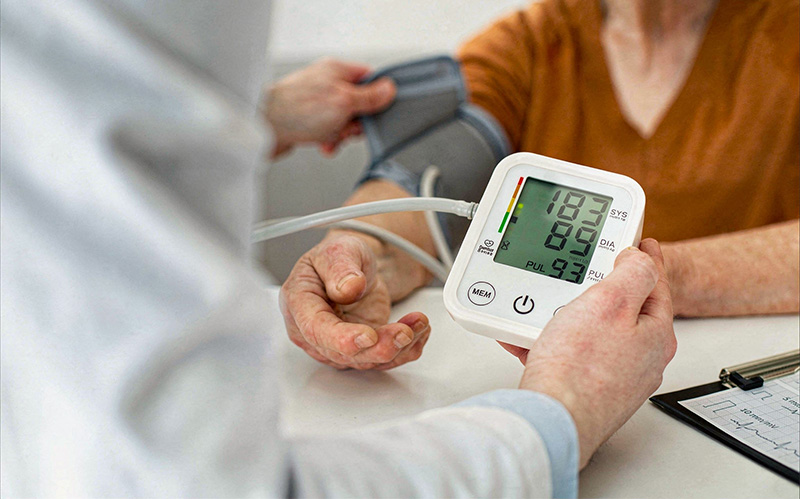
Hypertension, also known as persistent high blood pressure, is increasingly common in Singapore, affecting almost one in four adults aged 30 to 69. Blood pressure checks are commonly included in workplace screenings, general practitioner (GP) visits and community health programmes, making early detection both convenient and widely accessible.
However, high blood pressure rarely presents clear warning signs and symptoms in its early stages. Many people feel perfectly fine and are unaware that their blood pressure is rising until routine checks or more serious complications occur. Left unmanaged, high blood pressure can quietly damage blood vessels and organs over time. The good news is that high blood pressure can often be managed and reduced through early, practical lifestyle changes.
This article focuses on realistic steps Singaporeans can take to support healthier blood pressure levels, with an emphasis on prevention, awareness and long-term heart health. For anyone searching for how to reduce high blood pressure, the most effective starting point is understanding what blood pressure means, what raises it and which daily habits can make a lasting difference.
Key Takeaways:
- High blood pressure is often silent, which means regular checks are important even if you feel well.
- Learning how to reduce high blood pressure starts with consistent lifestyle changes, especially reducing sodium, staying active, managing weight, limiting smoking or vaping and controlling alcohol intake.
- Through regular blood pressure monitoring and medical guidance, individuals can help reduce the risk of heart disease, stroke, kidney damage and other complications.
- Over time, these small but steady actions can make reducing high blood pressure feel more manageable and easier to apply in daily life.
Understanding High Blood Pressure (Hypertension)
How blood pressure is measured
Blood pressure is measured in millimetres of mercury (mm Hg) and recorded as two numbers, such as 140/90 mm Hg. The first number, called systolic blood pressure, reflects the pressure when the heart pumps blood. The second number, called diastolic blood pressure, reflects the pressure when the heart relaxes between beats.
A diagnosis of hypertension is usually based on repeated readings taken on separate occasions, rather than a single elevated measurement. Blood pressure is measured using a sphygmomanometer or blood pressure monitor. For people learning how to reduce high blood pressure, accurate measurement matters because unreliable readings can lead to unnecessary worry or false reassurance.
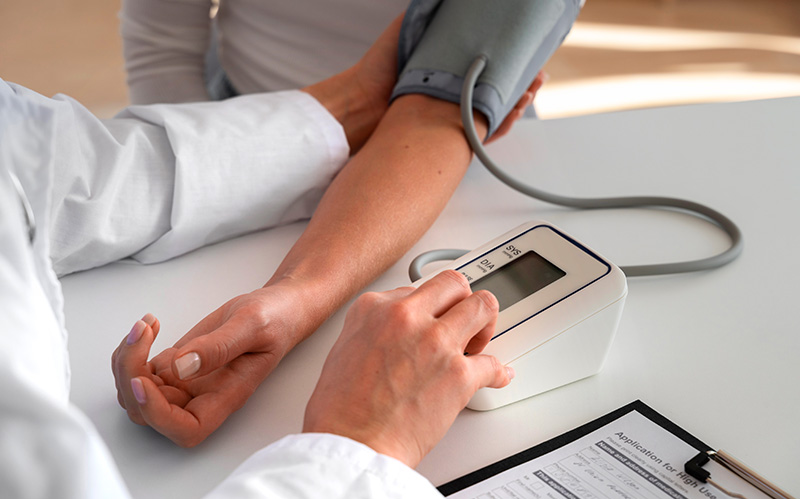
An accurate assessment usually requires the following conditions:
- Avoid caffeine, alcohol or smoking 30 minutes before the blood pressure measurement
- Go to the bathroom. A full bladder may cause your blood pressure readings to be inaccurate
- Remove or change out of any constrictive, tight-fitting or thick clothing, like a sweater
- Take readings under resting conditions
- Take an average of two or more readings
- Take measurements across multiple occasions to establish a baseline
Blood pressure can rise temporarily or persistently due to several factors that affect blood volume, blood vessel flexibility and how hard the heart needs to pump.
Blood pressure may increase when:
- Salt intake is high, causing the body to retain more water and increase blood volume
- Blood vessels become more rigid due to atherosclerosis, where fatty substances build up in the vessel walls
These changes explain why diet, movement, weight management and smoking cessation are often vital to advise on how to reduce high blood pressure.
How high blood pressure increases the risk of heart disease and stroke
High blood pressure is often called a “silent killer”. This is because many people do not experience obvious discomfort even when their blood pressure is already above the healthy range. As a result, some people only take action after a health screening or after symptoms of a related complication appear. Understanding this silent nature is important when discussing high blood pressure symptoms and prevention.
Blood pressure naturally fluctuates throughout the day depending on:
- Time of day
- Physical activity
- Emotional stress
Many people do not experience obvious symptoms, even when their blood pressure is high. As hypertension develops quietly, it often goes unnoticed unless blood pressure is measured under proper resting conditions and on more than one occasion. This makes regular checks an important first step in understanding how to reduce high blood pressure before complications develop.
Blood pressure is the force that the heart uses to pump blood around the body, delivering oxygen and nutrients to organs and tissues. High blood pressure occurs when blood is pumped through the blood vessels at a persistently higher pressure than normal. Over time, this constant pressure can damage the inner lining of blood vessels and make the heart work harder than it should.
Hypertension, also known as persistent high blood pressure, is a major risk factor for coronary artery disease and stroke. When people ask what the effects of high blood pressure are, the answer is not limited to one organ. It can affect the heart, brain, kidneys, eyes and blood vessels throughout the body.
When left untreated, high blood pressure increases the risk of:
- Heart attack and heart failure
- Stroke, including intracerebral bleeding, which is strongly linked to hypertension
- Damage to vital organs, such as the kidneys, due to long-term strain on blood vessels
- Vision loss
This is why learning how to reduce high blood pressure is not only about improving a number on a monitor. It is also about lowering the long-term risk of serious cardiovascular and organ-related complications.
How high blood pressure affects the body over time
High blood pressure does not usually cause damage overnight. The risk comes from persistent pressure that gradually strains blood vessels, organs and the heart. If you are trying to understand how to reduce high blood pressure, it helps to see how the condition affects different parts of the body over time.
1. Impact on the brain
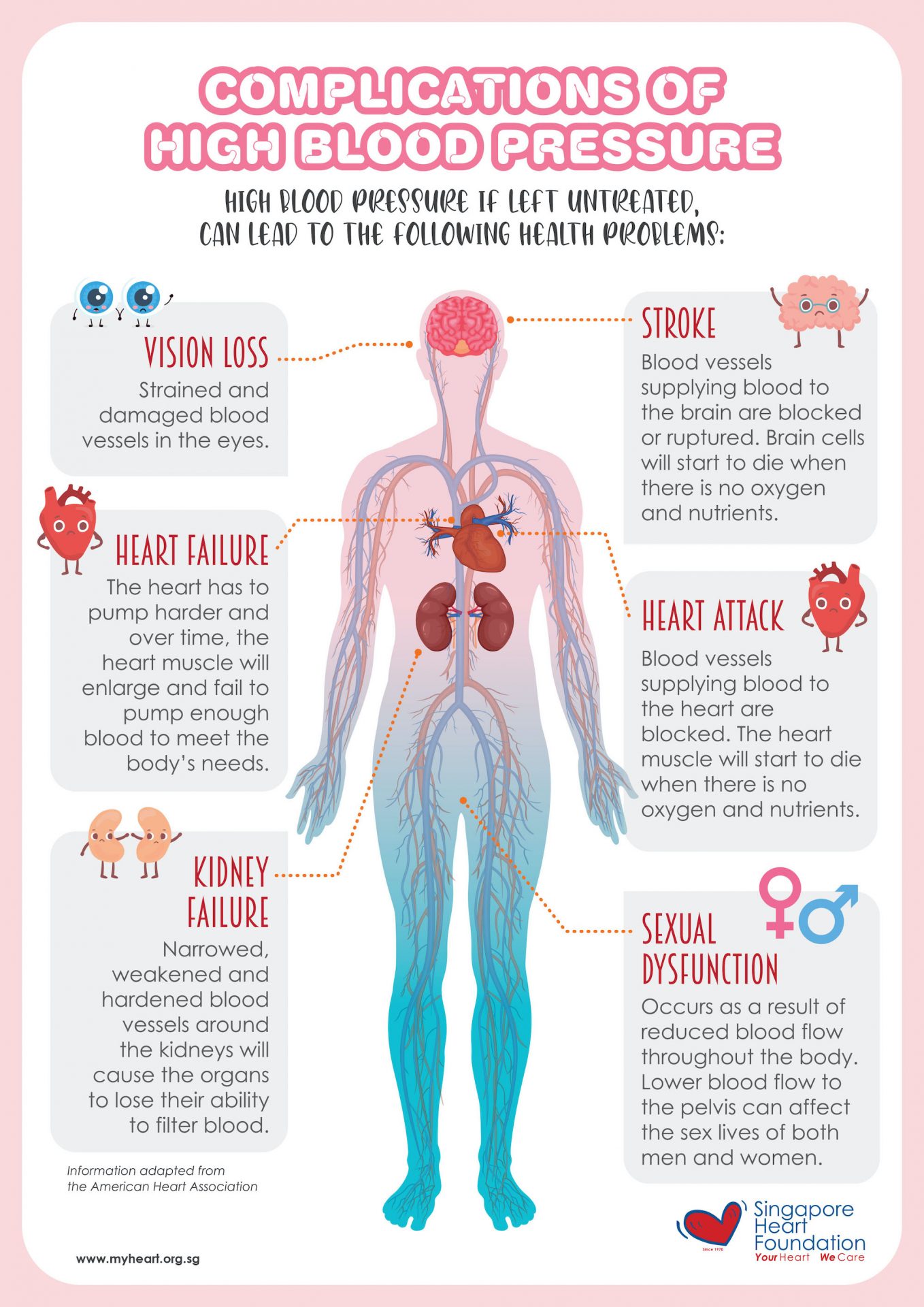
Hypertension can cause blood vessels supplying blood to the brain to be blocked or ruptured. This will lead to the death of brain cells, depriving the brain of oxygen and nutrients. This significantly raises the risk of stroke.
2. Impact on the kidneys
High blood pressure can narrow, weaken or harden the blood vessels around the kidneys. The kidneys play a key role in filtering waste and balancing fluid levels in the body. When kidney blood vessels are damaged, this filtering function can decline over time. This may lead to kidney disease or kidney failure.
3. Impact on vision
Strained and damaged blood vessels in the eyes can affect eyesight. In severe cases, this may lead to vision loss or blindness. Vision changes can affect daily activities such as reading, working, driving and moving around safely.

4. Impact on limbs and circulation
Reduced blood flow to the arms and legs may cause pain and circulation problems. Risks are higher in individuals who smoke or have high blood cholesterol or diabetes. Poor circulation can cause leg discomfort during walking, slow wound healing and coldness or numbness in the limbs. This is another reason why smoking cessation, cholesterol control and physical activity are important parts of how to reduce high blood pressure.
5. Risk of aneurysm
Uncontrolled high blood pressure can weaken artery walls. This may cause an aneurysm, where the artery balloons and becomes prone to rupture. An aneurysm can occur silently and may become dangerous if it ruptures.
6. Damage to the heart
High blood pressure forces the heart to pump harder. Over time, this extra strain can cause the heart muscle to enlarge and weaken, making it harder for the heart to pump enough blood to meet the body’s needs. It can also contribute to blocked blood vessels supplying the heart, which may lead to a heart attack if the heart muscle is deprived of oxygen.
Practical Lifestyle Changes That Help Lower Blood Pressure
What lifestyle factors ncrease blood pressure?
Before making changes, it is useful to understand what causes high blood pressure in everyday life. Some risk factors, such as age and family history, cannot be changed. However, many lifestyle risk factors can be reduced through better routines, food choices, and greater health awareness.
Recognising these factors makes it easier to understand how to reduce high blood pressure in a sustainable way.
1. Unhealthy Diet (Especially High Sodium Intake)
An unhealthy diet, particularly one high in sodium, contributes significantly to raised blood pressure. Many processed foods, fast food options and snacks contain large amounts of salt. In Singapore, sodium can also come from sauces, soups, gravies, preserved foods and seasoning used in hawker or restaurant meals.
Excess sodium causes the body to retain more water. Increased fluid in the body raises blood volume, which in turn increases blood pressure. This is why understanding what foods to avoid with high blood pressure can make daily food choices easier.
In general, it helps to limit sodium-rich options such as heavily processed meats, instant noodles, salty snacks, preserved foods, canned soups, high-sodium sauces and salty hawker dishes when eaten too frequently.
2. Physical inactivity and prolonged sitting
Sitting for long periods at work, school or home reduces overall physical activity and keeps the body in a lower-energy state for much of the day. Over time, this can contribute to weight gain, poorer circulation and reduced cardiovascular fitness, all of which may place more strain on the heart and blood vessels. Physical inactivity is therefore closely linked to higher blood pressure levels over time.
For many Singaporeans, prolonged sitting happens naturally during office work, commuting, studying or screen time at home. For those learning how to reduce high blood pressure, breaking up long periods of sitting can be a practical place to start. Even short movement breaks can help reduce sedentary time. Standing up regularly, walking during lunch breaks and taking the stairs are simple ways to make activity part of the day.
3. Obesity and excess body weight
Carrying excess weight places additional strain on the heart and blood vessels. This makes it harder for the body to circulate blood efficiently. An increased workload on the heart can lead to elevated blood pressure.
Weight management does not need to focus on drastic dieting. Sustainable changes, such as reducing sugary drinks, eating smaller portions, increasing vegetables and walking more often, can contribute to gradual progress.
4. Prolonged or poorly managed stress
High levels of chronic stress may arise from work pressures, financial concerns and social expectations. Prolonged exposure to stress hormones can contribute to sustained blood vessel constriction and elevated blood pressure. When stress is prolonged, it can contribute directly to higher blood pressure.
Stress may also lead to unhealthy coping behaviours such as overeating, smoking or drinking alcohol, which further increase risk. This is why stress management should not be treated as an optional wellness activity. It is part of a practical plan for how to reduce high blood pressure and improve long-term heart health.
5. Excessive alcohol consumption
Excessive alcohol intake can significantly affect blood pressure levels. Alcohol disrupts the body’s regulation of stress hormones. It may also contribute to weight gain, which can worsen high blood pressure.
For people who drink socially, moderation matters. Alcohol can also affect sleep quality, appetite and decision-making around food, which may indirectly worsen blood pressure control. Reducing alcohol intake can therefore support several areas of health simultaneously.
6. Smoking / Vaping
Smoking is a well-established contributor to high blood pressure. Harmful chemicals in cigarettes and vaping products damage blood vessels. Damaged blood vessels become stiffer and less flexible. This forces the heart to work harder to pump blood, raising blood pressure.
About 1 in 3 seized vapes contain toxic substances like etomidate, which can damage vital organs and cause confusion, tremors and a higher risk of falls and accidents. The World Health Organization states that e-cigarettes are harmful and should not be considered safer than regular cigarettes. Additionally, studies associate vaping with increased risks of heart attack, asthma and chronic obstructive pulmonary disease, while long-term health effects remain uncertain.
For people trying to learn how to reduce high blood pressure, quitting smoking and avoiding vaping are important because both affect blood vessel health and cardiovascular risk.
What are some practical steps that help lower blood pressure?
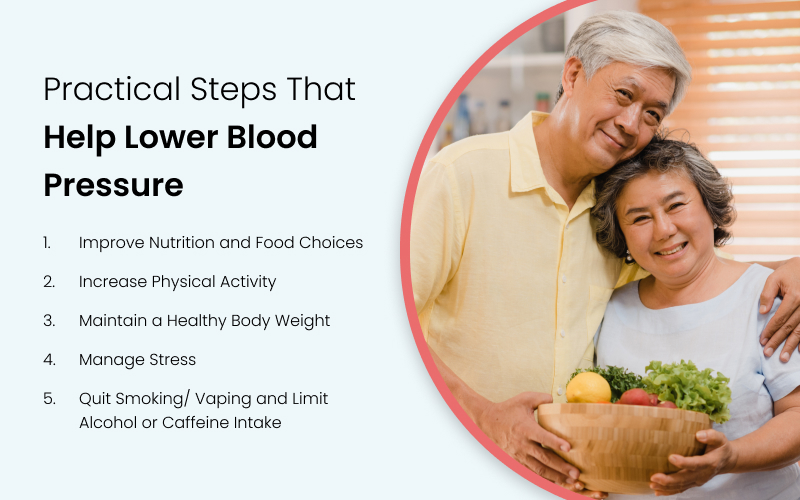
This section explains how to reduce high blood pressure through manageable actions that support daily life. The most effective changes are often the ones people can repeat consistently. Small improvements in food choices, movement, weight, stress response and substance use can add up over time.
1. Improve nutrition and food choices
Food choices have a direct effect on blood pressure because they influence sodium intake, body weight, cholesterol levels and overall cardiovascular health. A heart-healthy diet does not mean avoiding all local food. It means learning how to choose better portions, reduce hidden salt and include more nutrient-dense ingredients.
Include more whole foods and reduce intake of processed options. Processed foods, fast food and snacks are often high in sodium. Whole foods such as vegetables, fruits, whole grains, beans, fish, lean meats and low-fat dairy products can support better overall nutrition.
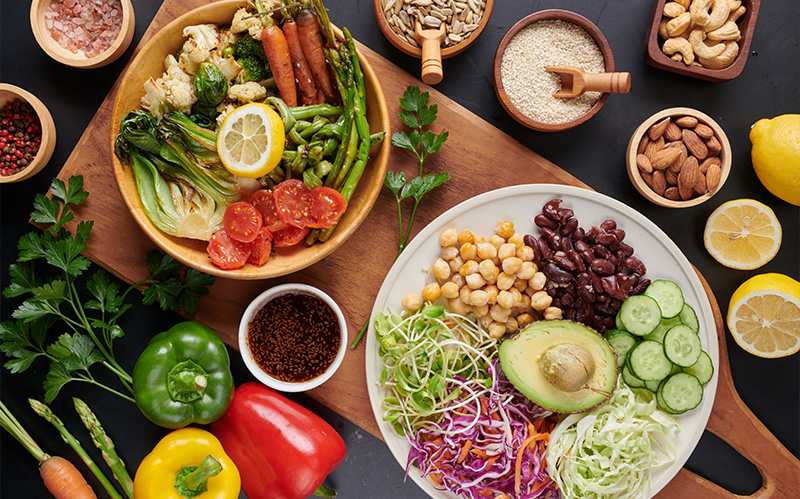
Make small, manageable changes such as:
- Choosing bee hoon over yellow noodles or choosing plain rice over fragrant rice from chicken rice
- Choosing dry dishes with sauce by the side (e.g., wanton noodles dry with lesser sauce) instead of soup options (e.g., wanton noodles soup)
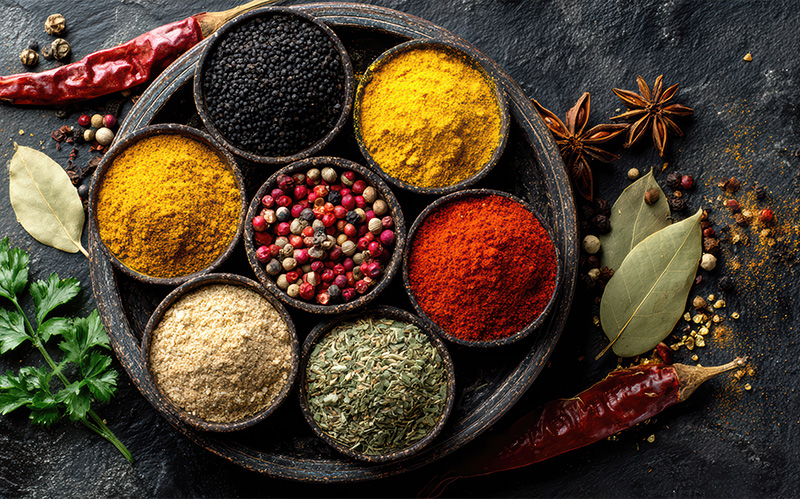
- Using herbs and spices instead of sauces
These changes also help people include more foods to reduce high blood pressure, such as sodium-rich soup, saltier options and sauces. The aim is not perfection, but a more balanced eating pattern that can be sustained.
High sodium intake increases the risk of hypertension. Sodium causes water retention, increasing blood volume and raising blood pressure. Health authorities generally recommend limiting sodium intake to no more than 2,000 mg per day, about 1 teaspoon of table salt.
Lower intake levels may offer additional health benefits for some individuals, particularly those at higher risk of high blood pressure. If you are looking at how to reduce high blood pressure through diet, start by cutting back on hidden sodium in sauces, gravies and soups. Also, use herbs and spices to flavour your food instead of salt and sauces. When eating out, ask for soup to be served separately, avoid finishing the broth in noodle dishes, request less sauce and taste food before adding condiments.
Examples of hawker foods high in sodium should be eaten in moderation. Singapore Heart Foundation’s list includes several familiar dishes, with sodium content varying by brand and preparation method.
- Sliced Fish Bee Hoon Soup without milk: 1,413mg
- Hokkien Mee: 1,423mg
- Mee Soto: 1,537mg
- Chicken Nasi Biryani: 1,656mg
Note: Values vary by brand and preparation method.
This does not mean these foods must never be eaten. Instead, they can be enjoyed less frequently, paired with lower-sodium choices during the rest of the day, or ordered with less gravy, sauce or soup. This is a practical example of how to reduce high blood pressure without completely removing familiar meals.
2. Increase physical activity
Regular physical activity has been shown to help reduce blood pressure and lower the risk of hypertension over time. For individuals with hypertension, exercise can help lower blood pressure to safer levels. Aim for at least 150 – 300 minutes of moderate-intensity aerobic physical activity weekly, which can be broken into shorter sessions.
Examples of aerobic exercises include:
- Walking
- Jogging
- Cycling
- Swimming
- Dancing
- Strength training (at least two days a week)
For beginners, the goal is to start safely. A brisk 10-minute walk after meals, several times a day, can be a useful first step. People with existing heart conditions, very high readings or symptoms such as chest pain or breathlessness should seek medical advice before starting a new exercise routine.
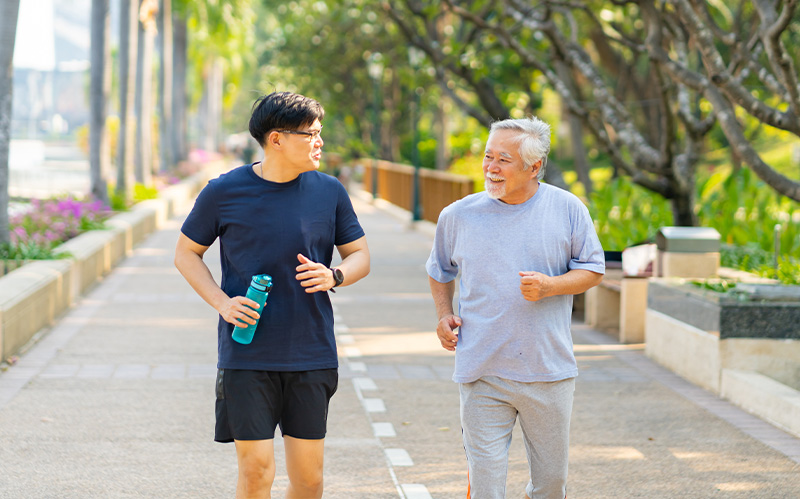
Here are some simple ways to stay active:
- Take the stairs instead of the lift
- Walk or take public transport instead of driving
- Do household chores
- Take brisk walks several times a week
For people who wonder how to reduce high blood pressure, these small habits are especially helpful. Movement can be built into commuting, errands, lunch breaks and weekends.
3. Maintain a healthy body weight
Excess body weight increases the workload on the heart and blood vessels. On average, weight loss is associated with modest reductions in blood pressure, with some studies estimating about 1 mm Hg per kilogram lost.
Even modest weight loss can support better readings, especially when combined with improved diet and regular physical activity. The focus should be on steady, maintainable progress rather than quick fixes. For example, reducing sugary drinks, limiting late-night snacking, choosing smaller portions and walking more regularly can all contribute to gradual weight management.
4. Manage stress
Stress is not always avoidable, but how it is managed can affect health. Work deadlines, caregiving duties, financial pressure and constant digital connectivity can keep the body in a heightened state of tension. Over time, this may affect blood pressure directly and indirectly through poor sleep, overeating, smoking or alcohol use.
Stress management strategies may include:
- Simplify your schedule and focus on manageable priorities
- Set aside time for activities you enjoy
- Practise mindfulness, journaling, meditation or breathing exercises
- Commit to at least 10 minutes a day to stress-reducing activities
Stress control should be seen as part of healthy lifestyle habits, not a separate afterthought. For those learning how to reduce high blood pressure, managing stress can help make other changes easier to sustain.
5. Quit smoking/ vaping and limit alcohol
Nicotine and alcohol are often associated with increases in blood pressure. Quitting smoking and vaping is one of the most important steps for heart and blood vessel health. Additionally, reducing your alcohol may also help reduce the risk of hypertension.
Frequently Asked Questions
1. Can high blood pressure be reduced without medication?
For many people, learning how to reduce high blood pressure begins with lifestyle changes such as improving diet, staying physically active, managing stress, reducing salt intake and maintaining a healthy weight. However, individuals should always follow medical advice if medication is prescribed.
2. What is considered high blood pressure in Singapore?
High blood pressure is generally defined as a reading of 140/90 mmHg or higher, based on repeated measurements.
3. Can young adults have high blood pressure?
Yes. Young adults can develop high blood pressure, often without symptoms, especially due to diet, stress, inactivity or family history.
Conclusion
Reducing high blood pressure is achievable, especially when approached with informed and practical steps. Understanding what hypertension is and how it affects the body can help individuals take earlier action before complications develop. Small, consistent actions, whether related to daily habits, lifestyle choices or awareness, can play an important role.
Learning how to reduce high blood pressure does not require a complete lifestyle overhaul overnight. It can begin with checking readings regularly, reducing sodium, choosing more whole foods, walking more often, managing stress, maintaining a healthier weight, quitting smoking or vaping and moderating alcohol intake.
The key is consistency. High blood pressure may be silent, but the actions that protect heart health can be visible in everyday routines. With early awareness and practical lifestyle changes, individuals can take meaningful steps towards healthier blood pressure and stronger long-term wellbeing.


