
|
Recognising the Symptoms of Cardiac Heart Failure and Beginning Cardiac Rehabilitation
Key Takeaways:
- The symptoms of heart failure may appear gradually or become more noticeable during activity, rest or sleep.
- Breathing difficulties can include shortness of breath during daily activities, coughing when lying down or waking at night feeling breathless.
- Fluid retention may cause swelling in the feet, ankles, hands or abdomen, as well as sudden weight gain or more frequent urination at night.
- Reduced blood flow to the brain, muscles and organs may lead to fatigue, weakness, confusion, poor memory or reduced activity tolerance.
Introduction
Heart failure occurs when the heart is no longer able to pump enough blood to meet the body’s needs or cannot fill adequately with blood. When this happens, organs and tissues may not receive enough oxygen and nutrients to function well. Fluid may also accumulate in the lungs or other parts of the body, which can affect breathing, movement and daily comfort.
Recognising the symptoms of heart failure early matters because these signs may show that the heart needs closer medical attention and ongoing support. Many patients who experience heart failure symptoms are later referred to cardiac rehabilitation, a structured programme that supports recovery, helps optimise heart function and reduces the risk of future cardiac events. Cardiac rehabilitation begins from the time of diagnosis and is considered a lifelong process.
What are the Common Symptoms of Heart Failure?
The symptoms can vary from person to person. Some may appear gradually, while others may become more noticeable during daily activities, rest or sleep. The following signs should not be ignored, especially when they are new, worsening or affecting normal routines.
1. Breathing difficulties
Shortness of breath is one of the common signs associated with heart failure. A person may feel breathless during activities that were previously manageable, such as walking short distances, climbing stairs or doing light household tasks.
Some people may also experience shortness of breath or coughing when lying down. They may need multiple pillows to breathe more comfortably at night or may find themselves sleeping in a sitting position. Others may wake up suddenly with breathlessness or coughing, which can be frightening and tiring.
2. Fluid retention
Fluid retention can also be one of the symptoms of heart failure. Swelling may appear in the feet, ankles, hands or abdomen. Some people may feel bloated or uncomfortable after meals, even when they have not eaten much.
A sudden increase in weight (more than 1 kg per day for 3 days) may also indicate fluid buildup. Passing urine more frequently at night may also occur when fluid shifts within the body during rest.
3. Reduced circulation to organs
When the heart does not pump effectively, the brain, muscles and other organs may receive insufficient blood flow. This can lead to fatigue, weakness and reduced tolerance for activity. A person may feel tired after doing simple tasks or may need more rest than usual.
Some people may also experience confusion, poor memory or decreased urine output. These signs may suggest that the body is not receiving adequate circulation. They can also affect confidence, independence and daily functioning.
What is cardiac rehabilitation?
Cardiac rehabilitation is a multi-disciplinary treatment and secondary prevention programme. It may be recommended for patients after a heart attack, percutaneous coronary angioplasty, coronary artery bypass graft surgery, other heart surgeries or heart failure treatment.
For patients recovering from heart failure, rehabilitation can provide a safer and more structured way to rebuild confidence. It allows patients to understand their condition, work towards personal goals and receive guidance from healthcare professionals.
What are the Key Components of Cardiac Rehabilitation?
Cardiac rehabilitation usually includes several connected parts. Each part supports recovery differently, from understanding the condition to building strength safely.
1. Education and counselling
Education and counselling help patients understand their heart condition and manage risk factors. Patients may learn how to manage high blood pressure, high blood cholesterol and diabetes. Those who are unsure about warning signs may also benefit from learning more about high blood pressure symptoms and how blood pressure relates to heart health.
This component may also cover a heart-healthy diet, reducing stress, managing depression and medication management. For some patients, it may support an early return to work and a more normal lifestyle, depending on their condition and medical advice.
Personal goals are set and monitored during the programme. These goals may relate to lifestyle changes, risk factor control, activity levels or emotional adjustment through support group activities. Clear goals can make recovery feel more manageable, especially when patients are adapting to a new diagnosis or recent cardiac event.
2. Supervised exercise training
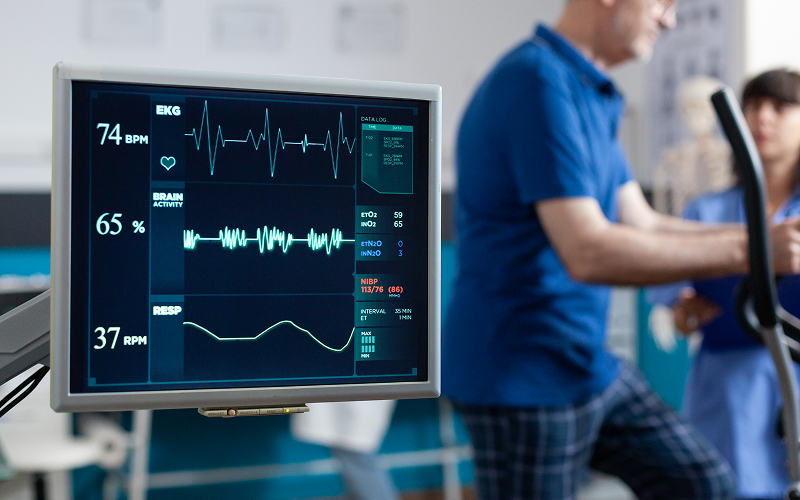
Supervised exercise training is another key part of cardiac rehabilitation. Exercise intensity and regimens are prescribed based on individual risk stratification to support safe and optimal benefit.
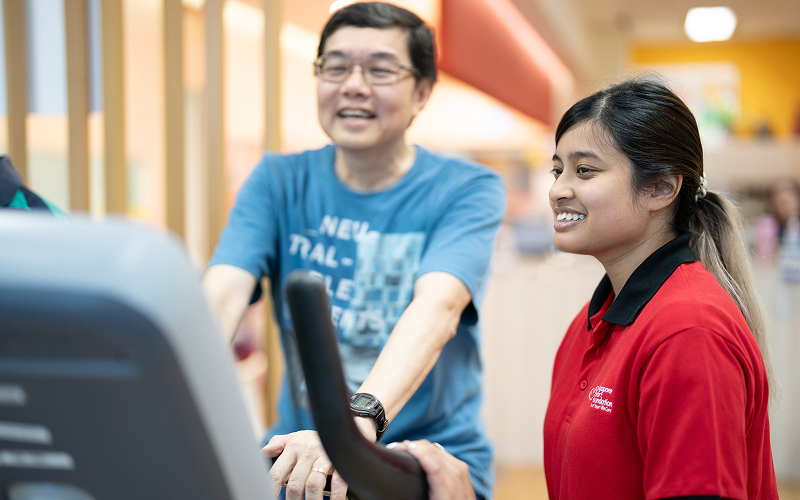
Sessions are supervised and monitored by physiotherapists and nurses. This matters because patients may feel unsure about how much activity is safe after a cardiac event or heart failure treatment. With supervision, exercise can progress gradually according to the patient’s condition, ability and goals.
Exercise may help optimise heart function, improve cardiovascular fitness, lower blood pressure, improve cholesterol control, maintain an ideal weight, reduce fatigue and enhance overall well-being. The intensity of exercises increases gradually, so patients can build confidence while being monitored.
Why Cardiac Rehabilitation Is Multi-Disciplinary
Recovery from heart failure requires holistic care. A patient may need support not only for physical fitness but also for medication understanding, nutrition, emotional well-being, daily function and long-term lifestyle changes.
A multi-disciplinary cardiac rehabilitation team may include a cardiologist, cardiac rehabilitation nurse, physiotherapist, pharmacist, dietitian, occupational therapist and clinical psychologist. Each professional contributes specialised expertise to support recovery and long-term heart health.
What Patients Can Expect
A cardiac rehabilitation programme typically begins with a comprehensive initial assessment. This may include body composition analysis and exercise testing, depending on the patient’s needs and the programme structure.
Patients may also receive counselling on risk factor management. The programme includes 10 supervised exercise sessions, followed by reassessment to evaluate outcomes. Optional educational talks by allied healthcare professionals may also be available.
Throughout the programme, goals related to risk factors are set, monitored and reviewed. This gives patients a clearer picture of their progress and helps them understand what to continue working on after the supervised sessions.
What are the Benefits of Cardiac Rehabilitation?
Patients who enrol in cardiac rehabilitation after cardiac events may experience improved exercise capacity, enhanced cardiorespiratory function and better physical functioning. These improvements may make daily activities feel more manageable over time.
Cardiac rehabilitation may also support emotional well-being and greater social integration. For some patients, being guided through a structured programme can reduce fear around movement and help them feel less alone during recovery.
The benefits may vary depending on the patient’s condition, medical history, participation and overall care plan. Patients should follow professional advice and raise any concerns with their healthcare team.
Addressing Common Misconceptions
Some patients worry that exercise after a heart problem may be unsafe. In cardiac rehabilitation, exercise intensity is gradually increased and prescribed based on the patient’s condition and risk profile. Sessions are also supervised by trained healthcare professionals.
Another misconception is that only very unwell patients need rehabilitation. Even physically well patients may benefit if they have cardiac risk factors or have experienced a cardiac event. The programme is customised based on medical history, condition and personal goals.
Patients and caregivers may also confuse different heart emergencies and conditions. For example, understanding what cardiac arrest is can help the public recognise that it is different from heart failure, though both require serious attention and a proper response.
Beginning the Programme
Patients are typically enrolled in cardiac rehabilitation during their hospital stay or after discharge. If they are not enrolled, a referral from a cardiologist is required before starting the programme.
Beginning the programme can feel like a major step, especially after a diagnosis or hospitalisation. However, rehabilitation provides structure. Patients do not need to manage every change alone. With professional guidance, they can learn how to exercise safely, manage risk factors and build habits that support long-term heart health.
Supporting Recovery in Singapore
Recognising the symptoms of cardiac heart failure is the first step towards recovery. When patients and caregivers notice these changes early, they can seek timely medical advice, understand the condition more clearly and begin the right care plan with their healthcare team.
By encouraging early recognition of signs and participation in rehabilitation, we empower patients in Singapore to strengthen recovery and improve long-term heart health.
Find out more about our Foundation’s cardiac rehab programme at:
https://www.myheart.org.sg/heart-wellness-programme/
References:
https://www.healthxchange.sg/exercise/heart-health/cardiac-rehabilitation-for-heart-attack
https://www.nhcs.com.sg/news/murmurs/cardiac-physio-rehab-holistic-combination-recovery
https://www.healthhub.sg/health-conditions/heart-failure-signs-symptoms-diagnosis


