|
Unsung Heroes of Healthcare – An Interview with a Cardiac Nurse
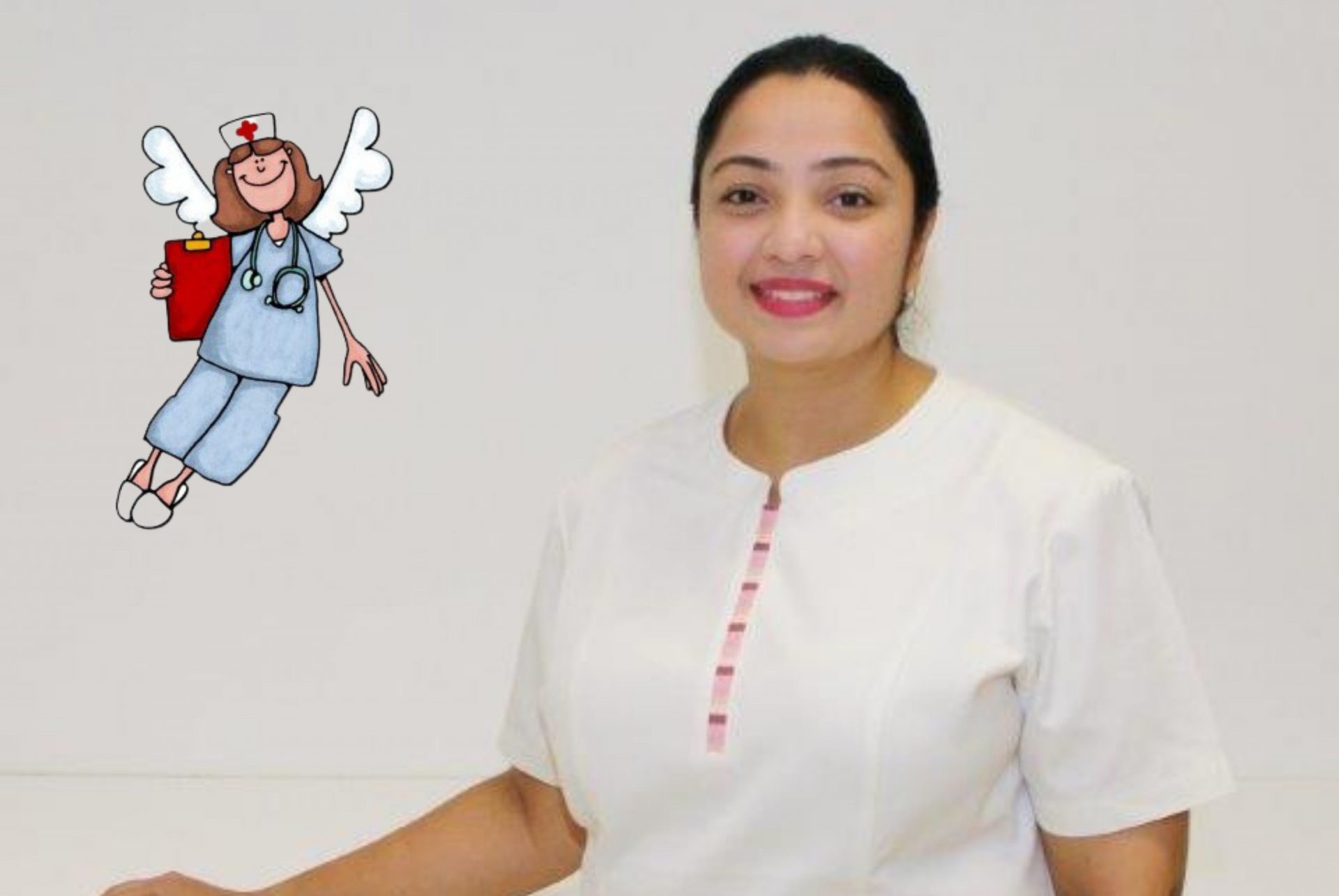
Hello, I am Nuraishah Binte Ali Hassan, a nurse at the National Heart Centre Singapore (NHCS). My nursing journey commenced in 2009 when I enrolled in the Institute of Technical Education. Thereafter, I obtained a Diploma in Nursing at Nanyang Polytechnic, under the sponsorship of NHCS. Upon graduation in 2011, I was posted to the cardiothoracic surgery ward, where I had the chance to learn about the management of cardiac patients. After working in the clinical area for nine months, I took the opportunity to pursue my Degree in Nursing with the Singapore Institute of Technology, which has further widened my horizons. The knowledge gained has helped to prepare me in meeting the demands of today’s health services.
What is a typical day for you?
Whenever possible, I start off my day with a leisure stroll around the park with my toddler. I treasure every bit of bonding time we share. No matter where I am, the first thing that comes to mind is my family.
At work, I embrace every day as a new day of learning. Challenges are what make life interesting and overcoming them make life meaningful. I work with a multi-disciplinary team and I enjoy acquiring new information and knowledge during my course of duty.
I work in the cardiology ward and look after patients with heart diseases such as heart failure, ischaemic heart disease and cardiac arrhythmia, just to name a few. The procedures that I encounter on a daily basis are coronary angiogram and angioplasty. Typically, my day consists of fundamental bedside nursing care, routine admission and discharge of patients, safe administration of medications, coordination of care, and ensuring the continuation of care. In the event that a patient’s condition deteriorates or collapses, we spring into immediate action. It is a real test of knowledge and expertise to act decisively during such critical moments. At the end of the day, being able to save a life is priceless. Personally, the feeling of pulling through in the face of adversity is phenomenal and the gratitude expressed by the patient’s relatives after such events makes our job all the more rewarding.
How do you balance those competing needs in your professional, social and personal life?
Juggling work and family is never easy and sacrifices are inevitable. I believe that the key is focusing on a plan, getting organised and finding the right balance between motherhood and my profession.
I am blessed with a great team that shares a strong bond in the workplace. We have good camaraderie and teamwork, where everyone shares mutual understanding and supports one another. Our camaraderie is also strengthened through regular staff bonding activities. I am thankful to my senior nurse manager and nurse clinicians for their tremendous support and guidance, whom I can always turn to for advice.
What made you choose cardiac nursing care as your specialty and was there any trigger event that influenced your decision?
My family has a history of heart disease and both my grandfathers passed away from heart-related issues. Before my paternal grandfather’s impending heart attack, his complaints of chest pain were overlooked, due to a lack of knowledge of the disease. He collapsed within a few minutes and was rushed to the hospital, but succumbed to the illness.
My desire to gain the knowledge and competency to be able to help my family motivated me to take up nursing and in particular, specialise in cardiac nursing care. With this knowledge, I also wish to build greater awareness. I would advise everyone around me not to take it lightly when someone complains of chest pain.
As a nurse, you come into daily contact with patients from different backgrounds and ethnic groups. Is there a difference in how these patients experience cardiac disease? How do you adapt your professional nursing skills to your patients? Could you give some examples?
In Singapore, a study by Lee et al, found that Indians and Malays have a higher prevalence of heart disease. However, it does not matter which ethnic groups they belong to when faced with cardiac disease. Ultimately, it boils down to each individual’s response in coping with the illness.
When faced with cardiac disease, patients tend to lean on someone they trust for care, concern and reassurance. I believe that we nurses can be their pillar of support. By treating them with respect and paying attention to their individual needs, we are able to help patients cope with their conditions.
I once nursed a young Chinese patient who underwent an operation to remove one of his toes. With his underlying heart disease, his condition had escalated to the point of amputation. As his nurse in charge after the amputation, I performed his toe dressing. My instincts told me that something was amiss with him and as such, I engaged him in casual talk while dressing his wound. In a brittle voice, he confided that he was unable to cope with his current condition. Hearing this, I reassured him that we were there to render our utmost assistance and shared with him the many avenues available for financial assistance and moral support.
Lending a listening ear is a lesser-known side of our daily nursing routine. It is crucial to understand the needs of each of our patients. Helping them to understand their diagnosis during difficult times, is another challenge in our line of duty.
The field of nursing, in particular cardiac nursing, is developing very fast. How do you keep abreast of those changes? Can you provide some examples of recent changes that have taken place in your field of expertise, which can benefit patients?
As nurses, it is essential to keep ourselves up to date. Medicine is constantly evolving and technology is developing rapidly. As a hospital that offers world-class service, we have to progress alongside, if not exceed expectations.
To keep up with the advancement, I attend courses on a regular basis, such as scientific meetings, conferences and intra-hospital training programmes. I would also attend communication sessions such as monthly meetings, ward rounds and forums.
Apart from that, I read journals related to the field of nursing and medical care, which I believe will broaden my mind and perspectives. It is a step forward in eradicating ineffective practices and developing new solutions. I keep an open mind to accept changes, so as to make room for improvements. I also believe that every change implemented will enable us to provide the best care, for the benefit of our patients.
For instance, in line with technological advancement, NHCS advocates telemedicine. NHCS recently launched the “HF Buddy” mobile application which aims to help heart failure (HF) patients better understand and manage their condition. With this application, patients are able to monitor their symptoms, medication and parameters on a daily basis.
How do you see your role as a nurse in primary and secondary prevention of heart disease in Singapore?
The nursing role need not be confined to the hospital wards that we work in. We need to reach out to the larger community in promoting awareness and prevention of heart disease. The Ministry of Health places great emphasis on primary and secondary prevention and the focus has shifted from treatment to prevention.
I play my part through volunteering in community work. Not only does it help the community in understanding the disease better, but it also helps them to take ownership of their health and plays an active role in preventing the progression of the disease. Through these platforms, I impart my knowledge and educate the public about the gravity of heart disease. It also allows me to address any misconceptions that the public may have. I was recently involved in a health screening event at a community centre, which consisted of parameters checking. We picked up cues and provided education according to their responses in the questionnaire. Knowing that I can make an impact, however big or small, gives me a feeling of satisfaction. It is a stimulating and rewarding experience and I strongly encourage everyone to do their part.
Health is one’s greatest wealth, yet it is the very thing that most people neglect until problems arise. Prevention is always better than cure and in order to prevent serious complications, self-awareness is vital.
What advice would you give for the prevention of heart disease?
In Singapore, heart disease is ranked as the #2 killer disease after cancer. I would strongly advise everyone not to ignore the early telltale signs of a heart attack and to always go for regular checkups. Things to look out for would be chest discomfort (not necessarily pain), gastric/jaw discomfort, or shortness of breath. You may also be unable to tolerate or perform an activity, at the level which you previously could. It is important to remember though, that these symptoms may occur independently of each other.
To prevent heart disease, regular exercise and a healthy diet are crucial. Ignorance is a disease and knowledge is a cure. Your choices can influence your health!
Cardiovascular disease (CVD) risk factors such as high blood pressure, cholesterol, overweight/obesity, tobacco use, lack of physical activity and diabetes are largely modifiable. To prevent the premature onset of CVD, lifestyle changes are necessary to avoid these risk factors, as ignoring them would only be at our own peril.