|
Life after a Heart Attack

Hypertension, or high blood pressure (BP), affects slightly less than 1 in 4 adults aged 30 to 69 in Singapore. Often referred to as the silent killer, hypertension can go unnoticed for years with patients displaying few or no signs of discomfort until catastrophe – a heart attack or stroke – strikes. Heart survivors, Ms Christina Yuen (64), Mr Stanley Kwan (55), Mr Tan Boen Hian (73) and Mr Tochi Singh (67), shared with heartline how lifestyle disorders had brought about their hypertension and heart conditions, and how they are coping with a “new norm”.

Mr Stanley Kwan
What was your lifestyle before your heart attack?
Stanley: I took oily food like fried chicken once every week. My work was quite stressful and I also neglected my exercise. I found out that I had high BP – about 145 over 90 on average – when I did a health check. I tried to practise Qigong to get active and reduce my BP, but it was insufficient.
Boen Hian: I led a rather active lifestyle – I liked to jog and cycle. But I loved eating too: siu yoke (roasted pork belly) at least twice a month and instant noodles twice a week to try out different flavours. And every day after dinner, I would have a scoop of ice cream.
Tochi: I was a taxi driver on the night shift, so when I got hungry at 2am, I had no choice (but to) eat roti prata, mee goreng, or whatever that was available. That led to me being overweight — I was 110kg at one point. I found out I had hypertension when I went for a medical checkup. My BP was somewhere above 140 (over 90).
Christina: I was very occupied with work, so I only exercised occasionally. But I was quite conscious of my diet. When I was hospitalised for an illness in 2014, the doctor also diagnosed that my BP was rather high – above 160 over 90.
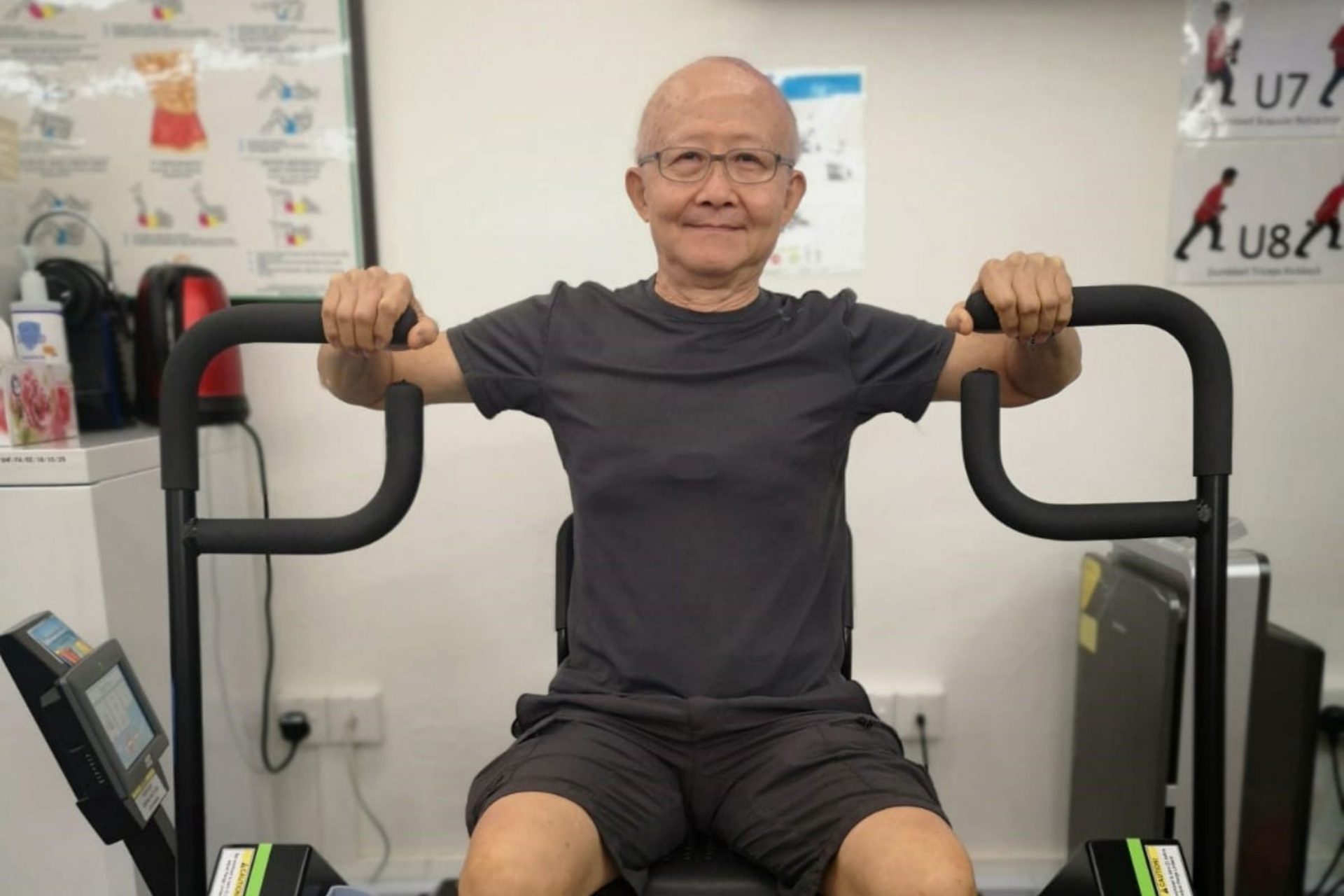
Mr Tan Boen Hian
When did your heart attack occur?
Stanley: It was the last day of 2013 (at age 48). After a feast in the office, I went home for a nap and woke up to find myself breathless and my heart constrained. My cousin drove me to the hospital immediately. Within 15 minutes, I was in the operating theatre for stent insertion. My artery was more than 90% blocked.
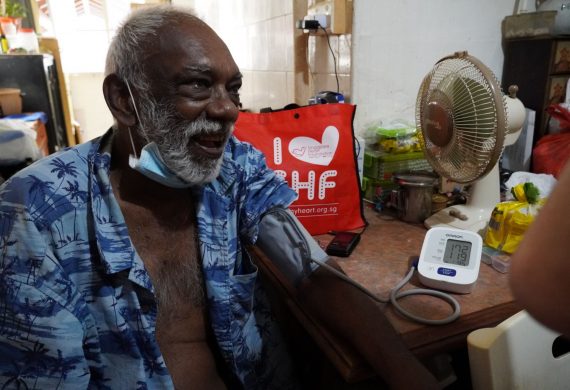
Boen Hian: For about two years before my heart attack, I often felt cramps in my arms when I cycled. As they would usually go away after a short rest, I thought it was just due to my bad posture and I ignored it. One night after dinner, I had the same cramp in my arms but this time it did not go away. I measured my BP, and it was very high at about 250 (over 90). My family sent me to the hospital, where I was diagnosed with a heart attack. Doctors managed to insert one stent to the almost 100% blocked artery and later performed open-heart surgery on the other two arteries.
Tochi: I was walking to the car park when I broke out in a sweat and felt a sharp pain in (my chest). I went to the hospital, and the doctor told me that I had a heart attack.
Christina: I had a minor heart attack during hip surgery. I was shocked.
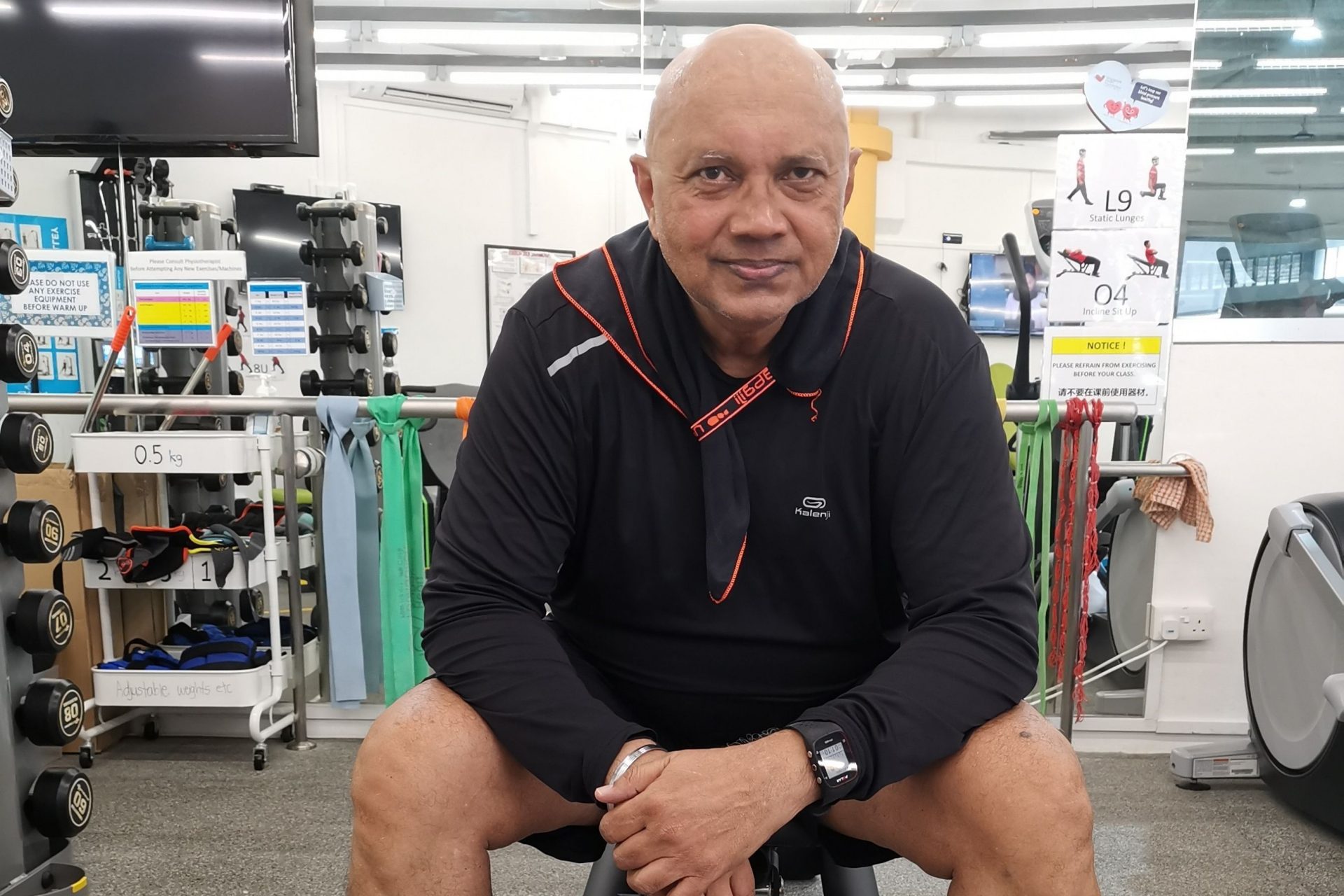
Mr Tochi Singh
What lifestyle changes have you made since then?
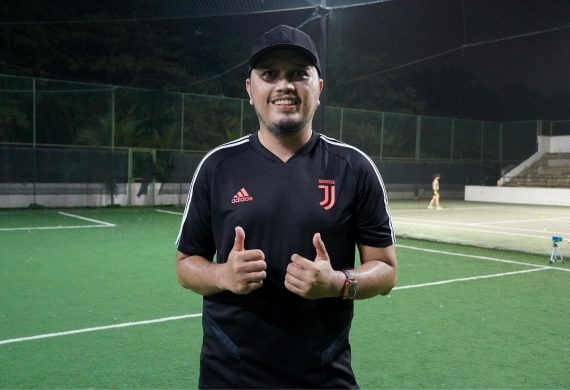
Stanley: Exercise is no more an option; it is a must. I also try to refrain from oily food — instead of once a week, I cut down to once a month.
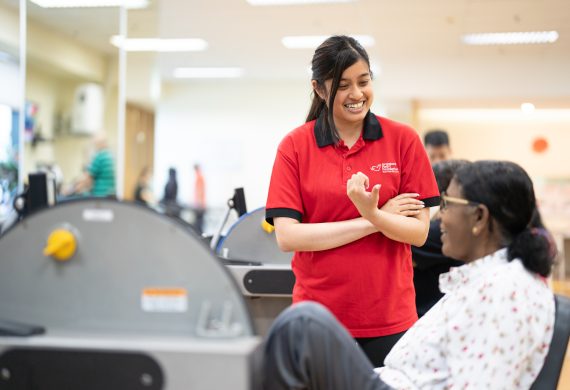
Christina: For my hypertension and heart condition, I have to take three tablets daily without fail for the rest of my life. I also have to go for regular checkups, exercise, stick to a healthy diet and manage stress. Cardiac rehab has given me the confidence that it can improve my heart condition.
Boen Hian: My present diet is free of grease, no trans fat and sugar reduced. I also joined the Singapore Heart Foundation Heart Wellness Centre to continue with my physical exercises.
Tochi: I shortened my working hours, stopped eating oily and deep-fried foods, and stayed away from anything with a lot of salt.
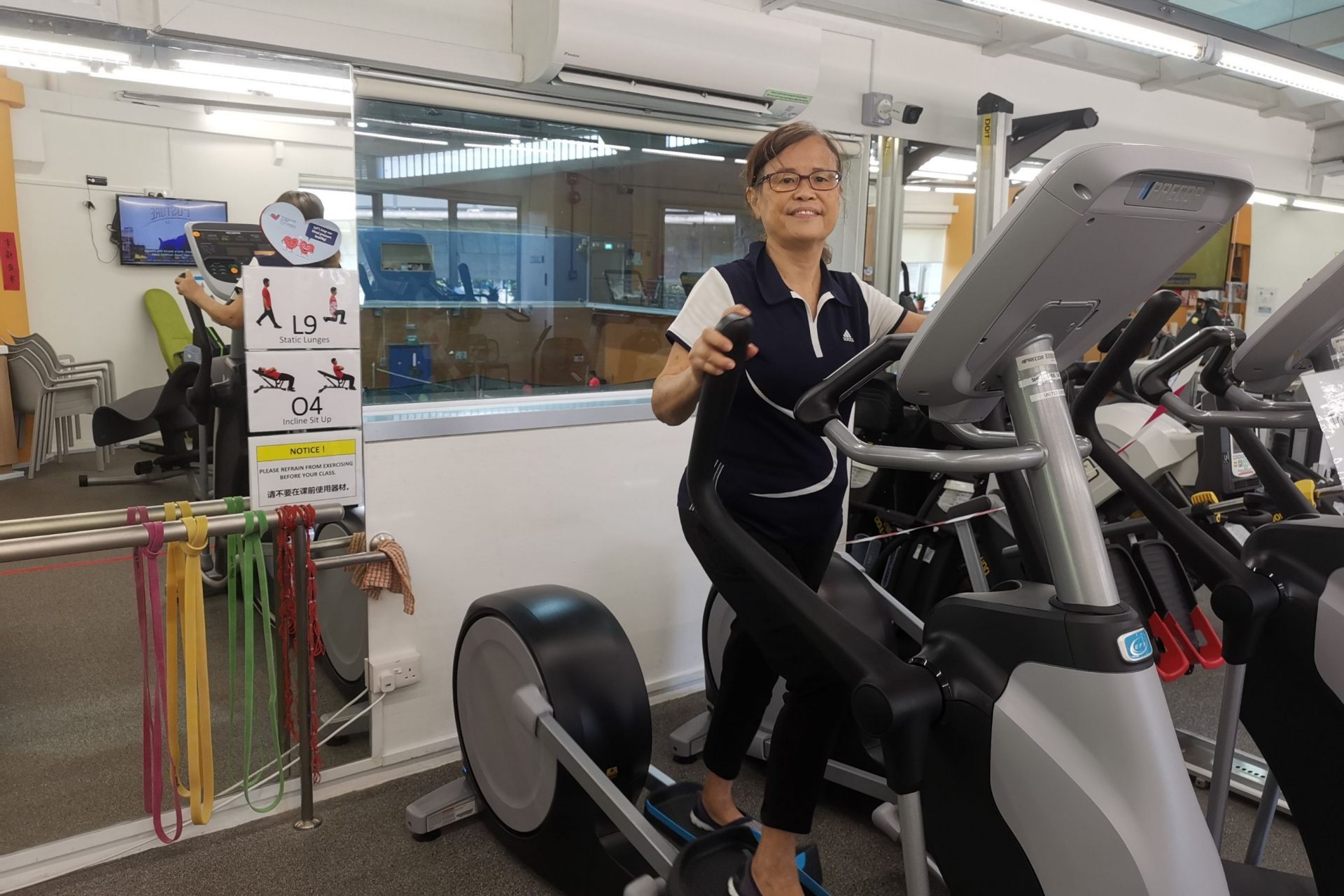
Ms Christina Yuen
What is one piece of advice you would give to anyone?
Boen Hian: Going through an open-heart surgery like a bypass is a very traumatic experience in anyone’s life. So, prevent getting into such situations by controlling your diet, taking less salt and sugar, and doing plenty of exercise.
Christina: Adopting a healthy lifestyle must start young because hypertension is long-term, and there is no cure. I want to caution ladies that heart disease is one of the top killers of women in Singapore. So stay active, have a heart-healthy diet, go for health screenings and be attentive to the signs and symptoms of heart disease.
Managing blood pressure is a lifelong commitment. Make changes that matter:
- Eat a well-balanced diet that is low in salt (sodium)
- Do moderate to vigorous-intensity exercises 150 min a week
- Maintain a healthy weight
- Limit alcohol
- Manage stress
- Quit smoking
Watch this interview in full: