|
Women’s Heart Health Survey

Background
The Singapore Heart Foundation (SHF)’s Go Red for Women (GRFW) campaign is part of an international movement led by the American Heart Association and the World Heart Federation. It aims to empower women with the knowledge and tools to take positive action, and reduce their risk of heart disease and stroke, and to protect their health.
Despite the high prevalence of heart disease among women, there is a lack of comprehensive understanding regarding their awareness levels, their attitude, and behaviour towards maintaining their heart health. This knowledge gap could lead to inadequate prevention and management strategies, thus contributing to higher risks and poorer health outcomes.
To align with the objectives of the GRFW campaign, SHF conducted the Women’s Heart Health Survey among the female population of Singapore to:
- Assess their awareness levels pertaining to heart disease and cardiovascular risk factors.
- Understand their attitude towards maintaining heart health.
- Assess the effectiveness of existing campaigns aimed at improving heart health awareness among women, and of identifying areas for improvement.
- Shape future campaigns, ensuring they are evidence-based and effective to address the needs of women.
- Establish baseline data to measure progress over time, allowing the company to monitor improvements and the impact of interventions on women’s heart health.
Methodology
A total of 1,000 women responded to the online survey conducted from December 2023 to January 2024. The distribution in age, race and education levels of the respondents were close to that of the Singapore population.
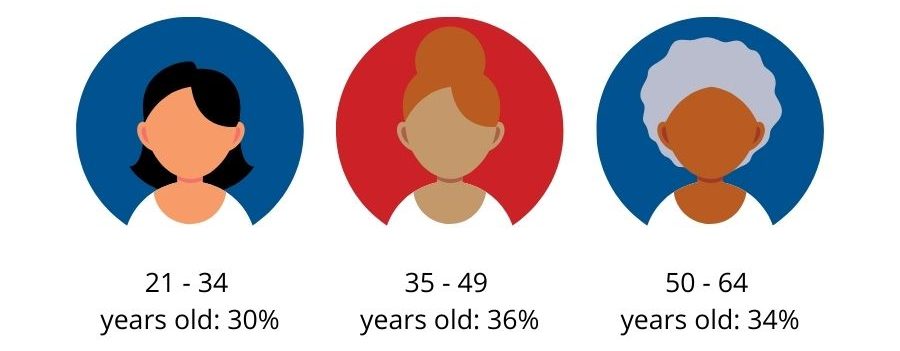
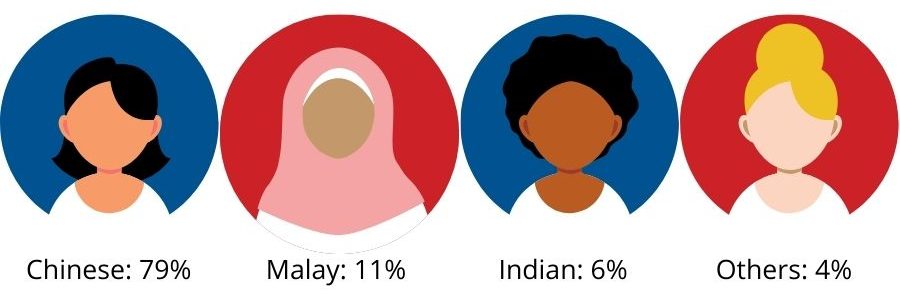
Summary of the Findings and Discussion
A) General Awareness of Women’s Heart Health

According to the Immigration and Checkpoints Authority (ICA), cardiovascular disease (CVD) was a significant cause of death among women in Singapore in 2022; there were 35.2% of deaths among Indian women, 34.4% among Malay women and 27.9% among Chinese women.
Still, awareness that CVD is the leading cause of death among women remains low. About 40% of respondents mistakenly believe that breast cancer is the leading cause of death for women, and only 11% correctly identified CVD as the leading cause (compared to 9% in 2020).
Additionally, awareness levels vary among the ethnic groups. More Malay women (51%) are aware that heart disease/attack is a leading cause of death, compared to 47% Indian women and 43% Chinese women.
B) Communication and Behaviour relating to Heart Disease

83% of women believe that they could take preventive measures against heart disease, but the challenges remain. Difficulty in finding comprehensive information and hesitation to consult doctors for prevention methods hinder women’s ability to be fully informed about this critical health issue.
Although 35% of women in 2024 (up from 25% in 2020) sought information about heart disease primarily through the internet or social media, many still find it challenging to obtain accurate and coherent information (36% in 2024 vs 24% in 2020). The number of doctors discussing heart disease with women is increasing (15% in 2024 vs 8% in 2020), and 88% of women feel comfortable talking to their doctor about preventive measures.
This means that only 16% of women consider themselves to be well-informed about heart disease. The least informed are women aged 50-64, where only 8% feel well-informed, compared to 14% of women aged 21-34 and 15% of those aged 35-49.
C) Risk Factors and Prevention of Heart Disease

In 2024, nearly 70% of women identified high blood pressure (72%), high blood cholesterol (70%) and family history (68%) as the main causes of heart disease, up from around 44% in 2020. Obesity (64%), stress (57%), lack of exercise (52%) and smoking (44%) were also identified as causes. Almost 90% of women cited exercise as the most important preventive measure, followed by reducing cholesterol (76%) and stress (74%).
Despite the increased awareness, obesity among female Singapore residents rose from 9.3% in 2019-2020 to 10.2% in 2021-2022. Physical activity participation, including sports, exercises or walking during leisure time, has increased from 58% in 2020 to 67% in 2024, but over 86% of these women (moderate: 89%; vigorous: 87%) fall short of the recommended 150-300 minutes of exercise per week. The main barriers include laziness (50%), work fatigue (45%) and lack of time (36%).
Positively, 61% of women were willing to join company-organised exercise programmes, with Indian women (74%), Malay women (63%) and Chinese women (59%) showing interest. Additionally, 83% of women feel more motivated to exercise with their partner, family or friends, and 86% would encourage others to stay active. Hence, a community-wide approach is crucial to motivate women to adopt and maintain an active lifestyle.
On the other hand, the improvements managing high blood cholesterol (from 35.8% to 27.9%), diabetes (from 8.4% to 7.3%) and smoking (from 3.3% to 2.7%) rates are encouraging . Among Malay women, 10% quit smoking (Chinese: 4%, Indian: 2%), while 15% of Indian women smoked occasionally (Chinese: 3%, Malay 7%).
D) Symptoms Awareness
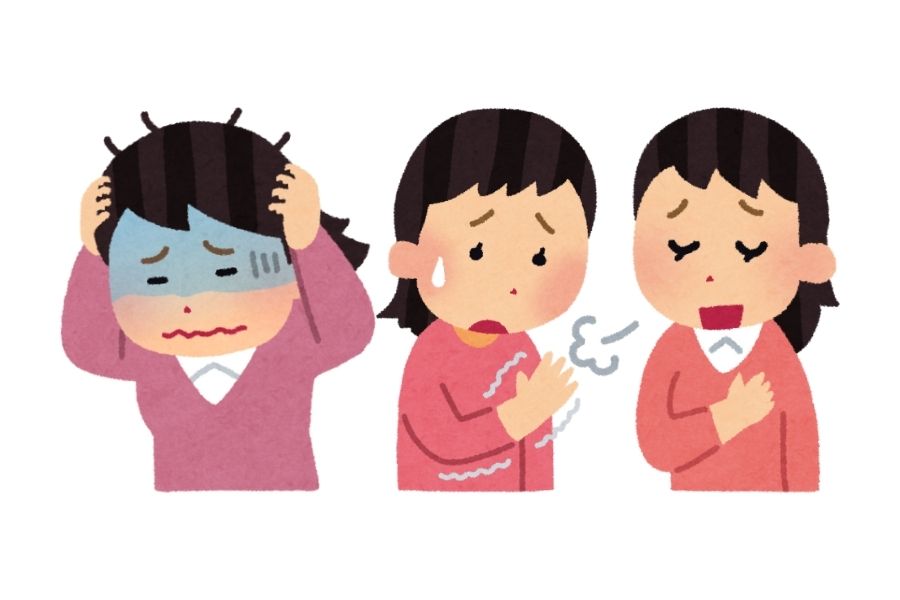
In 2024, 40% of women are aware that the symptoms of a heart attack could differ between genders, and nearly 85% of women could identify warning signs, the top three of which are chest pain (86%), chest tightness (85%), and shortness of breath (78%). However, fewer than half recognised other symptoms like pain in the arms, back, neck, jaw, or stomach, as well as fatigue and nausea.
Malay women are less likely to recognise chest pain (73%), chest tightness (77%), and shortness of breath (67%) as warning signs, than Chinese women (88%, 85%, 79%) and Indian women (86%, 90%, 79%).
E) Screening of the Cardiovascular Risk Factors

According to the National Population Health Survey 2025, 70.8% of female Singapore residents aged 40 to 74 screened for all three diseases within the recommended intervals, up from 66.5% in 2024 . Additionally, over half of the respondents had their blood pressure (89.1%), blood cholesterol (81.5%) and blood sugar (82.0%) checked in the last year, with older women leading the way in testing rates.
In 2024, there was a 5% increase in women reporting high blood cholesterol levels (25%); yet despite the importance of screening for high blood cholesterol, fewer Malay (43%) and Indian (37%) women went for their screening compared to Chinese women (56%).
Reports of high blood pressure (9%) and high blood sugar (8%) remained steady, and close to nine out of ten women reported normal blood sugar levels when they were tested. However, a higher proportion of Malay (12%) and Indian (18%) women reported high blood sugar levels compared to Chinese women (7%).
F) Monitoring of Blood Pressure
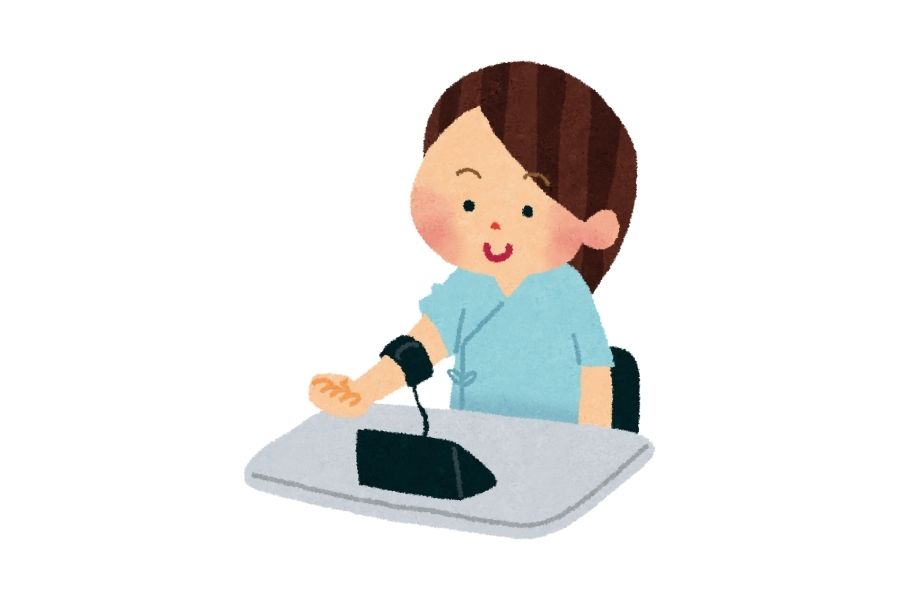
In 2024, 70% of women owned an electronic blood pressure monitor at home, primarily due to doctor recommendations (41%) and friend recommendation (20%). Ownership of the monitor was significantly higher among older women (50-64 years: 79%) compared to younger women (21-34 years: 62%), largely due to their hypertension diagnosis.
G) Mental Well-being

More than 50% of women give higher importance to their mental well-being than they did before the pandemic. This concern is more prominent among the younger women.
To improve their mental well-being, women identify staying active (19%), being less stressed (18%), and resting more (18%) as the top habits to adopt.
Conclusion
The survey results underscore a crucial need to enhance awareness, attitude, and behaviour towards heart health among women in Singapore. Despite increased physical activity and awareness of risk factors, significant gaps remain in the understanding and management of heart disease; this is particularly obvious among younger women and certain ethnic groups.
Encouragingly, more women are accessing information and discussing heart health with their doctors; still challenges in obtaining clear information persist. The rise in obesity and insufficient exercise highlights the need for more effective and accessible health programmes. Community-based approaches could motivate women to adopt healthier lifestyles, given their willingness to participate in organised activities and have the support of family and friends.
The findings emphasise the importance of targeted, evidence-based campaigns to address these gaps, ensuring better health outcomes for women in Singapore. Regular monitoring and improved education on symptoms, screening, and preventive measures are essential to reduce the prevalence of heart disease among women. By fostering a comprehensive understanding and proactive management of heart health, SHF could make significant strides in protecting and improving women’s cardiovascular health.