|
Heart Attack Recovery

Suffering a heart attack is a life-changing event. It is common to feel scared, confused and overwhelmed but the good news is: many people do survive their first heart attack and get back to their daily lives again.
The speed and quality of recovery may depend on the severity of your condition, how quickly you received treatment, your risk factors and adherence to your treatment plan.
Things you should do after a heart attack:
1. Keep to your medical appointment

A huge part of your recovery after a heart attack involves appointments with numerous healthcare providers, including your doctor, pharmacist, physiotherapist, dietitian or nurse. These appointments are intended to be “check-ins” with you to find out how you’re doing. These check-ins allow your healthcare providers to safely adjust your treatments and determine if further tests are needed. Essential steps on your road to recovery!
Find out more on what to expect at your upcoming appointment!
2. Enroll in a cardiac rehabilitation programme
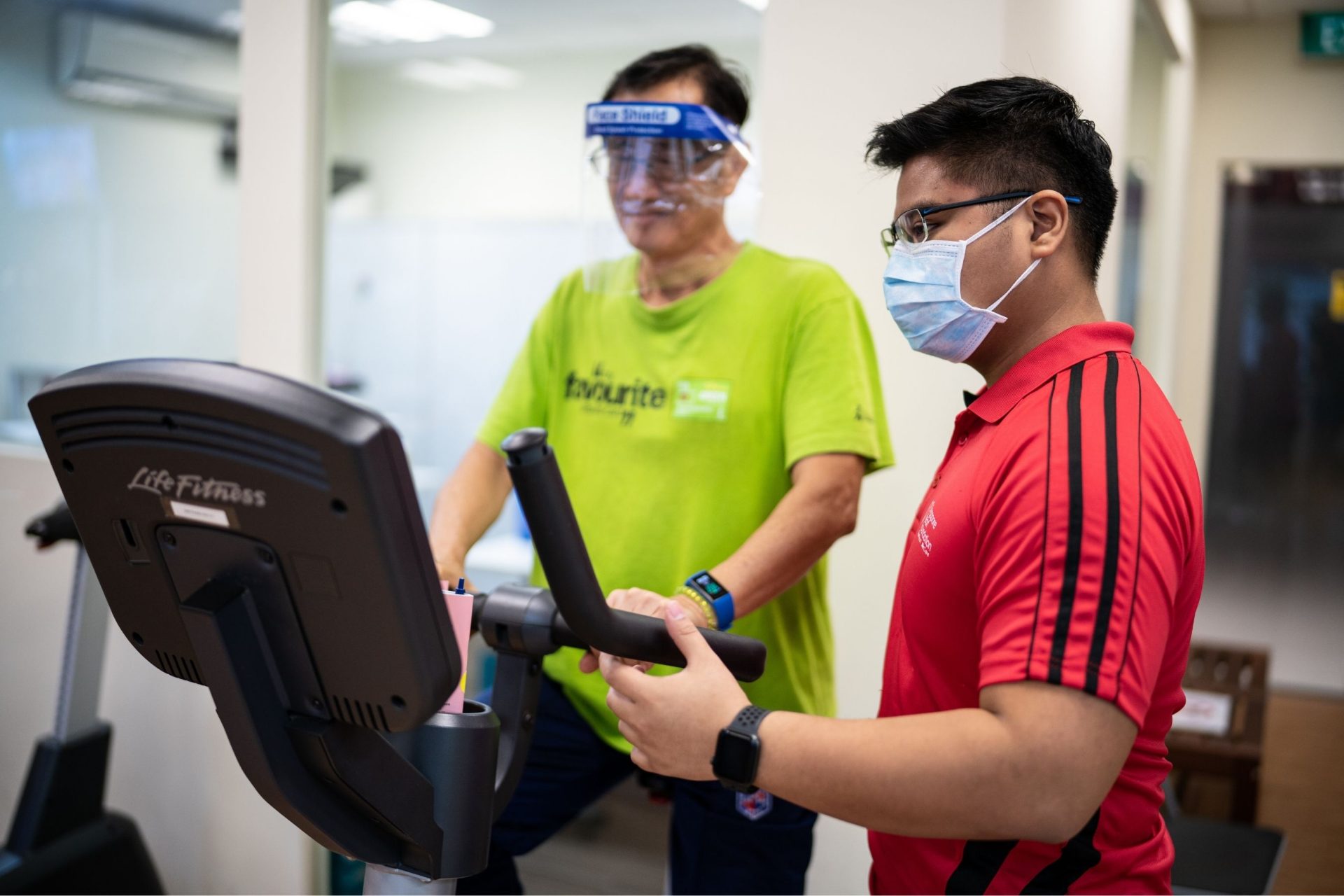
Cardiac rehabilitation is a well-established form of treatment suitable for almost all heart conditions, including heart attacks, coronary artery disease, valvular heart disease and even heart failure. Clinical research has shown that regular participation in cardiac rehabilitation reduces cardiac-related death by over 50%, reduces re-hospitalisations (for all causes) by 25%, and improves chronic disease control and well-being.
It is a multidisciplinary programme involving physiotherapists, occupational therapists, nurses, pharmacists, dietitians and physicians, assisting you with your lifelong maintenance of dietary habits, physical activity levels and risk factor modification such as smoking cessation.
Join the Singapore Heart Foundation’s Heart Wellness Programme!
3. Monitor your blood pressure at home
Did you know that good blood pressure control is essential in preventing another heart attack? Monitoring your blood pressure regularly can go a long way in assisting your doctors and pharmacists to make medical decisions. Learn more about how to monitor your blood pressure at home.
4. Watch your blood sugar and cholesterol closely
Poorly controlled blood pressure, blood sugar and blood cholesterol can raise the risk of a repeated heart attack. Self-monitoring is important and useful to help you better monitor your progress at home. It also helps your doctor and pharmacists tailor and adjust your medications in a manner that is more specific to your health.
To better lower your risks, your clinicians will have to monitor your bad cholesterol (LDL: low-density lipoprotein) and glycated haemoglobin (HbA1c) as well. For most heart attack patients, your pharmacists or doctors may want to work together with you in achieving the following goals*:
Glycated haemoglobin
Measures your average blood glucose control over the past 2-3 months.
Target*: Less than 7.0%
LDL-Cholesterol
Measures the “bad” cholesterol that contributes to fatty build-ups in arteries. This narrows the arteries, increasing the risk of a heart attack.
Target*: Less than 1.8mmol/L (may be reduced to <1.4 for high risk patients)
*These goals may be adjusted by your pharmacists or doctors based on your overall health condition.
Both LDL and HbA1c help us better understand your cholesterol and/or diabetes control and the effectiveness of your medications. These tests cannot be monitored at home but are periodically done and monitored by your doctors and pharmacists at the hospital.
5. Watch for signs of another heart attack

Did you know that 1-2 in 10 patients may experience a second heart attack every year? What leads to a repeated heart attack? How can you self-monitor and seek help early?
Click and read on to learn more!
6. Keep up with your medical appointments

Chronic conditions often don’t present any signs or symptoms until it’s too late. That’s why it is important to keep up with your medical appointments. What is the purpose of these continued appointments, and why should you go?
7. Quit smoking
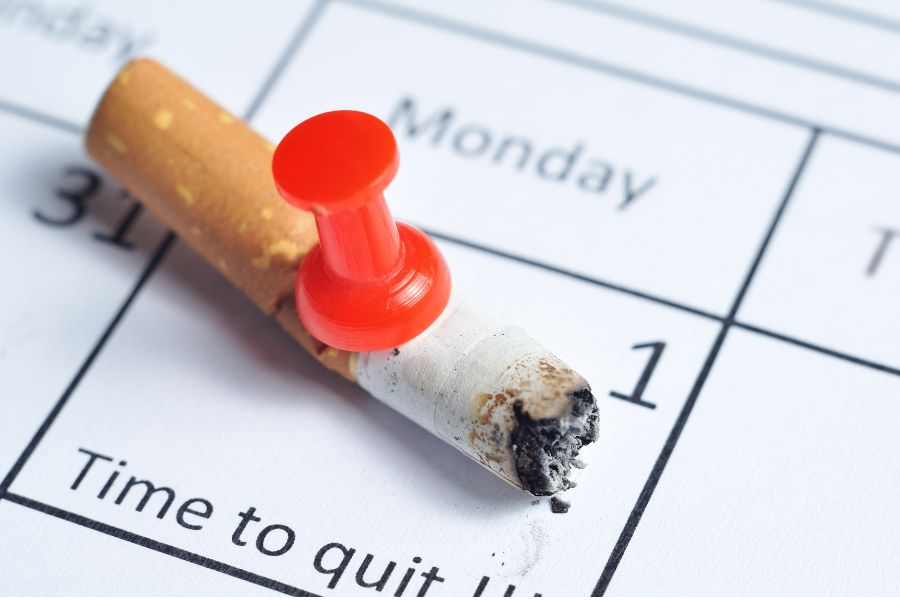
Smokers face approximately three times the risk of having heart attacks than non-smokers. They are also more than twice as likely to have sudden cardiac death. The same health risks apply to passive smokers (people who do not smoke but are regularly exposed to smoke exhaled by others).
The good news is that when you stop smoking – no matter how long or how much you have smoked – your risk of heart disease starts to drop. Your risk is reduced by half after one year without smoking and then continues to drop until it is as low as a non-smoker’s risk.
It is never too late to quit smoking, regardless of how long you have smoked.
8. Watch your diet
You may have heard the healthy plate jingle from the Health Promotion Board. But what does the healthy plate actually look like in real life? How can we feasibly apply the healthy plate concept? Here’s how you can plate up a healthy meal!
9. Limit alcohol intake
While you don’t have to give up on alcohol altogether when you have a heart condition, you should limit your intake. In the long run, alcoholic drinks, being high in calories, can contribute to obesity and high triglyceride levels, thus raising the risk of heart attack and stroke.
If you drink alcoholic beverages, do so in moderation. Have no more than one standard drink a day for women and two drinks a day for men. A standard drink is equivalent to ⅔ can of beer (220ml), a small glass of wine (100ml), or a glass (30ml) of spirits.
Frequently Asked Questions on Alcohol Consumption
Is red wine healthy for my heart?
Is beer intake the reason for my beer belly?
Does consuming alcohol before bed help me sleep better?
Do heart patients have to give up alcohol?
Does consuming alcohol help me relax and reduce blood pressure?
Is it safe to drink alcohol while taking heart medications?
10. Stay active
Exercise need not be overly strenuous to confer health benefits. If exercise is not part of your daily routine yet, here are some simple tips to help you incorporate it into your life:
- Start slow with exercising once or twice a week
- Begin with relatively low-intensity exercises such as Tai Chi, Qigong or walking
- Choose physical activities that you enjoy so that you will not find your exercise sessions a chore
- Be careful not to over-exert yourself as you exercise
- Keep moving whenever possible. Take the stairs instead of the escalator or lift. Walk to an eatery to get your meals instead of having them delivered to your doorstep
Here’s a playlist with low-to-moderate intensity exercises to get you started!
11. Understand the danger of using traditional medicine
Taking traditional medicine is not without its risks. Some Chinese herbs have been reported to contain heavy metals and/or may be adulterated with western medicine. Also, traditional medicine may “clash” or “conflict” with western medications, thereby causing an increase or decrease in the intended effects of western medicine.
Content created in collaboration with the AMI-HOPE (Acute Myocardial Infarction: allied Health Orientated Patient-centered digitally-Enabled care) Programme.