|
Calm & Confident: A Community First Responder Shares Her Experience
On an ordinary day in Oct 2019, Mr Tan (not his real name) was playing badminton with his regular group of friends at the CSC@Tessonsohn badminton hall when suddenly everything went black and he lost consciousness.
In the commotion that followed, friends called out to Mr Tan and shook his shoulders, but he remained motionless and looked pale. A retired doctor on the scene checked for his pulse and found none.
It was clear Mr Tan was suffering from a cardiac arrest.
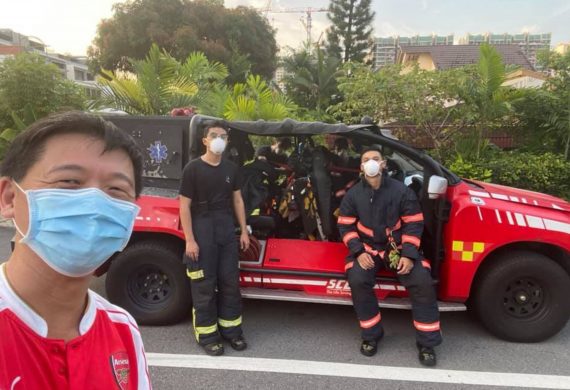
Thankfully, there were community first responders nearby who were trained in lifesaving skills and ready to spring into action.
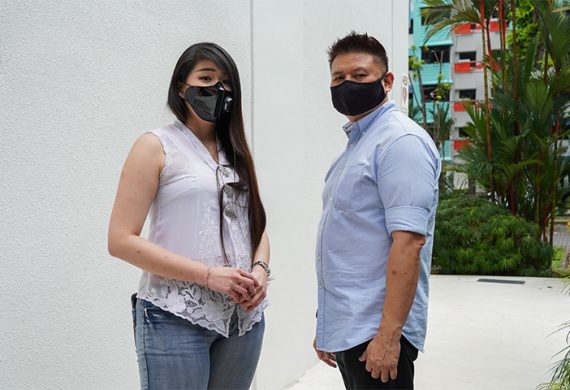
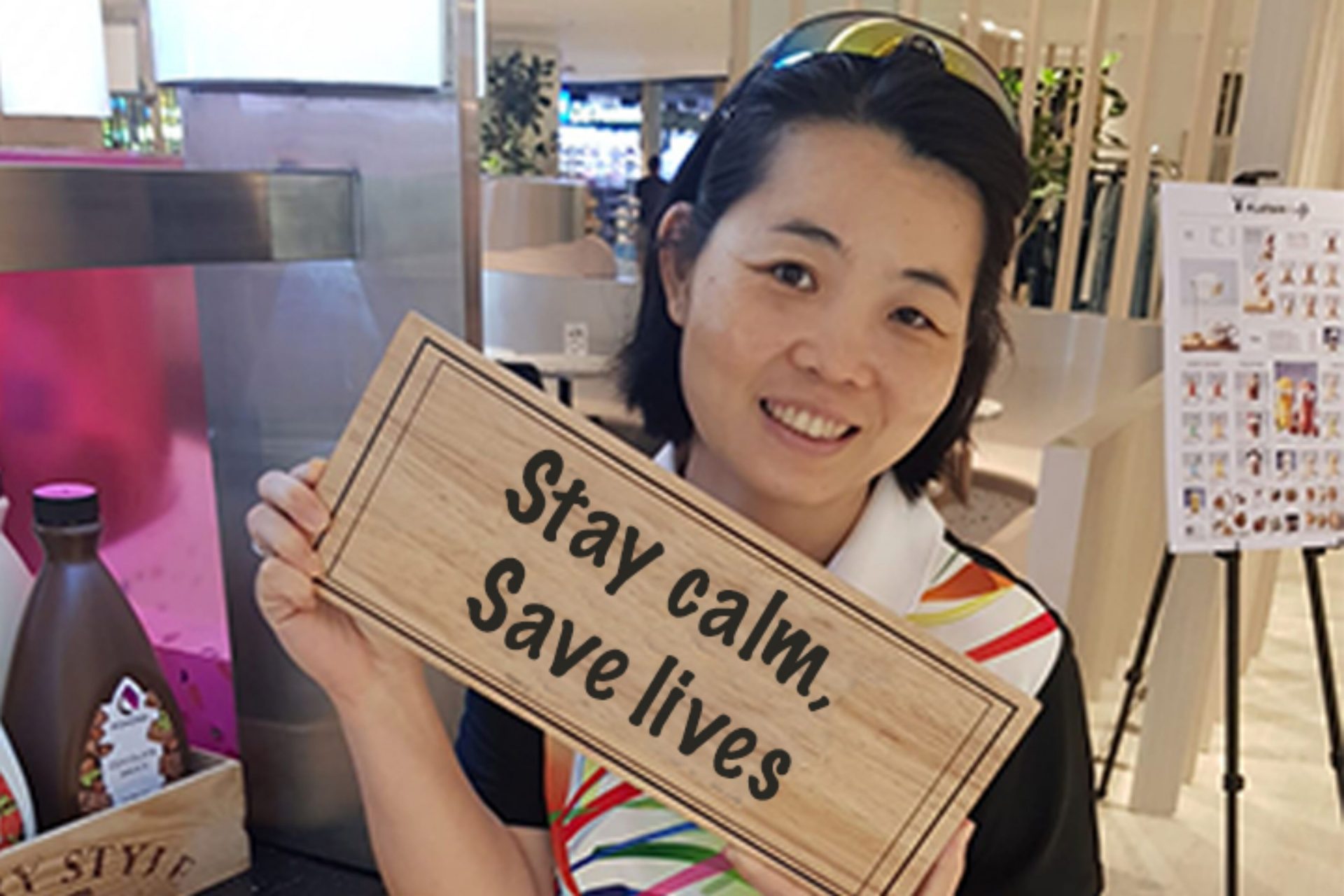
We spoke to one of the first responders, Miss Lim Fong Yee, who came on the scene with an AED. Here is our interview with her on the events of that day.
Tell us about yourself. Are you a trained responder by profession?
I am a Physical Education (PE) teacher currently working in the Ministry Of Education (MOE) Headquarters at the Physical, Sports and Outdoor Education Branch (Sports Unit). As my job revolves around sports, I am certified with First Aid and AED.
How did you first discover the casualty?
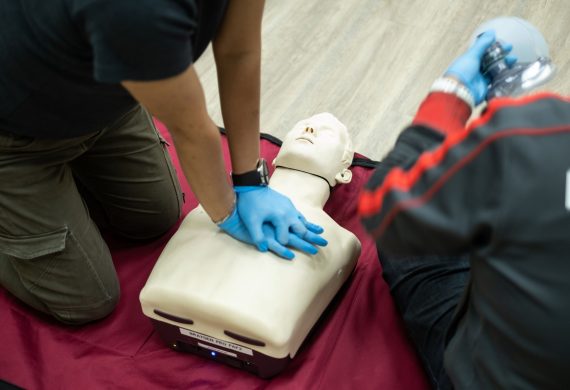
I had just completed my own badminton session when the incident happened in the CSC@ Tessonsohn badminton hall. The next thing I saw was a man performing CPR on Mr Tan. I rushed to get an AED before approaching the casualty. The myResponder app also notified me concurrently.
What did you observe that led you to conclude that the casualty was having an Out-of-Hospital Cardiac Arrest (OHCA)? Was it easy to tell?
I asked the people around us if he had a pulse. There was a retired doctor on site. He had assessed and confirmed that there was no pulse. Mr Tan remained motionless and looked pale when the first responder was performing CPR.
Had you ever used an AED before responding to this emergency?
No, this was my first experience using AED on a person.
Could you describe your state of mind when using the AED at the time?
I was there to help so it never crossed my mind that I would hurt him.
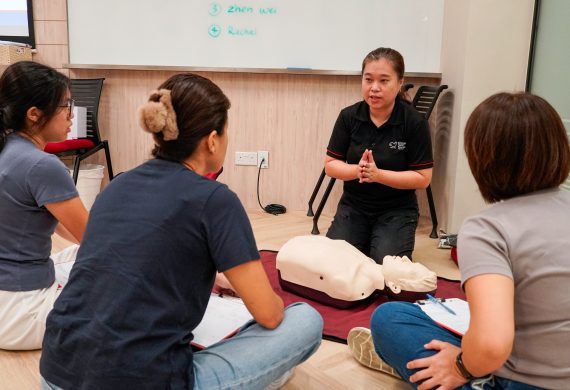
Coincidentally, I had just attended my certification refresher course one month before the incident happened, thus I was pretty calm and knew what I should do.
The only issue I faced when using the AED in this real-life situation was taking some time to locate the AED pads. It is usually easy to do so during training sessions because they are already hanging loosely for us to go through the practice.
I was delighted to find [the casualty’s] chest rising up and down after one shock. I saw that he was gasping for air and woke up when the paramedics were about to push him out of the hall.
What do you think is the most important quality of being a community first responder?
To be composed and familiar with the procedure.
Would you encourage others to download the myResponder app, and why?
Yes, but they must also ensure they respond to notifications too.
If everyone is CPR and AED trained, we will be able to save more lives. You never know but maybe one day, we might be the ones to be saved by a community first responder.
I think Singapore is doing an excellent job in emergency preparedness as compared to other countries. Let’s work towards the goal of a nationwide competency in CPR & AED lifesaving skills and make Singapore a Heart safe and secure country!
What do you do if someone needs your help?
If you are called upon to help someone in sudden cardiac arrest, remember Miss Lim’s advice and stay calm.
Here is what to do next:
- Call 995 and stay on the line with the SCDF’s operations centre specialist.
- Start CPR with the guidance of the operations centre specialist.
- Use an AED as soon as it arrives. Follow the voice prompts from the AED. If you are alone, continue doing CPR until another responder or paramedic arrives with the AED.
Remember, it matters more that you are ready to help the casualty than if you are CPR+AED certified. Your quick actions – even if they aren’t perfect — give the casualty a far better chance of survival than if you chose to do nothing.
Have you ever responded to a sudden cardiac arrest emergency? Share your first responder stories with us on Save-A-Life’s Facebook community page.