|
Arrhythmias

Arrhythmias are irregular heart rhythms produced when the natural electrical conduction system of the heart malfunctions.
Not all arrhythmias pose health risks. For instance, a person may have a persistent minor arrhythmia which is normal for his heart. Similarly, a temporary arrhythmia caused by alcohol, caffeine, or insomnia is not usually a cause for concern.
Arrhythmias are generally classified into two groups:
-
Bradycardia (abnormally slow heart rhythm)
Patients with bradycardia generally have a heart rate of only about 40 to 60 beats per minute. They tend to experience fatigue, dizziness, and episodes of fainting as their hearts do not pump enough blood to supply their brains and other vital organs with sufficient oxygen.
However, bradycardia may be normal for an athlete or a physically fit person. -
Tachycardia (abnormally fast heart rhythm)
Patients with tachycardia have abnormally rapid heart rhythms, usually more than 100 beats per minute. The main symptoms of this condition are similar to those associated with bradycardia: fatigue, dizziness, and episodes of fainting.
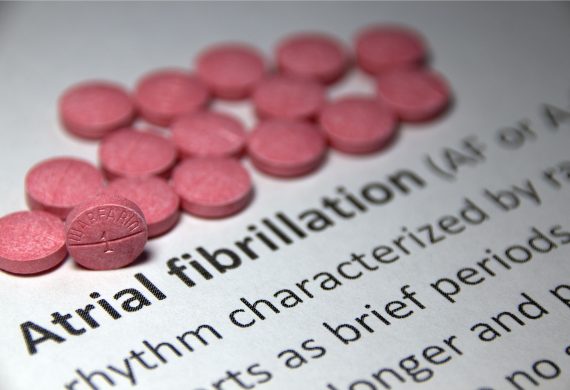
Tachycardia may arise in either the atria or the ventricles. Atrial tachycardia occurs when the atria become enlarged by hypertension, inflamed, or damaged by coronary heart disease. The resultant rapid irregular beating of the atria, generally defined as greater than 100 beats per minute at resting, is known as atrial fibrillation or atrial flutter. If atrial fibrillation remains untreated, there is an increased risk of stroke.
Ventricular tachycardia is much more dangerous in comparison. When the ventricles beat too rapidly, the heart does not have enough time to fill with blood in between beats, causing blood pressure to drop. Ventricular tachycardia may worsen and turn into ventricular fibrillation, a potentially fatal condition in which the ventricles merely quiver and do not pump any blood at all. If untreated, ventricular fibrillation will lead to cardiac arrest where there is immediate loss of consciousness and death.