|
Go For Health Check: Advice from One Athlete to Another
by Samantha Chan
It was a regular session of 100 squats for recreational triathlete Ms Amillia, 48, when she felt tightness around her neck, numbness in her hand, breathlessness and slight dizziness.
“That happened at around 10.30am. I was brushing it off, saying that I just need to relax and recover, like I normally do,” said Ms Amillia.
Fortunately, her family members were alerted promptly and insisted on sending her to the hospital, where she was diagnosed with a heart attack.
Heart attack can strike a fit athlete
“During this time, the pain escalated, but I endured. And that’s the thing with athletes, be it professional or recreational: our threshold for pain is quite high. And that made us not realise that it could possibly be a heart attack. That’s quite dangerous.”
Upon various tests, her cardiologist diagnosed that her condition was caused by high blood cholesterol and that an angioplasty must be done immediately.
Ms Amillia was in a state of denial. “How could it be me? Even friends, family and colleagues know that I am quite picky when it comes to food, and I exercise every day,” she thought.
High blood cholesterol: A top cause of heart attack
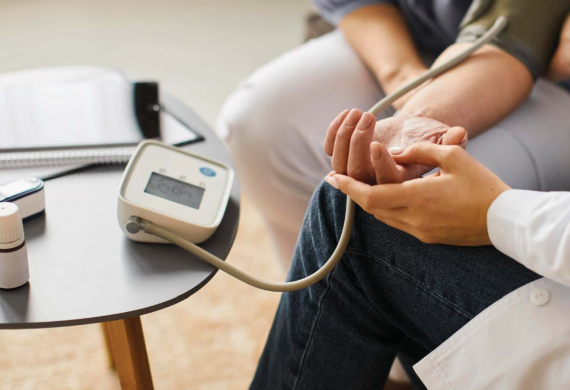
Among more than 12,000 heart attacks in Singapore in 2019, high blood cholesterol was the second most common cause after high blood pressure. But because high blood cholesterol has no immediate symptoms, it is easily overlooked or ignored until it causes other problems in the body. In fact, a simple blood test is all it takes to diagnose high blood cholesterol.
Ms Amillia revealed that a health check done in her early 40s detected high blood cholesterol levels. However, confident that this condition was something she could “surely conquer”, the doctor’s advice to watch it was quickly brushed off. “I was so wrong about it,” she said in hindsight.
While lifestyle choices contribute largely to unhealthy cholesterol levels, Ms Amillia would later learn that genetics play an equally important role.
The recovery
Returning to exercise was a challenge after her discharge. She would feel tired after walking for just 10 to 15 minutes. Her family confiscated all her exercise equipment and forbade her to attend her favourite Zumba and Les Mills sessions for fear of her safety. She also had to watch her diet, despite not knowing what was wrong. “After the episode, I asked myself: Is life going to be like this? I can’t do this and that,” she said.
Things turned for the better after Ms Amillia joined the Singapore Heart Foundation’s (SHF) Heart Wellness Programme for cardiac rehabilitation, which included nutrition counselling, where she found the culprit in her diet. “When we have family gatherings, we would have desserts and treats. Coming from an Indonesian family, we eat a lot of keropok, which might look innocent and small, but the cholesterol and oil are tremendous,” she shared with a shake of her head.
During her nutrition sessions, SHF’s in-house dietitian guided her to make healthier choices by reading food labels and taking in more fibre.
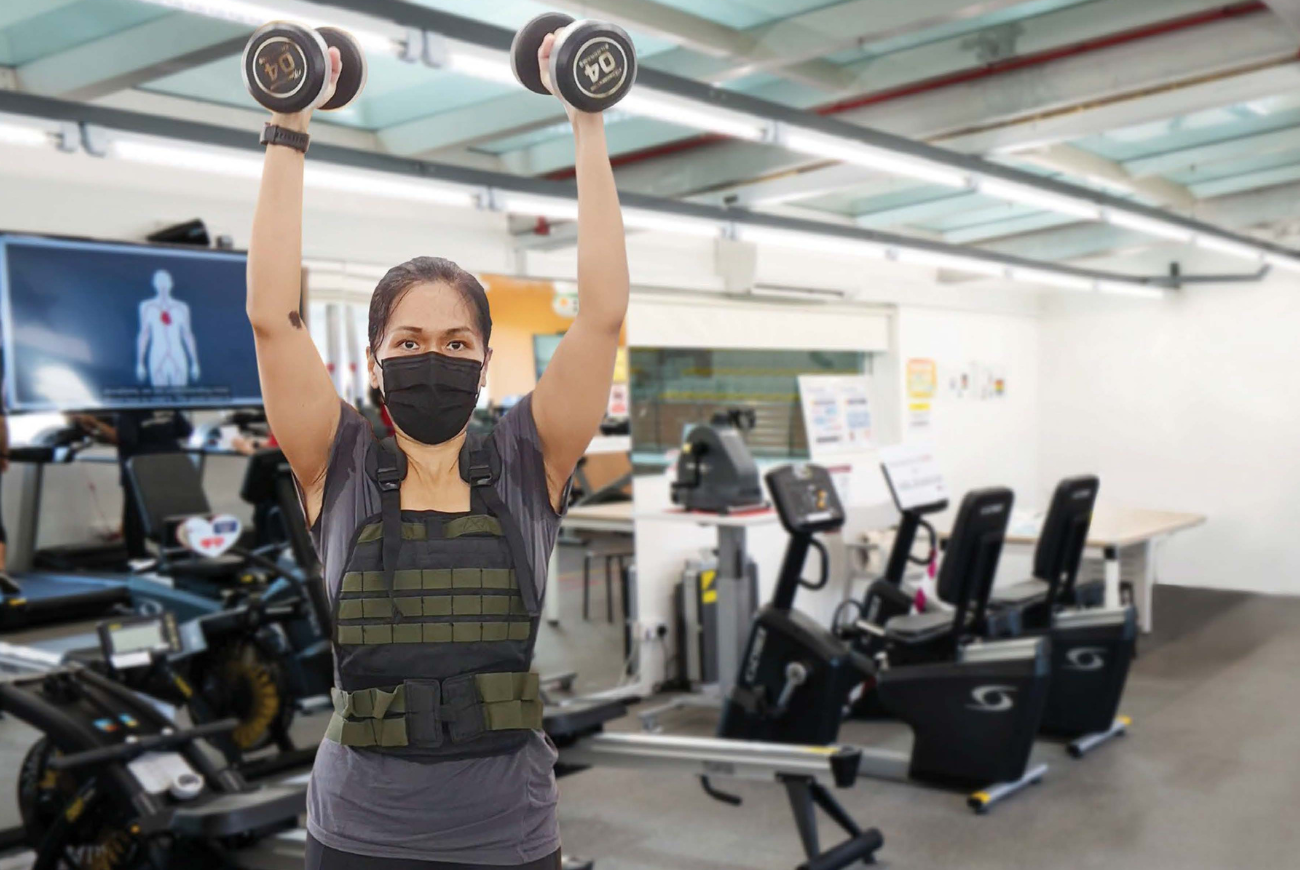
Supervised exercise sessions have also helped her regain the confidence and stamina to exercise. From the initial 10-minute walk, she has progressed to walking for more than an hour, covering about 19km. “All the physiotherapists at SHF always give me a lot of energy whenever I come. They always say, ‘You can do it, but progressively.’ It was very encouraging to hear that,” she shared.
More importantly, Ms Amillia has since regained the trust of her family, who has returned all her exercise equipment, including her most prized item – the race bike. With permission from her physiotherapist, she has recently resumed Zumba sessions. Her next aim: cut down on her medication dosage and return to the triathlon. “Popping pills into my mouth every morning and evening, to me, is quite absurd… I told my doctor that if I could cut the dosage, I would want that to happen. I take that as my personal KPI!” she laughed. “As for the triathlon, even if it’s a mini one, it’s a big achievement for me.”
Go for regular health check
Speaking to the other heart patients at SHF also helped Ms Amillia realise that the factors affecting blood cholesterol are not only food and exercise but also genes. “My late grandfathers, and my dad all experienced heart attacks,” she recalled. “That’s something I’m also coming to terms with. Some things you just can’t change.”
Her advice for others, “Being fit doesn’t mean you are healthy; you will need regular check-ups, especially if you know that any of your family members has had a heart attack, diabetes, or even high blood cholesterol, cause we will never know.”