|
Hope Begins with a Heartbeat
by Azzahra Binte Osman
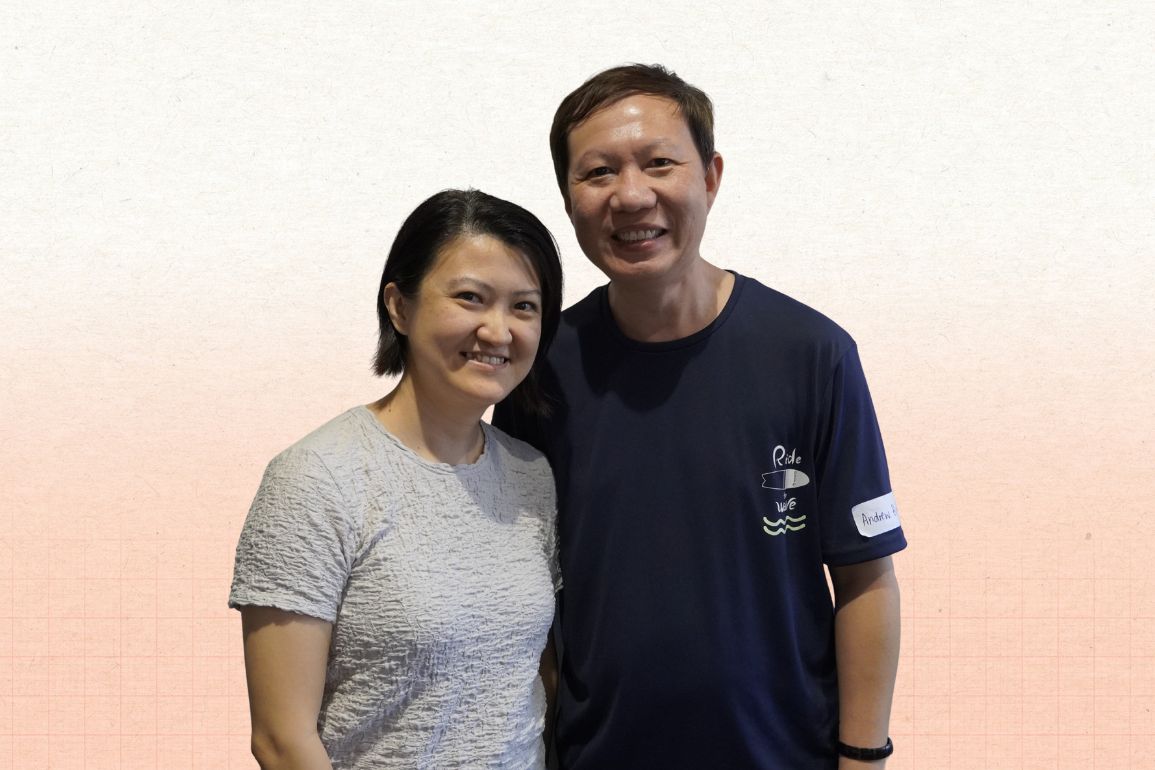
When Mr Andrew Boh suffered a sudden cardiac arrest and collapsed, his son was not yet two years old. That night, as he scrolled through his phone, he suddenly began gasping for air—then everything went quiet. His wife, Ms Jenni Li, was left to confront every spouse’s worst nightmare: the father of her child lay motionless before her.
Resilience in Crisis
Ms Jenni, untrained in CPR at the time, was paralysed by fear. “I was pressing and pressing, but then he suddenly made a noise. I didn’t know if I was doing it correctly,” she recalled. She was terrified that a small mistake might cost Mr Andrew his life. Every second counted.
Fortunately, help came just in time. Mr Kenneth Tan, a neighbour and trained Community First Responder, was alerted through the myResponder app and quikcly rushed over. He took over performing CPR with skill and composure – actions that likely saved Andrew’s life.
Brugada Syndrome: The Hidden Threat
Mr Andrew’s cardiac arrest was caused by a rare genetic condition known as Brugada Syndrome*.
Mr Andrew’s diagnosis came after the incident. He now lives with an implantable cardioverter-defibrillator (ICD), a device that corrects irregular heart rhythms. But adjusting hasn’t been easy. After the sudden cardiac arrest, he spent three days in a coma. When he awoke, he had no recollection of the incident—or the month before it. His memory loss extended to events shortly after the episode as well. Simple questions were difficult to answer. His cognitive recovery took time. Still, Mr Andrew’s focus is clear: to stay alive and be present—for his son.
Returning to Life, Rebuilding Identity
Despite the challenges, Mr Andrew has returned to his daily life—working, caring for his family, and engaging in everyday routines. However, gaps in his memory persist. The period surrounding his cardiac arrest remains a blank slate, one he has had to come to terms with.
His wife, Ms Jenni, has become the anchor in this transition. She manages the practicalities, reminds him of day-to-day matters, and ensures he stays committed to his heart-healthy lifestyle. Exercise is routine. Stress is kept in check. His approach to life now is more measured, grounded and deliberate.
A Family’s Commitment to Preparedness
The experience was a turning point. Driven by the trauma of nearly losing her husband, Ms Jenni took the proactive step of enrolling in the CPR+AED certification course conducted by the Singapore Heart Foundation (SHF). She’s committed to renewing her certification every two years.
But she didn’t stop there. Realising the stakes, she brought life-saving education into their home.
Using the Take-Home Manikin Kit provided by SHF, Ms Jenni has begun teaching their now-primary school-aged son the basics of CPR. Through play and simple instruction, she is equipping him with awareness and skills—preparing him to respond, just in case.
This act isn’t symbolic. It’s strategic. In cardiac arrest cases, bystander CPR triples the chance of survival. And when every minute without CPR reduces survival by 7–10%, knowledge is not optional—it’s essential.
Strength in Quiet Moments
Today, Mr Andrew is learning to pace himself. He describes taking things less “kanchiong”—a colloquial term for panicky or stressed. He exercises more, rests when needed and focuses on small wins.
They don’t dramatise what they’ve been through. But the truth is, every day that Mr Andrew wakes up and holds his son is a testament to resilience—his, his wife’s, and the silent strength of a young boy being prepared for the world with courage and knowledge.
“You never know if your neighbour could have a cardiac arrest,” says Ms Jenni. “Why not equip yourselves with the knowledge and skills so that you could be the first person to help?”
Learn CPR. Be the reason someone gets a second chance.
Sign up for a CPR + AED course with SHF
* Brugada Syndrome is a disorder that affects the heart’s rhythm and can lead to sudden cardiac arrest, especially during rest or sleep. It often shows no symptoms until a cardiac event occurs. It’s commonly inherited and more prevalent in men, particularly of Asian descent.