|
Make It A Goal To Save Lives
by Azzahra Binte Osman
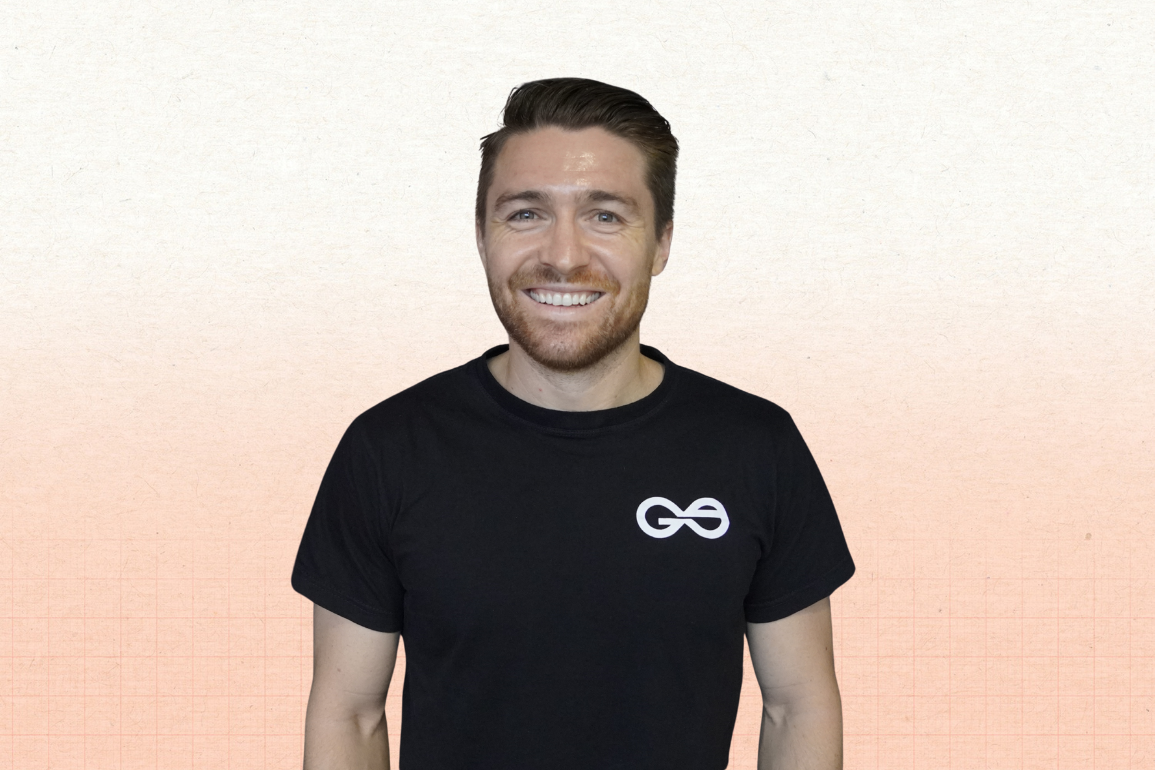
A common misconception about cardiac arrest is that it usually happens to older people. Austin McAnena’s case proves that this is but a myth. At the age of 34, Austin has already suffered two cardiac arrests.
The first occurred while he was running. He was a fit and healthy footballer, and his cardiac issue was completely unexpected. Fortunately, his life was saved by a bystander who performed CPR on him, and by his friend who called Emergency Services.
He was diagnosed with a previously undetected genetic heart condition, leading to the implantation of an implantable cardioverter-defibrillator (ICD). The device monitors his heart rhythm and activates if an irregular heartbeat is detected.
Eight months later, he suffered another cardiac arrest. This time, the ICD kicked in and saved his life.
“There were probably signs and symptoms that I did not think were serious,” Austin recalls. Therefore, he thinks it is vital to familiarise ourselves with the signs of an ailing heart – whether it is shortness of breath, chest pain, fatigue, dizziness, nausea and so on.
Now, Austin maintains a healthy and active lifestyle while staying mindful of his physical health. He consults his cardiologist regularly on lifestyle modification, and he upholds a nutritious diet. He also takes it easy while exercising, ensuring that he does proper warmups and consumes electrolytes to manage his heart rhythm.
Austin considers his experience a “gift”. It has taught him not to put anything off in life. He asserts, “we never know how much time we have left.”
“Getting certified is easy, it’s simple,” he emphasised. With increased access to CPR+AED knowledge now, he encourages others to cultivate the knowledge and skills in CPR and AED. We never know how many lives we could save with the necessary knowledge and skills.
Make it a goal to save lives. Sign up for a CPR+AED course here today.