|
Good Samaritan Initiative
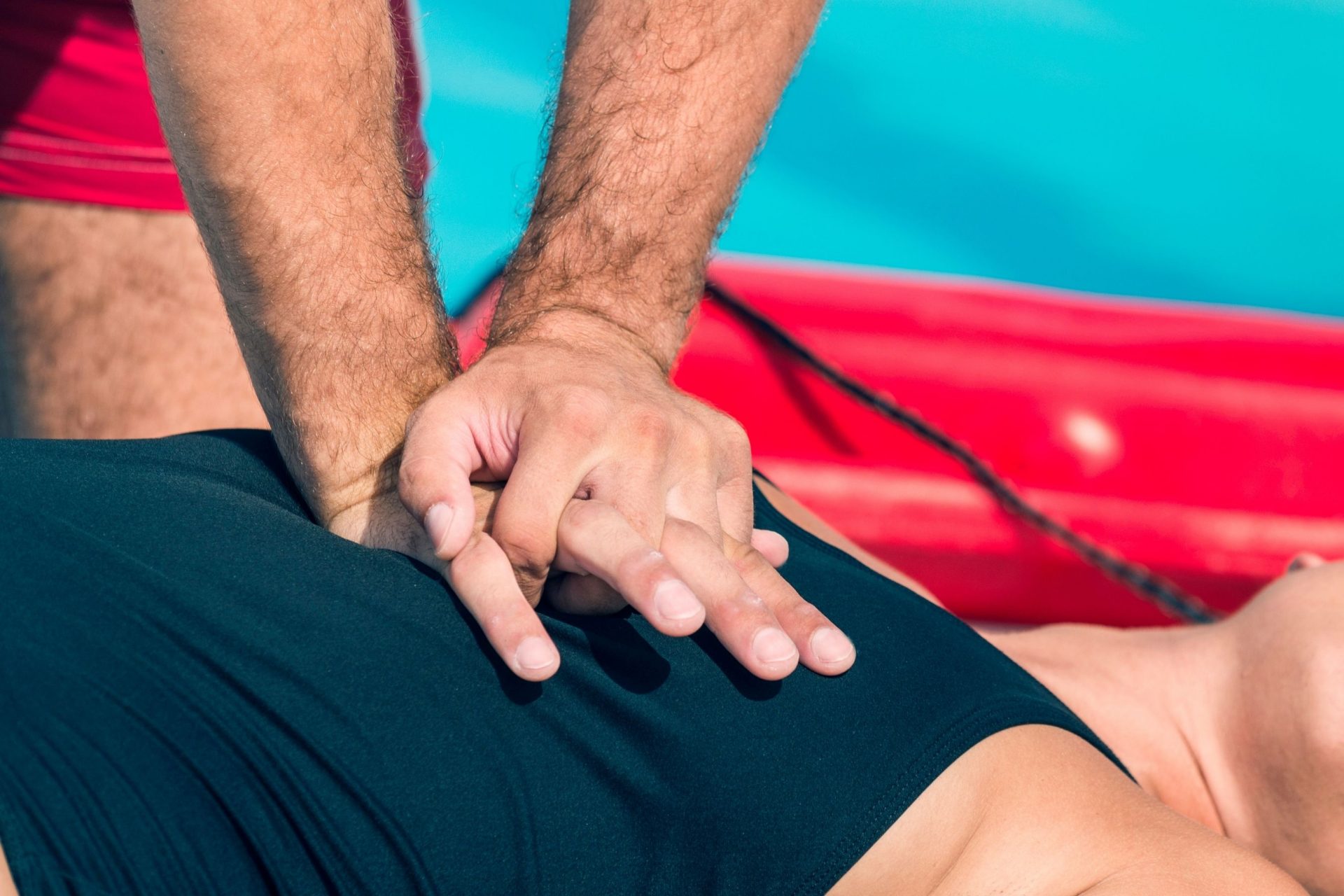
Based on the Knowledge, Attitudes and Practices of CPR and AED Survey, the leading deterrents for not performing CPR on a stranger include fear of being sued if the person dies (18% in 2020) and being wrongfully accused of sexual harassment (6% in 2020). Such fears are detrimental to a casualty’s chance of survival as they would deter a bystander from performing CPR. These findings were also consistent with our results in 2018.
The Good Samaritan Initiative is a collaboration between the Singapore Heart Foundation and the Law Society Pro Bono Services to provide free legal consultations at their Community Legal Clinics for those who face a legal issue arising from their resuscitation attempts, offering rescuers greater peace of mind.
If you ever face a legal issue arising from your resuscitation attempt and wish to seek legal advice but are unable to afford a private lawyer, you may contact the Law Society Pro Bono Services at 6536 0650 to make an appointment for a free legal consultation.
FAQ on legal and ethical issues relating to resuscitation attempts
Is there a Good Samaritan Law in Singapore? If not, why?
A Good Samaritan is a rescuer who responds in an emergency when there is no legal responsibility. This excludes healthcare professionals who care for patients in a clinical setting and owe their patients a duty of care.
Good Samaritan laws aim to absolve rescuers from liability should the rescuer’s attempt to help a stranger fail or make matters worse.
There is no Good Samaritan law enacted in Singapore. Currently, there is little evidence to support the claim that the absence of a Good Samaritan law is what deters would-be rescuers, or that enacting a Good Samaritan law would necessarily encourage more bystanders to help a stranger in need.
Can I be sued if the casualty dies after my resuscitation attempt?
The law requires Good Samaritans to act reasonably. Although would-be rescuers may have noble intentions, they must not behave recklessly or negligently in a way that could cause even more injury. However, there have been no reports locally of claims made against Good Samaritans. A claimant would have to prove that if the attempt to help the casualty was not made, the casualty would have been better off. This would be difficult to prove if the casualty was indeed in dire need of help and intervention.
Even if you are a trained medical professional, the law will consider the constraints you face when rendering urgent medical attention in such situations – for example, the fact that you have no access to resuscitative drugs or devices, or hospital facilities. The law will not assume that just because you have medical training, you must save the patient and failing to do so would constitute evidence of negligence.
Can I be sued if I cause the casualty to suffer a physical injury after my resuscitation attempt?
So long as you apply CPR in accordance with proper techniques, there should be no liability, even if the casualty were to sustain injuries that are known complications of CPR/external chest compressions, such as rib fractures.
Can I be sued if the casualty accuses me of molesting during my resuscitation attempt?
So long as the Good Samaritan renders aid in accordance with proper medical techniques, it would be extremely difficult for a casualty to credibly claim that the Good Samaritan’s actual intent was to molest/commit outrage of modesty.
Will I get into trouble if I walk away without rendering help?
The law does not impose a legal duty on bystanders to assist someone in danger unless the bystander was the one who put the casualty in danger. This is true even if you are a healthcare professional.
However, the standards of medical ethics require trained medical professionals to go to the aid of someone who can potentially be saved by the skills and training they possess.
Download the Good Samaritan Initiative brochure to share them with your friends and families.