|
Atrial Fibrillation
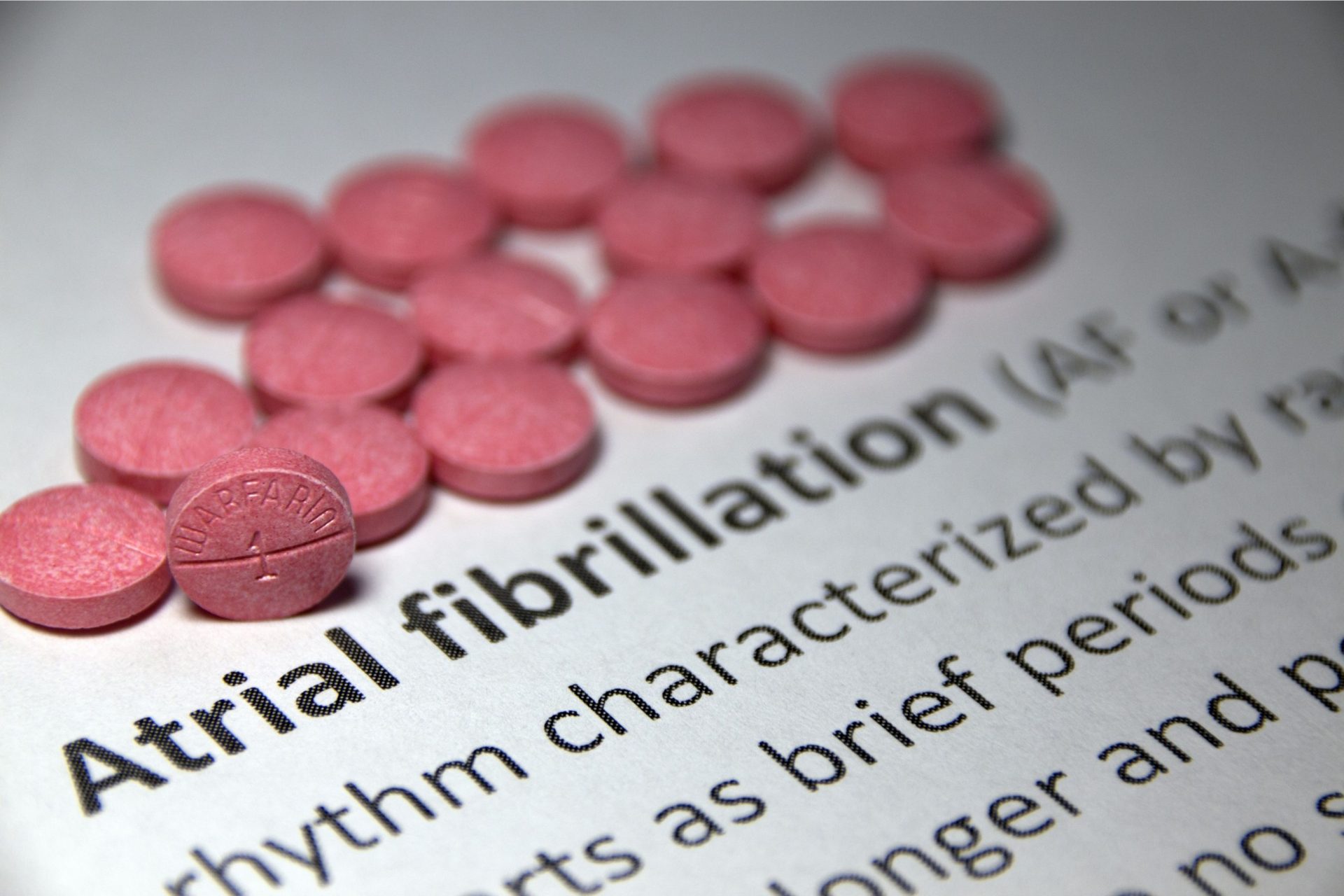
Atrial Fibrillation (AF) is the most common heart rhythm disorder and affects millions worldwide. The condition increases with age. It is very unusual in people below 30 years old but affects as many as 1 in 20 (i.e. 5%) people over 65 years old.
Heartbeat in normal people is controlled by a small area of specialised heart tissue in the upper right chamber (right atrium), called the sino-atrial (SA) node. The electrical activity generated from the SA node spreads through specialised conducting tissue to activate the rest of the heart muscle, resulting in a coordinated contraction of the heart and the pumping out of blood to the rest of the body by the ventricles.
In AF, the SA node loses control of the heart, and a chaotic, irregular rhythm develops instead. Consequently, the atria fail to contract as they should and are out of sync with the ventricles. This decreases the efficiency of the heart and increases the risk of blood clots forming in the atria. In patients with AF, the atria merely “flutter” instead of contract.
Types of AF
-
Persistent or permanent AF
Abnormal heart rhythm is present all the time, lasting longer than 7 days. This type of AF will not return to normal sinus rhythm on its own and treatment is required. -
Paroxysmal AF
Abnormal heart rhythm is brief and intermittent. The heart returns to a normal rhythm on its own, or with intervention, within 7 days of its start. Patients with paroxysmal AF are often very aware of the moments when their heart rhythm abruptly changes to AF. These sudden and unpredictable changes can be unpleasant and distressing to the patient and lead to other symptoms during the episodes.
Causes
AF can result from various causes and has a strong association with other cardiovascular conditions:
- High blood pressure
- Coronary artery disease
- Excessive alcohol intake
- Overactive thyroid gland
- Certain chronic lung conditions
In a minority of individuals, there is no apparent cause for their AF, and their hearts otherwise appear to be normal. This is called “lone AF”.
Symptoms
Most people with AF will experience some symptoms, although a small proportion of patients may have no symptoms and is picked up by the doctor during a medical check-up.
Symptoms include:
- Palpitations (abnormal awareness of one’s heartbeat)
- Breathlessness
- Tiredness
- Dizzy spells or fainting
- Chest pain
- Symptoms of stroke (e.g. weakness of part of the body or slurred speech)
Some patients may notice that they are in AF because they cannot do as much as in a normal rhythm.
Complications
-
Stroke
All types of AF can increase your risk of stroke by nearly 5 times more than someone who does not have AFs.
Learn to spot a stroke F.A.S.T.:
Face Drooping: Does one side of the face droop or is it numb? Ask the person to smile.
Arm Weakness: Is one arm weak or numb? Ask the person to raise both arms. Does one arm drift downward?
Speech Difficulty: Is speech slurred, are they unable to speak, or are they hard to understand? Ask the person to repeat a simple sentence, like “the sky is blue.” Is the sentence repeated correctly?
Time to call 995: If the person shows any of these symptoms, even if the symptoms go away, call 995 and get them to the hospital immediately. -
Heart failure
Atrial fibrillation raises your risk of heart failure because the heart is beating fast and unevenly. The heart’s chambers do not fill completely with blood and cannot pump enough blood to the lungs and body. Atrial fibrillation may also make your heart failure symptoms worse.
Treatment
-
Medication
-
Beta-blockers
Help slow the rate at which the heart’s lower chambers pump blood throughout the body. -
Calcium channel blockers
Also slows the rate at which the heart’s lower chambers pump blood throughout the body. -
Blood thinners
Prevent blood clots and lower the risk of stroke. These anti-coagulants medicines include warfarin and various NOAC agents. However, they all carry a risk of bleeding.
Your doctor may also recommend treatments to reduce the risk factors of AF. - Medicines to treat obesity, manage high blood pressure, high blood cholesterol, control or prevent diabetes
-
Lifestyle changes
- Get regular physical activity
- Eat a heart-healthy diet, low in salt, saturated fats, trans fats, and cholesterol
- Manage high blood pressure
- Avoid excessive amounts of alcohol and caffeine
- Quit smoking
- Control cholesterol
- Maintain a healthy weight
Watch our health talk on Understanding and Managing Atrial Fibrillation.
Hear from AF patients on how they cope with the condition.