|
Heart Smart Eating Habits

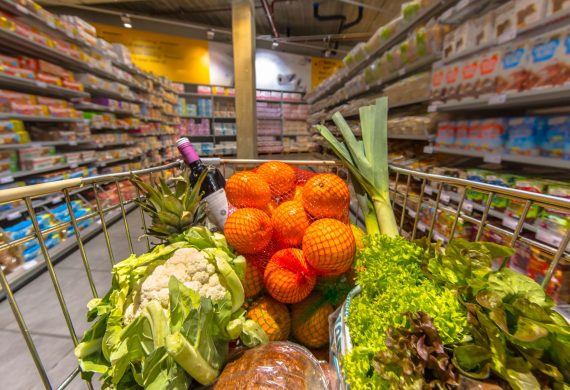
Your heart is one of the most important organs in your body, and you are never too young or old to start caring for it. Start by being mindful of what you eat. You can lower your risk of heart disease and its associated risk factors such as excess weight, hypertension, high cholesterol and diabetes by eating a healthy balanced diet that incorporates a variety of nutrient-rich foods.
Heart-smart eating is all about balance, portion control and variety.
Healthy Eating Tips:
Well-balanced diet
Well-balanced diet
No single food can provide all the nutrients that your body needs. That is why you need to eat a wide variety of foods in the right amounts to meet your daily nutritional needs.
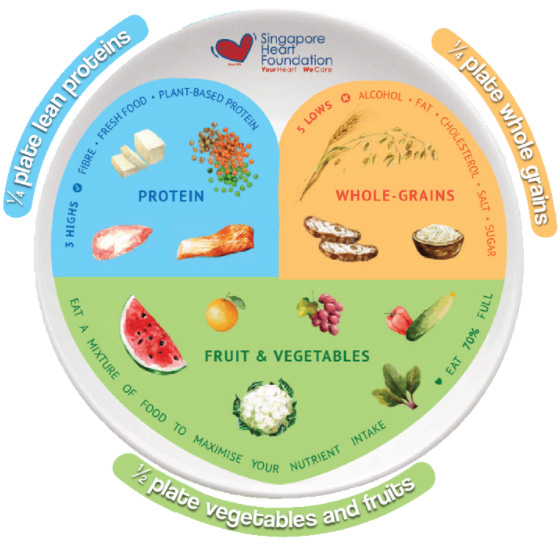
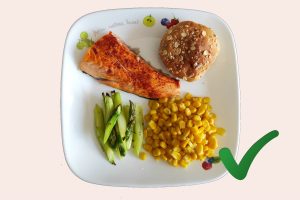
Follow the Heart Smart Eating Plate to have a balance mix of food, maximise nutrient intake and practice portion control to prevent excessive weight gain and reap benefits for your heart.
Portions
|
¼ Plate of Protein
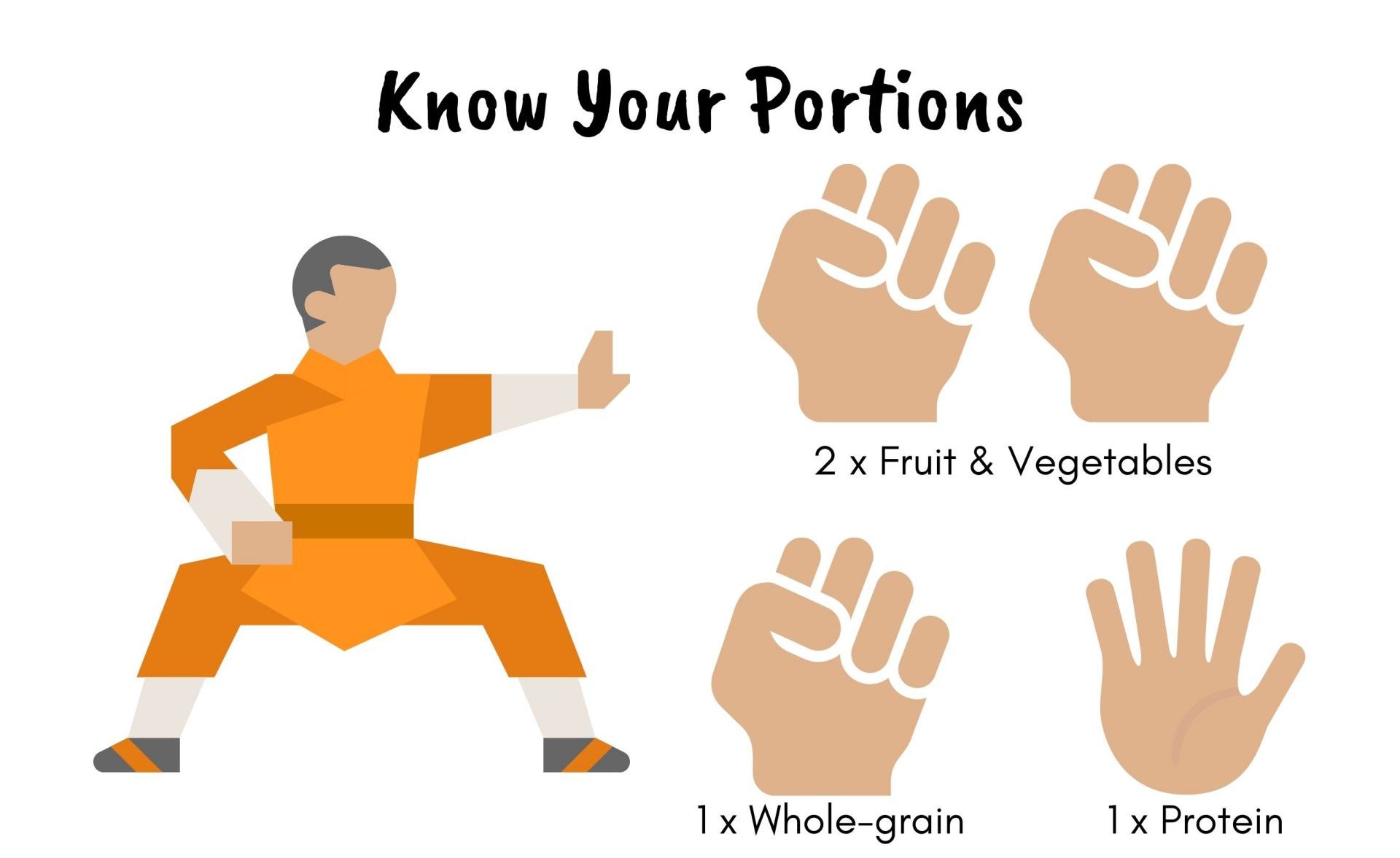
Recommended daily intake 2 to 3 servings of protein per day, or 1 serving per meal. Individuals with medical conditions such as chronic kidney disease may need a low protein diet. Please consult your physician. What counts as one serving?
*250ml cup |
|
¼ Plate of Whole-Grains
Recommended daily intake At least 2 to 3 servings of whole-grains daily, or 1 serving per meal. What counts as one serving?
Source: Health Promotion Board *rice bowl |
|
½ Plate of Fruit & Vegetables
Recommended daily intake 2 servings of fruit and 2 servings of vegetables per day. What counts as one serving?
Go for whole fruit and vegetables instead of fruit/vegetable juices. |
3-5-7 Healthy Heart Principles
3-5-7 Healthy Heart Principles
|
3 Highs High in fibre, whole food, and plant-based protein
|
|
5 Lows Low in alcohol, fats, cholesterol, salt, and sugar
|
|
Eat 70% Full Do you burp out loud after a meal? Chances are that you may have overeaten. If you think your stomach is 70% full, it is probably just right. Have small frequent meals instead of 3 big meals.
|
Manage Energy Intake

We get energy from the food we eat and this energy is measured in calories. Our body is constantly using energy for our daily activities and even when we are at rest. However, if we consume more calories than what our body requires, this excess energy is stored as fat, and it will lead to weight gain.
Here’s a list of nutrients that contribute energy:
| 1g of carbohydrate | 4 kcal |
| 1g of protein | 4 kcal |
| 1g of fat | 9 kcal |
| 1g of alcohol | 7 kcal |
On average, an adult man requires about 2,200 calories a day, while an adult woman needs about 1,800 calories.
How to manage energy intake?
-
Aim for a healthy and balanced diet
Use the Heart Smart Eating Plate as your guide. -
Avoid skipping meals
Having regular meals help prevent hunger pangs that might lead to poor decisions and overeating. -
Portion control
Eat from a smaller plate/bowl at meals. -
Go for lower fat cooking methods
E.g. Pan-fry, bake, grill or steam instead of deep-fry. -
Go sugarless!
Or enjoy sweetened foods and drinks in moderation. -
Minimise snacking
If snacking, opt for lower calories and nutritious options such as fruit, low fat yoghurt, vegetable sticks, whole-wheat biscuits and unsalted baked nuts.
Choose good carbohydrates, like whole-grains
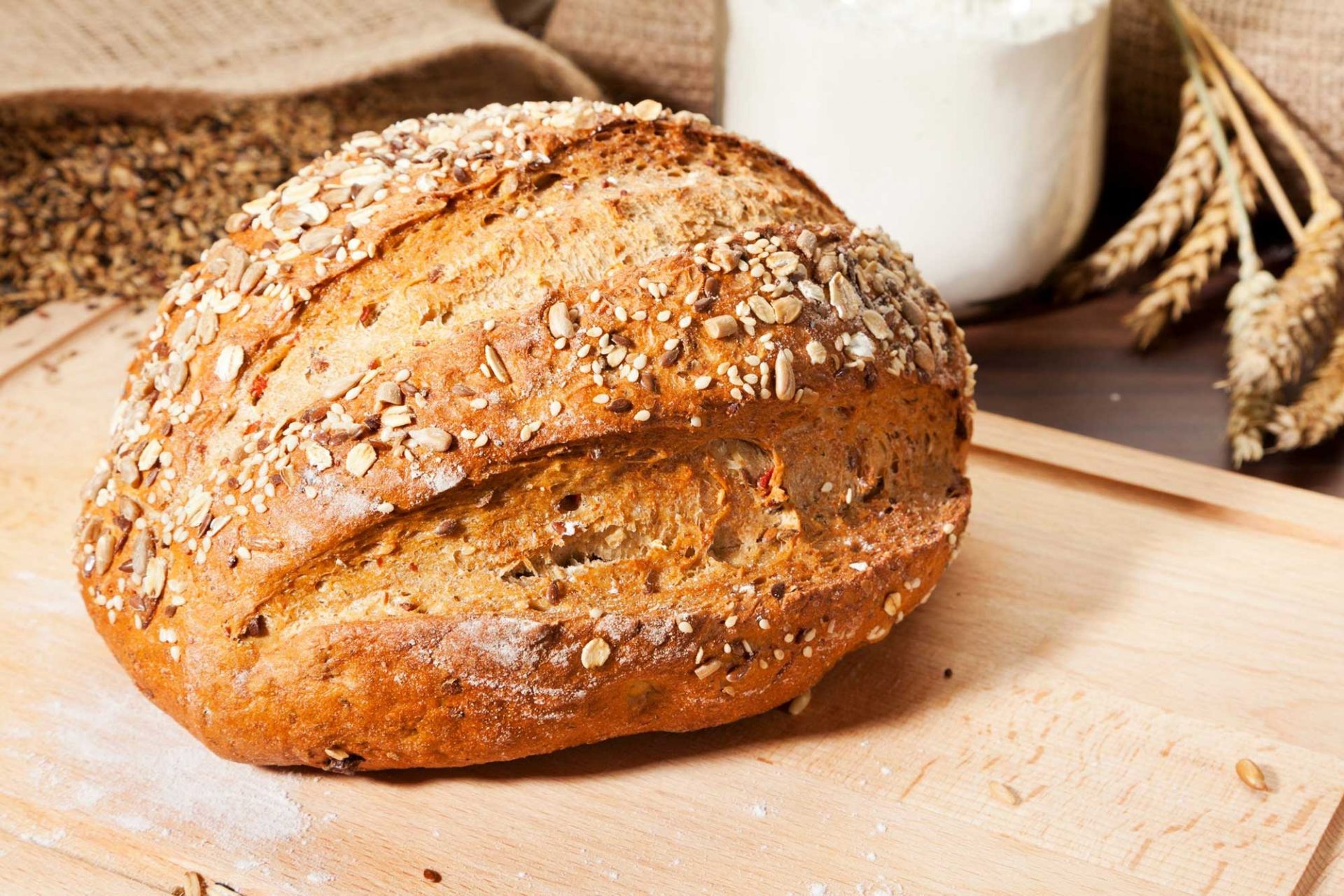
Carbohydrates are the main and preferred source of energy for our body. They are digested and broken down into glucose, which fuels bodily functions and physical activity, making them an essential part of our diet.
Types of Carbohydrates
| Simple Carbohydrates or Sugars | Complex Carbohydrates or Starches | Dietary Fibre |
| Simple carbohydrates are quickly digested into glucose and absorbed into the blood stream, causing your blood glucose level to rise rapidly.
The sudden rise in blood glucose level may give you a short burst of energy, only to be followed by sluggishness when your blood glucose level dips. Sources of simple carbohydrates:
|
Complex carbohydrates or starches are digested and broken down into glucose at a slower rate, leading to a gentler rise in blood glucose level and providing a steady release of energy.
Sources of complex carbohydrates:
|
Dietary fibre is the indigestible portion of plants foods that cannot be broken down or absorbed by the body. Unlike sugars and starches, it cannot be digested into glucose for energy.
There are two types of fibre:
|
It is important to choosing the right carbohydrates for your health:
-
Avoid foods that are high in added sugar
These foods are high in calories but are not rich in nutritional value. Eating too much added sugar over time raises your blood sugar and can make you gain weight. Foods with naturally occurring sugars come with vitamins, minerals and fibre, and are more nutritious for the body. -
Eat foods high in fibre
Research has also shown the many benefits of fibre on digestive health, weight management, blood glucose control, lowering risks of heart disease and cancers. -
When choosing starch, go for whole-grains instead of refined grains.
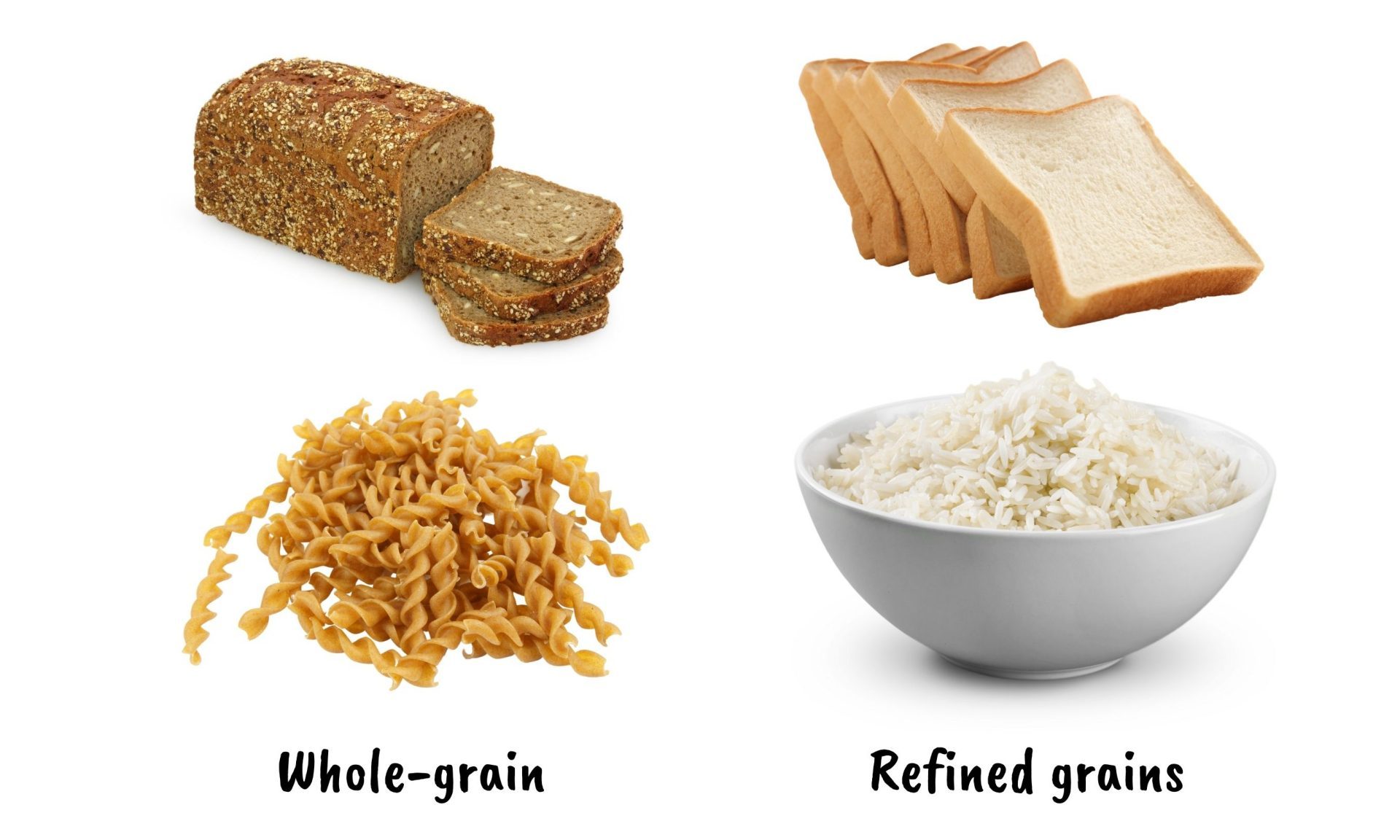
| Whole-grains | Refined grains |
| Unrefined grains that contain the bran, germ and endosperm, making it a more nutritious option.
They are good sources of fibre that increases satiety, boosts digestive health and lowers the risk of heart disease. They also contain B vitamins, vitamin E, magnesium, potassium and selenium that promote good health and may protect against some cancers. Whole-grains include:
|
Milled to remove the bran and germ to leave behind only the endosperm, hence are lower in fibre and other nutrients.
Refined grains include:
These foods tend to be higher in Glycaemic Index (GI), which means that they cause a more rapid rise in blood sugar levels after consumption. |
How to enjoy whole-grains?
There are endless ways to enjoy whole-grains. Here are some suggestions to add whole-grains to your daily diet.
| Mixing | Replacing |
|
|
Recommended daily intake
It is recommended for adults to consume five to seven servings of carbohydrates per day, including at least two to three servings of whole-grains daily. In other words, make at least half of your daily grains whole.
This can be accomplished by including these in your daily diet:
| Breakfast | 2 slices of wholemeal bread or ⅔ bowl of uncooked oats |
| Lunch or Dinner | 1 bowl of rice (half unpolished + half whole) |
| Snack | 4 pieces of whole wheat biscuits |
Pay attention to protein choice

Protein is required for many bodily functions including muscle maintenance, cell renewal, wound healing and immunity.
Protein that contains all the essential amino acids that the body needs are known as complete proteins. Some examples are plant-based protein such as tofu, tempeh, beans, lentils and animal proteins such as meat, fish, poultry, eggs and dairy.
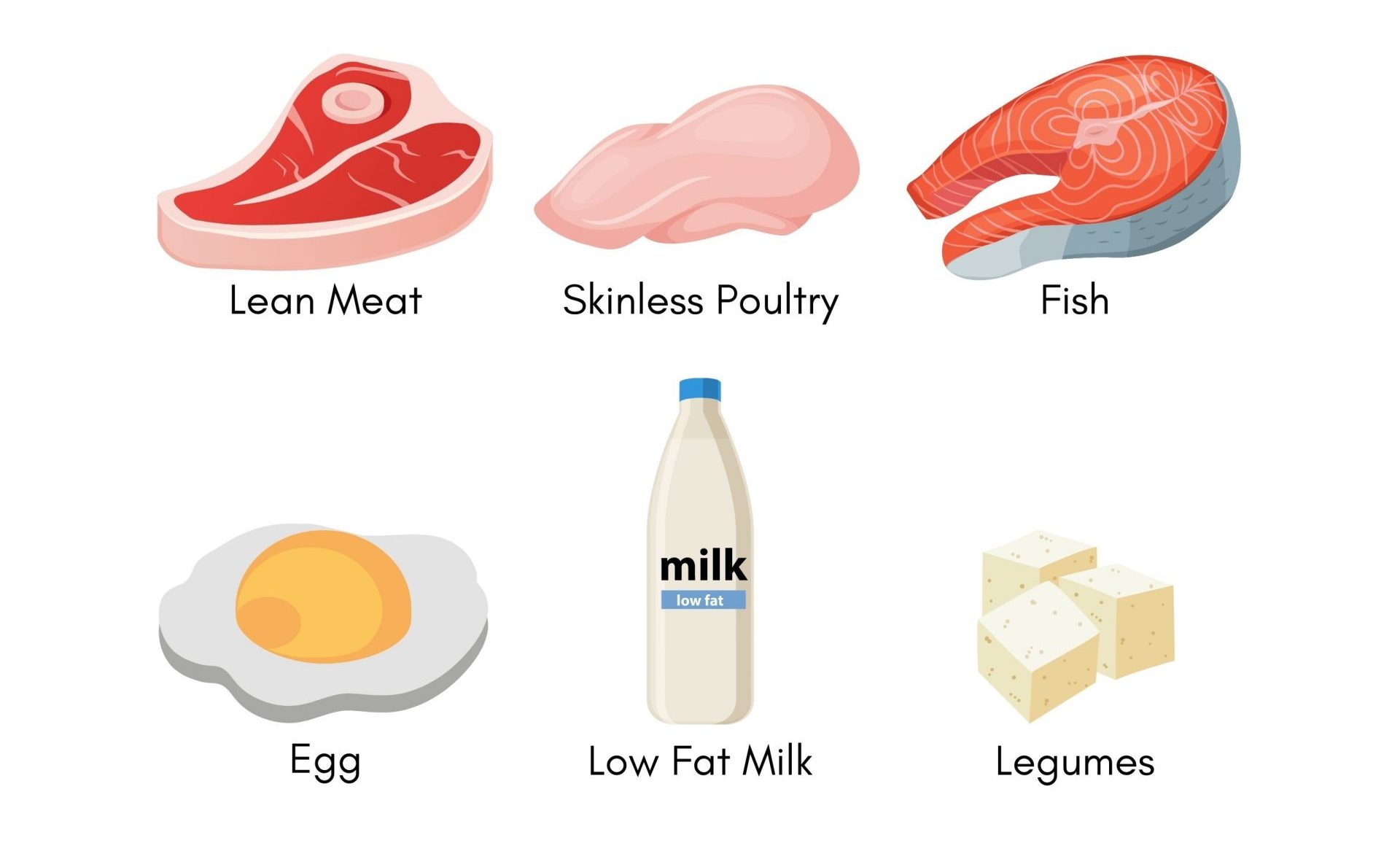
- Choose healthier protein options e.g. eggs, low-fat dairy products, lean poultry, fish and plant-based protein (such as tofu and legumes)
Animal protein
As animal foods contain saturated fat, make healthier choices by selecting lower fat options and removing visible fat and skin.
In general, red meats (including beef, mutton, pork and venison) tend to contain more saturated fat than poultry and fish. High intakes of saturated fat have been proven to be detrimental to heart health. Hence it is recommended to consume red meats in moderation.
When consuming red meat, select leaner cuts and trim off visible fat to reduce the saturated fat content.
Plant protein
Plant proteins do not contain cholesterol, making them a healthier option. However, some plant-based proteins such as soy bean products and quinoa contain the nine essential amino acids that the body needs, making it a complete protein.
Other plant proteins need to be consumed in combination to obtain the essential amino acids that our bodies require. To ensure adequate protein intake, consume a variety of plant-based proteins, including soya beans, legumes, nuts, seeds and grains.
-
Aim for two servings of oily fish a week
Include oily fish such as salmon, mackerel, sardines and tuna, at least twice a week to reap the goodness of Omega-3 fatty acids, which are beneficial for overall heart health. -
Avoid processed meats such as bacon and sausage
Processed meats such as sausages, ham, salami, and bacon tend to be high in fats and sodium. -
Recommended daily intake
It is recommended for adults to consume 2 to 3 servings of protein per day. Individuals with medical conditions such as chronic kidney disease may need a low protein diet. Please consult your physician.
Limit total fat intake, especially saturated and trans fats

Fats are a dense source of energy for the body and aid in the transport of fat-soluble vitamins like vitamins A, D, E, and K. The body also uses fats to store energy, cushion vital organs and for insulation.
Fats provide more energy than other macronutrients – fats provide 9kcal/g while carbohydrate and protein provide 4kcal/g each. Excessive energy intake may lead to weight gain and other related health issues.
Types of Fats
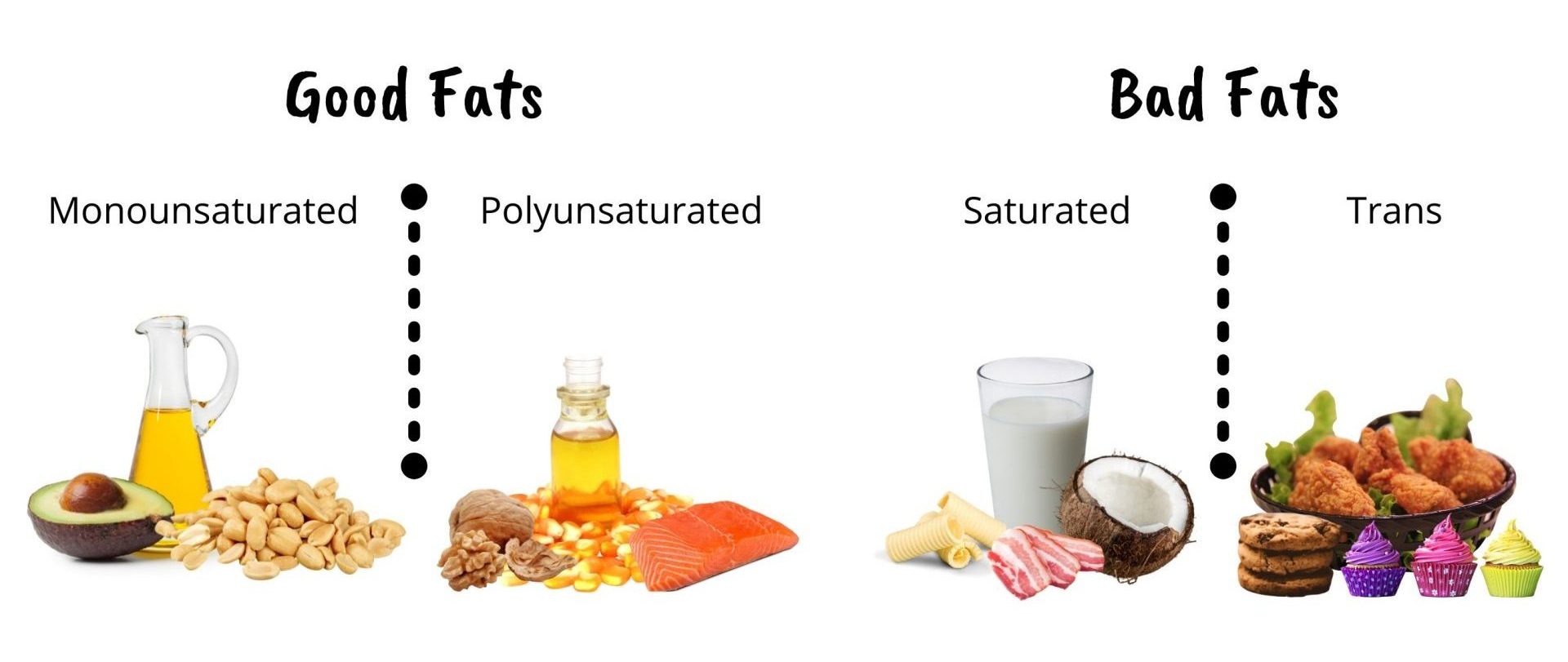
| Good Fats | Bad Fats |
| Monounsaturated Fat Benefit: When consumed in moderation in place of ‘bad’ fats, monounsaturated fat helps to lower LDL (bad) cholesterol levels. Sources:
|
Saturated Fat Disadvantages: Saturated fats increases LDL (bad) cholesterol levels and thus increases the risk of heart disease. Sources:
|
| Polyunsaturated Fat (Omega-3) Benefit: Omega-3 can help lower the levels of triglycerides in the blood. Sources:
|
Trans Fat Disadvantage: Trans fat raises LDL (bad) cholesterol while lowering HDL (good) cholesterol levels, leaving one vulnerable to heart disease. Sources:
|
| Polyunsaturated Fat (Omega-6) Benefit: Omega-6 boosts heart health by reducing total and LDL (bad) cholesterol levels. Sources:
|
Total fat intake a day should be limited to 25 to 30% of total calorie intake, of which less than 10% is from saturated fat. The balance should come from mono- and polyunsaturated fats.
| Recommended Daily Intake | Male | Female |
| Calorie | 2,200 kcal | 1,800 kcal |
| Good Fat | 49g | 40g |
| Saturated Fat | ≤ 24g | ≤ 20g |
| Trans Fat | ≤ 2g | ≤ 2g |
The values indicated above are average estimated values for adults.
It is also important to watch your intake of ‘bad’ fats as they could contribute to increased blood cholesterol levels, leading to atherosclerosis.
Ways to reduce fat intake and replace bad fats with good fats in your diet
- Replace bread spread like butter and margarine with a light spread of fresh avocado, 100% unsalted peanut butter, or a small dip of extra virgin olive oil.
- For cooking at home, use unsaturated cooking oils, e.g. those with the “Lower in Saturated Fat” Healthier Choice Symbol (HCS) but in moderation.
- Enjoy deep-fried foods sparingly and, whenever possible, ask for less or no added oil and gravy.
- Read food labels and avoid products that contain ‘partially hydrogenated oils’ or ‘shortening’ to reduce your intake of trans fat.
- Choose lean meats. Remove skin and visible fats before eating.
- Have a fish dish at least twice a week and choose healthier cooking methods like grilling, steaming and pan-frying instead of deep-frying.
- Include good sources of omega-3 fats in your diet – walnuts, ground flaxseeds, chia seeds, and one or more weekly servings* of fatty fish e.g. salmon, mackerel, tuna or sardines.
*1 serving of fish = 90g or 1 palm-sized of cooked fish.
Cut back on cholesterol-rich food
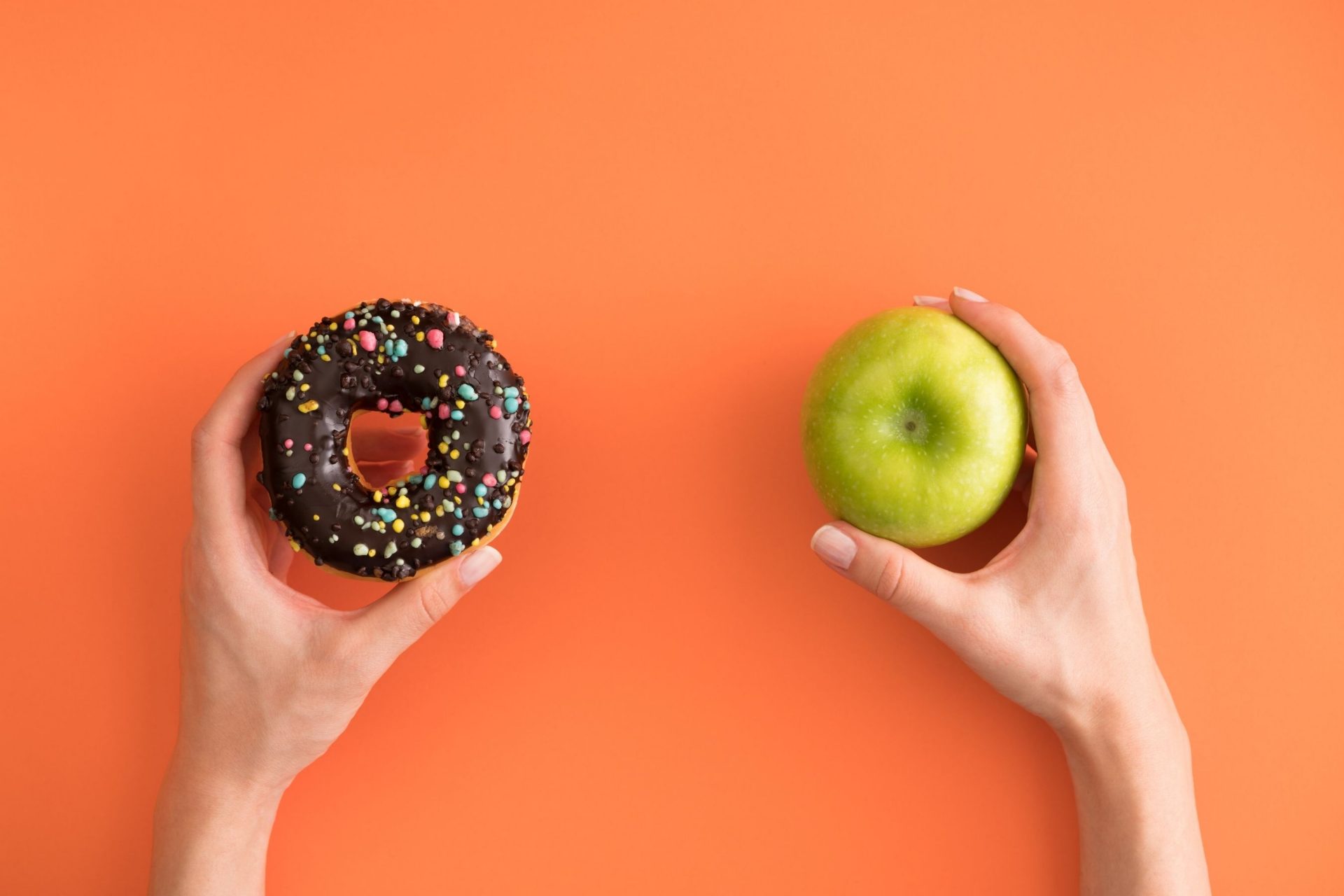
Cholesterol is a fatty waxy substance in the body that has many functions. It is a building material for cell membranes and an ingredient that the body uses to convert sunlight into vitamin D.
80% of cholesterol in the body is produced by the liver and the rest comes from the food that we eat.
There are two main types of cholesterol:
| High-density lipoprotein (HDL) or ‘good’ cholesterol | Low-density lipoprotein (LDL) or ‘bad’ cholesterol |
| HDL carries excess cholesterol in the bloodstream back to the liver to be broken down and eliminated.
A high level of HDL-cholesterol lowers your risk of developing heart disease and stroke. Sources of HDL
|
When there is an excess of LDL cholesterol in the bloodstream, it gets deposited on the walls of arteries, creating a build-up of plaque (fatty deposits). Over time, plaque causes the arteries to narrow, increasing the risk of atherosclerosis and result in a heart attack or stroke if the blood flow to the heart or brain gets blocked.
Sources of LDL
|
Recent studies have shown that the effect of dietary cholesterol intake on blood cholesterol levels is modest. However, some people, including those with diabetes or existing heart disease, are sensitive to dietary cholesterol. The Ministry of Health recommends limiting cholesterol intake to less than 300mg per day to reduce LDL (bad) cholesterol levels (MOH Guidelines 2016).
Cholesterol is only present in animal foods. Here is a list of Singaporeans’ favourite foods and their cholesterol content.
| Food | Amount | Cholesterol Content |
| Boiled chicken liver | ½ cup, 80g | 315mg |
| Raw oyster | 6 whole, 300g | 243mg |
| Boiled egg | 1 whole | 240mg |
| Sambal sotong | 1 serving, 120g | 204mg |
| Chilli crab | 1 serving, 300g | 221mg |
| Braised pig stomach | 1 serving, 100g | 150mg |
| Steamed prawn | 5 whole, 80g | 150mg |
| Oyster omelette | 1 serving, 260g | 367mg |
| Mutton Briyani | 1 serving, 510g | 96mg |
Monitor sodium intake; choose foods low in salt

Our body requires about 500 mg of sodium a day to function effectively. Sodium helps to transmit nerve impulses, contract and relax muscle fibres (including those in the heart and blood vessels), and maintain a proper fluid balance. This small amount of sodium can be obtained easily by taking fresh foods. For example, consuming 2 eggs, 2 slices of wholemeal or white bread, 1 palm-sized salmon and 1 palm-sized chicken breast will give you 541mg of sodium.
Another common source of sodium is salt, which contains 40% sodium and 60% chloride. With a large amount of salt added to make sauces, seasonings (MSG, stock cubes) and processed food (e.g. canned food, processed meats and preserved food), they are consequently high in sodium too.
In fact, based on the National Nutrition Survey 2025, sodium in our diet is contributed mainly by processed foods, seasonings, salt and sauces added during cooking and food preparation (i.e., soup dishes, gravy and sauce-based dishes, flavoured rice and noodles), as well as salt added as part of the manufacturing of bread, noodles and pasta. As a result, 95 per cent of Singaporeans are consuming more than 10g of salt (or 4,000mg sodium) per day, exceeding close to double the recommended daily limit of less than 5g of salt (or 2,000mg sodium) per day.
What happens if we eat too much sodium?
A high sodium intake is associated with hypertension and an increased risk of cardiovascular disease.
Too much sodium in the diet will cause the body to retain water and increase blood volume. It forces the heart to work harder, leading to higher blood pressure. Over time, it can result in complications such as heart disease, kidney disease and stroke.

Be mindful of your food choices as it could very much slowly and sneakily add up without our knowledge and exceed our recommended daily sodium intake.
Ways to reduce sodium in your diet:
-
Have more home-cooked meals instead of eating out
This way, you have better control on the condiments you add. -
Use fresh produce whenever possible instead of processed food
Limit your intake of processed/canned/salted meats, fish, vegetables and pickles as they are highly salted. -
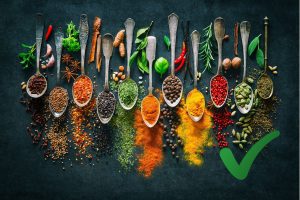
Add fresh herbs, spices and condiments instead of salt and sauces to enhance taste and flavour
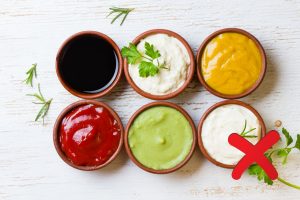
Even sauces that are spicy yet sweet tasting, like our good old Thai Sweet Chilli sauce (1 tablespoon) could come close to meeting 10% of our recommended daily sodium intake.
-
-
When eating out, make extra effort to avoid sodium
Choose plain rice instead of flavoured rice. Ask for ‘no’ or ‘less’ salt, sauces and gravy, and leave most of the soup behind when eating noodles with soup. Find out which of your hawker-favourite contains shocking amount of sodium.
-
-
For salad and dry noodles, ask for the dressings and sauces to be served by the side
-
-
Limit your intake of baked goods
Salt is often added to pastries, confectionery and dessert to enhance sweetness. Salt also controls yeast growth and has a strengthening effect on the gluten in the dough. Consuming two slices of bread contributes to around 10% of our recommended daily sodium intake. One serving of plain cornflakes (40g /1½ cup) could come close to meeting around 15% of our recommended daily sodium intake. -
When buying packed foods, choose the lower sodium options
Look out for food items with the ‘Lower in Sodium’ Healthier Choice Symbol (HCS). -
Use salt replacement
Lower sodium salt is an alternative salt that can replace regular table salt as it contains 30% less sodium. In some lower sodium salt, potassium chloride may be used to partially replace sodium chloride. Individuals with a background medical condition such as chronic kidney disease should exercise caution with potassium salt substitutes unless under guidance by a health professional.
Himalayan salt, sea salt, rock salt and kosher salt are not table salt substitutes, as they have similar sodium content by weight. Whichever type of salt you choose, it is still recommended to consume in moderation.



Reduce sugar intake
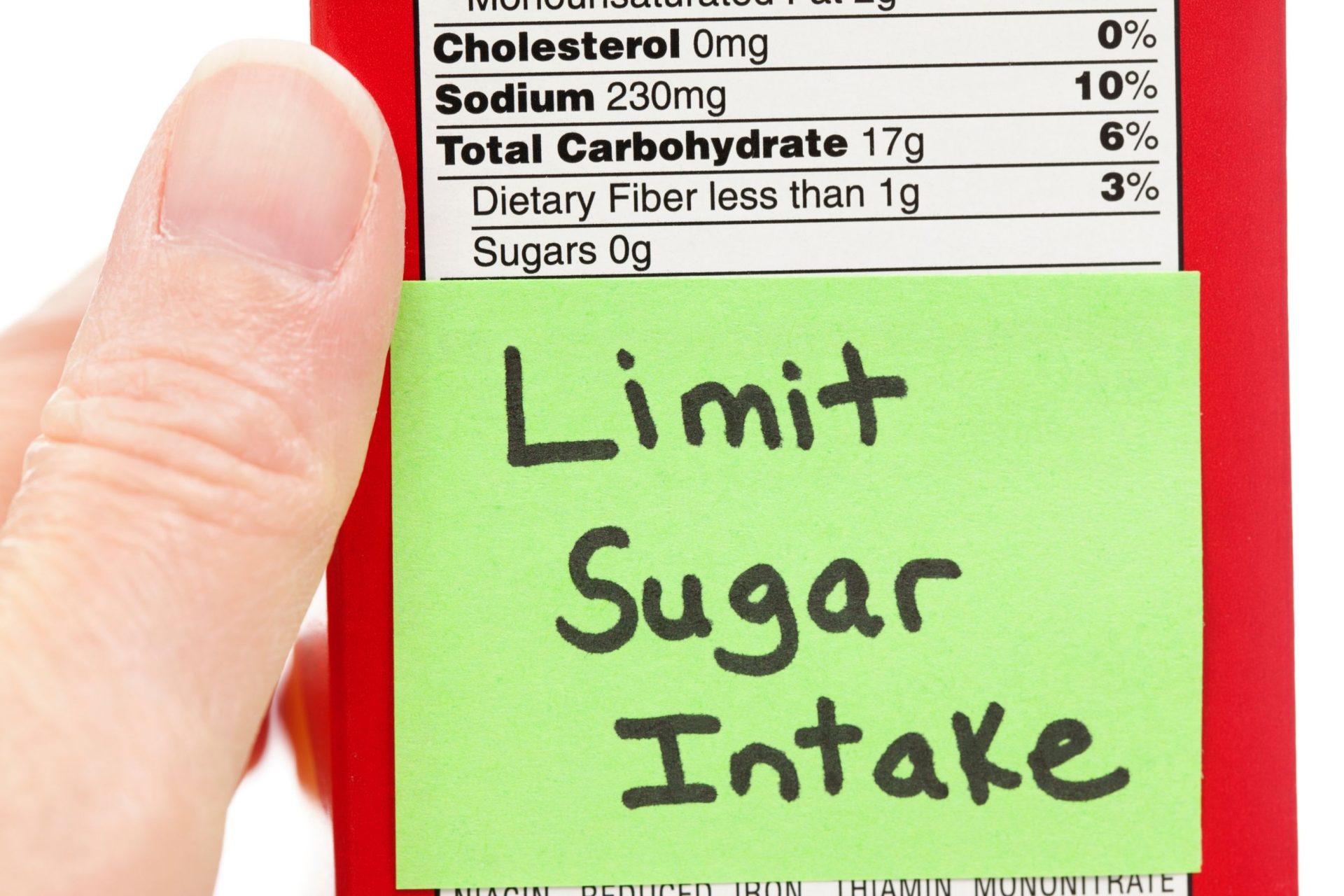
Sugar is a type of simple carbohydrate. As compared to starch (complex carbohydrate), sugar is digested and absorbed quickly, causing ‘spikes’ in blood glucose levels. It also contains little of other nutrients such as fibre, vitamins and minerals.
Food and drinks loaded with sugar are dense in energy. An excessive intake of energy may lead to obesity and related health issues.
Types of sugar in our diet:
| Naturally Occurring Sugar | Added Sugar |
These foods are nutrient-dense, containing vitamins, minerals, fibre and phytochemicals that are necessary for good health. It is recommended to consume fruit and dairy products in moderation as part of a balanced diet. |
Refined sugar and syrup added to food and drinks during preparation, or processing, or at the table.
They contribute to intake of ‘empty’ calories, meaning that it provides mainly energy and minimal amount of other nutrients such as fibre, vitamins, and minerals. Examples of foods with added sugar include:
|
Consequences of excessive sugar intake
- Overweight and obesity
- Increased risk of diabetes, cardiovascular disease, and certain cancers
- Increased triglyceride levels in blood -> High risk of heart disease
- Tooth decay
Recommended daily intake
The Health Promotion Board recommends keeping sugar intake to no more than 10% of our daily energy intake. That works out to be about 45g to 55g or 9 to 11 teaspoons of sugar per day for adults.
Ways To Reduce Added Sugar In Your Diet
- Avoid 3-in-1 beverages and cereals as they are loaded with added sugar.
- Ask for no sugar or less sugar when ordering drinks and desserts.
- Avoid/minimise your intake of sugar-containing beverages such as flavoured milk, yoghurt drinks, soft drinks, cordials, fruit juices and drinks, sports and energy drinks, and packet drinks.
- Bring a bottle of water with you whenever you go out.
- Replace sugar with some dried or fresh fruit, e.g. when eating breakfast cereals.
- Reduce sugar in your baking recipes by ⅓ or ½.
- Swap sugar-laden snacks with healthier ones such as fresh fruit, a handful of unsalted nuts, vegetable sticks, steamed corn-on-the-cob or baked sweet potato wedges.
- Opt for products with the “Lower in Sugar” Healthier Choice Symbol (HCS) but consume them in moderation.
Eat a Rainbow
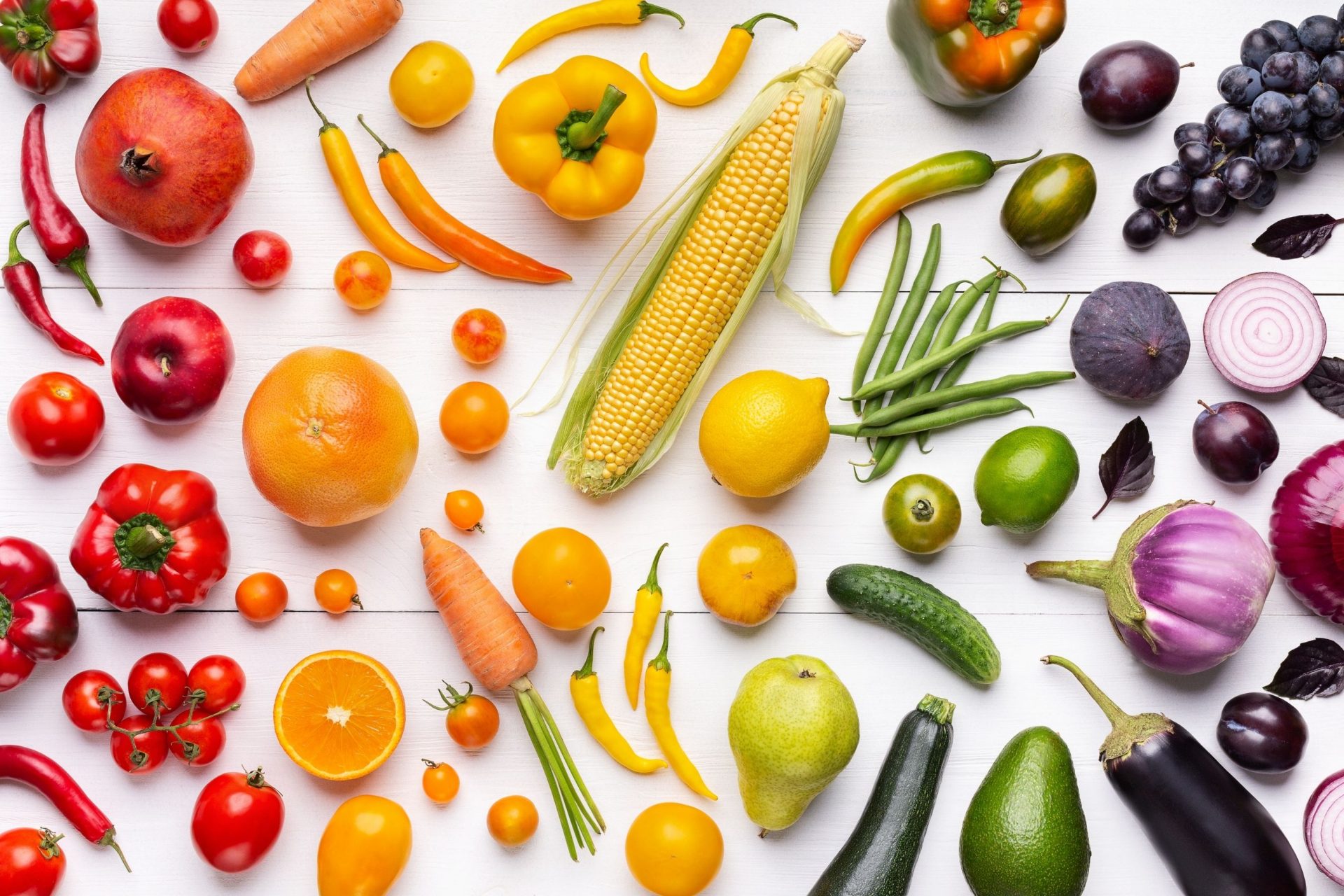
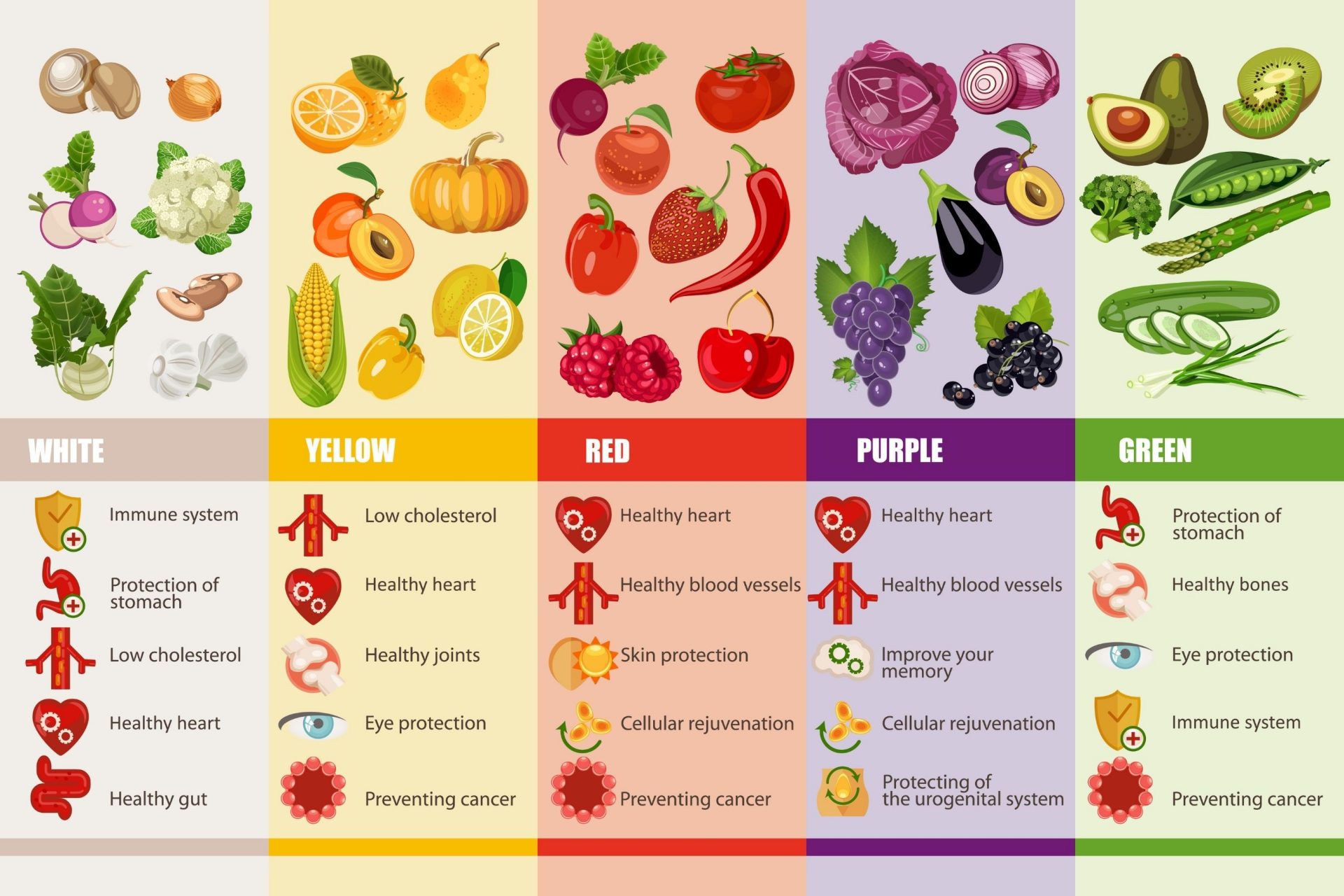
Like the colours of a rainbow, there is a colourful variety of fruit and vegetables. These colours represent different vitamins, phytochemicals, and antioxidants. Consuming a rainbow of fruit and vegetables helps you to reap the benefits of these nutrients plus the goodness of fibre.
Benefits of Fruit and Vegetables According to its Colour
Red
Red-coloured fruit and vegetables contain antioxidants such as lycopene and anthocyanins, which may help to reduce blood pressure and cholesterol, thus protecting a person against cardiovascular disease.
Besides being rich in vitamin C, tomatoes also release lycopene when it is cooked.
Other red coloured fruit and vegetables include strawberries, watermelon, red potatoes and red capsicums.
Orange/Yellow
An orange/yellow coloured fruit is naturally pigmented by carotenoids. It is a rich source of beta-carotene and vitamin A, which helps with immunity and may also reduce the risk of cancer and heart disease.
Sources of orange/yellow coloured fruit and vegetables are pumpkin, papaya, pineapple, yellow capsicum and carrot.
Blue/Purple
Purple grapes, a blue/purple fruit, are coloured by natural pigments known as anthocyanins. It is a powerful antioxidant, which protects cells from damage and also promotes healthy aging.
Blue/purple sources like beetroot contain nitrate can help to lower blood pressure and may benefit heart health.
Other blue/purple coloured fruit and vegetables include blueberry, prune, fig and brinjal.
Green
Broccoli is coloured by the phytochemical known as chlorophyll, which gives it is green hue. Besides being a source of folate, which helps reduce risk of birth defects, it also contains indoles and zeaxanthin that may help to prevent and delay progression of an age-related eye disease, known as degeneration.
Opt for green coloured fruit and vegetables such as dark green leafy vegetables, cucumbers, avocados and honeydew to reap its benefits.
White
Anthoxanthins in white fruit or vegetable help to reduce cholesterol and blood pressure, thereby promoting heart health. It also has anti-inflammatory properties, which can help to reduce inflammation in the body.
Examples of white-coloured fruit and vegetables include onions, bananas, mushrooms, garlic and potatoes.
Reference: https://www.ag.ndsu.edu/publications/food-nutrition/what-color-is-your-food
Avoid excessive alcohol consumption

Excessive alcohol intake is linked to several health issues such as obesity, diabetes, hypertension, stroke, atrial fibrillation, and liver damage.
If you drink alcoholic beverages, do so in moderation. Have no more than one standard drink a day for women and two drinks a day for men. A standard drink is equivalent to ⅔ can of beer (220ml), a small glass of wine (100ml), or a glass (30ml) of spirits.

Alcohol contains 7 kcal/g, which is slightly lower than that of fat (9 kcal/g). Cocktails and mixers are sweetened with soft drinks and syrups, adding to their sugar and calorie content. That is why regular drinkers tend to have abdominal obesity, also known as the infamous beer belly.
| Alcohol Beverage | Amount | Calories (kcal) |
| Beer | ⅔ can (220ml) | 95kcal |
| Wine | 1 small glass (100ml) | 140kcal |
| Hard Liquor | 1 glass (30ml) | 89kcal |
If you have a medical condition, it is advisable to discuss with your doctor on alcohol consumption and possible effects on prescribed medications.
Frequently Asked Questions on Alcohol Consumption
Is red wine healthy for my heart?
Is beer intake the reason for my beer belly?
Does consuming alcohol before bed help me sleep better?
Do heart patients have to give up alcohol?
Does consuming alcohol help me relax and reduce blood pressure?
Reap heart-protective benefits of nuts
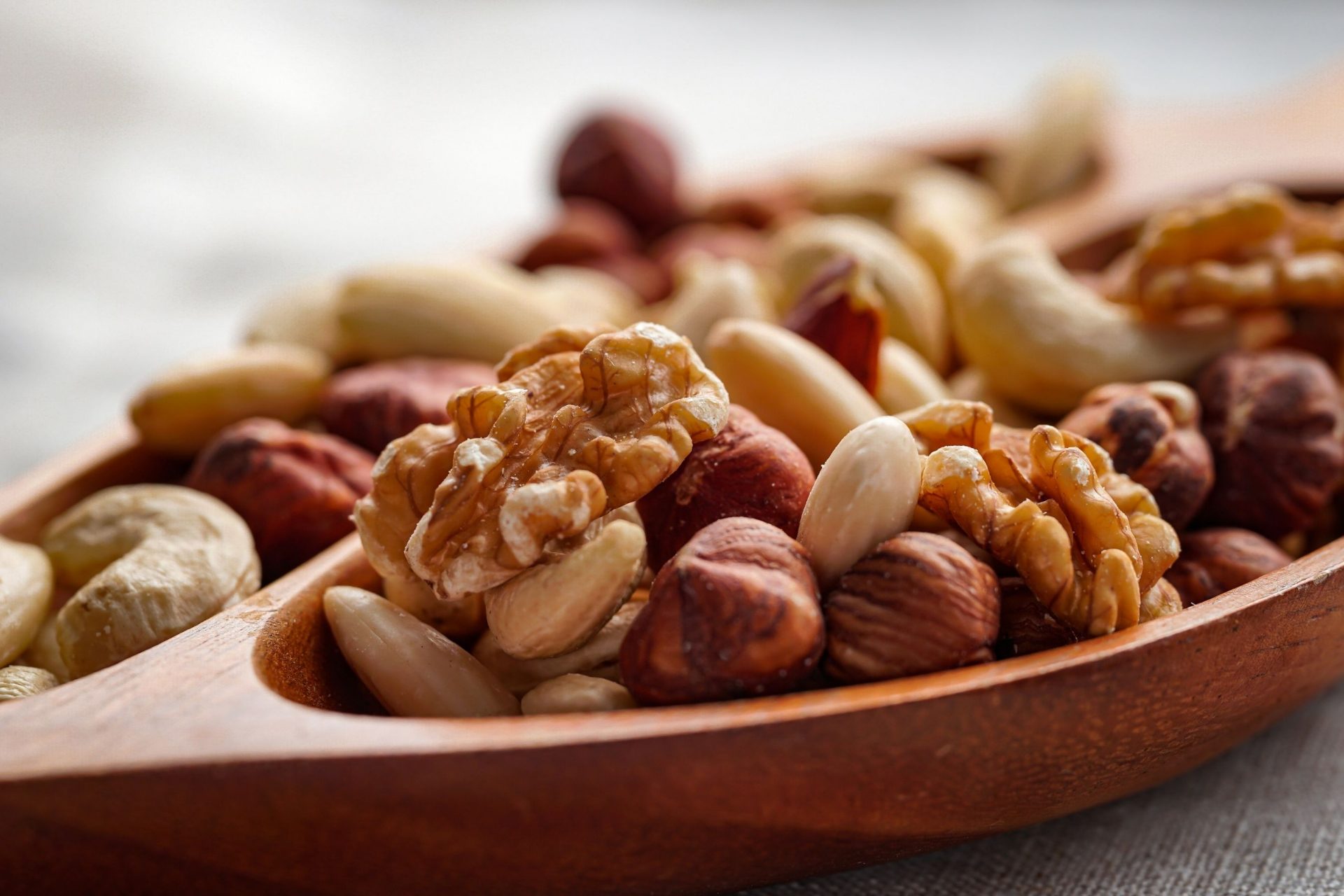
Nuts are concentrated in an array of nutrients, which include:
- The “good” fats (both monounsaturated and polyunsaturated fats)
- Protein
- Dietary fibre
- Phytochemicals (plant chemicals that have disease-preventive properties)
- Vitamin E and B-complex vitamins
- Minerals (e.g. magnesium, iron, manganese, potassium, calcium, zinc, copper, and selenium)
Nuts are also cholesterol-free and are naturally low in sodium. A growing body of scientific evidence is suggesting the many health benefits of nuts:
- May reduce the risk for heart disease
- May prevent cancer
- May improve blood sugar levels in people with Type 2 Diabetes
- May help in weight control (on a calorie-restricted diet)
Recommended intake
As nuts are high in fat and calories, they should be consumed in moderation.
- One handful (28g) a day; about 180 calories and 18g of fat
- Choose unsalted, raw or dry roasted nuts instead of those that are fried and coated in salt, sugar or chocolate
- Eat a variety of nuts to benefit from the wide range of nutrients in nuts
How much is a handful of nuts?
- 20 almonds
- 15 cashews
- 20 hazelnuts
- 15 macadamias
- 15 pecans
- 2 tablespoons of pine nuts
- 60 pistachios in shells
- 10 whole walnuts
- A handful of mixed nuts
Ways to Enjoy Nuts
- On its own as a yummy snack
- A sprinkle in breakfast cereals, salads & pastas
- Ground up in smoothies and as nut butters
For professional advice on heart-healthy eating or if you would like to engage us for nutrition talks, please email nutrition@heart.org.sg or call 6354 9365.
Disclaimer: The content on this page is for information only, it is not meant to substitute direct medical advice from your doctor or clinician.