|
Are Coconut Shakes the Healthier Bubble Tea?
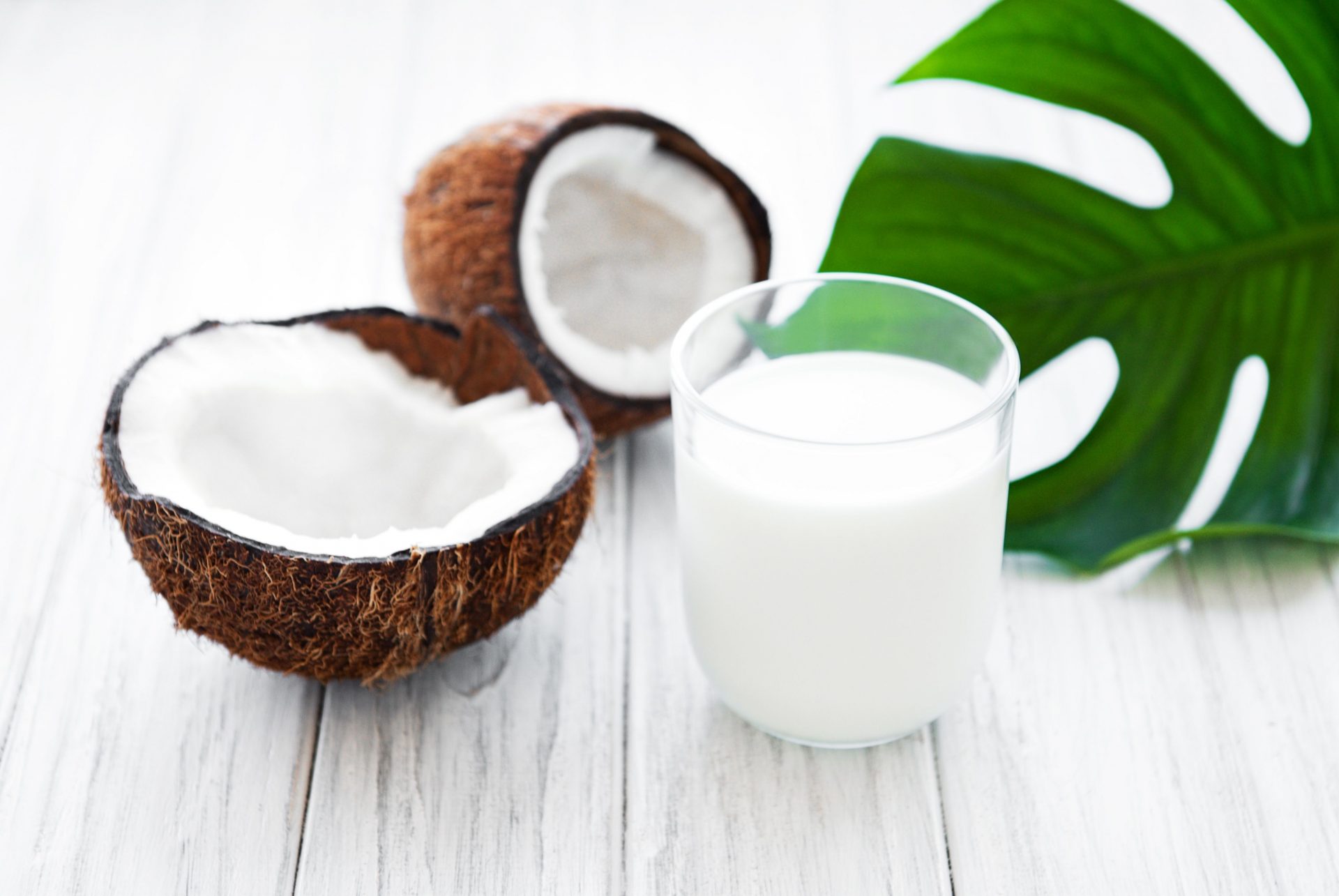
In a hot and humid country like Singapore, it is no surprise why a cup of refreshing coconut drink would win the heart of Singaporeans. Over the past year, coconut shakes – made of coconut water and other ingredients – have gained much popularity here as the healthier alternative to bubble tea, but are they? Read on to find out!
Health benefits of coconut water

First, let’s look at the main ingredient of coconut shakes – coconut water. It is essentially coconut juice fresh from the “nut”, and contains lesser calories than most fruit juices. Naturally rich in electrolytes like sodium, potassium and manganese, coconut water is said to be helpful for rehydration and control of muscle contractions after a strenuous exercise . However, it is important to read the labels if making the purchase of pre-packed coconut juice as some of them contain added sugar.
Some people also believe that the cooling properties of coconut water can help mitigate the COVID-19 vaccine’s side effects, though doctors say there is no evidence that coconut water can reduce chances of developing fever after a vaccination.
On average, a cup (250ml) of 100% coconut water contains the following nutrients:
- Calories: 54 kcal
- Protein: 0g
- Total Fat: 0g
- Saturated Fat: 0g
- Dietary Fibre: 0g
- Carbohydrates: 14g
- Sodium: 2.5mg
- Potassium: 495mg
How about coconut shakes?
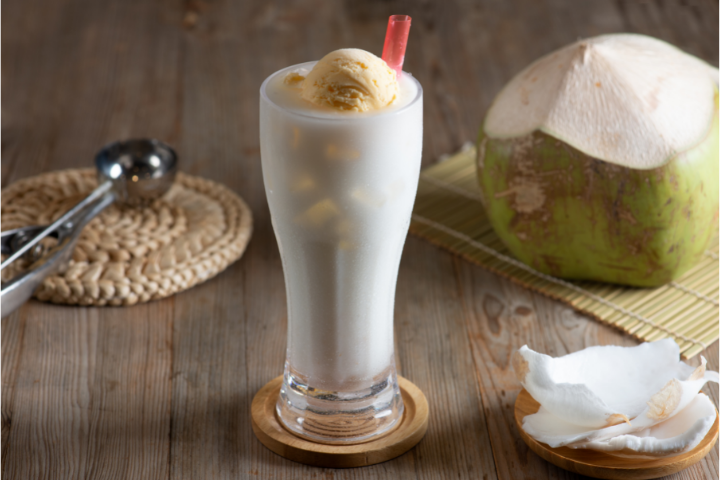
There are many health benefits of coconut water, but it is not quite the same for coconut shakes. Made of coconut water, coconut flesh, and sometimes scoop(s) of vanilla or coconut ice cream, this cup of “shiok-ness” can easily bust your daily sugar intake of 45 g to 55g (9 – 11 tsp), no thanks to the ice cream that gives your shake the thickness and the fattening coconut flesh.
Containing a significant amount of saturated fat, overconsumption of coconut shakes may lead to unwanted weight gain and put you at a higher risk of cardiovascular disease.
Nutrition information for a serving of of original coconut shake (500 ml) is as follows:
- Calories: 329 kcal
- Protein: 3.9 g
- Total Fat: = 10.3 g
- Saturated Fat: 4.1 g
- Dietary Fibre: 3.4 g
- Carbohydrates: 53.3 g
- Added sugar: 30 g
Can I still enjoy a Coconut Shake ?
- Make healthier coconut shake orders:
- Ask for 0% sugar when possible.
- Do not add any toppings into your drink (Yes, do not add that scoop of ice cream)
- Never ask for an upsize.
Quench your thirst for that coconut shake by making one on your own!