|
Different Blood Pressure in Arms

Have you wondered why it is common practice to measure blood pressure on the left upper arm? It is said to provide an accurate blood pressure measurement, which is important in identifying a person’s risk of persistent high blood pressure, otherwise known as hypertension, a risk factor of cardiovascular disease.
If you have been measuring your blood pressure on your right arm, however, slight difference inter arm is typically no cause for alarm. But it is important to note that significant difference in blood pressure between the two arms could signal trouble.
Why is there a difference in blood pressure readings?
With every heartbeat, blood is pumped throughout the body through blood vessels called arteries. As blood flows through the arteries, the blood exerts a force against the inner arterial walls. This force is known as blood pressure.
The aorta is the main artery that transports blood away from the heart to a network of smaller branching arteries that supply the body with oxygen and nutrients. The arterial anatomy is asymmetrically developed and arranged in a way where arteries branching off the aorta towards the left and right sides of the body are different. This difference in the asymmetrical branching of arteries affects blood pressure, giving rise to different blood pressure measurements between arms. Additionally, in contrast to the right artery, the left subclavian artery forms an acute angle at its origin from the aorta, causing decreased blood flow. As a result, blood pressure is typically greater in the right arm compared to that in the left arm.
Furthermore, when surrounding muscle, fat or connective tissue exerts pressure or compresses on the artery supplying an arm, transient turbulence in blood flow is created which may also affect blood pressure. In some cases, a structural problem may prevent smooth blood flow through an artery, causing inter arm blood pressure differences.
Besides physiological and structural causes, inter arm blood pressure differences can also be caused by medical conditions such as peripheral artery disease, hypertension, diabetes and other pathological conditions which have a negative effect on the arterial circulation of blood flow.
Why Take Blood Pressure in the Left Arm?
The heart is situated slightly to the left of the central midline of the chest. The aorta, which is the body’s largest blood vessel, exits from the left side of the heart to transport blood away from the heart to all parts of the body through a network of smaller arteries that have branched off from the aorta. Therefore, the left arm is often the preferred arm to use for blood pressure measurements.
However, new research suggests that taking blood pressure measurements from both the left and right arm, and using the higher reading would more accurately identify presence of high blood pressure, compared to relying on readings from a single arm. A more accurate blood pressure measurement from the arm with a higher reading in subsequent examinations would, in turn, lead to improved diagnoses and better management strategies for high blood pressure. Importantly, blood pressure readings from both arms should be compared routinely to monitor for any persistent differences in readings that are not within the normal range, which may be a cause for concern.
How to get accurate blood pressure measurements
Warning Sign
Generally, differences in blood pressure readings varying by a few points are considered normal due to physiological factors such as the asymmetrical development of arterial anatomy and transient turbulence in blood flow caused by structural organisation within the body. A systolic blood pressure difference of 10 mm Hg between arms has been considered as the upper limit of normal. Hence, any difference of more than 10 mm Hg can be a warning sign of and indicator for circulatory problems and or other pre-existing health issues.
The greater the difference in inter arm blood pressure readings, the higher the risk of vascular related diseases. According to researchers, people with an inter arm difference in blood pressure of 15 points (15 mm Hg) or more were twice as likely to have peripheral artery disease. In peripheral artery disease, the normal function and capacity of arteries supplying the arms and legs is negatively affected, leading to reduced blood flow. This effect on arteries mainly arises from atherosclerosis, which is the thickening or hardening of arteries caused by a build-up of plaque in the inner lining of arteries.
This artery-clogging disease is often the root cause of most heart attacks, strokes, and other cardiovascular diseases. When these potential underlying health risks are not promptly identified or left untreated, they may progress in severity, ultimately elevating the risk of mortality.
When to see a doctor

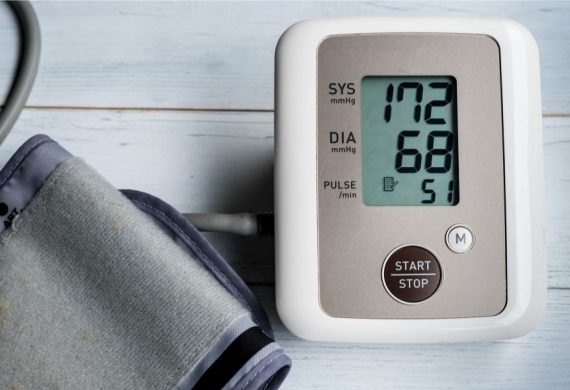
A reading of 140/90 mmHg or higher measured on two or more occasions, may be indicative of hypertension, while a reading of 90/60 mmHg and under may be indicative of low blood pressure (hypotension).
Hypertension increases the risk of health issues such as heart disease, heart attack and stroke. On the other hand, low blood pressure, while rare, deprives organs such as the brain from receiving adequate supply of oxygenated blood and nutrients.
In addition, a repeated inter arm systolic blood pressure difference of more than 10 mm Hg is highly indicative of arterial changes which prevents normal blood flow and are recognised as a significant risk marker for heart attack, stroke and other cardiovascular complications. To avoid these potential life-threatening events, repeated inter arm systolic blood pressure differences of more than 10 mmHg along with blood pressure readings that are consistently in the hypotensive, and hypertensive range signals the need to see a doctor for further assessments, as early diagnoses and relevant interventions help prevent disease progression.
Summary
Blood pressure differences between arms varying by a few points are normal due to natural physiological causes within the body. However, a consistent difference of greater than 10 mmHg for systolic pressure is associated with a high risk of cardiovascular related diseases. Without early intervention, such diseases may progress on in severity. Therefore, when measuring blood pressure, it is important to use a blood pressure machine that meets your needs and take routine blood pressure measurements from both arms for a more accurate gauge of blood pressure readings. Most importantly, monitor for significant differences in blood pressure and seek early medical attention when the need arises.