|
The Role of Cholesterol in Our Body
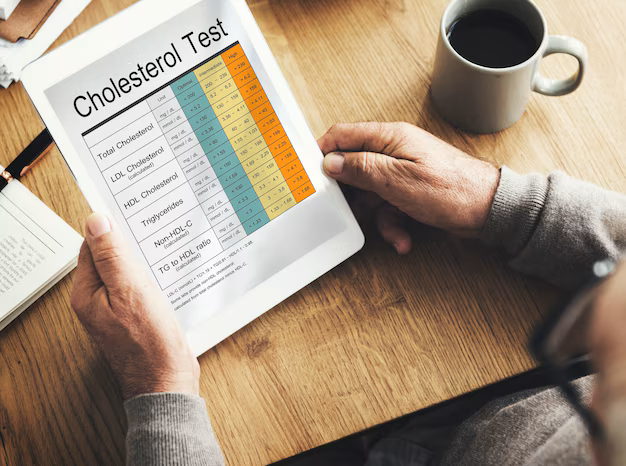
Contrary to popular belief, cholesterol is necessary if it is moderated in our bodies.
A lack of cholesterol may result in cancer, heart disease or depression1. However, overly high levels of cholesterol may result in undesirable outcomes such as cardiovascular disease or the blockage of arteries that may eventually result in a heart attack or a stroke2.
So, is cholesterol considered a friend or foe?
What is Cholesterol?
Cholesterol is a crucial lipid molecule needed to provide support for cell membranes in the body. It also helps the body produce hormones, bile acids and vitamin D. Cholesterol is vital for bodily processes to occur and is produced by the liver or comes from the food that is consumed3. For example, the consumption of foods high in saturated fats such as red meats and dairy products raises cholesterol. The human body has a function to remove excess cholesterol if needed. If so, why do people need to take note of their cholesterol levels4?
Cholesterol exists in two forms, low-density lipoprotein (LDL) and high-density lipoprotein (HDL).
The Function of Cholesterol
Cholesterol has many different functions that serve the human body.

- Supports Cell Membrane
Cholesterol is an insoluble lipid molecule that plays a role in maintaining a cell membrane’s structure. Cooler temperatures make the cell membrane more rigid and in warmer temperatures, the cell membrane becomes more fluid. As such, in cooler temperatures, cholesterol helps the cell membrane by providing fluidity and in warmer temperatures, by making the cell membrane more rigid to balance it out. This is regulation of structure is crucial in ensuring that the cell membranes can properly carry out its function in the body. - Aids Digestion
Cholesterol is the precursor for the production of bile acids, indicating that more cholesterol is required to make more bile required for digestion. Bile is a substance that is produced by the liver and stored in the gall bladder. It is vital in digesting and chemically breaking down fats. - Produces Key Hormones
Cholesterol is able to create several different hormones including stress, thyroid and sex hormones. Cortisol, a stress hormone, is closely related to cholesterol. Cortisol is released when the body is stressed. When the body undergoes high stress for a lengthened period of time, a high level of cortisol is produced. One of the side effects of cortisol is increased cholesterol. The level of thyroid hormones in the blood is also closely related to that of cholesterol. A lower level of thyroid hormone production leads to higher circulation of low-density lipoproteins cholesterol in the blood.Female sex hormones, namely oestrogen, have an inverse relationship with cholesterol. When oestrogen decreases, cholesterol increases; and vice versa. This may go to show why older women who have undergone menopause are more likely to suffer from heart disease due to high blood cholesterol levels.Male sex hormones namely testosterone also have an inverse relationship with cholesterol. Similar to women, when men undergo andropause, they are more likely to suffer from heart disease due to high blood cholesterol levels.
- Produces Vitamin D
Cholesterol is required in the production of vitamin D. When exposed to sunlight, cholesterol is needed in skin cells and bodies so that vitamin D can be produced. Studies have shown that a low level of vitamin D in one’s body would normally translate to a high level of cholesterol5.
Factors That Affect Cholesterol Levels

- Medical Conditions
Medical conditions such as lupus, hypothyroidism, diabetes, HIV/AIDs and chronic kidney diseases may affect cholesterol levels negatively. - Medications
Medications for acne, cancer, organ transplants and even high blood pressure may also be the root causes for the spike in total cholesterol. - Lifestyle Factors
Having a poor diet, lack of exercise or obesity may put one at high risk for high blood cholesterol. A poor diet refers to the overconsumption of unhealthy cholesterol and trans fats found in desserts. Exercise increases the body’s good cholesterol. A lack of exercise will then result in low levels of good cholesterol.Having a body mass index (BMI) of above 30 is considered obesity and will result in high blood cholesterol. Furthermore, according to Health Hub, a BMI of 23.0 can already result in health risks such as heart disease and stroke7 which can be caused by high blood cholesterol8. - Age
High blood cholesterol is more common in people aged 40 and above as the liver has a lower ability to remove low-density lipoproteins2.
Good and Bad Cholesterol: The Difference

‘Good’ cholesterol is known as high-density lipoproteins while ‘bad’ cholesterol is known as low-density lipoproteins.
High-density lipoproteins are thought of as ‘good’ cholesterol as it absorbs and transports cholesterol to the liver to remove it before cholesterol builds up in the blood vessels and forms a clot.
Low-density lipoproteins are thought of as ‘bad’ cholesterol as it carries cholesterol directly to the arteries where excess cholesterol may accumulate and cause a clot. This buildup of cholesterol may narrow the arteries and require the heart to pump faster to compensate for the smaller flow of blood, leading to many problems including stroke, heart attack and even heart disease6.
Conclusion
Moderation of cholesterol levels in the body is key to ensuring a healthy body. We can take the first step to maintain a moderate level of good cholesterol our bodies so that the functions in our body can continue effectively. However, we should also try to reduce the level of bad cholesterol in our bodies, so that the risk of developing heart disease can be lowered. Remember, having cholesterol is not necessarily bad but the type of cholesterol matters.
References
- Cholesterol level: Can It Be Too Low? (2022, November 17). Mayo Clinic. https://www.mayoclinic.org/diseases-conditions/high-blood-cholesterol/expert-answers/cholesterol-level/faq-20057952
- High Cholesterol. (2023, January 11). Mayo Clinic. https://www.mayoclinic.org/diseases-conditions/high-blood-cholesterol/symptoms-causes/syc-20350800#:~:text=With%20high%20cholesterol%2C%20you%20can,a%20heart%20attack%20or%20stroke
- Prof Tan Huay Cheem. (n.d.). High Blood Cholesterol. Singapore Heart Foundation. https://www.myheart.org.sg/health/risk-factors/high-blood-cholesterol/
- Cleveland Clinic. (2022, March 8). What is Cholesterol? https://my.clevelandclinic.org/health/articles/23922-what-is-cholesterol
- Kingston, H. (2024, February 25). What is the Function of Cholesterol? 3 Cholesterol Functions. LetsGetChecked. https://www.letsgetchecked.com/articles/what-is-the-function-of-cholesterol/
- Alice R. (2022, April 13). Cholesterol Management Supplements. Medline Reviews – Investigative Medical Journalism. https://www.medline-reviews.com/turmeric-cholesterol/?gc_id=17001964495&h_ad_id=594227088688&gclid=EAIaIQobChMI4aGZpNat_wIVREJ9Ch2N-AimEAAYASAAEgK___D_BwE
- Health Promotion Board. (2024, April 23). Weight, BMI and Health Problems. HealthHub. https://www.healthhub.sg/live-healthy/weight_putting_me_at_risk_of_health_problems
- National Healthcare Group. (2023, November 22). Hyperlipidemia – High Blood Cholesterol. HealthHub. https://www.healthhub.sg/a-z/diseases-and-conditions/hyperlipidemia