|
Could Watching The World Cup Cause A Heart Attack?

Happiness to sadness, anger to satisfaction; wide fluctuations in emotions are common in spectator sports such as football. As the FIFA World Cup unfolds, so do football fans’ four years of built-up anticipation and excitement. Will these emotions affect the heart?
Increased cardiac events while watching World Cup, historical data shown
Studies from Germany, the UK and Brazil have described increased hospital admissions for heart attack during previous FIFA World Cup tournaments, ranging from an increase by 9% to more than double that of a non-FIFA World Cup year. One of the studies also noted more than three times the number of visits to the emergency department for abnormal heart rhythms, also known as cardiac arrhythmias, during the 2006 FIFA World Cup as compared to non-FIFA World Cup years (2003 and 2005).
This phenomenon also extends to other popular spectator sports. For instance, a Japanese study spanning 10 years found that there was a 9% increase in Out-of-Hospital Cardiac Arrests (OHCA) within the Tokyo metropolis on the day of a sumo tournament. The same researchers looked at national statistics for the Japanese Professional Baseball Championships and found a 3% increase in OHCA on the days of baseball matches.
Who is at risk of a heart event?
Those who experienced a heart event while watching sport were more likely to be male and elderly (aged 65 years and above). In addition, from the study of German heart patients during the 2006 World Cup, almost half of the patients were known to have pre-existing coronary artery disease.
What contributes to a heart attack?
Extreme levels of stress and other emotions are the tipping point for a heart attack. Often, there are many other underlying conditions that increases a person’s risk of getting a heart attack. Traditional modifiable risk factors are high blood pressure, poorly controlled diabetes, high blood cholesterol, cigarette smoking, obesity and a sedentary lifestyle. Non-modifiable risk factors such as gender, ethnicity and increased age also contribute towards an individual’s level of risk. Together, these factors increase the likelihood of plaque rupture in a coronary artery during sudden periods of stress, leading to a sudden lack of blood flow to the heart muscle and eventually a heart attack.
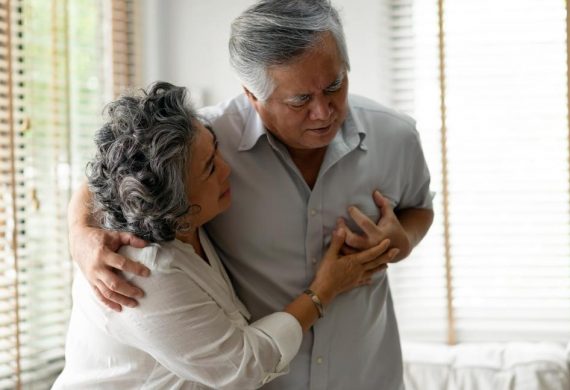
If you suspect that you or a loved one could be suffering a heart attack, call 995 for an ambulance immediately and do not self-drive to the hospital. Being able to quickly recognise these common signs and symptoms of a heart attack could help minimise the damage caused by a cardiac event.
Common heart attack symptoms
|
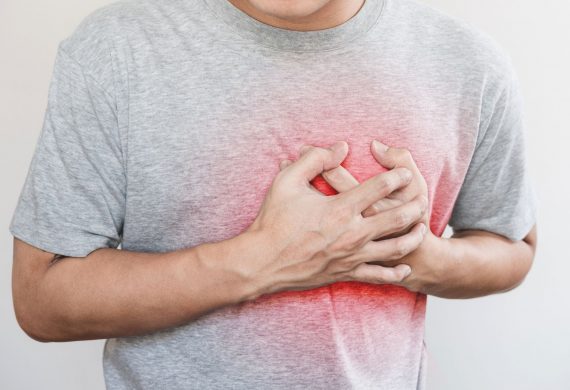
Chest pain Heaviness, fullness, pressure, squeezing, tightness on the centre of the chest, lasting longer than a few minutes, or comes and goes. |
Shortness of breath With or without pain |
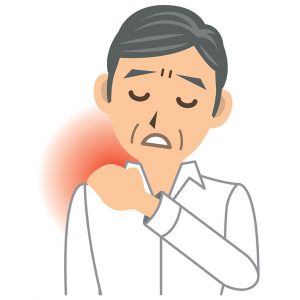
Pain in the arms, left shoulder, neck, jaw or back |
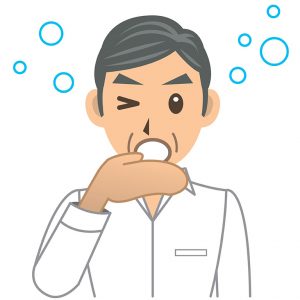
Cold sweat, nausea |

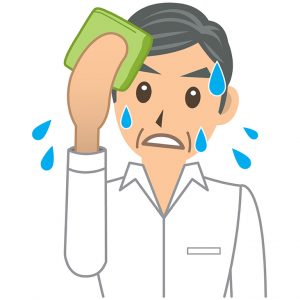
Common Heart Attack Symptoms in Women
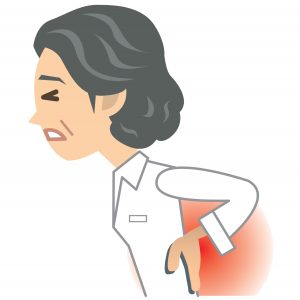
Unusual pain in arms, back, shoulder, neck, jaw |
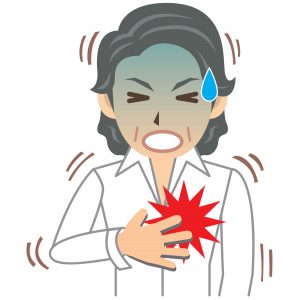
Chest pain |

Shortness of breath |
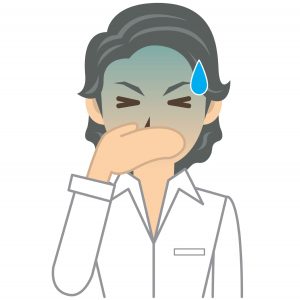
Nausea |
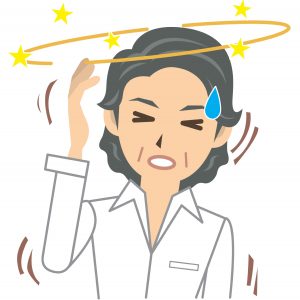
Light-headedness or sudden dizziness |
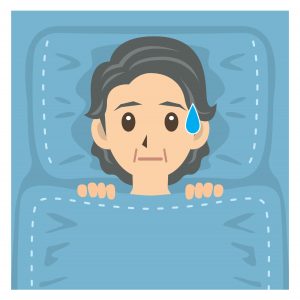
Breaking out in cold sweat |
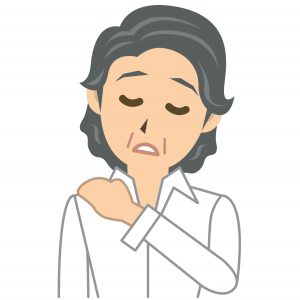
Unusual fatigue |
Protect your heart and enjoy the matches
As you cheer on your favourite team, don’t lapse into unhealthy habits that could contribute to a cardiac event. Take away these tips to protect your heart and enjoy the World Cup season to its fullest.
View this post on Instagram
Article is contributed by Asst Prof Yeo Tee Joo, Board Member of the Singapore Heart Foundation and Senior Consultant, Department of Cardiology at the National University Heart Centre, Singapore.