|
COVID-19: Is It Still Safe to Perform CPR?
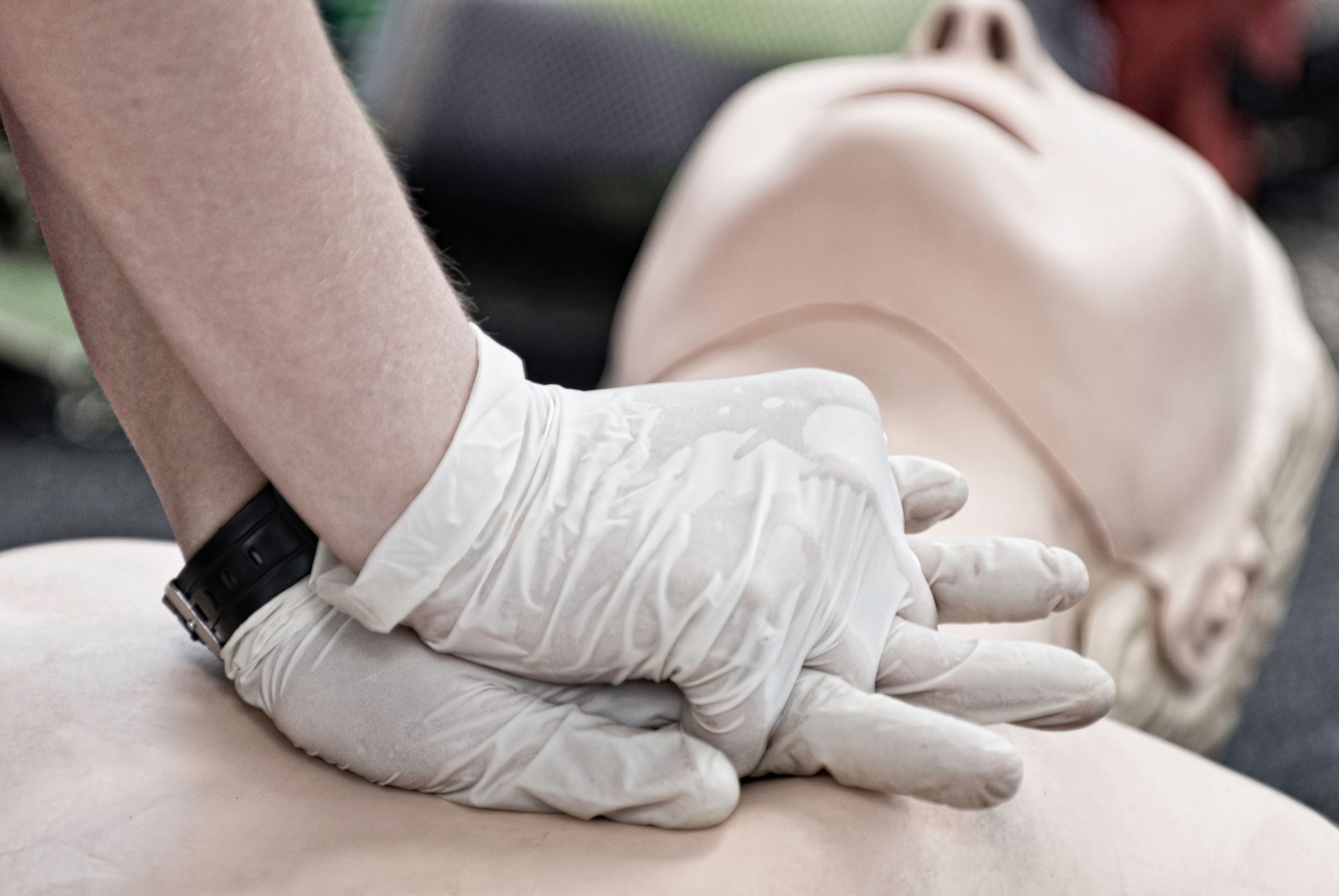
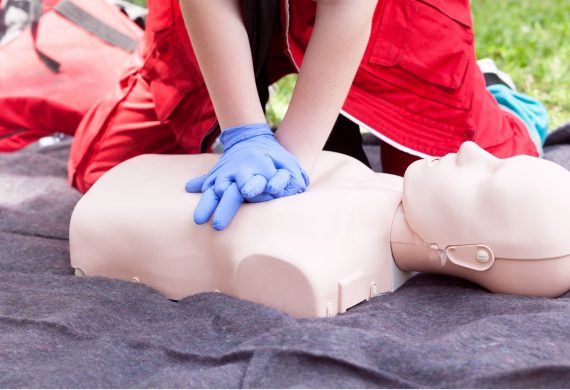
With COVID-19 being highly contagious, many may question the safety of performing cardiopulmonary resuscitation (CPR) on cardiac arrest victims. Based on a new analysis by the University of Washington, it was found that less than 10% of the out-of-hospital cardiac arrests (OHCAs) cases were also COVID-19 patients in the Seattle area.
From 26 February (the day the first American deaths were reported) to 15 April 2020, the emergency medical services (EMS) in the Washington state responded to a total of 537 OHCAs, of which 230 were treated by EMS. Furthermore, out of these cases, 6.5% of them were diagnosed with COVID-19 or COVID-like illness; and 3.7% of them died upon the arrival of EMS.
Michael R. Sayre, professor of emergency medicine from University of Washington, Seattle, and his colleagues estimated that if there is a 10% risk for transmission to bystanders performing hands-only CPR without personal protective equipment (PPE), treating 100 patients could result in one bystander infection (10% with COVID-19 x 10% transmission). And given the 1% mortality for COVID-19, approximately one rescuer might die in 10,000 bystander CPR events.
However, Sayre also explained that this “transmission risk of 10%” is purely “an assumption” based on a report in the Morbidity and Mortality Weekly Report, which stated that the risk of transmission was well below 10% for healthcare workers taking care of one COVID patient in an ICU setting where they were not wearing any PPE. “And, even among caregivers who were doing more work around the patient’s airway, there was a very low risk of transmission,” he said.
In addition, he noted that none of the cardiac arrests occurring in public in the Seattle area involved COVID-19 patients, compared with 5% occurring in homes and 11% in nursing homes.
“So we felt pretty confident that a 10% transmission risk (for bystanders performing CPR) was pretty conservative and that the transmission risk is probably substantially lower than that,” he concluded.
Commenting on the analysis, Torben K. Becker, chief of critical care medicine, and director of prehospital research at the University of Florida, Gainesville, said “I would say this study serves as sort of a reassurance that bystander CPR is still way more likely to create benefit rather than excess risk to the bystander, and with some very simple safety measures it might be possible to still safely perform bystander CPR, which we know is the number one thing in cardiac arrest outcomes.”
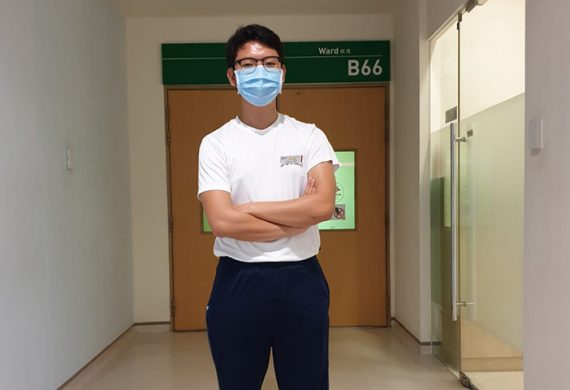
If people witnessing a cardiac arrest have concerns about COVID, they could significantly lower those concerns by putting a mask on before doing CPR, Becker said. “It’s really a process that only takes a few seconds.”
Part of the article was adapted from a Medscape article named “Seattle Study Hints at Low COVID-19 Risk from Bystander CPR”, dated Jun 10, 2020.
* In addition, the European Resuscitation Council also suggests for lay-rescuer to put a cloth/towel over the victim’s mouth and nose during resuscitation to further reduce spray of droplets during chest compression, and also to avoid placing face next to victim.
You have the power to save a life. Every minute counts when a casualty suffers from a sudden cardiac arrest. We hope you stay well and healthy by following the above guidelines. Together, we can be a nation of lifesavers.