|
Diabetes and Heart Disease: What’s the Connection?
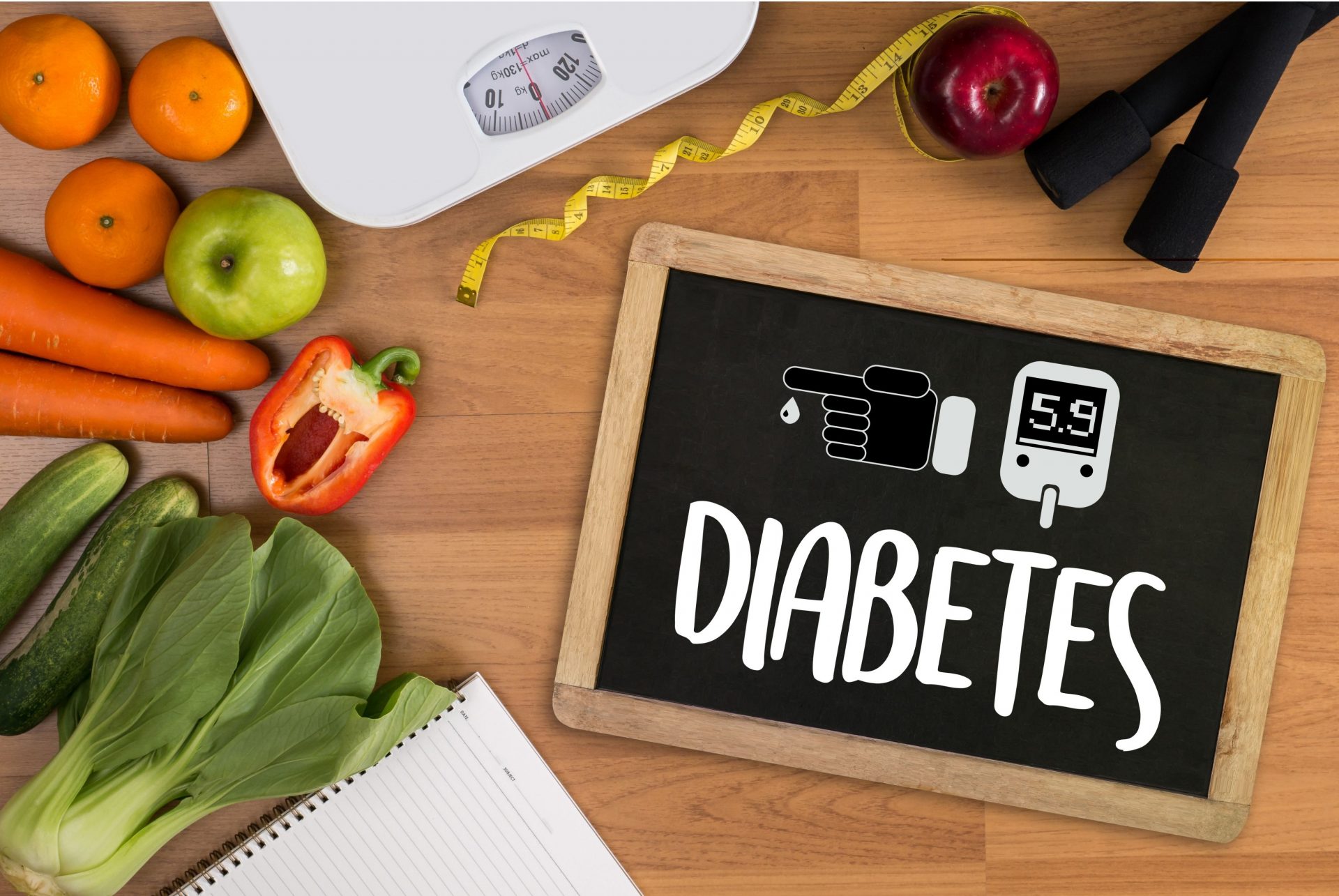
When we think of health issues related to diabetes, we tend to think of complications that we can see, like blindness or limb amputation. But there is also a silent and deadly complication that we need to be aware of – heart disease.
When our loved ones are living with diabetic heart disease, they may not display the typical symptoms, resulting in missing a diagnosis. And when there are some symptoms, it is not uncommon for them to be wrongly attributed to other causes. Many people discover that they have heart disease only when they experience severe chest pain (angina or heart attack). It is time to reset our thinking. A person with diabetes is more likely to have heart disease than a person without diabetes. This is because diabetes can cause blood vessels to narrow or clog up. A person with diabetes may also:
- Develop heart disease at a younger age
- Experience more severe heart disease
There are three types of heart disease that diabetic patients tend to develop:
-
Coronary heart disease
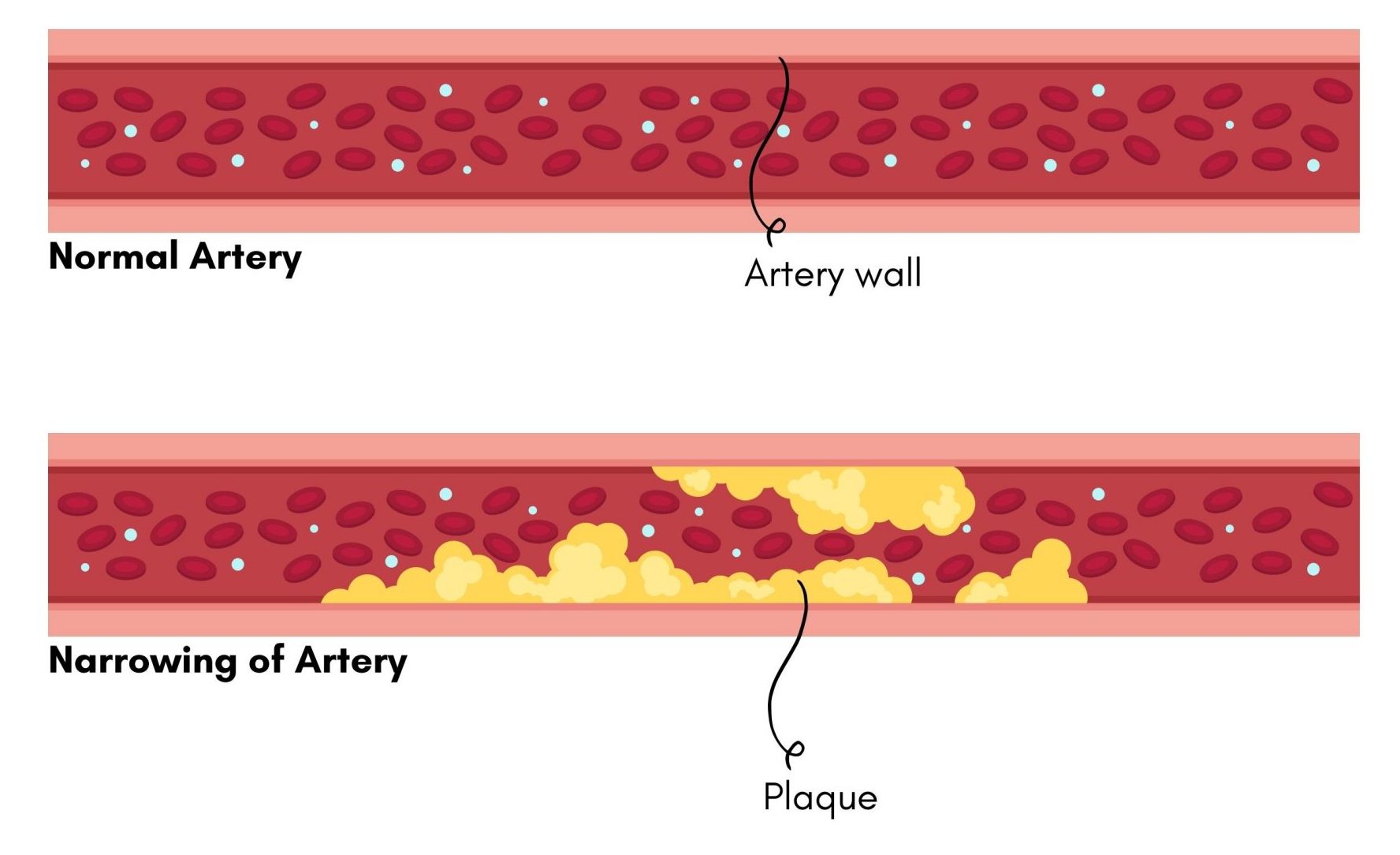
Build-up of plaque — comprising fat, cholesterol, calcium, and other substances in the blood — causes arteries to narrow leading to reduced blood flow to the heart. Coronary heart disease can lead to chest pain or discomfort (angina), irregular heartbeats (arrhythmias), a heart attack, or even death.
-
Heart failure
Over time, coronary heart disease can weaken the heart muscle, leading to heart failure. This means that your heart has difficulty pumping enough blood around the body, and you may suffer from shortness of breath, get tired easily, or have swollen legs, ankles and feet.

-
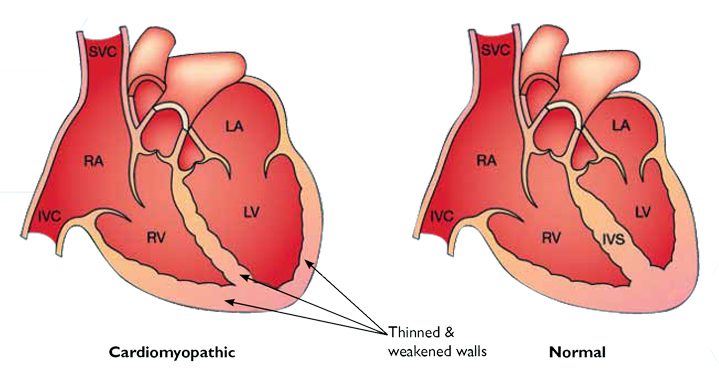
Diabetic cardiomyopathy
Diabetic cardiomyopathy damages the structure and function of the heart; it can lead to heart failure and arrhythmias. The good news is that there are ways to reduce your risk. If you are worried about your risk of heart disease, see your doctor to discuss your risks.
What are the two main types of diabetes?
Type 1 Diabetes
|
Type 2 Diabetes
|
Used with permission from Boehringer Ingelheim Singapore Pte. Ltd. Original article can be found in foryoursweetheart.sg.
Disclaimer: The information provided is for information purpose only and is not meant to be substituted for the advice given by a registered medical practitioner. This information should not be used for diagnosing health problems or for self-medication.