|
The Link between Diabetes and Hypertension

Hypertension and diabetes are among the most common cardiovascular risk factors worldwide, and their frequency increases with increasing age.
If you have both diabetes and high blood pressure, you are twice as likely to develop cardiovascular disease as compared to people without diabetes.
What is Hypertension?
Blood pressure is the pressure of blood pushing against the walls of your arteries when your heart pumps.
A normal blood pressure reading would be having systolic and diastolic pressures less than 130/85mmHg and it may vary from person to person. Even for the same individual, blood pressure may vary from time to time, for instance, when one gets angry versus when one is relaxed.
When a person’s blood pressure is consistently at 140/90mmHg or higher, he/she is said to have hypertension.
Hypertension is a condition in which there is persistent high blood pressure that may cause damage to the arteries of the heart, brain, kidneys and eyes. In fact, the entire circulatory system will be affected.
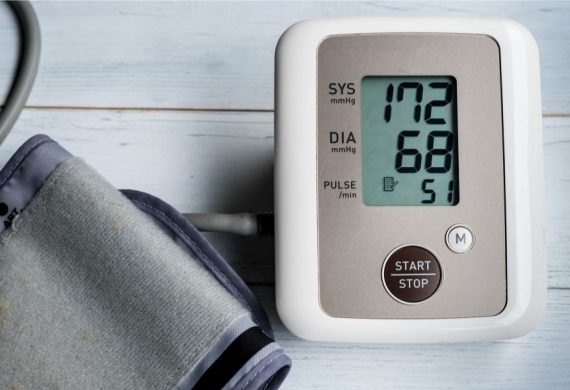
The only way to diagnose high blood pressure is to either have a health professional check your blood pressure or monitor it using a home blood pressure monitor.
In general, blood pressure is classified below:

What is Diabetes?
Diabetes is a long-term illness characterised by a high sugar (or glucose) level in the blood. Someone with diabetes is either producing too little insulin or is unable to respond well to the insulin produced.
There are two common types of diabetes:
Type 1 Diabetes
Insulin-dependent Diabetes Mellitus (IDDM) – a condition in which insulin production is absent. This type of diabetes usually starts during childhood and is also referred to as “juvenile diabetes”. It is managed through regular insulin injections throughout their life.
Type 2 Diabetes
Non-insulin-dependent Diabetes Mellitus (NIDDM) – a condition in which the body still produces insulin but in insufficient amounts. The patient is usually treated with oral medications, either with or without insulin injections, diet modifications and physical activity.
The Link
According to a study in 20211, diabetes and hypertension often occur together and may share common causes, including a sedentary lifestyle, obesity, inflammation, oxidative stress and insulin resistance.
Elevated blood sugar stresses the blood vessels, causing them to narrow and accumulate plaque. Plaque build-up narrows the vessels and forces the heart to work harder to pump blood, developing high blood pressure and atherosclerosis – a condition that increases the risk of heart attack, stroke, and peripheral arterial disease2.
Risk Factors
According to the American Diabetes Association, the combination of hypertension and type 2 diabetes is particularly lethal and can significantly raise your risk of having a heart attack or stroke. Having type 2 diabetes and hypertension also increases your chances of developing other diabetes-related diseases, such as kidney disease and retinopathy (disease of the eye retina).
According to the American Heart Association, blood vessels in the brain are particularly susceptible to damage due to high blood pressure. This makes it a major risk factor for stroke and dementia. There is also significant evidence to show that chronic high blood pressure can speed up the arrival of problems such as Alzheimer’s disease and dementia3.
Prevention
There are many lifestyle changes to help control blood pressure and blood sugar levels.
Adopt a healthy diet
For people with hypertension, you may consider the DASH (Dietary Approaches to Stop Hypertension) diet, a diet plan specifically designed to lower blood pressure. The DASH diet focuses on fruit, vegetables, whole-grains and lean meats. It also encourages reduced intake of red meat, salt, added sugars and fat4.
For people with diabetes, following the Mediterranean diet can help reduce blood sugar. Rich in flavourful ingredients like olive oil, seafood, dairy products such as cheese and yogurt, fruit, vegetables, whole-grains, legumes, nuts and seeds, the Mediterranean diet is equally delicious and nutritious. The diet also restricts the consumption of processed foods, added sugar and refined grains5, 6.
Maintain a healthy weight
Modest weight loss has been shown to improve blood sugar levels significantly, improve insulin sensitivity, reduce inflammation and improve vascular health. Weight loss can also help lower blood pressure by reducing the stress placed on the heart.
Studies have shown that losing about 10% of your body weight can improve blood sugar and reduce the need for medication. In some cases, weight loss can put diabetes into remission.
Exercise regularly
Aim for 150 – 300 minutes of moderate-intensity aerobic physical activity each week. Incorporate muscle and bone strengthening activities (e.g., weight training, pilates, body weight calisthenics) at least 2 times per week.
Exercise can help to manage blood sugar levels and high blood pressure by strengthening the heart and maintaining a healthy weight.
Quit smoking
Smoking can cause blood vessels to constrict, resulting in a temporary increase in blood pressure. It can also cause a higher risk of serious complications in patients with type 2 diabetes, including retinopathy, poor blood flow and peripheral neuropathy7.
Reduce alcohol intake
Alcohol is high in calories and sugar. If you drink, do so in moderation. Have no more than one standard drink a day for women and two drinks a day for men.
A standard drink refers to:
- ⅔ can (220ml) of beer
- One small glass (100ml) of wine
- One glass (30ml) of spirit

Treatments
While some people can improve their type 2 diabetes and hypertension with lifestyle changes, most require medication. Examples of blood pressure medications used to control hypertension are:
- ACE inhibitors
- Angiotensin receptor blockers (ARBs)
- Calcium-channel blockers
- Diuretics
- Alpha-blockers (Doxazocin)
- Beta-blockers
People with type 1 diabetes need to take insulin in the form of subcutaneous infusions or injections daily to manage the condition, while people with type 2 diabetes may need to take oral diabetes medications and/or non-insulin injectables or insulin to help manage their blood sugar2.
Conclusion
According to the National Population Health Survey 2021, the prevalence of self-reported diabetes and hypertension increased with age, from 0.9% and 2.0% respectively in young adults aged 30 to 39 years to 21.7% and 52.7% among those aged 70 to 74 years.
However, only 6.9% and 15.7% Singapore residents aged 18 to 74 years reported that they have diabetes or hypertension and were currently prescribed medication.
Prevention is the first step to lower your risk for heart disease. So, start to control these silent killers by having your blood pressure checked regularly, adopting a healthy diet and exercising regularly. If needed, take your medications as prescribed by your doctor.
References
- Naha, S., Gardner, M. J., & Khangura, D., et al. (2021, August 7). Hypertension in Diabetes. National Library of Medicine. Retrieved February 15, 2023, from https://www.ncbi.nlm.nih.gov/books/NBK279027/
- Cervoni , B. (2022, April 11). Can Diabetes Cause High Blood Pressure? Very Well Health. Retrieved February 15, 2023, from https://www.verywellhealth.com/diabetes-cause-hypertension-5184896
- Marcin, J., & Jovinally, J. (2020, January 16). Type 2 Diabetes and High Blood Pressure: What’s the Connection? Healthline. Retrieved February 15, 2023, from https://www.healthline.com/health/type-2-diabetes/hypertension
- West, H. (2018, October 17). The Complete Beginner’s Guide to the DASH Diet. Healthline. Retrieved February 15, 2023, from https://www.healthline.com/nutrition/dash-diet
- Chin, K., Gunnars, K., & Link, R. (2021, October 25). Mediterranean Diet 101: A Meal Plan and Beginner’s Guide. Healthline. Retrieved February 15, 2023, from https://www.healthline.com/nutrition/mediterranean-diet-meal-plan
- Mayo Clinic Staff (n.d.). Mediterranean diet for heart health. Mayo Clinic. Retrieved February 15, 2023, from https://www.mayoclinic.org/healthy-lifestyle/nutrition-and-healthy-eating/in-depth/mediterranean-diet/art-20047801
- Bell, A. M., Barhum, L., & Sissons, B. (2022, March 31). The link between diabetes and hypertension. MedicalNewsToday. Retrieved February 15, 2023, from https://www.medicalnewstoday.com/articles/317220