|
Fight Pollution with Antioxidant Power!

By NATALIE YEO
Air pollution is all around us. We may not see it, hear it or smell it, but its effect on our body is significant.
Air pollution is related to long-term and short-term mortality and cardiovascular events due to its ability to cause oxidative stress and inflammation on the cardiovascular system. It ranks first in environmental risk factors for mortality and is the fifth greatest risk factor for all-cause mortality1,3. The elderly and those with pre-existing medical conditions are especially susceptible as air pollutants increase the risk of heart attack and stroke1,2.
With an omnipresent toxin, how can we protect our hearts and bodies?
Our bodies have protective antioxidant mechanisms to negate free radicals and protect against oxidative damage4,5. A diet rich in antioxidants can also lessen the adverse health effects of exposure to air pollution6.
Some of the best-known dietary sources of antioxidants are vitamin C, vitamin E and carotenoids such as beta-carotene and lycopene. These are readily found in colourful fruit and vegetables of purple, blue, red, orange and yellow shades6,7.
Vitamin C
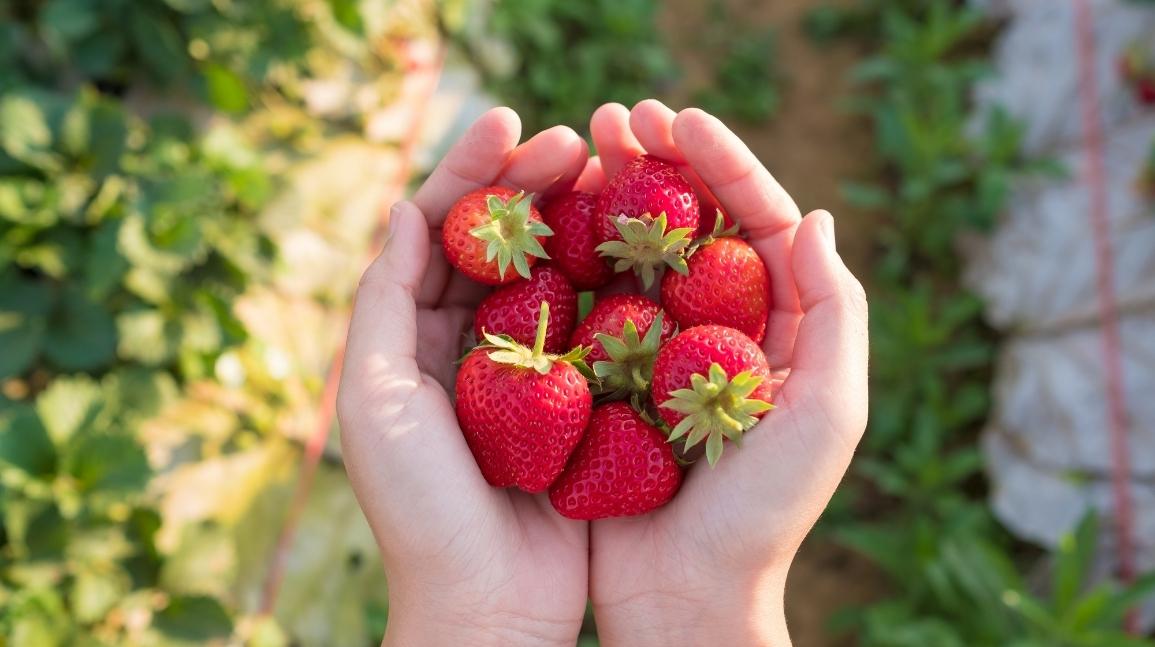
Vitamin C protects the extracellular lining of the lungs exposed to oxidative stress and substances due to air pollutants3. There are easy ways to incorporate vitamin C rich foods into your diet. Fruit such as orange, kiwi, lemon, papaya, strawberries, pineapple and vegetables such as broccoli, cauliflower, capsicums and brussel sprouts are high in this vitamin7,8.
To meet your daily vitamin C requirements, all you need is:
- a cup of strawberries or pineapples
- a cup of broccoli, raw capsicums or brussel sprouts
- a kiwi and ½ cup of cabbage/cauliflower
Carotenoids
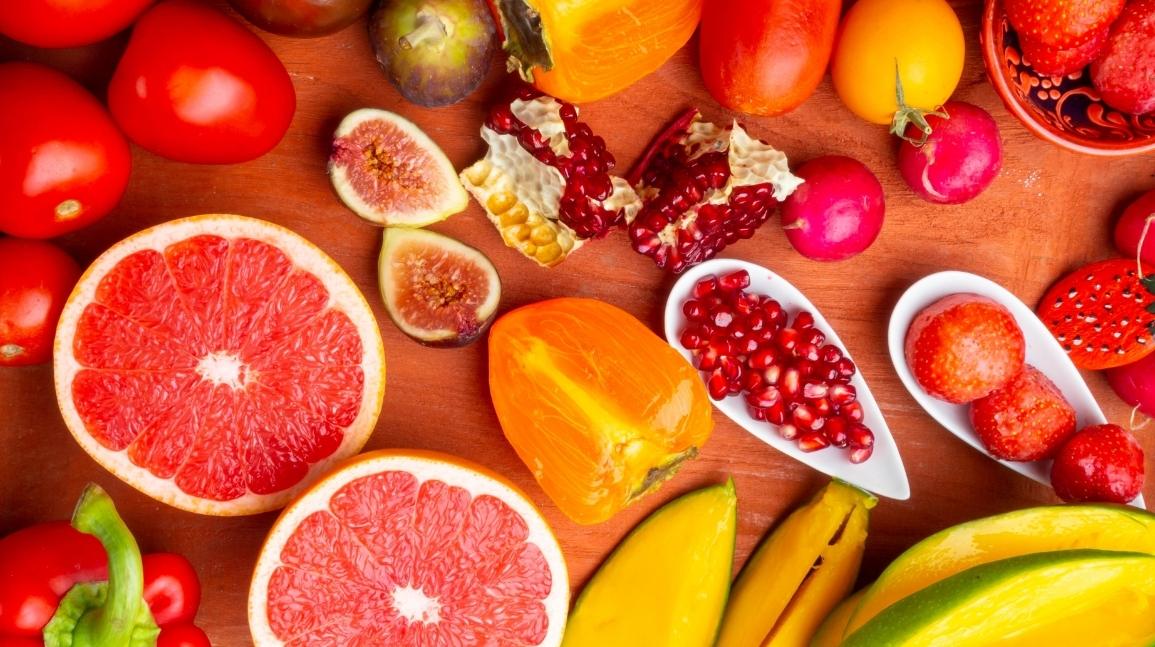
Carotenoids, such as beta-carotene, have antioxidant properties that assist with inflammation control and boost immune responses, preventing oxidative stress in the body brought on by air pollutants. Lycopene, another antioxidant in carotenoids, further safeguards cells and our bodies against oxidative stress3,6.
Red, orange and yellow fruit and vegetables are high in beta-carotene. These include sweet potatoes, pumpkin, carrots, red and yellow bell peppers and dark green leafy vegetables.
Foods high in lycopene include tomato, watermelon, papaya and red capsicums, which are readily available at supermarkets and eateries.
Vitamin E
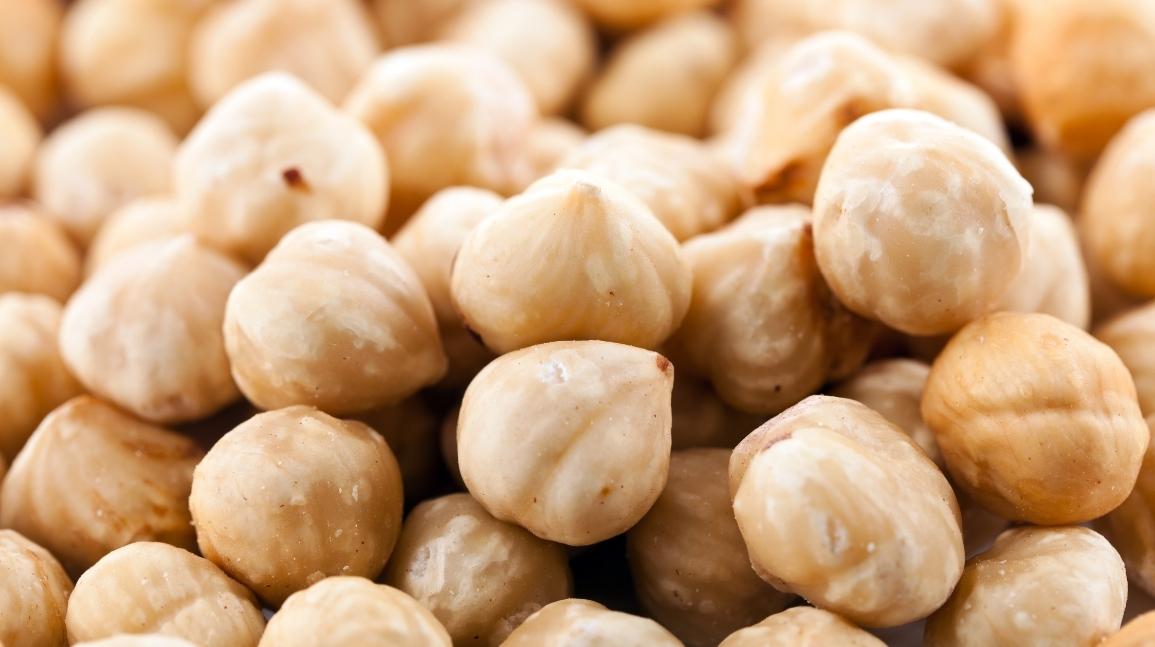
Vitamin E is a fat-soluble antioxidant that stops the production of reactive oxygen species (ROS) when fat undergoes oxidation, protecting cells from the damaging effects of free radicals,6. Vitamin E food sources include nuts, seeds, vegetable oils, and green leafy vegetables. Nuts such as almonds and hazelnuts are not only rich in Vitamin E; a handful of baked and unsalted nuts (one ounce or 28g) a day may help to reduce heart diseases too.
Consuming a rainbow of fruit and vegetables not only counteract the free radicals in our bodies and protect against oxidative damage, they also reduce the risk of cardiovascular disease mortality and stroke. Make a conscious choice today to incorporate more of these vitamins into your diet!
References
1. Miller, M. R. (2020). Oxidative stress and the cardiovascular effects of air pollution. Free Radical Biology and Medicine.
2. Romieu, I., Castro-Giner, F., Kunzli, N., & Sunyer, J. (2008). Air pollution, oxidative stress and dietary supplementation: a review. European Respiratory Journal, 31(1), 179-197.
3. Andre, C. M., Larondelle, Y., & Evers, D. (2010). Dietary antioxidants and oxidative stress from a human and plant perspective: a review. Current Nutrition & Food Science, 6(1), 2-12.
4. Kelly, F. (2004). Dietary antioxidants and environmental stress. Proceedings of the Nutrition Society, 63(4), 579-585. doi:10.1079/PNS2004388
5. Barthelemy, J., Sanchez, K., Miller, M. R., & Khreis, H. (2020). New opportunities to mitigate the burden of disease caused by traffic related air pollution: antioxidant-rich diets and supplements. International journal of environmental research and public health, 17(2), 630.
6. Health Promotion Board, (2020). Essential Superfoods of a Healthier Diet. https://www.healthhub.sg/live-healthy/1054/essential-superfoods-of-a-healthy-diet
7. National Heart Foundation of Australia, (2010). Antioxidants in food, drinks and supplements for cardiovascular health. https://dietitiansaustralia.org.au/wp-content/uploads/2016/11/Heart_Foundation_antioxidants_positionstatement.pdf
8. SingHealth, (2016). Vitamin C: Best Food Sources, Why You Need It, and More. https://www.healthxchange.sg/food-nutrition/food-tips/vitamin-c-best-food-sources-need#:~:text=Citrus%20fruits%20such%20as%20orange,include%20papaya%2C%20cantaloupe%20and%20strawberries.