|
What To Do When Someone Has A Heart Attack

A heart attack occurs when blood flow to the heart is obstructed due to a blocked artery caused by atherosclerosis. Part of the heart muscle dies in the process due to a lack of oxygen in the blood supply, causing chest pain.
It is different from cardiac arrest, which occurs when the heart malfunctions and stops beating unexpectedly.
Get familiar with the symptoms of a heart attack, and read on to learn how you can render emergency medical help when someone has a heart attack.
Recognise Symptoms
Heart attacks do not always present as dramatic chest pain, but it is the topmost common symptoms experienced by patients, according to the Singapore Myocardial Infarction Registry.
Common Heart Attack Symptoms

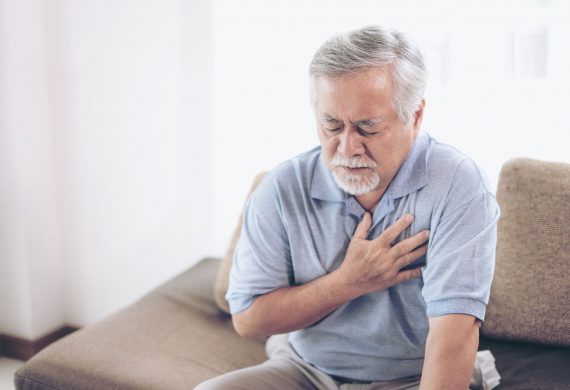
Chest pain or chest discomfort Heaviness, fullness, pressure, squeezing, tightness on the centre of the chest, lasting longer than a few minutes, or comes and goes. |
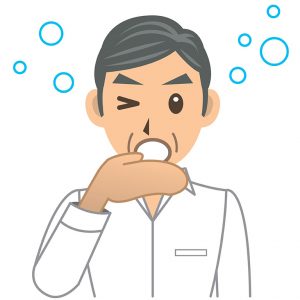
Shortness of breath With or without pain |
Pain in the arms, left shoulder, neck, jaw or back |
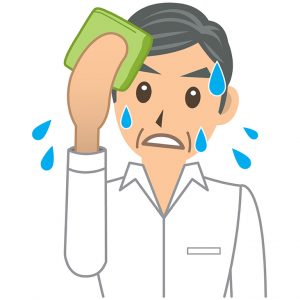
Cold sweat, nausea |
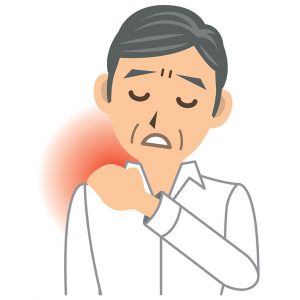
Women who are having a heart attack may experience other symptoms.
Common Heart Attack Symptoms in Women
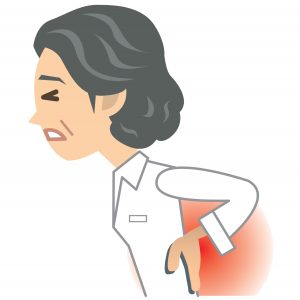
Unusual pain in arms, back, shoulder, neck, jaw |
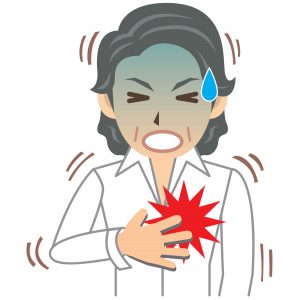
Chest pain |
Shortness of breath |
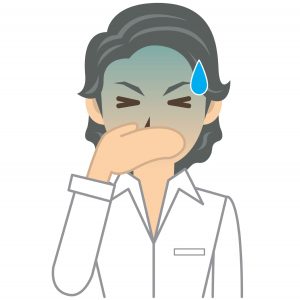
Nausea |
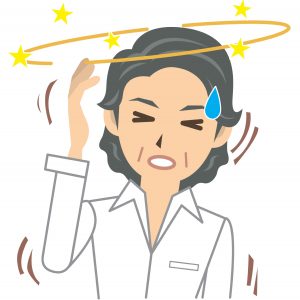
Light-headedness or sudden dizziness |
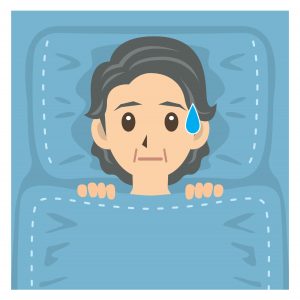
Breaking out in cold sweat |
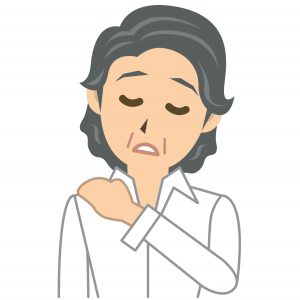
Unusual fatigue |
Women may sometimes discount these clues as they don’t “feel” like a heart attack. It is important that these warning signs are not ignored and that a doctor is consulted immediately.
Emergency Procedures
To perform cardiopulmonary resuscitation (CPR) or not?
A common misconception is that a person having a heart attack requires CPR and an automated external defibrillator (AED). However, CPR and AED should only be used on cardiac arrest victims.
Heart attacks are not to be confused with cardiac arrest. To determine if the person is having a cardiac arrest, look to the person’s chest for signs of breathing. If breathing is absent, perform CPR+AED immediately. Do not perform chest compressions on a heart attack patient.
What You Should Do
- Call 995 or your local emergency number immediately if you spot the above warning signs
- Individuals with a known history of heart disease and who have been advised by the phone operator to take their aspirin tablet can follow their recommendation. Always call for emergency medical services as the first measure. Do not self-medicate with aspirin to relieve a heart attack.
- Do not self-drive to the hospital
Conclusion
Fast action saves lives. Recognise the warning signs of a heart attack and do not hesitate to call 995 for emergency medical help.
Do not wait for a heart attack to keep your heart health in check. Discover if you are at risk of cardiovascular disease and make lifestyle changes that matter to enjoy a longer, healthier road ahead.