|
Is MSG the King of Flavour?
BY Natalie Yeo
Once upon a time, monosodium glutamate (MSG) was believed to cause various health issues, including chest tightness, sweating, nausea, and headaches. Restaurants worldwide would advertise “No added MSG” to attract customers, claiming their food was naturally delicious and free from chemical enhancement. In reality, there is no scientific evidence that MSG causes adverse reaction, commonly referred to as “Chinese Restaurant Syndrome”.
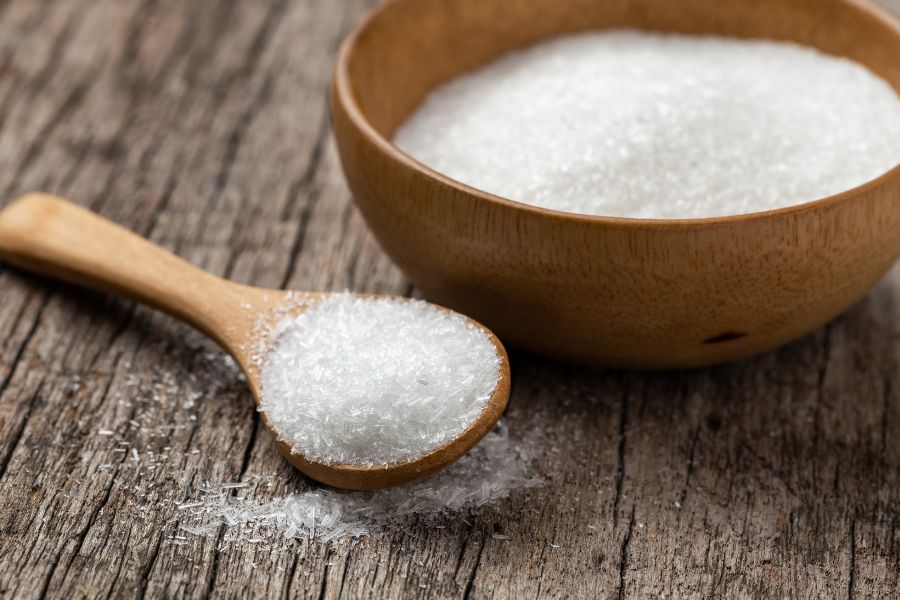
MSG is the sodium salt of an amino acid, glutamic acid. Glutamate is a naturally occurring amino acid that is found in a variety of foods, such as meat, fish, cheese, tomatoes, and mushrooms. The glutamate in MSG enhances savoury flavours; it is the reason for the richness and palatability of food. MSG provides the umami flavour.
In the late 1960s, claims of adverse reactions to MSG such as headaches, sweating and hair loss, and more, surfaced and MSG gained a bad reputation. However, research on MSG reveals these cases are rare, and there is a low possibility of adverse reactions; the symptoms are usually mild and short-lived. There has not been consistent scientific research to validate this syndrome. Regulatory agencies have conducted comprehensive safety evaluations on MSG, which has been considered safe for use in food.
Is MSG a Viable Salt Replacement?
MSG contains less than a third of the sodium in table salt, making it lower in sodium than regular salt. While MSG enhances the umami, the savoury taste in foods, it can complement together as a partial replacement for salt but is not encouraged to be used as a direct replacement. Currently, 9 in 10 Singapore residents exceed the recommended sodium limit, with the majority of our sodium intake coming from salt, sauces and seasonings added to cooking and food preparation.
You are urged to be mindful of sodium sources from salt and MSG added during cooking and preparation; all these can contribute to exceeding the recommended sodium limit of consuming no more than 2g of sodium (equivalent to 5g or slightly lesser than a teaspoon of salt) per day.

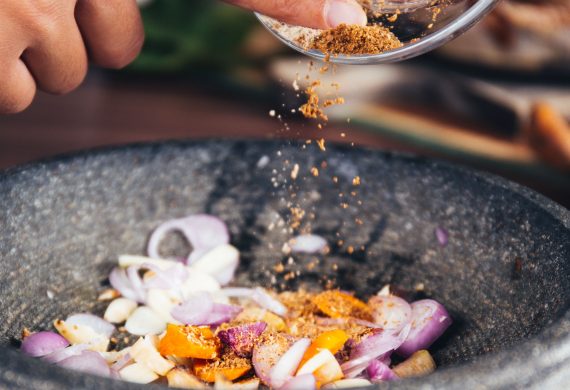
You should reduce your overall sodium intake while cooking by using a combination of aromatics, herbs, and spices to enhance flavours, rather than relying solely on salt or MSG. By gradually reducing sodium intake in our diet, we can slowly adjust to less salty flavours and get accustomed to a lower sodium diet.
There are several types of lower sodium alternatives on the market. These edible salt products replace a proportion of sodium with other minerals such as potassium, magnesium or glutamate enhancers. Gradually reducing sodium intake and consuming lower sodium salt alternatives can help you appreciate taste and flavour. Salt substitutes such as MSG can be used to complement salt intake and enhance savoury umami flavours. To enhance umami flavours, you can also experiment with fresh ingredients such as tomatoes, mushrooms, soybeans, which are in glutamates. You can also use aromatics such as fresh herbs and spices to flavour your meals and reduce reliance on salt substitutes.
By gradually reducing reliance on salt and strategically using lower sodium alternatives, you can develop a taste for food that is both flavourful and health conscious.