|
Long COVID - A cardiologist’s perspective

COVID-19 has had an unprecedented effect since 2019 when it was first started, causing widespread infections, death tolls of more than millions, economic recession and social tension.
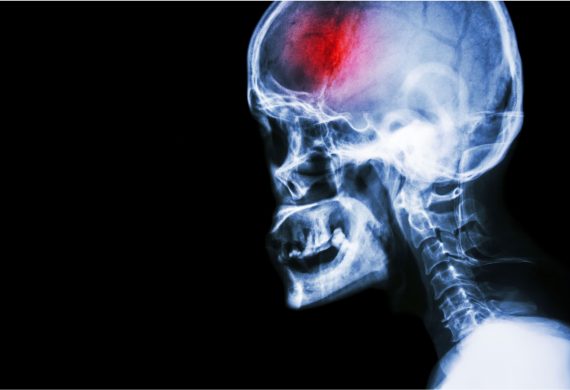
COVID-19 does not only damage the respiratory system and cause serious pneumonia, but also has some negative effects on the cardiovascular system.
Firstly, patients with cardiovascular disease are three times more likely to be infected with COVID-19 than the average person.
Secondly, the likelihood of this group developing complications and death are significantly higher. 20% – 40% of patients with chronic heart failure are at risk of worsening conditions or death, even after more than 30 days.
Since its beginning, many health experts have noticed that there could be long-lasting effects due to COVID-19 infection, hence coining the term “long COVID”. In fact, this term was proposed by a COVID-19 patient to show how the effects did not stop just because the virus has been eradicated. Many patients still experience breathing difficulties, fatigue, headaches, brain fog, nausea, vomiting, anxiety, depression, rashes, joint pain, heart palpitations, etc. in their post-COVID infection.
The National Institute for Health and Care Excellence (NICE) and Centers for Disease Control and Prevention (CDC) defined “long COVID” as “signs, symptoms, and conditions that continue or develop after initial COVID-19 or SARS-CoV-2 infection, which are present four weeks or more after the initial phase of infection .”
Cardiopulmonary symptoms in COVID-19 infections
Although reports around the world about infection rates are vastly different from 10% to 75%, the reason for this could be due to the differences in methodologies in contact tracing, diagnosis standards, observation periods, and vaccination take-up rates. However, the various reports are generally in consensus with regard to the identification of at-risk demographics, which includes females, senior citizens, obese, the asthmatic, and those who are physically or mentally unwell.
Research in the UK has shown that those who are obese are 25% more likely to suffer from long COVID than the average person, and they also have a higher rate of reinfection.
Amongst all symptoms experienced by long COVID patients, cardiopulmonary symptoms are the most common (90%), followed by heart palpitations (60%), chest pains (50%), shortness of breath (25%) and giddiness (15%). A year-long research in Wuhan, China, carried out on long COVID patients, discovered that by the end of the research, most of the long COVID symptoms were gone, with only 30% experiencing shortness of breath, 7% experiencing chest pains, and 20% experiencing fatigue.
Hence, there is sufficient reason to believe that just like a flu influenza, being infected with COVID-19 can increase the risk of myocardial infarction (e.g., heart attack), stroke, and death, even after 30 days. There are also different causes for the acute and chronic effects of COVID-19 on the cardiovascular system. Acute effects include damage to the heart muscles, heart failure, arrhythmia, myocardial ischaemia, myocardial infarction, pulmonary embolism, etc. These are caused by the infiltration of the cardiomyocytes and vascular endothelial cells by the COVID-19 virus, inducing an immunoreaction and cytokine storm.
Long COVID is a chronic condition, although the cause of which is yet unknown, the hypothesis is that the heart remains in a state of inflammation post-infection. As obesity is a factor for myocarditis and vascular endothelial dysfunction, it is not hard to understand why the obese are more likely to suffer from long COVID.
Even though COVID-induced myocarditis is not common (less than 3%), long COVID patients have to rule out myocarditis and heart failure through electrocardiogram (ECG), cardiac ultrasound, and CMR (cardiovascular magnetic resonance).
The ability to perform high intensity physical activities is of utmost importance for athletes and military personnel. For those who are in good physical condition and without underlying medical conditions, resumption of such activities should not be a problem one to two weeks after infection.
As for long COVID patients whose endurance have deteriorated, they can evaluate their cardiopulmonary function through cardiopulmonary exercise tests. A heart check-up is also necessary for those with underlying medical conditions, such as people undergoing endotracheal intubation, those in the intensive care unit (ICU), people on steroids, the malnourished and those with muscular atrophy.
Currently, the treatment for long COVID is still unclear. The most common approach is still symptomatic treatment through the use of medication, rehabilitation, and psychotherapy. The good news is that many long COVID patients fully recover from it over a period of months to up to two years post-infection.
Vaccination and long COVID in Singapore
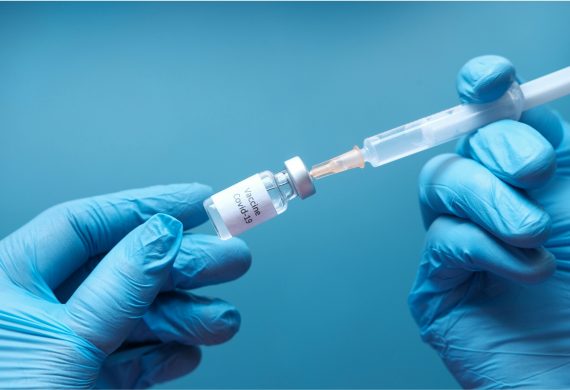
Without a doubt, vaccination has prevented severe symptoms and reduced the chances of long COVID. As such, long COVID has been uncommon in Singapore, with 96% of Singaporeans being vaccinated. It is yet unknown if newer vaccines, while able to prevent acute pneumonia, is also able to prevent or treat long COVID. More clinical trials and observations are still needed.
The adage that prevention is better than cure holds true even for long COVID, and the best way to protect yourself is by getting vaccinated and receiving booster jabs.
Article is written by Prof Tan Huay Cheem, Chairman of the Singapore Heart Foundation, and Senior Consultant for the Department of Cardiology at the National University Heart Centre, Singapore.