|
Measuring Your Blood Pressure at Home

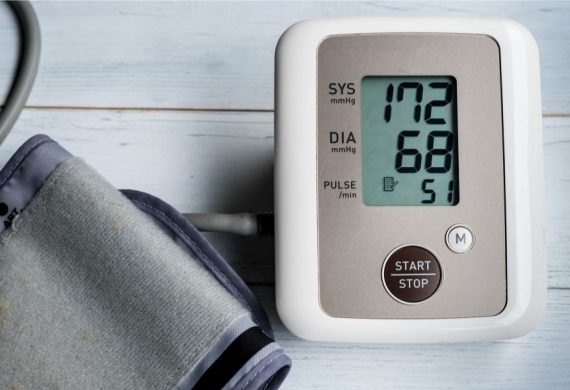
With a sharp increase in the number of hypertensive individuals in Singapore, from 24.2% in 2017 to 35.5% in 2020, don’t limit blood pressure checks to the doctor’s office or pharmacist.
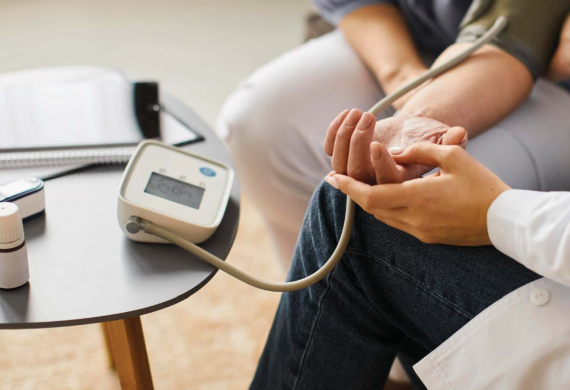
Home blood pressure monitoring is a convenient and cost efficient way for you to keep tabs on changes in your blood pressure, especially if you have been diagnosed with high blood pressure, heart disease, cerebrovascular disease, diabetes or kidney disease.
Why do you need to Monitor your Blood Pressure?
High blood pressure or hypertension is a main risk factor of cardiovascular disease. It is also known as a silent killer as it often goes undetected until a serious health complication such as a heart attack or stroke happens. Regular blood pressure monitoring is the only way to detect high blood pressure.
Home monitoring is useful for individuals on blood pressure medications too as keeping a record of blood pressure readings provides a clear overview of changes in blood pressure over time and could also signal whether treatment for high blood pressure is working.
When To Take your Blood Pressure
Singapore Heart Foundation advocates for individuals to start checking their blood pressure from 18 years old. Those above 40 years old should have their blood pressure measured regularly.
Best times to take blood pressure readings
The optimum time to accurately measure blood pressure is in the mornings, 10 to 15 minutes from when you wake up. Blood pressure has a 24-hour circadian pattern. In the morning, the blood pressure is slightly higher than in the evening. When you sleep, blood pressure drops by 10-15%. It rises again in one to two hours before you wake up.
How often should you have blood pressure checked?

If you have normal blood pressure, a reading lower than 130/85* mmHg, the first time you measure, you can measure your blood pressure once every two years.
If your blood pressure reading is borderline high, between 130-139/85-89* mmHg, you should measure it at least once a year.
If you have a high blood pressure reading of more than 140/90* mmHg, and which remains high when measured on two or more occasions, you should measure your blood pressure more frequently at least once a week.
*The first number represents the systolic blood pressure, i.e. the pressure exerted on the artery walls when the heart beats. The second number represents the diastolic blood pressure, i.e. the pressure exerted against artery walls when the heart relaxes.
Blood Pressure Chart
Get to know what your blood pressure numbers mean. Compare your readings to this chart to check if your blood pressure is normal, borderline or high:

Before taking your Blood Pressure
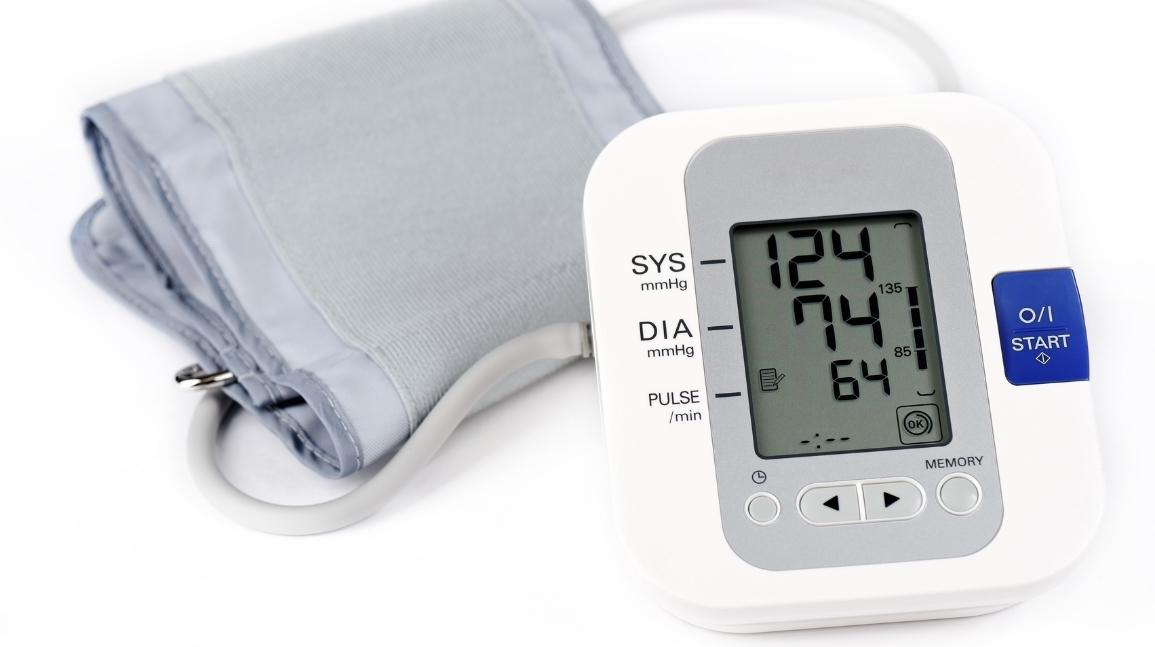
Choose a suitable home blood pressure monitor that is suitable and easy to operate by yourself. It is easiest to use a digital home blood pressure monitor that ideally comes with a blood pressure cuff for measurement at the upper arm. Ensure that the blood pressure cuff is of a fitting size for more reliable readings.
Factors That Affect Blood Pressure Reading
Blood pressure can be affected by your physical and emotional state. To obtain an accurate reading, refrain from:
- Crossing your legs during measurement
- Taking your pressure if you’re in a hurry
- Smoking or drinking caffeine 30 minutes before
- Eating a heavy meal for 2 hours before
- Wearing tight clothing
- Talking during a measurement
- Measuring your pressure if you’re cold, nervous, uncomfortable or at pain
How To Take Your Blood Pressure Correctly
Self measured blood pressure can be as accurate as blood pressure measurements taken at the doctor’s office if you follow these steps:
- Go to the bathroom before taking your readings.
- Sit comfortably, with your legs uncrossed, feet flat on floor, back supported and arm rested at heart level.
- It is preferred for to have the cuff wrapped around the bare skin of your upper arm for more accurate measurements.
Steps to measure blood pressure
Take two or three readings at least two minutes apart. The lower reading is usually more indicative of what your blood pressure is.
What to do if your blood pressure numbers are high
If your blood pressure readings are consistently high, share your blood pressure records with your doctor or medical professional.
Whether you have been diagnosed with hypertension or have borderline high blood pressure, there are ways you can lower your risk of heart disease by making lifestyle changes that matter:
- Exercise regularly. A physically active person is approximately 30 – 50% less likely to be hypertensive and 1.5 times less likely to develop heart disease.
- If you are overweight, reducing your weight by 5kg will help in reducing high blood pressure and reduce risk illnesses that stem from weight.
- Have a healthy, balanced diet. Use the SHF Heart Smart Eating Plate as a guide for portion control and to a good mix of whole-grains, protein and fruit and vegetables.
- Quit smoking.
- Reduce your sodium intake. Prolonged overconsumption of sodium can elevate blood pressure numbers. Yet, nine in ten Singaporeans consume close to double the recommended daily sodium intake. Stick to the recommended daily sodium intake of 5g of salt per day for your heart.
- Take your medicine. Individuals on a treatment plan that include medicine for blood pressure control should continue with their prescription unless otherwise advised by their doctor.
- Excessive alcohol intake has been linked to hypertension, among many other health issues. Avoid excessive alcohol intake or exercise moderation when drinking. Have no more than one standard drink a day for women and two drinks a day for men.
High blood pressure medicine and lifestyle changes can decrease blood pressure readings by 10 to 15mmHg, reducing your risk of developing hypertension-related diseases.
Conclusion
Whether you have been diagnosed with hypertension, are a healthy individual or managing a heart condition, regular blood pressure monitoring is beneficial in preventing the occurrence of hypertension and escalated heart events.
Take the pressure of your heart! Find out what are the other risk factors of CVD and pick up some lifestyle habits that will do you and your loved ones good.