|
Melodies For A Stronger Heart: The Power of Music Therapy
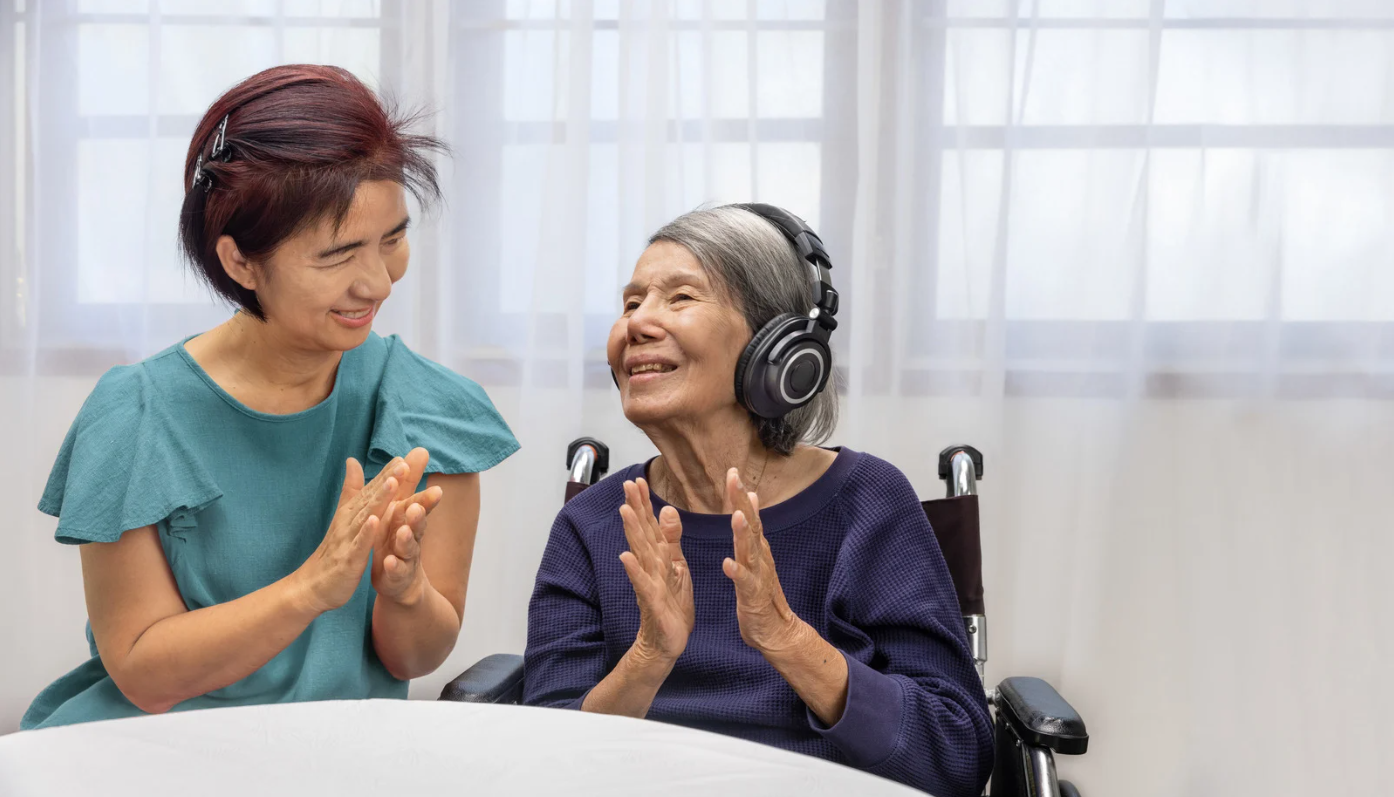
Music serves not only as a source of enjoyment but also as a therapeutic modality that promotes comfort and healing. From clinical settings to the home, music is influencing modern approaches to recovery, benefiting both psychological and cardiovascular health. Originally seen as a form of relaxation, music therapy has evolved into a professional healthcare practice. It supports cardiac wellness and complements conventional medical interventions throughout the patient care journey.
What Is Music Therapy?
Music therapy is an evidence-based allied health profession led by credentialed music therapists. Through therapeutic music interventions such as listening, singing, playing music instruments or guided relaxation, sessions support individualised goals in the areas of emotional, physical and social aspects of recovery.
Unlike casual listening, music therapy is intentional and personalised. A therapist chooses music and techniques based on each patient’s condition and goals.
In heart care, music therapy complements medical treatment by reducing anxiety, stabilising heart rate and restoring emotional balance. Music affects the body’s autonomic nervous system, which regulates our heartbeat and blood pressure. Slow, steady rhythms calm the nervous system, lower stress and promote better breathing and oxygen flow. Simply put, music helps the heart rest, recover and heal.
What the Research Shows
Over the past two decades, studies have consistently confirmed that music therapy benefits heart health. A 2023 review in Heart & Lung found that patients who listened to calming music before or after cardiac procedures had lower blood pressure, reduced anxiety and slower heart rates than those who received only standard care. Another review by The Cochrane Library showed that music therapy can reduce pain and anxiety after cardiac surgery.
In intensive care, a study in the American Journal of Critical Care found that patients receiving receptive (listening-based) music therapy while on mechanical ventilation had reduced anxiety and more stable vital signs.
Bringing Music Therapy to Life
In hospitals, music therapy often takes place before or after procedures, when patients feel most anxious. Guided music listening helps them stay calm and focused before surgeries such as angioplasty or bypass. Some wards also use gentle live or recorded music to create a calm space for patients and caregivers.
During cardiac rehabilitation, music encourages movement. A steady rhythm helps patients to keep pace with exercises, making the sessions feel easier and more uplifting.
Beyond hospital settings, music therapy extends into the community. Music therapists may partner with healthcare centres and senior activity hubs to run group sessions that blend breathing, gentle movement and singing. This supports both physical well-being and social connection, which are key ingredients for a healthy heart.
The Heart Beyond the Physical
Heart disease affects more than the body. It also impacts emotions, identity and relationships. Stress, loneliness and anxiety often contribute to heart problems but are easily overlooked in treatment.
Music therapy helps fill this gap. It offers a safe space to express emotions, manage fear and connect with others. In hospitals, it turns sterile rooms into calm, comforting spaces and supports families through difficult times.
As part of preventive care, music therapy complements medical treatment. While medicine treats the body, music therapy nurtures the emotional heart. It helps people stay motivated, manage stress and maintain healthy habits.
Bringing music into everyday life
With intention, music can become part of a heart-healthy routine. Here are a few simple ways to start:
❤ Create a relaxation playlist. Choose slow-tempo, gentle music with few lyrics. Listen for 20–30 minutes while resting, meditating, or before sleep.
❤ Pair music with deep breathing. Inhale for four counts and exhale for six, following the rhythm of the music.
❤ Use upbeat tunes for movement. Music with a steady beat can make exercise more enjoyable and help maintain a safe, consistent pace.
❤ Listen with awareness. Focus on the music instead of using it as background noise. Notice how your body responds.
Looking Forward: A More Rhythmic Future for Heart Care
In heart care, creative therapies like music therapy are opening new possibilities. They nourish emotional well-being alongside physical recovery and bring a profoundly human touch to healing. Proper recovery is more than medicine — it is rhythm, connection and meaning. From a soothing lullaby to a favourite song or the soft strum of a guitar, music helps the heart find comfort and resilience. One simple way to care for your heart: pause, listen to your heartbeat, tune into your emotions and let the music bring them into harmony.
The article is contributed by Ms Stephanie Chan Jia Hui, Senior Music Therapist, Department of Psychology, Singapore General Hospital. Images from the Singapore Palliative Care Conference 2023, managed by the Singapore Hospice Council.