|
5 Bad Examples of CPR+AED from the Movies
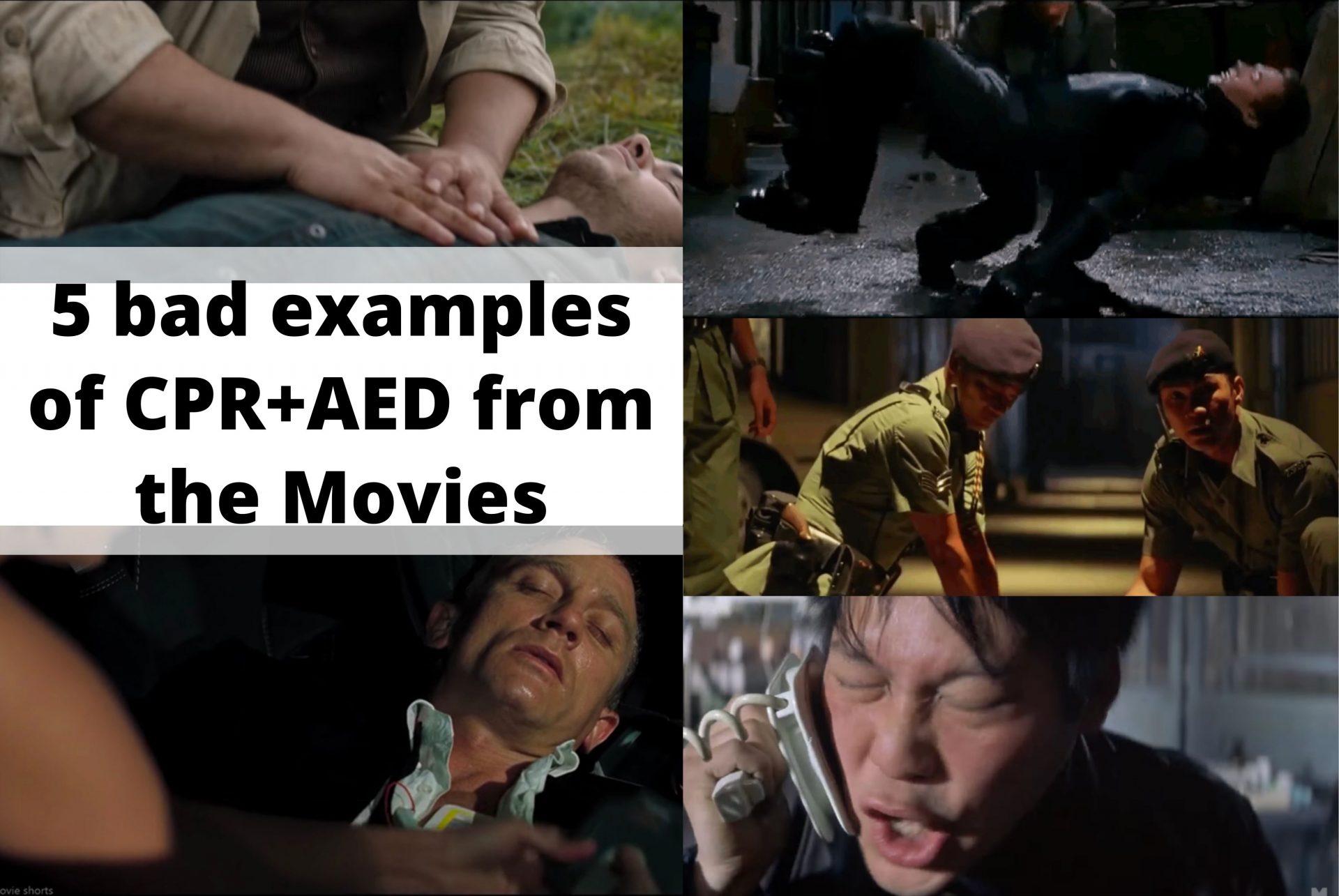
Who doesn’t love movies? They entertain us. They help us see the world through the eyes of others. They teach us things we never knew and inspire us to find out more.
But if there’s one thing we should unlearn from the movies, it is how to save someone from a cardiac arrest.
Because the make-believe world of terribly performed CPR and AED that saves lives is just that —- not real.
Today we debunk the top 5 CPR and AED myths from the movies to get you started on the correct way to help in an emergency. Who knows? You might need to save a life in the real world!
[WARNING: This content contains spoilers!]
Bad Example 1: Bent Elbows & Weak Hand Positions
Jumanji: Welcome to the Jungle
Source: Youtube
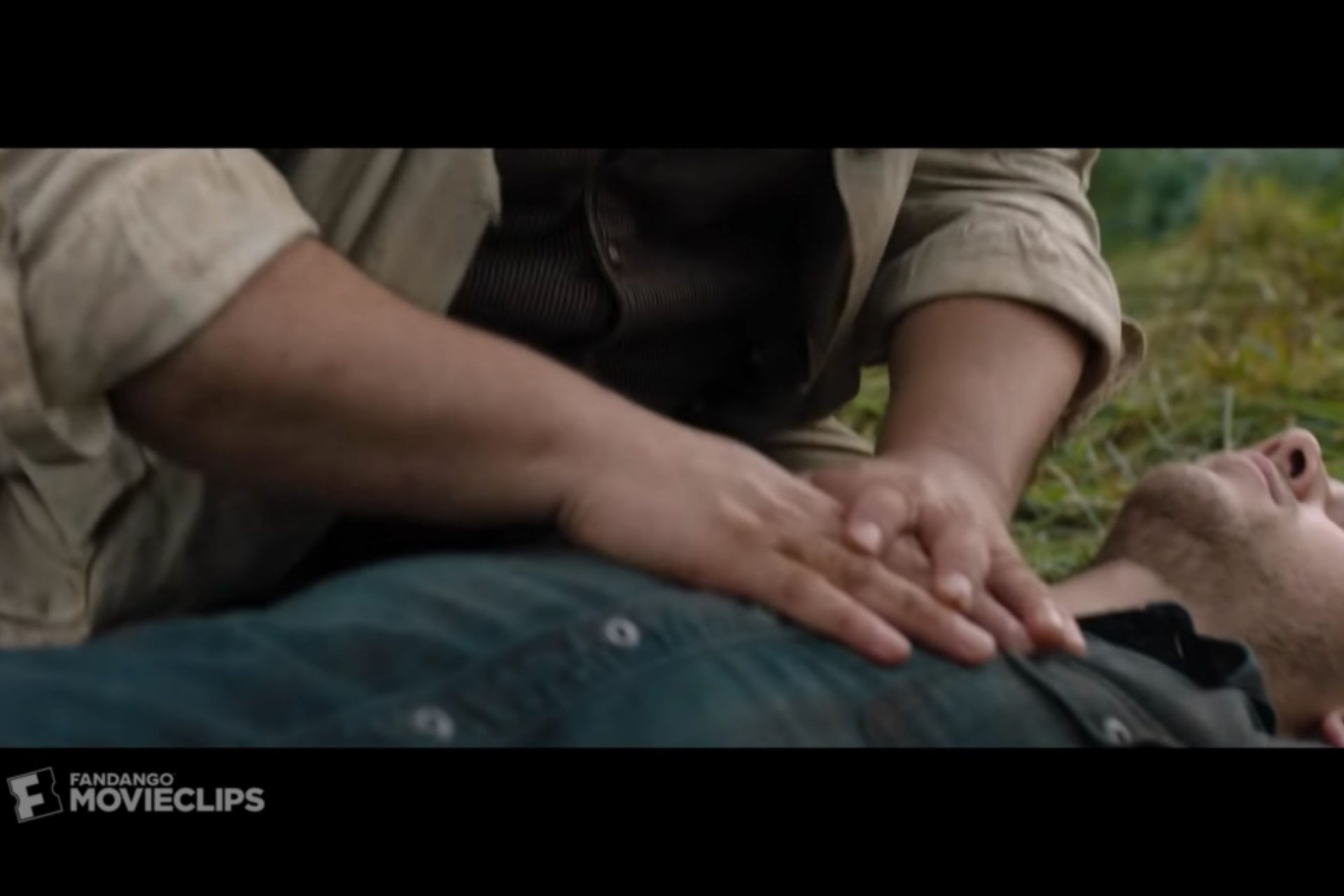
In this scene, Bethany (in Jack Black’s body) is trying to save Alex’s life with CPR after he loses his last life bar to a mosquito bite.
Unfortunately, she is doing ineffective CPR. Let’s break down the bad CPR technique showcased here:
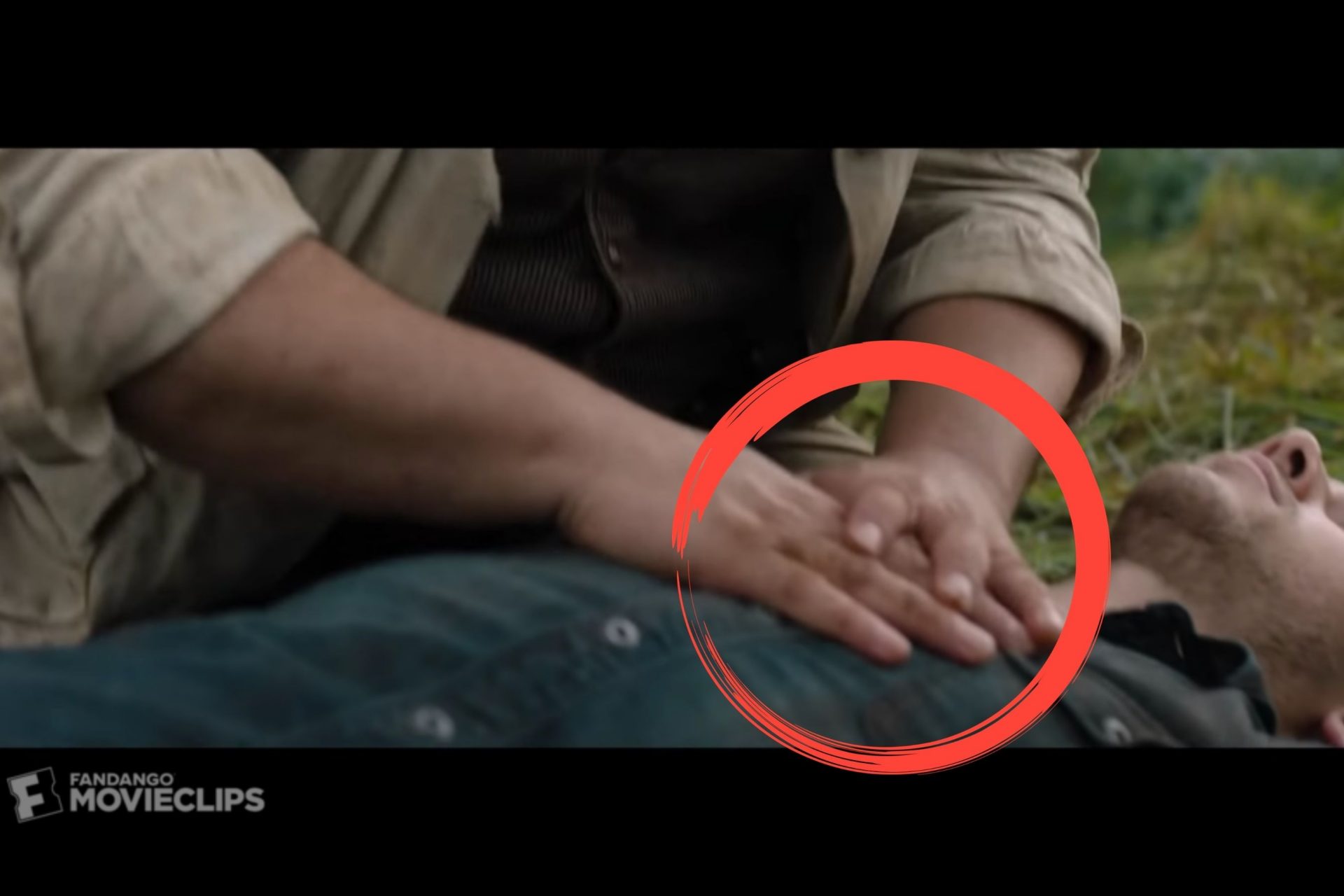
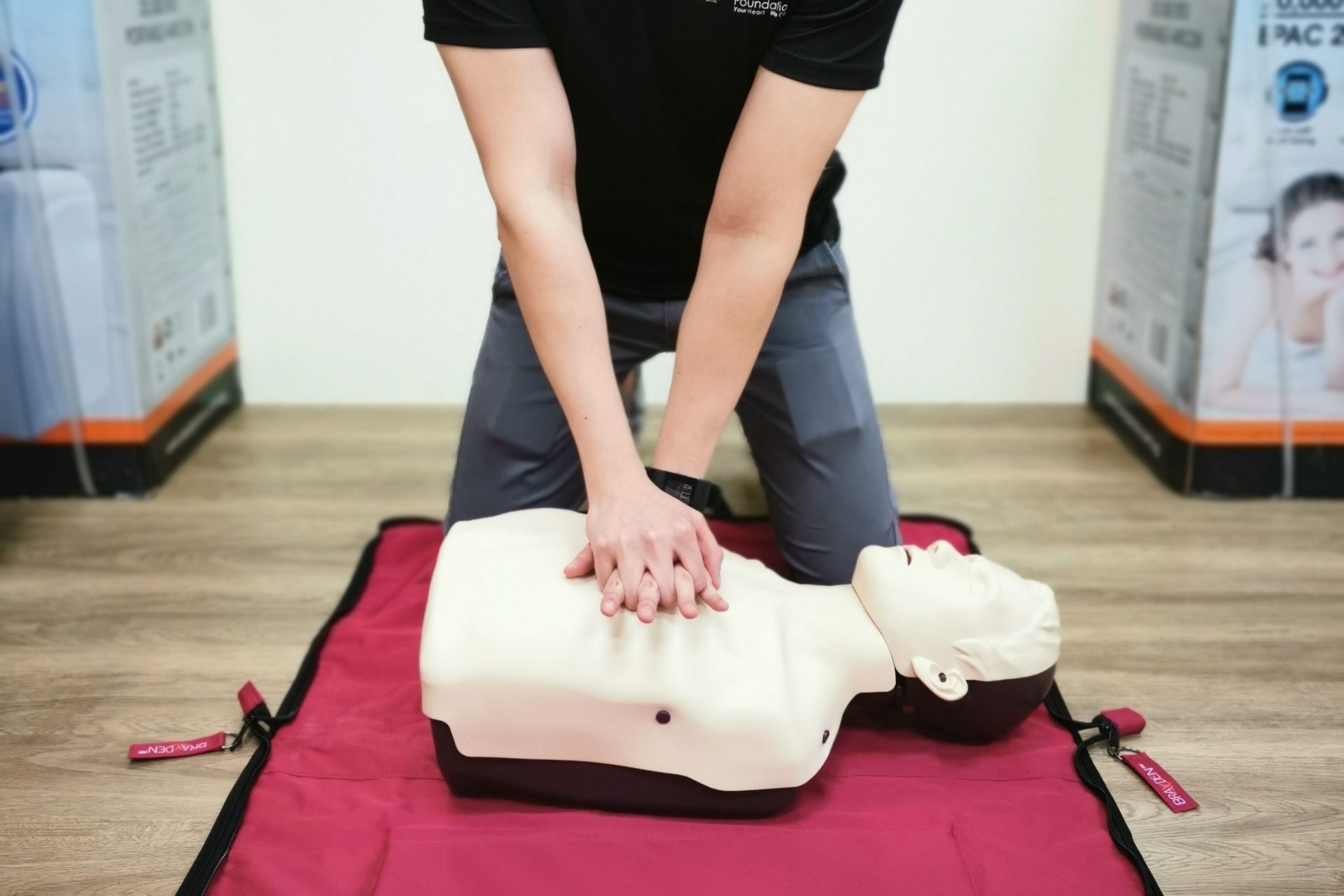
Criss-crossed hands weaken the force of weight administered during chest compression.
The heel of her hand is also not placed on the lower half of the sternum/breastbone.
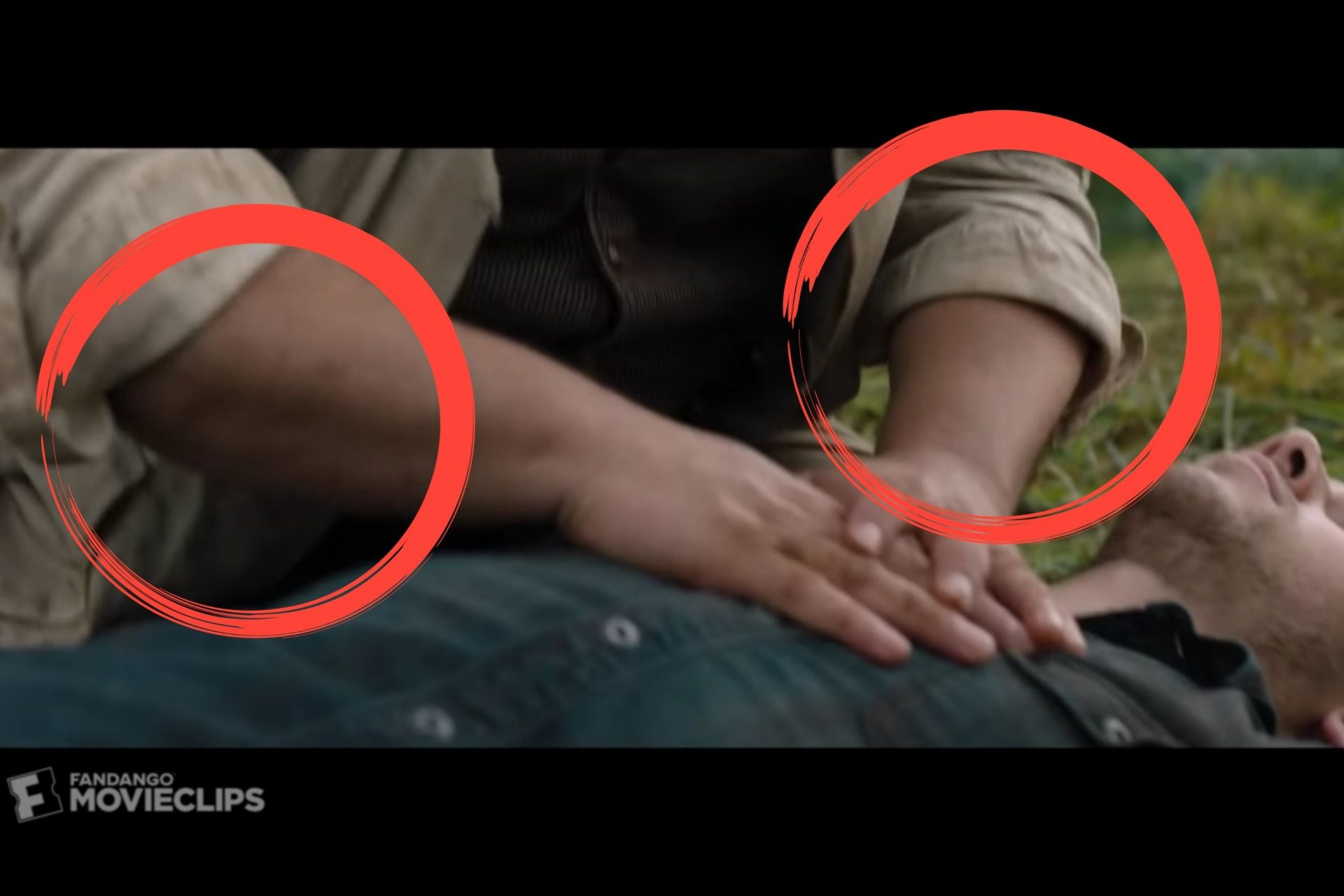
Bent elbows mean you are relying on your arm muscle strength to push down on the chest.
Not only will you get tired faster, but you might also not have sufficient strength to sustain the compression depth.
Real-life tips to Save A Life
The standard set by the Singapore Resuscitation and First Aid Council (SRFAC) for proper chest compression is at 100-120 compression per minute and 4-6cm depth per compression.
Here’s what Bethany should have done to deliver good quality chest compressions:
- Place one of her hands on the lower half of the sternum and the heel of the other on top of the first hand. Interlace her fingers and lift the fingers off the chest wall.
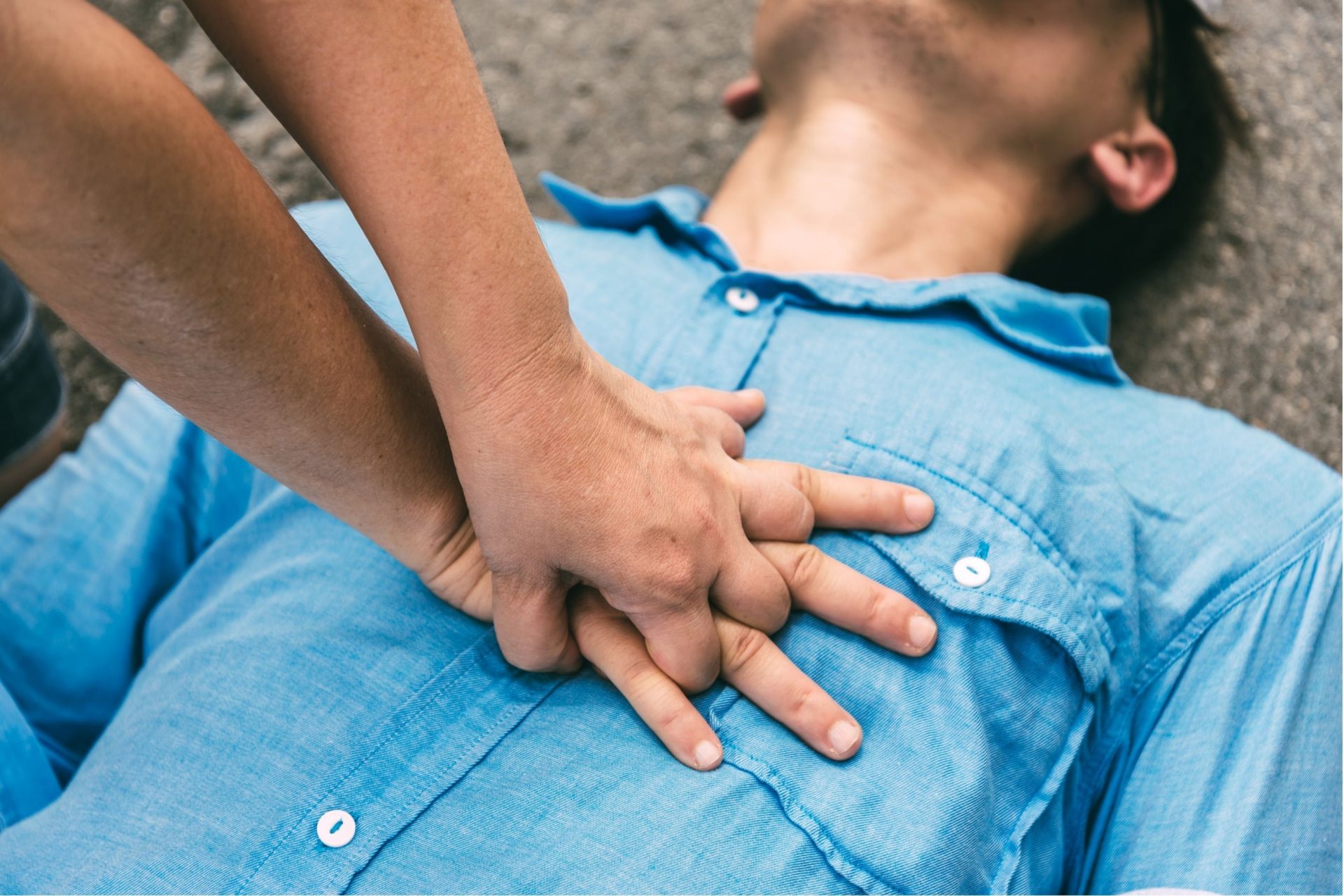
This hand position works well with straightened arms to maximise the force of chest compression, which is driven through the heel of the hand.
- Keep her arms straight and lock her elbows
Bad Example 2: Looking the wrong way to check for breathing
PTU
 Source: Youtube
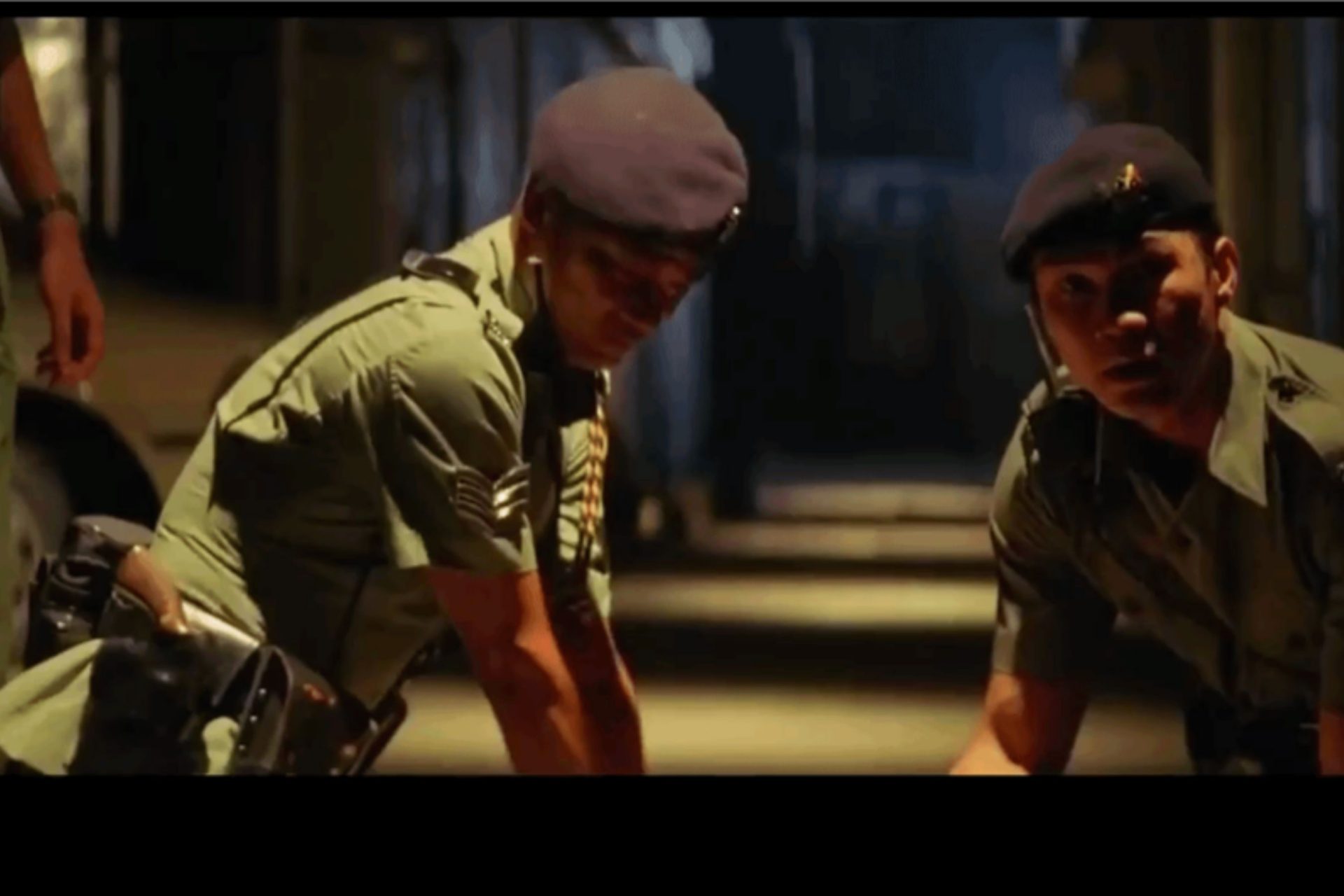
In this scene, Sergeant Mike Ho from the Police Tactical Unit is performing CPR on a casualty. He does everything right until he decides to check if the victim has regained normal breathing.

Alas, he is looking the wrong way.
Real-life tips to Save A Life
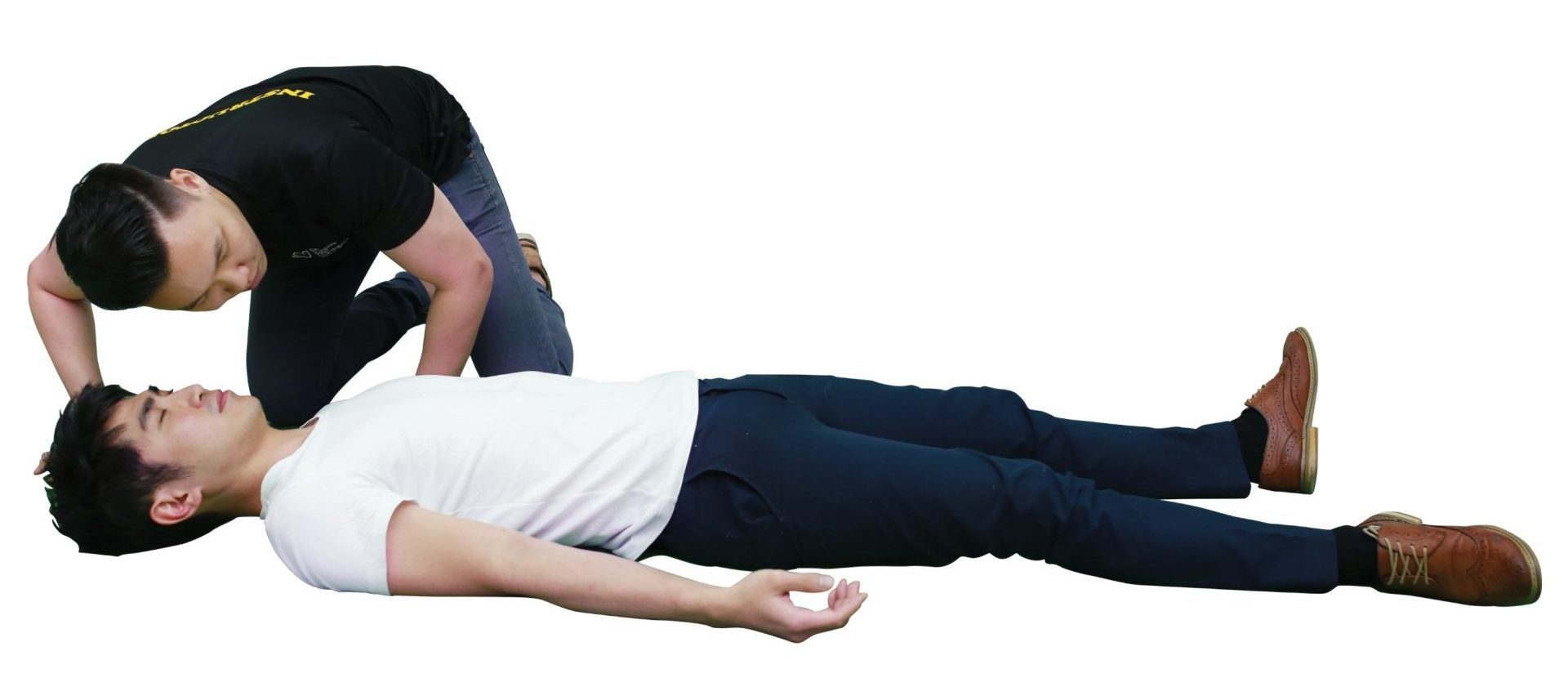
These techniques would have helped Sergeant Mike to make a better check of the victim’s breathing:
- Look at the victim’s chest and check for the rise and fall of the chest
Checking should take no more than 10 seconds. If in doubt, start chest compressions.
Bad Example 3: Breaking the Chain of Survival
Spider-Man 3
 Source: Youtube
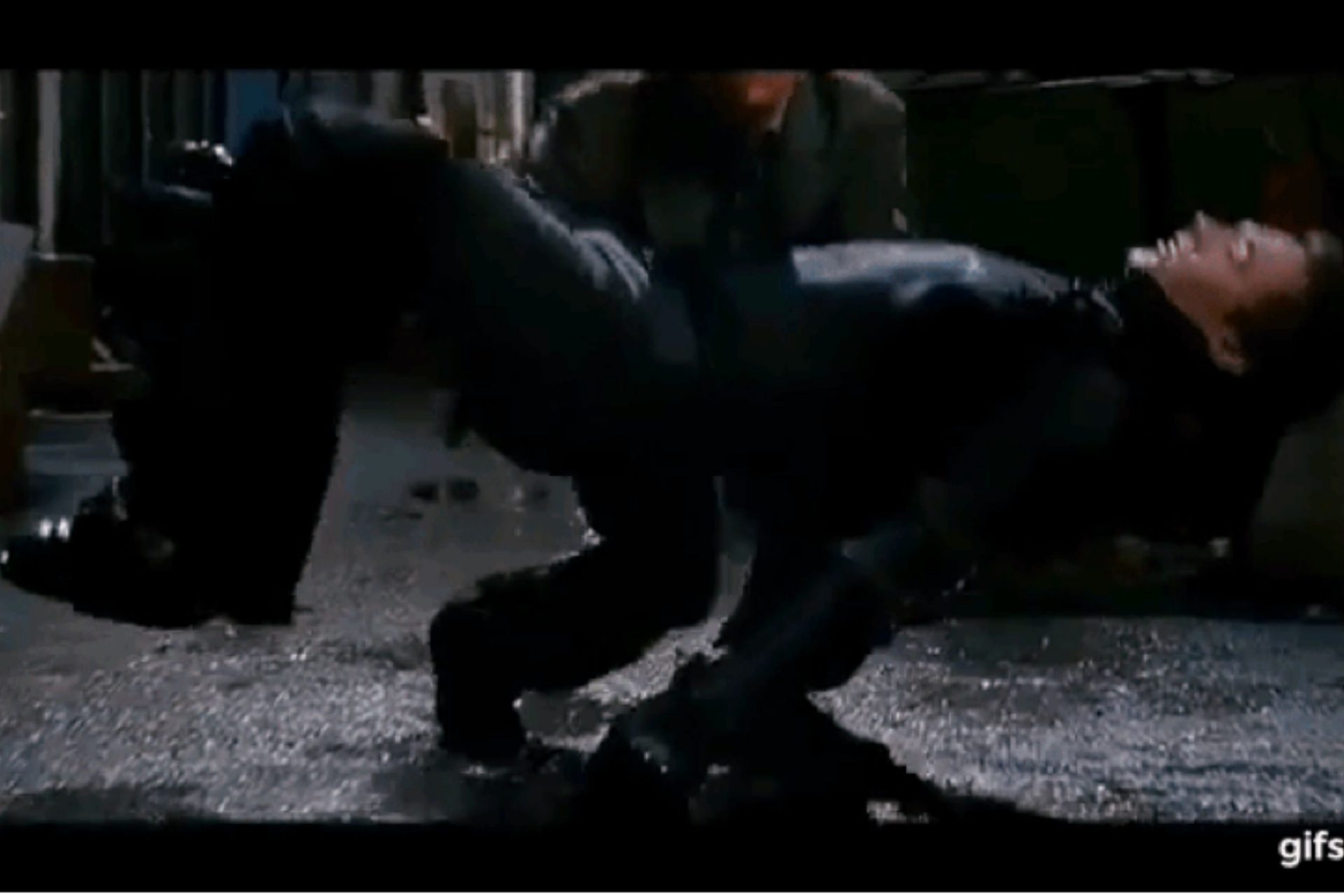
Peter Parker decides to stop doing CPR on Harry and carry him to the hospital for the doctors to rescue him.
When a heart stops beating during cardiac arrest, blood stops flowing through the body. Without blood flow, all organs in the body will stop functioning. CPR restarts the flow of blood manually.
So when Peter stopped performing CPR on Harry, he stopped providing continuous blood flow to his brain.
If the brain stops receiving blood for 4-6 minutes, it suffers irreparable damage and ultimately clinical death.
Was Spider-Man carrying a corpse by the time he reached the hospital? Probably.
Real-life tips to Save A Life
The essential steps for helping a cardiac arrest casualty are illustrated in a system called the “Chain of Survival”.
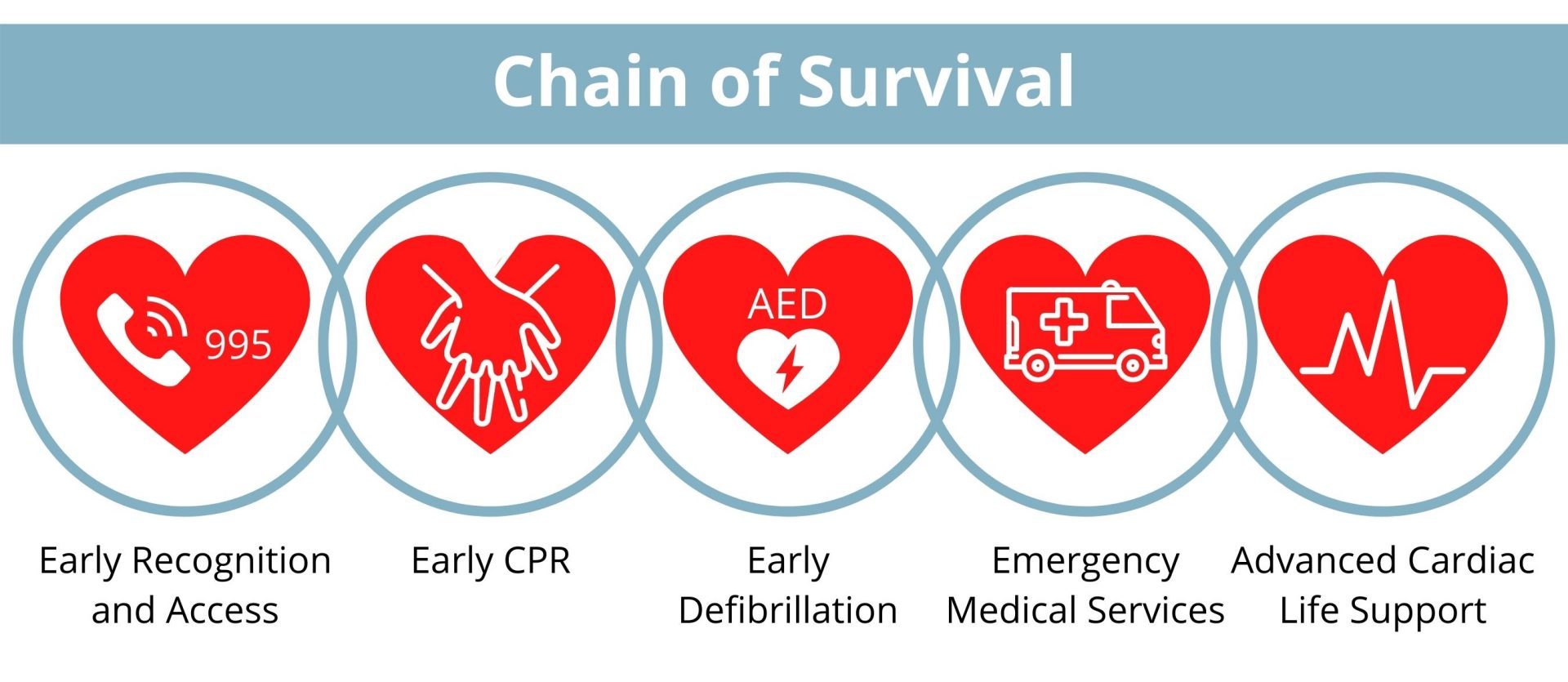
Strong links in the chain make for the best chances of survival.
Bad Example 4: An AED can shock you back from the dead
Casino Royale
 Source: Youtube
Here we see that James Bond’s heart has flatlined after he fails to use an Automated External Defibrillator (AED) to shock himself. Thankfully, a woman comes to the rescue, and administers a shock from the AED. Bond jumps to a start and regains consciousness.
This scene is pure fantasy.
A cardiac flatline in medical speak is asystole — the complete absence of any detectable electrical activity of the heart muscle. When a heart is in asystole, it does not respond to the electric shocks of an AED. For all her good intentions, the Bond girl would not have saved 007 with the AED shock.
Real-life tips to Save A Life
How do you try to save someone whose heart has flatlined?
Call 995 and start CPR immediately.
When is the right time to use an AED?
When a person is having a Cardiac Arrest.
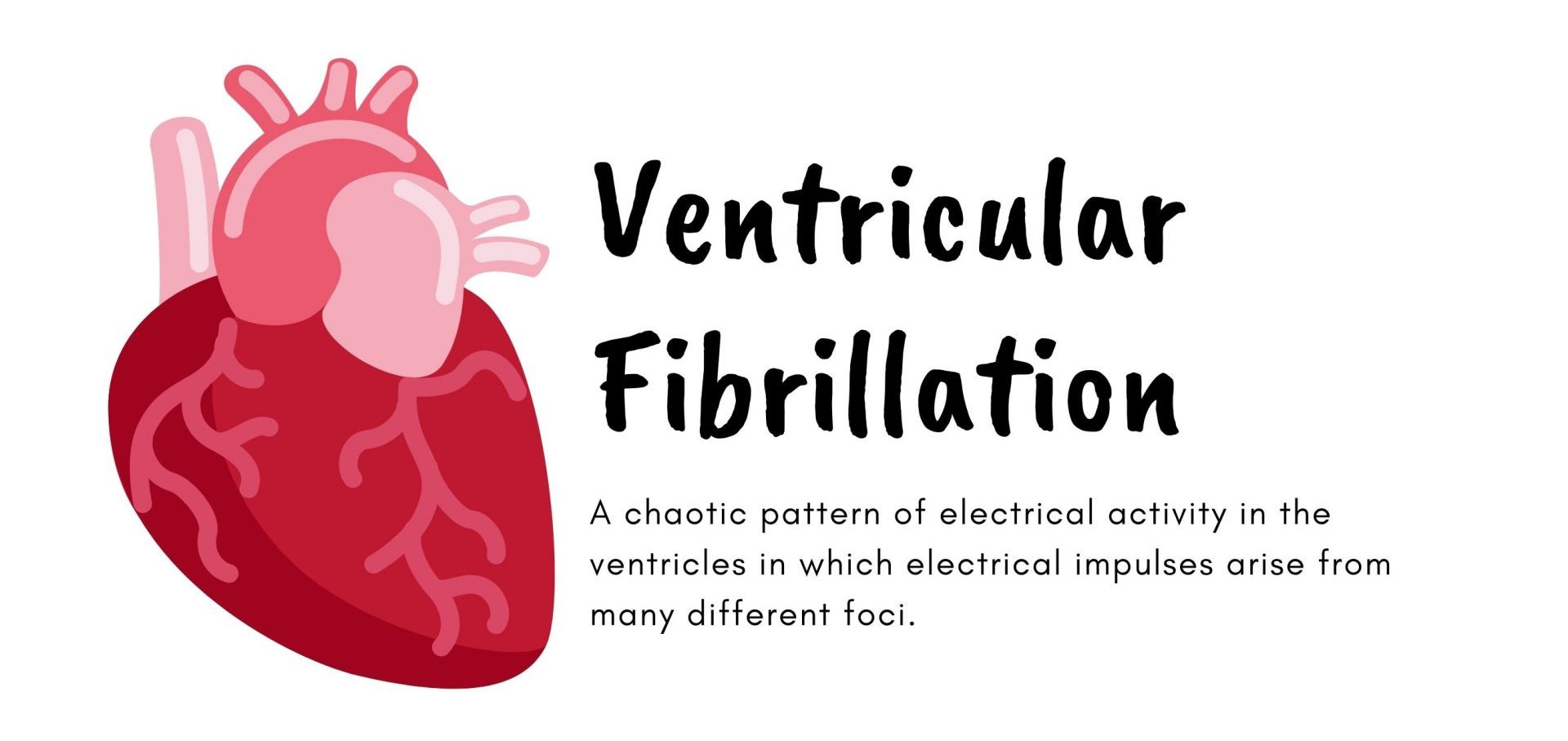
During cardiac arrest, the victim’s heart muscle has not stopped moving. It is in a state of ventricular fibrillation (VF) (see illustration below).
 Source: Youtube
This means it is moving in a chaotic fashion because of electrical malfunction. Because of this malfunction, the heart quivers uselessly, instead of circulating blood around the body.
An electric shock from an AED is the most effective treatment for VF. The earlier the shock is administered, the better the chances of survival.
Bad Example 5: An AED can shock on any parts of the body
The Accidental Spy
 Source: Youtube
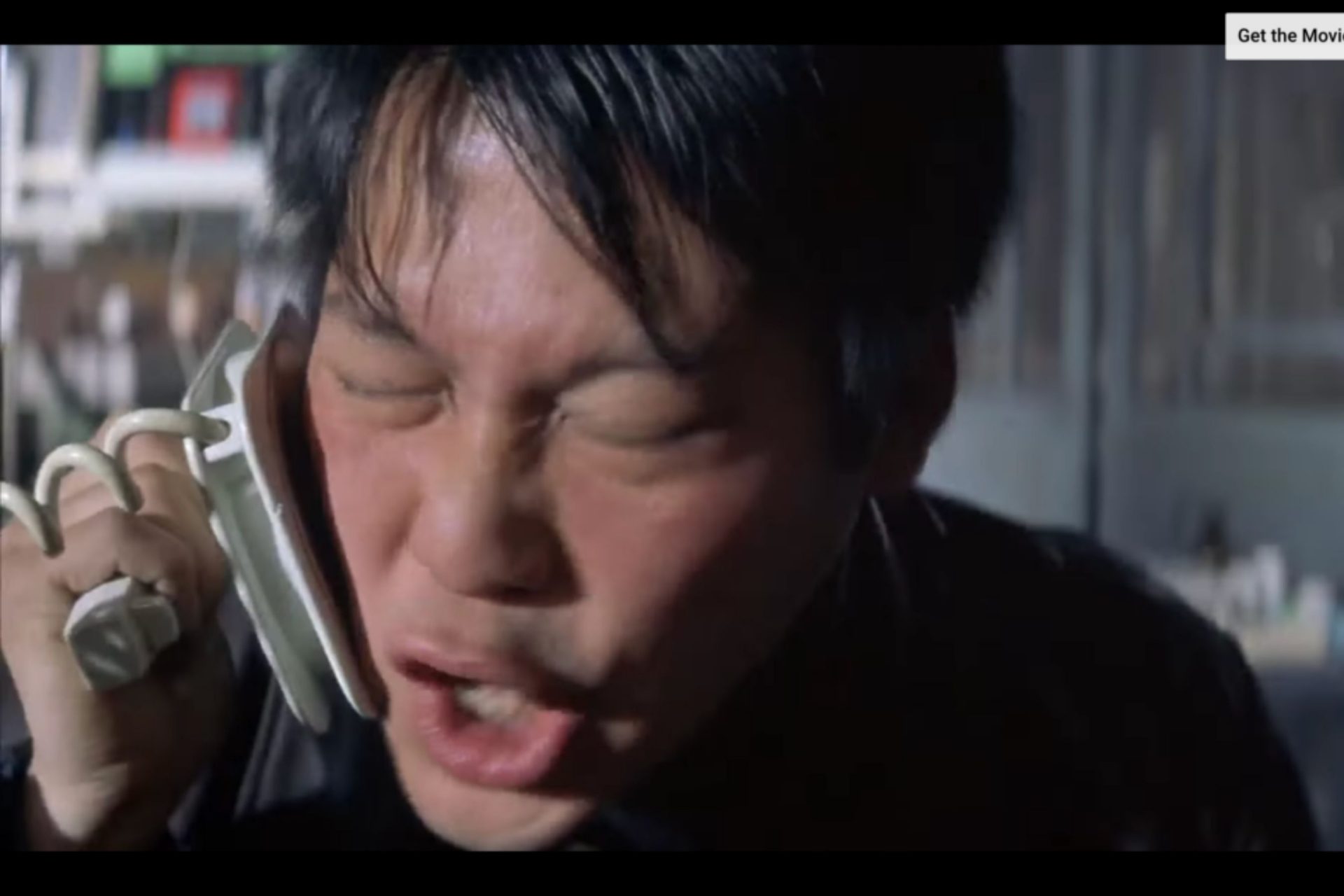
Jackie Chan channels kungfu comedy here by using an AED to electrocute his attacker so he can escape.
The funny thing is you cannot be shocked by an AED if your heart is beating normally.
Real-life tips to Save A Life
AEDs of any brand are simple devices that are designed to be used by laymen. They have voice prompts that will provide clear step-by-step instructions and will only allow shocks to happen when ventricular fibrillation happens.
Of course, like all electronic devices, users must first make sure they are used it in a safe environment. Here are some precautions to observe for your own safety and the victim’s well-being:
| No metallic surfaces | Do not use an AED on a victim who is lying on a conductive surface – e.g. metal These can conduct electric currents to the rescuer. |
| No wet surfaces | Do not use an AED on a victim who is in contact with water. Wipe the victim’s chest dry, i.e. remove sweat or moisture. Water is a conductor of electricity. |
| No flammable gases | Do not use an AED when there are flammable gases as it will cause electrical fires. |
And now you know the truth, and the truth shall set you free… to save a life!
Want to go further and arm yourself with practical knowledge and skills in CPR+AED?
Learn how to perform CPR and use an AED effectively and safely with the Singapore Heart Foundation. Email cpraed@heart.org.sg or call 6354 9371/44/55.
What other CPR+AED myths have you seen in the movies? Share them with us on the Save-A-Life Initiative Facebook community page.